
FHA Water Test Requirements: What Alabama Homebuyers Need


Finding the right home in Baldwin or Mobile often means checking more than just price and location. For many buyers relying on FHA financing, understanding water test requirements is a critical step to protect household health, especially for properties with private wells. The FHA only requires water tests when homes use non-public water sources, challenging the common myth that every property needs the same evaluation. This introduction untangles the details so Alabama homebuyers can approach property inspections with confidence and peace of mind.
Table of Contents
Key Takeaways
Point | Details |
FHA Water Testing Importance | FHA mandates water testing to ensure safe drinking water, especially for homes using private wells. |
Testing Requirements Vary | Water testing protocols differ based on the source type, with stricter requirements for private wells than municipal systems. |
Costs and Timelines | Water testing can cost between $100-$500 and results typically take 2-14 business days, depending on the complexity of tests. |
Avoid Common Pitfalls | Ensure proper sample collection and understand testing limitations to prevent unnecessary delays in the home buying process. |
FHA Water Test Basics and Common Myths
Understanding water testing requirements for FHA loans can feel complex, but knowing the basics helps Alabama homebuyers navigate this critical step confidently. The Federal Housing Administration mandates specific water quality standards to protect potential homeowners, particularly for properties using private wells or non-municipal water supplies.
FHA water testing isn’t a universal requirement for every home. Instead, it focuses on ensuring safe, potable water through targeted evaluations. Water quality analysis typically examines several key parameters to protect homebuyers:
Bacterial contamination (total coliform)
Nitrate and nitrite levels
pH balance
Presence of heavy metals
Potential chemical pollutants
Many homebuyers mistakenly believe all properties require identical water testing protocols. However, the requirements vary significantly based on water source and local environmental conditions. Rural Alabama properties with private wells, for instance, demand more comprehensive testing compared to homes connected to municipal water systems.
Water testing isn’t just a bureaucratic checkbox—it’s a critical health safeguard for your family’s drinking water.
Common myths about FHA water tests can create unnecessary confusion. Homebuyers often assume these tests are prohibitively expensive or extremely time-consuming. In reality, most professional water tests can be completed within 24-48 hours and typically cost between $100-$500, depending on the comprehensiveness of the analysis.
Important Considerations for Alabama Homebuyers:
Private well properties require more extensive testing
Municipal water connections might need minimal verification
Local environmental factors influence testing requirements
Some counties have specific additional testing standards
Pro tip: Always request a detailed water quality report and consult with your FHA-approved lender about specific testing requirements for your specific Alabama property location.
By understanding these nuanced water test requirements, Alabama homebuyers can approach their FHA loan process with confidence and clarity. Interpreting water analysis reports becomes easier when you know exactly what inspectors are looking for and why these tests matter for your future home’s safety.
When and Why FHA Water Tests Are Required
For Alabama homebuyers pursuing FHA loans, understanding water testing requirements is crucial, especially for properties with private water sources. Water safety testing is a critical step in the loan approval process, designed to protect potential homeowners from potential health risks associated with contaminated water supplies.
FHA mandates water testing primarily in scenarios involving non-municipal water systems, which are common in rural and semi-rural Alabama regions. The specific requirements depend on several key factors:
Property location
Water source type
Local environmental conditions
Proximity to potential contamination sources
The primary goals of these water tests include identifying potential health hazards such as:
Bacterial contamination
Chemical pollutants
Mineral content
pH levels
Potential heavy metal presence
Water testing isn’t just a regulatory requirement—it’s a fundamental health protection mechanism for future homeowners.
In Alabama, where many properties rely on private wells, comprehensive water quality assessments become even more critical. These evaluations help FHA-approved lenders verify that the water meets minimum safety standards required for human consumption. Homes connected to municipal water systems typically require less extensive testing, often just a simple verification of water source compliance.
Typical Water Test Requirements for FHA Loans:
Private well properties need full bacterial and chemical analysis
Municipal water connections require minimal documentation
Tests must be performed by certified water quality professionals
Results must demonstrate compliance with health standards
Pro tip: Request a detailed water quality report at least 30 days before your FHA loan closing to allow time for potential remediation or additional testing.
By understanding these nuanced requirements, Alabama homebuyers can navigate the FHA water testing process with confidence and ensure their future home’s water supply meets critical safety standards.
Accepted Water Sources and Key Testing Standards
FHA loan applicants in Alabama must understand the approved water sources and rigorous testing standards that ensure safe drinking water. Water source compliance is a critical component of the loan approval process, with specific guidelines governing both public and private water systems.
The FHA recognizes two primary water sources for residential properties:
Public municipal water systems
Private wells and alternative water sources
Each water source requires different levels of testing and documentation:
Municipal Water Systems
Private Wells
Shared Community Wells
Alternative Water Sources (rainwater collection, etc.)
Not all water sources are created equal. Verification is key to protecting your health and investment.
Comprehensive water quality assessments for private water sources must meet stringent Environmental Protection Agency (EPA) standards. These assessments typically examine multiple parameters to ensure water safety:
Total coliform bacteria levels
Nitrate and nitrite concentrations
Heavy metal content
pH balance
Potential chemical contaminants
Key Testing Requirements for Private Water Sources:
Must be tested by certified water quality professionals
Comply with EPA Maximum Contaminant Levels (MCLs)
Provide comprehensive laboratory analysis
Demonstrate safe drinking water standards
Pro tip: Obtain a detailed water quality report at least 45 days before your loan closing to allow time for potential treatment or additional investigation.
Understanding these nuanced requirements helps Alabama homebuyers confidently navigate the FHA water testing process and ensure their future home’s water supply meets critical safety standards.
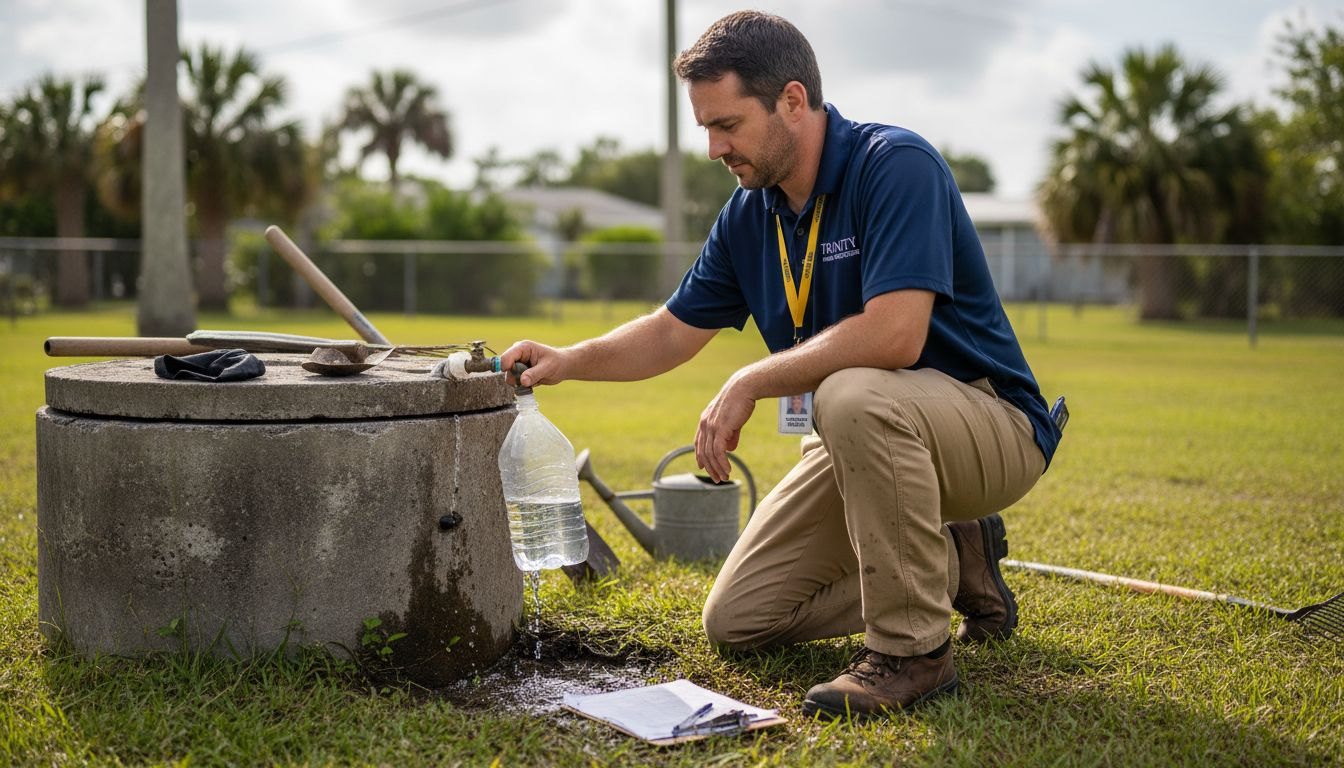
Here’s a concise comparison of FHA water testing requirements based on water source type:
Water Source Type | Typical Testing Level | Common Documentation Required | Example Scenario |
Municipal System | Minimal verification | Water bill or utility compliance | City home in Birmingham |
Private Well | Comprehensive lab analysis | Full water quality report | Rural property in Alabama |
Shared Community Well | Moderate testing and records | System maintenance & periodic reports | Small subdivision, rural area |
Alternative Source | Specialized assessment needed | Documentation of treatment systems | Rainwater collection property |
What Gets Tested: Contaminants and Methods
Alabama homebuyers seeking FHA loans must understand the complex world of water quality testing. Water analysis techniques involve sophisticated methods designed to detect a wide range of potential health hazards in drinking water systems.
The comprehensive testing process targets multiple categories of potential contaminants:
Microbiological agents
Chemical compounds
Heavy metals
Organic pollutants
Inorganic substances
Microbiological testing focuses on identifying dangerous organisms that could compromise water safety:
Total coliform bacteria
E. coli
Fecal indicators
Pathogenic microorganisms
Not all water contaminants are visible. Laboratory testing reveals what the naked eye cannot see.
Comprehensive water quality assessments employ multiple scientific methodologies to ensure thorough analysis. The testing protocols typically include:
Bacterial culture tests
Spectroscopic chemical analysis
Chromatography techniques
Electrochemical detection methods
Mass spectrometry
Key Contaminants Examined in FHA Water Tests:
Lead
Arsenic
Nitrates
Pesticide residues
Volatile organic compounds
Mineral concentrations
Pro tip: Request a detailed methodology section in your water quality report to understand exactly how each contaminant was tested and measured.
By comprehending these intricate testing methods, Alabama homebuyers can confidently navigate the FHA water testing requirements and protect their future home’s most essential resource: safe drinking water.
Who Collects Samples and Test Validity Rules
For Alabama homebuyers pursuing FHA loans, understanding the water sample collection process is crucial. Sample collection protocols involve precise procedures that ensure the integrity and accuracy of water quality testing results.
Sample collection can be completed through multiple authorized methods:
Certified water testing professionals
Qualified home inspection services
Homebuyers with proper training
Local health department representatives
The sample collection process requires strict adherence to specific guidelines:
Use sterile collection containers
Follow precise handling procedures
Maintain proper temperature control
Document chain of custody
Submit samples within required timeframe
Precision matters. One small contamination can invalidate an entire water test.
FHA water testing guidelines establish clear validity rules that protect both homebuyers and lenders. Test results typically remain valid for a specific period:
Standard validity: 90-120 days
Municipal water sources: Often shorter validation period
Private wells: May require more comprehensive revalidation
Key Validity Considerations:
Certification of testing laboratory
Proper sample collection technique
Adherence to EPA testing standards
Comprehensive contaminant screening
Documentation of testing procedures
Pro tip: Request a copy of the full testing methodology and lab certification to ensure complete transparency in your water quality assessment.
By understanding these detailed collection and validity protocols, Alabama homebuyers can confidently navigate the FHA water testing requirements and protect their investment.
Costs, Timeframes, and Common Pitfalls
Alabama homebuyers navigating FHA water testing requirements must understand the financial and procedural landscape of water quality assessments. Water testing expenses represent a critical but manageable component of the home loan process.
Cost ranges for water testing vary depending on several factors:
Type of water source
Complexity of required tests
Local laboratory fees
Number of contaminants screened
Typical water testing cost breakdowns include:
Basic bacterial screening: $25-$50
Comprehensive chemical analysis: $75-$250
Private well extensive testing: $100-$500
Municipal water verification: $20-$85
Budget for water testing early. Unexpected costs can delay your home buying process.
Interpreting testing timelines is equally important for Alabama homebuyers. Test result turnaround typically ranges:
Basic tests: 2-5 business days
Comprehensive screenings: 7-14 business days
Complex analyses: Up to 3 weeks
Common Pitfalls to Avoid:
Improper sample collection
Missing submission deadlines
Misinterpreting test results
Failing to understand test limitations
Neglecting potential retesting requirements
Pro tip: Schedule your water testing at least three weeks before your anticipated loan closing to provide ample time for potential retesting or remediation.
By understanding these nuanced costs and timeframes, Alabama homebuyers can strategically navigate FHA water testing requirements and prevent unexpected complications during their home purchasing journey.
Below is a summary of typical costs and timelines for various FHA water test types in Alabama:
Test Type | Approximate Cost Range | Typical Turnaround Time |
Basic Bacterial Screening | $25 - $50 | 2-5 business days |
Chemical Analysis | $75 - $250 | 7-14 business days |
Private Well Full Test | $100 - $500 | 1-3 weeks |
Municipal Verification | $20 - $85 | 1-3 business days |
Protect Your Alabama Home Investment with Expert Water and Home Inspections
Navigating FHA water test requirements can feel overwhelming, especially with the detailed testing needed for private wells and rural water sources in Alabama. The safety of your drinking water is critical to your family’s health and peace of mind. At Trinity Home Inspections, we understand these challenges and offer professional services designed to ensure you meet FHA standards with confidence. Our InterNACHI-certified inspectors bring advanced tools such as thermal imaging and precise moisture meters to uncover hidden issues that may affect water quality and your home’s overall condition.

Don’t risk costly delays or surprises during your FHA loan process. Schedule your inspection with Trinity Home Inspections today at https://www.trinityinspectionsllc.com/. We provide same-day, photo-rich reports to give you clear, honest insights. Learn more about our commitment to thorough, faith-based service and how our team goes beyond standard inspections at Trinity Home Inspections. For a deeper understanding of inspection tools and standards that protect your home investment, visit our site and secure your peace of mind before closing.
Frequently Asked Questions
What are the main contaminants tested in FHA water tests?
FHA water tests typically analyze for bacterial contamination, nitrate and nitrite levels, pH balance, heavy metals, and potential chemical pollutants to ensure safe drinking water.
Is water testing required for all FHA loans?
No, water testing is not a universal requirement. It is primarily mandated for properties using private wells or non-municipal water supplies, while homes connected to municipal water systems may require minimal verification.
How long does it take to get results from a water test?
The turnaround time for water test results generally ranges from 2-5 business days for basic tests to up to 3 weeks for complex analyses, depending on the comprehensiveness of the testing.
What costs should I expect for FHA water testing?
Costs for FHA water testing can vary widely, typically ranging from $25 for basic bacterial screenings to $100-$500 for comprehensive tests on private wells. It is essential to budget for these costs early in the home buying process.
Recommended
