
Home Selling Checklist for Alabama Sellers: 2026 Guide

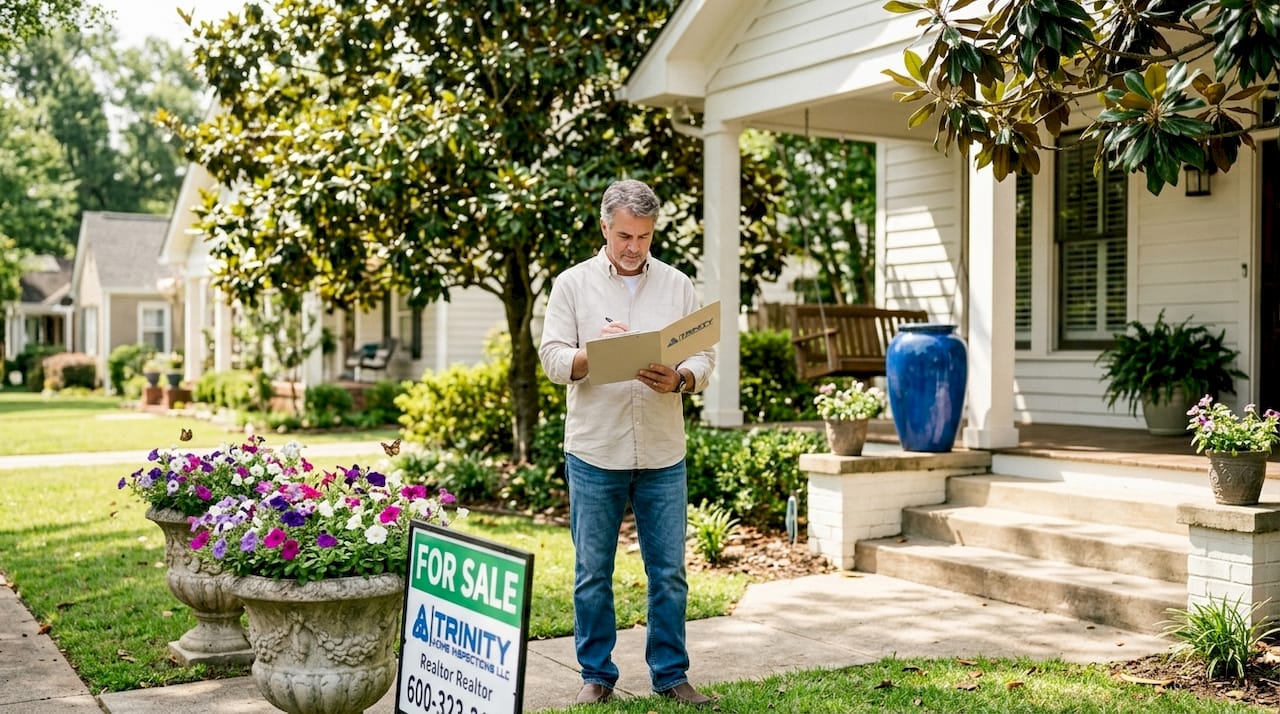
Selling a home in Alabama without a solid home selling checklist is like packing for a long trip without a list. You will forget something important, and it will cost you time, money, or both. Alabama sellers face a unique combination of challenges: a caveat emptor legal environment that puts more responsibility on what you know and when you disclose it, a Gulf Coast climate that accelerates wear on roofs and HVAC systems, and buyers who increasingly come prepared with their own inspectors and negotiation strategies. This guide gives you a real, practical sellers checklist built specifically for Alabama, covering everything from your prep timeline to closing day.
Key Takeaways
Point | Details |
Start preparation early | A 90-day prep window before listing gives you time to complete repairs and attract stronger offers. |
Get a pre-listing inspection | Identifying issues before buyers do reduces renegotiations and builds buyer confidence in your home. |
Understand Alabama disclosure rules | Alabama follows caveat emptor, so voluntary disclosures protect you legally and reduce post-sale disputes. |
Prioritize high-impact repairs | Roof, HVAC, plumbing, and electrical repairs address the issues buyers and inspectors focus on most. |
Prepare thoroughly for closing | Review your settlement statement early and keep utilities active until the deed transfers. |
1. Build your home selling checklist around a realistic timeline
The single most important thing you can do before any repair, cleaning, or staging is set an honest timeline. A 90-day prep window before your listing date is the gold standard, with 60 days being the minimum if you want to attract serious offers rather than lowball bids from buyers who can smell a rushed sale.
Here is how to structure those 90 days:
Days 1 to 14: Interview and hire a listing agent. Gather all property documents including survey, permits, HOA rules, and any past repair receipts. Set a realistic target list price.
Days 15 to 30: Schedule your pre-listing inspection. This gives you time to receive the report and begin prioritizing repairs before your home hits the market.
Days 31 to 60: Complete priority repairs. Order materials early since supply delays are common along the Gulf Coast after storm seasons.
Days 61 to 75: Deep clean, declutter, and stage. This includes professional photography, which should happen after all repairs and staging are complete.
Days 76 to 90: Review your listing, finalize your price, go live, and prepare for showings.
A typical Alabama home sale takes roughly 60 to 90 days total once it is on the market, with six to eight weeks to accept an offer and then another 30 to 45 days to close. That means your preparation timeline runs parallel to, and directly affects, that entire process.
Pro Tip: Set a personal deadline two weeks before your target list date. Contractors in coastal Alabama are often booked out, especially during peak season. Building buffer time into your house sale checklist is not optional. It is what separates sellers who close smoothly from those who scramble.
2. Pre-listing inspection checklist: systems and structure
A pre-listing inspection is the most strategic move you can make as an Alabama seller. Buyers are going to inspect your home anyway. The question is whether you want to find problems first or let them find problems during negotiations when you have far less control.
Schedule your pre-listing inspection no earlier than two months before your planned listing date. This keeps findings current and relevant. Any earlier and buyers may question whether newer issues have developed.
Here are the major areas a thorough pre-listing inspection will cover, and what Alabama sellers should pay special attention to:
Roof: Age, missing or damaged shingles, flashing condition, and signs of past leaks. Gulf Coast weather accelerates roof wear significantly.
HVAC systems: Functionality, filter condition, age of units, and any signs of refrigerant loss or duct deterioration. Buyers in Alabama will not ignore a failing AC system.
Electrical panel and wiring: Look for outdated panels, double-tapped breakers, aluminum wiring in older homes, and GFCI outlets in wet areas.
Plumbing: Check for active leaks, supply line age, water heater condition, and drainage performance. Slow drains signal bigger issues to buyers.
Structural integrity: Foundation cracks, floor joist conditions in pier-and-beam homes, and settling patterns around doors and windows.
Moisture and water intrusion: Staining on ceilings or walls, crawl space moisture, and any evidence of past flooding. This is critical in coastal Alabama.
Pest damage: Termite activity or damage is a major concern in Alabama. Have a licensed pest company inspect alongside your home inspection.
Keeping repair receipts organized and ready to share with buyers is equally important. Documented repairs build trust. They also give you a factual basis to hold your price when buyers try to negotiate based on inspection findings.
Pro Tip: Ask your inspector to walk you through every finding in person, not just hand you a report. Understanding what is cosmetic versus what is structural changes how you prioritize your repair budget. This is standard practice at Trinity Home Inspections because a report you understand is worth far more than one that sits in your inbox unread.
3. Essential maintenance and cosmetic repairs for a showing-ready home
Once your pre-listing inspection is complete and priority repairs are underway, turn your attention to the cosmetic and maintenance items that directly influence how buyers feel when they walk through your front door. Buyers make emotional decisions first. Logic comes second.
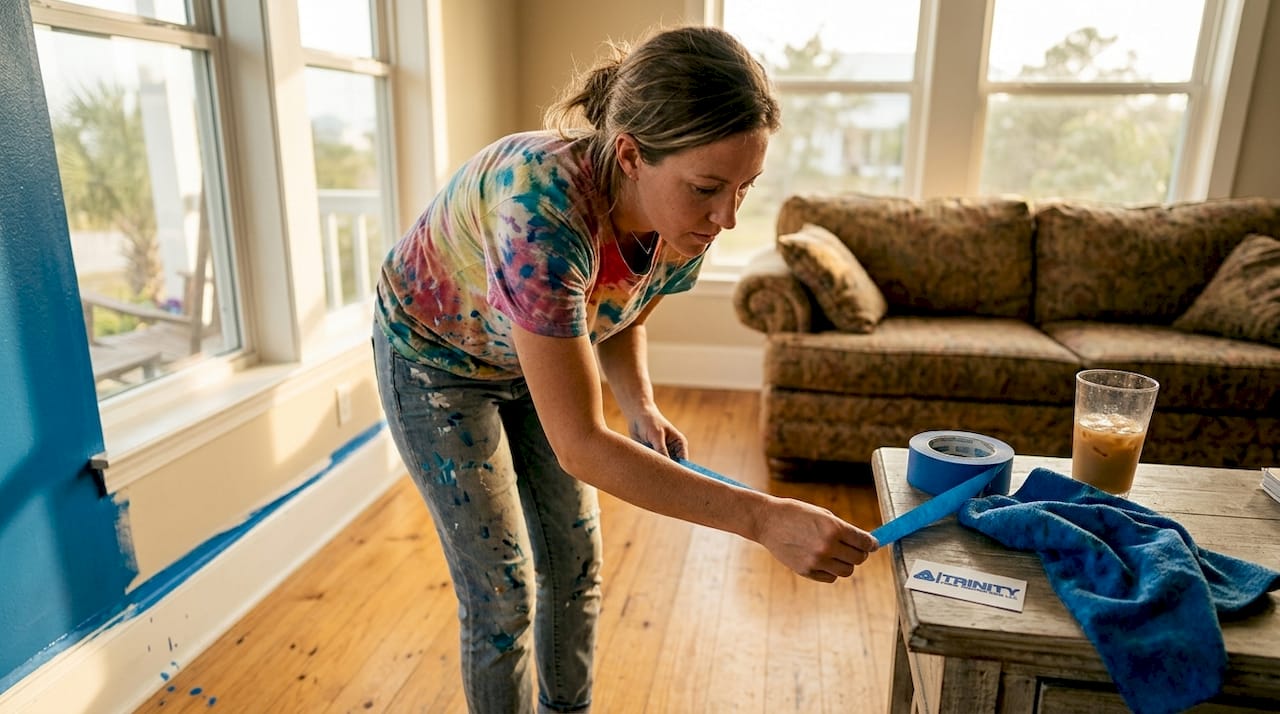
The goal here is not perfection. It is removing anything that signals neglect. A moisture stain on a ceiling, even a repaired one, immediately raises questions. A burned-out bulb in an entry fixture tells buyers the seller stopped caring. Small fixes like replacing bulbs, repairing leaks, and clearing access areas have an outsized impact on how buyers and inspectors perceive your home overall.
Repair or Task | Typical Cost | Buyer Impact |
Fresh interior paint (neutral tones) | $800 to $2,500 | High: makes spaces feel clean and move-in ready |
Pressure washing exterior and driveway | $150 to $400 | High: transforms curb appeal in one afternoon |
Replacing HVAC filters and servicing unit | $75 to $200 | High: signals maintenance and avoids red flags |
Fixing dripping faucets and running toilets | $50 to $250 | Medium: prevents buyer concern signals |
Landscaping cleanup and fresh mulch | $100 to $500 | High: first impressions begin at the curb |
Replacing worn caulk in bathrooms and kitchen | $20 to $80 | Medium: prevents moisture concerns during inspection |
Fixing sticking doors and windows | $50 to $300 | Medium: buyers test every door and window |
Beyond the table, here are the cosmetic priorities that deliver the strongest return for Alabama sellers:
Declutter every room, including closets. Buyers equate storage space with home value, and overflowing closets signal insufficient space.
Clean all surfaces, including inside appliances if they convey with the home. A thorough home cleaning checklist ensures you do not miss overlooked areas like baseboards, window tracks, and ceiling fans.
Maximize natural light. Open blinds, clean windows inside and out, and add lamps to darker corners.
Maintain curb appeal throughout the listing period, not just on photo day. Buyers drive by before scheduling showings, and first impressions from the street directly affect whether they book a tour at all.
4. Seller disclosure obligations specific to Alabama
Alabama operates under caveat emptor, which is a Latin phrase that means “let the buyer beware.” In practice, this means Alabama sellers have fewer formal disclosure requirements than sellers in many other states. However, fewer requirements does not mean zero obligations. It means you must not commit fraud, misrepresent known conditions, or actively conceal defects.
Understanding Alabama’s disclosure laws for sellers is not just a legal matter. It is a risk management decision. Sellers who choose voluntary disclosure consistently have fewer post-closing disputes and smoother transactions.
Here is what your home sale checklist should include on the disclosure side:
Water damage and flooding history: If your home has experienced flooding, roof leaks, or plumbing failures, document what happened and what was repaired.
Lead-based paint disclosure: Federally required for all homes built before 1978. You must provide an EPA-approved pamphlet and give buyers the right to conduct an inspection.
Pest treatment history: Note any past termite treatments, warranties in place, and structural repairs resulting from pest damage.
Roof age and known repairs: Buyers always ask. Having documentation ready prevents the question from becoming a negotiation point.
HVAC age and service history: A well-documented service record is a selling point, not just a disclosure item.
Known structural issues: Even if repaired, disclosing past foundation or structural concerns with supporting documentation is far better than having a buyer discover them post-closing.
Voluntary disclosure protects you legally by establishing what you knew and when you communicated it. Work with your real estate attorney and agent to prepare a written disclosure package. Keep copies of everything. This is part of your real estate selling checklist that most sellers skip and later regret.
5. Cosmetic staging and photography preparation
Professional listing photos are the first showing your home gets. In most Alabama markets, buyers scroll through dozens of listings before deciding which ones to visit. If your photos do not stop the scroll, your home sits. Staging and photography preparation deserve their own spot on your home preparation checklist.
You do not need to hire a staging company, though it can help in higher price brackets. What you do need is intentional presentation. Remove personal photographs from living areas. This sounds minor, but buyers need to visualize themselves in the space, and your family portraits work against that. Arrange furniture to maximize the sense of space in each room, even if that means temporarily moving pieces to storage.
In coastal Alabama, outdoor living areas carry serious weight with buyers. Clean and stage your back porch, deck, or patio as carefully as you stage the interior. Pressure wash the surface, add a simple outdoor seating arrangement, and clear away any clutter or stored equipment. These spaces photograph well and genuinely influence offers.
Schedule photography on a clear day with good natural light. Morning light tends to work best for east-facing facades and afternoon light for west-facing ones. Your listing agent should be coordinating this, but knowing what to request puts you in control of the final result.
6. Pricing your home and reviewing comparable sales
Your asking price is not just a number. It is a message to every buyer who sees your listing. Price too high and you signal that you are out of touch with the market. Price too low and you leave money on the table while potentially raising red flags about what is wrong with the property. Getting the price right requires reviewing comparable sales with honest eyes.
Your listing agent will prepare a comparative market analysis that pulls recent sold data for similar homes in your area. Ask to see active listings as well, because those are your direct competition right now. In Baldwin County and Mobile, where Trinity Home Inspections regularly works, market conditions can shift considerably by neighborhood and even by street.
One thing most sellers underestimate: closing costs. Alabama seller closing costs typically run 7 to 10 percent of the sale price, including agent commissions of 5 to 6 percent plus title insurance, transfer taxes, and attorney fees. Factor those numbers into your net proceeds calculation before you commit to a list price. A $300,000 sale could mean $21,000 to $30,000 in closing costs. That affects your bottom line more than most sellers plan for.
7. Preparing for the final walkthrough and closing day
The final walkthrough is the buyer’s last look before they sign. It typically occurs within 24 hours before closing, and the buyer’s goal is confirming the property is in the same condition as when they made the offer, that agreed repairs are complete, and that no new issues have appeared. As a seller, your job during this phase is simple: keep your commitments and leave nothing to chance.
Here is your closing preparation checklist:
Keep all utilities active through the closing date. Buyers and their agents need to verify appliances, HVAC, and plumbing function during the walkthrough.
Complete all agreed repairs and have receipts and documentation ready to hand over at closing. Do not leave this to memory or verbal confirmation.
Leave the home clean. You are not legally required to leave it spotless in most transactions, but a clean home prevents last-minute disputes and reflects well on your overall character as a seller.
Remove all personal property that does not convey with the home. Buyers consistently list leftover junk as a source of post-closing conflict.
Review your settlement statement at least two days before closing. Reviewing the settlement statement early lets you catch errors in credits, proration calculations, or fee amounts before you are sitting at the closing table.
Communicate proactively with your closing attorney. In Alabama, attorney involvement at closing is standard. Confirm the time, location, and what you need to bring well in advance.
Prepare keys, garage codes, and access information to hand over at closing. This includes mailbox keys, gate codes, pool equipment instructions, and warranty documents for appliances.
For a deeper look at what buyers are checking during this critical step, see final walkthrough preparation guidance that walks through it from the buyer’s perspective. Understanding what they are looking for helps you leave nothing unresolved.
What I have learned about selling homes in Alabama
I have inspected hundreds of homes across the Gulf Coast, and I will tell you something that does not make it into most selling guides: the sellers who have the smoothest transactions are almost never the ones with the newest or most updated homes. They are the sellers who know their homes well and communicate that knowledge clearly.
The biggest mistake I see sellers make is treating the pre-listing inspection as optional or as a liability. They worry that finding problems means they have to fix everything. That is not how it works. What a pre-listing inspection actually does is give you information so you can make decisions, not react to them. A well-executed pre-listing inspection signals professionalism to buyers and consistently helps homes sell faster because buyers trust what they are buying.
I have also seen sellers in Alabama get caught off guard by how much their Gulf Coast climate has worked on their homes. Humidity, heat cycles, and occasional severe weather take a toll that is not always visible from the inside. Thermal imaging at an inspection has revealed moisture intrusion that sellers had no idea was there, hidden behind walls and in crawl spaces. Knowing about it before a buyer’s inspector finds it is always the better position to be in.
My practical advice: treat your home selling checklist as a living document, not a one-time task. Update it as repairs get done, documents get gathered, and timelines shift. Organized sellers close smoother deals. That is not just my observation. That is the pattern I have watched repeat itself across Mobile, Baldwin, and every county in between.
— Matt
Get a pre-listing inspection from Trinity Home Inspections
If you are preparing to sell your Alabama home and want to avoid surprises during the buyer’s inspection, a professional pre-listing home inspection from Trinity Home Inspections is one of the most strategic steps you can take. We serve Baldwin, Mobile, Escambia, Washington, Monroe, and surrounding Gulf Coast counties.
[
Every pre-listing inspection includes a thorough review of all major systems, a same-day photo and video-rich digital report, and a plain-English summary that tells you what needs attention before buyers see it. Our reports are color-coded by priority so you and your agent can make fast, informed decisions. We also offer mold testing services and permit and deed searches to help you verify property history and support your disclosure package. Call us at 251-210-7376 or visit TrinityInspectionsLLC.com to schedule your pre-listing inspection today.
FAQ
How long does it take to sell a home in Alabama?
A typical Alabama home sale takes 60 to 90 days total, including six to eight weeks to accept an offer and 30 to 45 days to close after that.
Do Alabama sellers have to disclose known defects?
Alabama follows caveat emptor, meaning formal disclosure requirements are minimal. However, sellers cannot commit fraud or conceal known defects, and voluntary disclosure is strongly recommended to reduce legal risk.
What should a home selling checklist include for Alabama?
Your checklist should cover a 90-day prep timeline, a pre-listing inspection, priority repairs to roof and HVAC, cosmetic preparation, seller disclosures, and a closing-day task list that keeps utilities active and all agreed repairs documented.
When should I schedule a pre-listing inspection?
Schedule your pre-listing inspection four to eight weeks before your planned listing date. This gives you enough time to receive results, prioritize repairs, and gather documentation before buyers make an offer.
What are typical seller closing costs in Alabama?
Alabama seller closing costs generally range from 7 to 10 percent of the sale price, which includes agent commissions of 5 to 6 percent plus title insurance, transfer taxes, and attorney fees.
Recommended

