
How Do You Identify Black Mold in Your Home

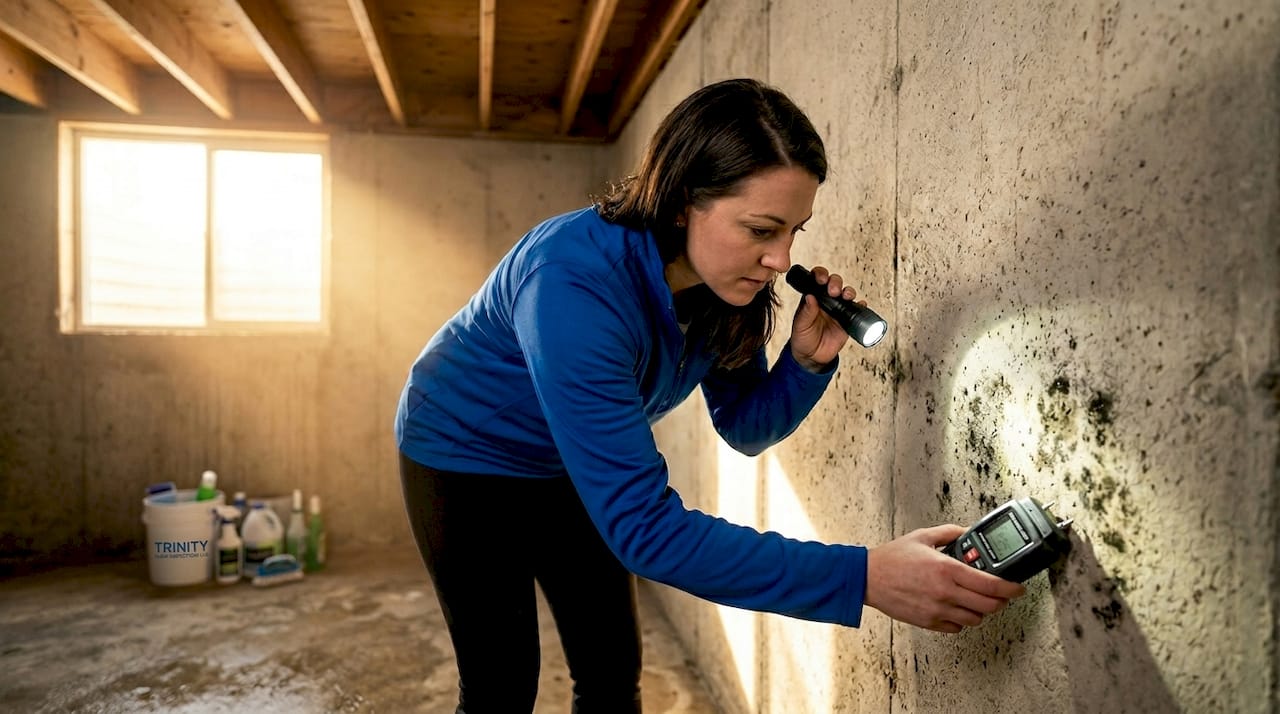
Black mold is a greenish-black fungus, formally known as Stachybotrys chartarum, with a slimy or powdery texture that thrives on moisture-damaged materials and produces a distinctive musty odor. Knowing how do you identify black mold accurately is one of the most practical safety skills a homeowner or renter can develop. The Gulf Coast climate in Alabama, with its high humidity and frequent rain, creates conditions where mold grows faster than most people expect. This guide walks you through the visual clues, detection methods, testing options, and prevention strategies you need to make a confident, informed decision about your home.
How do you identify black mold by sight and smell?
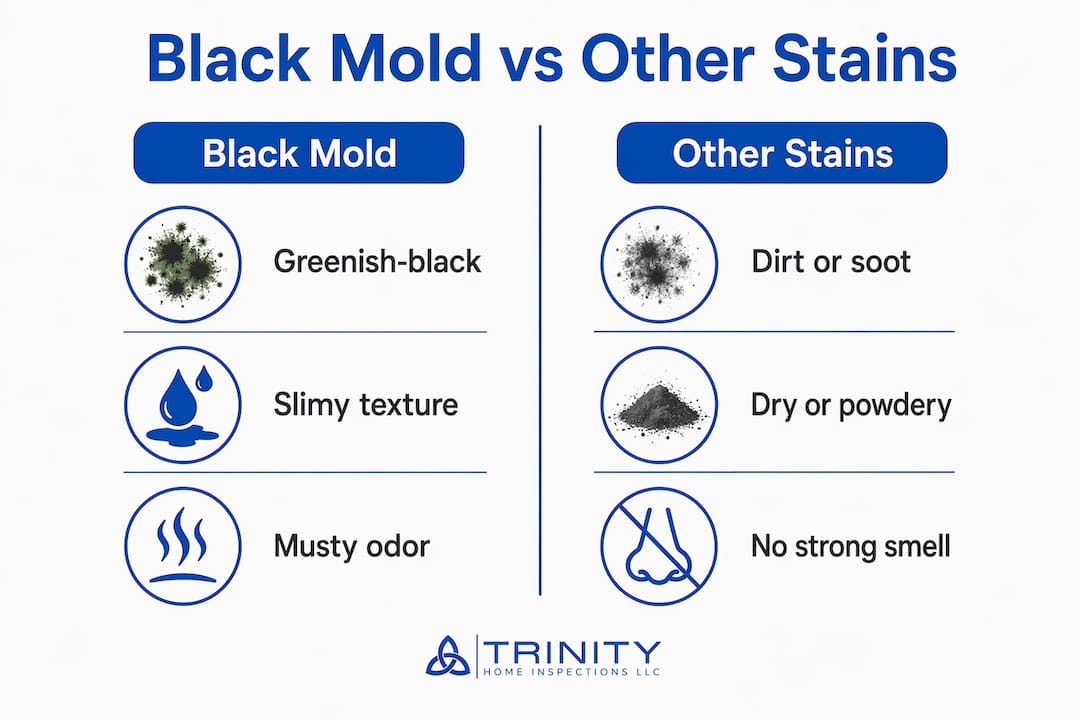
Stachybotrys chartarum is the scientific name for what most people call black mold, but the term “black mold” is actually a colloquial label, not a precise species classification. Visual appearance alone cannot safely determine mold species or toxicity, since many harmless molds share the same dark coloring. That distinction matters because it shapes how seriously you take the next steps.
Visually, black mold ranges from dark green and dark brown to bluish-black and jet black. When it is actively growing in a wet environment, the surface looks slimy or wet. When moisture has dried out and the colony is dormant, the texture shifts to a powdery, grayish appearance. Growth typically starts as a small circular patch and spreads outward in irregular clusters from a central point. You will often find it on drywall, wood framing, ceiling tiles, and paper-backed insulation because these cellulose-rich materials are its preferred food source.
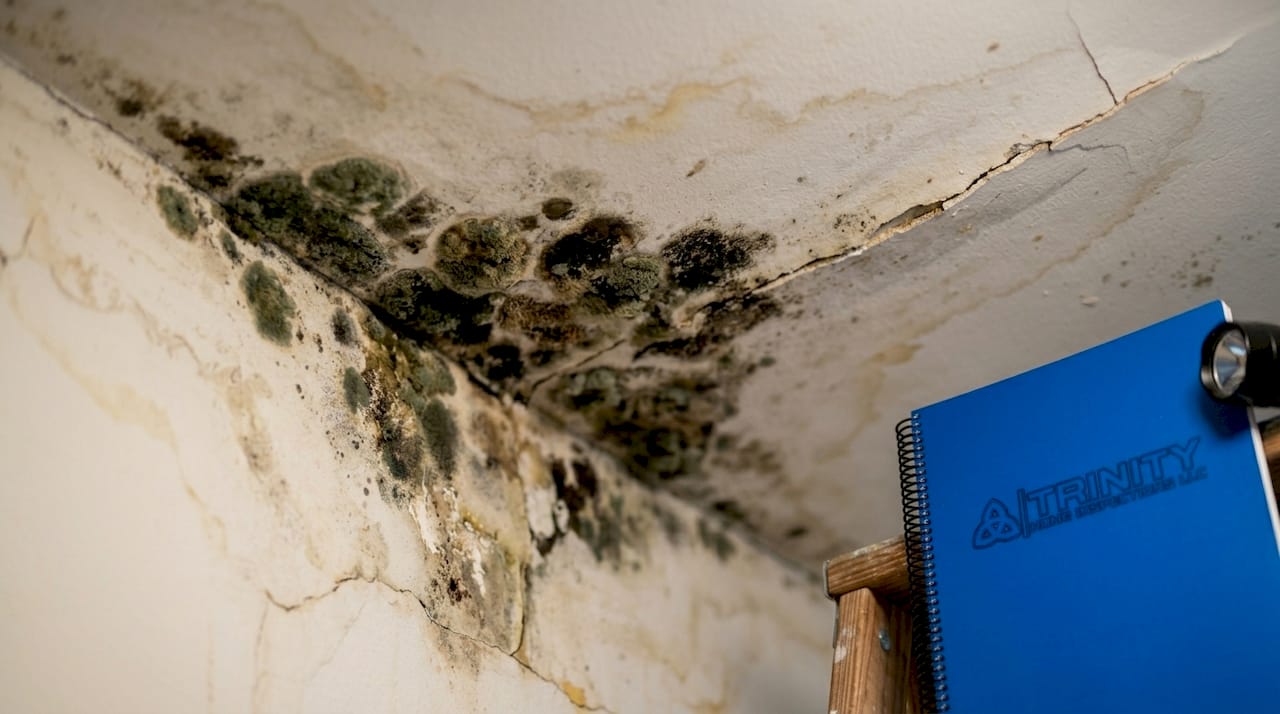
Smell is just as telling as sight. A strong musty odor often precedes visible mold growth, serving as an early warning of hidden colonies. This smell comes from microbial volatile organic compounds, or mVOCs, released during active growth. If a room smells like damp earth or old books even after cleaning, treat that odor as a serious clue worth investigating further.
How black mold compares to other common molds and stains
Telling black mold apart from mildew, dirt, soot, or other mold species is where most homeowners get tripped up. The table below gives you a clear comparison.
Substance | Color | Texture | Location | Odor |
Black mold (Stachybotrys) | Greenish-black to jet black | Slimy when wet, powdery when dry | Drywall, wood, paper, ceiling tiles | Strong musty, earthy |
Mildew | White, gray, or light yellow | Flat, powdery | Bathroom tile grout, window sills | Mild musty |
Cladosporium | Olive green, brown, or black | Suede-like, powdery | Fabrics, HVAC ducts, painted surfaces | Faint musty |
Soot or dirt | Dark gray to black | Dry, smears when wiped | Near vents, baseboards, ceilings | No odor or smoky |
Aspergillus | Green, yellow, or black | Powdery or velvety | Food, walls, insulation | Musty or none |
Pro Tip: Wipe the suspect area with a damp white cloth. Dirt and soot smear and transfer easily. Mold typically does not wipe away cleanly and may leave a stain or return within days.
Where and how to find black mold in your home
Black mold grows wherever moisture collects and lingers. Knowing the most common locations saves you time and helps you inspect with purpose rather than guessing.
The highest-risk areas in most homes include:
Bathrooms: Around the tub surround, under the sink cabinet, behind the toilet, and on the ceiling above the shower
Basements and crawl spaces: Along the base of walls, on floor joists, and near sump pump areas
Kitchens: Under the sink, behind the refrigerator, and around the dishwasher connection
Laundry rooms: Behind the washing machine and around the dryer vent connection
Window frames: Along the bottom sill where condensation collects
Attics: Near roof penetrations, ridge vents, and around HVAC equipment
Behind drywall: Especially near plumbing walls, exterior walls, and anywhere a past leak occurred
Signs of water damage are your best guide to where mold may be hiding. Look for yellow or brown staining on ceilings and walls, paint that is bubbling or peeling without an obvious cause, warped baseboards or flooring, and visible condensation on pipes or windows. These are not just cosmetic issues. They point to sustained moisture that creates the conditions mold needs to germinate within 24 to 48 hours.
Hidden mold is the trickiest part of black mold in home identification. Mold inside walls can cause health concerns long before it becomes visible, and professional moisture detection equipment is required to locate it reliably. Thermal imaging cameras detect temperature differences behind walls and floors that indicate trapped moisture. Moisture meters confirm whether a surface reading is elevated enough to support growth. At Trinity Home Inspections, thermal imaging is included at no extra charge with every inspection, which means you get that layer of detection without paying a premium for it.
Pro Tip: If you notice a persistent musty smell in one room but see no visible mold, run a moisture meter along the base of the walls. A reading above 16% on wood or 1.5% on drywall is a red flag worth investigating further.
Do not disturb suspected mold before you know what you are dealing with. Scrubbing or cutting into a moldy surface without proper containment releases spores into the air and can spread the problem to other rooms. Wear an N95 respirator, gloves, and eye protection if you need to get close for a visual inspection.
How to confirm black mold: testing options explained
Seeing something dark and fuzzy on your wall does not confirm you have Stachybotrys chartarum. Accurate black mold identification requires laboratory analysis, not just a visual check. Here is how the main testing methods compare.
Testing Method | Accuracy | Cost Range | Best Use |
DIY settle-plate kit | Low | $10 to $50 | Not recommended for species ID |
Tape-lift surface sample (lab) | High | $100 to $300 | Confirming species on visible growth |
ERMI/HERTSMI-2 dust analysis | High | $200 to $400 | Whole-home mold burden assessment |
Air sampling | Moderate | $150 to $350 | General air quality screening |
Mycotoxin body panel | Varies | Approximately $700 | Assessing personal exposure history |
DIY mold test kits frequently produce unreliable results. Settle-plate tests, where you leave a petri dish open in a room, have high false-negative rates because they rely on spores landing by chance. Tape-lift surface samples sent to a certified laboratory offer definitive species identification and are the industry standard for confirming what you are looking at.
Air sampling is often unreliable for detecting localized molds like Stachybotrys because its heavy spores settle quickly and may not be airborne at the time of testing. Surface-based lab analysis is more accurate for confirming specific mold species. The EPA-developed ERMI (Environmental Relative Moldiness Index) and the HERTSMI-2 panel use settled dust samples to assess the overall mold burden in a home, which gives a broader picture than a single surface swab.
When should you call a professional rather than testing yourself? The guidelines are clear on a few situations:
Visible mold covering more than 10 square feet requires professional remediation, not DIY cleanup
Any suspicion of mold inside walls, under flooring, or in HVAC systems warrants professional moisture mapping before sampling
If anyone in the home is experiencing unexplained respiratory symptoms, headaches, or fatigue, professional testing combined with a physician consultation is the right path
Real estate transactions benefit from professional mold testing services to protect both buyers and sellers from post-closing surprises
The most reliable identification combines thermal imaging to map hidden moisture with laboratory analysis of surface samples. One without the other leaves gaps. Thermal imaging tells you where moisture is hiding. Lab analysis tells you what is growing there.
How to prevent black mold from growing in your home
Cleaning mold without fixing the moisture problem that caused it is a temporary fix at best. Sustained moisture control is the only strategy that prevents regrowth. Here is what that looks like in practice.
Keep indoor humidity below 60%. Use a digital hygrometer, available at most hardware stores for under $20, to monitor levels in bathrooms, basements, and laundry rooms. Aim for 30% to 50% for optimal comfort and mold prevention.
Fix leaks within 24 to 48 hours. Mold spores germinate fast. A slow drip under the kitchen sink or a pinhole leak in a supply line is enough to start a colony if left unaddressed for more than two days.
Run exhaust fans during and after showers. A bathroom exhaust fan should run for at least 20 minutes after a shower ends. If your fan does not vent to the outside, it is recirculating humid air and doing little to help. Learn more about bathroom ventilation strategies that actually work.
Improve drainage around your foundation. Grading soil away from the home, cleaning gutters regularly, and extending downspouts at least six feet from the foundation keeps groundwater from migrating into your crawl space or basement.
Inspect your roof and attic annually. Roof penetrations, damaged flashing, and inadequate attic ventilation are common entry points for moisture. Shingle roof mold risks are well-documented in Gulf Coast climates where heat and humidity combine to accelerate growth.
Schedule a professional moisture inspection every few years. A trained inspector with thermal imaging and moisture meters can find problems you cannot see, before they become expensive remediation projects.
Pro Tip: Place a dehumidifier in your basement or crawl space and set it to maintain 50% relative humidity. Empty or drain it regularly. A dehumidifier that overflows defeats its own purpose.
Safe cleaning for small, confirmed surface mold (under 10 square feet on non-porous surfaces) involves a solution of one cup of bleach per gallon of water, applied with a brush and rinsed thoroughly. Never mix bleach with ammonia-based cleaners. For porous materials like drywall or wood with visible mold penetration, removal and replacement is more reliable than surface cleaning. When in doubt about the scope, read the Alabama homeowner guide on safely removing mold inside walls before you start cutting.
Key takeaways
Accurate black mold identification requires combining visual inspection, odor detection, moisture measurement, and laboratory surface sampling because no single method alone is reliable enough to confirm Stachybotrys chartarum.
Point | Details |
Visual ID is a starting point | Black mold appears greenish-black, slimy or powdery, but color alone cannot confirm the species. |
Odor signals hidden growth | A persistent musty smell often means mold is growing inside walls or under floors before it is visible. |
Surface sampling beats air tests | Tape-lift lab samples are more accurate than DIY kits or air sampling for confirming black mold species. |
Moisture control prevents regrowth | Fixing leaks and keeping humidity below 60% is the only strategy that stops mold from returning. |
Call a professional at 10 sq ft | Mold covering more than 10 square feet, or any hidden mold suspicion, requires professional assessment. |
What I’ve learned after inspecting hundreds of Gulf Coast homes
I want to be honest with you about something most articles skip over. The majority of calls I get about “black mold” turn out to be something else entirely. Mildew on grout, Cladosporium on a window sill, or plain old dirt near an HVAC vent. That is not me dismissing the concern. It is me telling you that homeowners often mistake harmless dark molds or dirt for toxic black mold, which creates unnecessary panic. And the flip side is just as real: I have walked into homes where the owners had no idea they had a serious moisture problem because the mold was entirely hidden inside a wall cavity and the only clue was a faint smell in one corner of the bedroom.
The color of mold tells you very little on its own. I have seen bright green mold that tested as Stachybotrys and jet-black growth that turned out to be Cladosporium, which is far less concerning. What I trust is the combination of a moisture meter reading, a thermal scan, and a lab result. That combination does not lie.
My practical advice: do not panic at a dark spot, and do not ignore a persistent smell. Both deserve a calm, methodical look. Get a moisture reading. Check the obvious sources first. If you cannot explain the moisture source, that is when you call someone with the right tools. Guessing in either direction, either assuming the worst or hoping it goes away, costs you more in the long run than a professional assessment ever will.
— Matt
Get a professional mold inspection for your Gulf Coast home
[

If you have spotted signs of mold or detected a persistent musty odor in your home, Trinity Home Inspections provides professional mold inspections and lab-coordinated testing across Mobile, Baldwin, Escambia, and surrounding Gulf Coast Alabama counties. Every inspection includes free thermal imaging to locate hidden moisture, and add-on mold swab testing with certified lab reports and chain of custody documentation is available when you need it. You get a same-day report with clear findings, not vague guesses. Whether you are buying, selling, or simply want peace of mind in your current home, our mold inspection services give you the facts you need to act with confidence.
Call us at 251-210-7376 or visit TrinityInspectionsLLC.com to schedule your inspection today.
FAQ
What does black mold look like on a wall?
Black mold on a wall typically appears as greenish-black or dark brown irregular patches with a slimy texture when wet and a powdery gray appearance when dry. It grows outward from a central point in circular clusters, most often on drywall, wood, or painted surfaces near a moisture source.
Can you have black mold without seeing it?
Yes. Hidden mold grows inside walls or HVAC systems long before it becomes visible, and a persistent musty odor is often the only early warning sign. Thermal imaging and moisture meters are the most reliable tools for locating growth you cannot see.
How do I know if it’s mold or just dirt?
Wipe the area with a damp white cloth. Dirt and soot transfer to the cloth and do not return. Mold resists wiping, may leave a stain, and typically reappears within days if the moisture source is not addressed.
Is a DIY mold test kit accurate enough?
DIY settle-plate kits have high false-negative rates and cannot reliably identify mold species. Tape-lift surface samples sent to a certified laboratory are the industry standard for accurate black mold identification.
When should I call a professional for mold?
Call a professional when visible mold covers more than 10 square feet, when you suspect mold inside walls or under flooring, or when occupants are experiencing unexplained health symptoms. A certified inspector with thermal imaging and moisture meters can locate and assess problems that visual inspection alone will miss.
Recommended