
How to Clean a Porcelain Sink: 40% Longer Life Guide

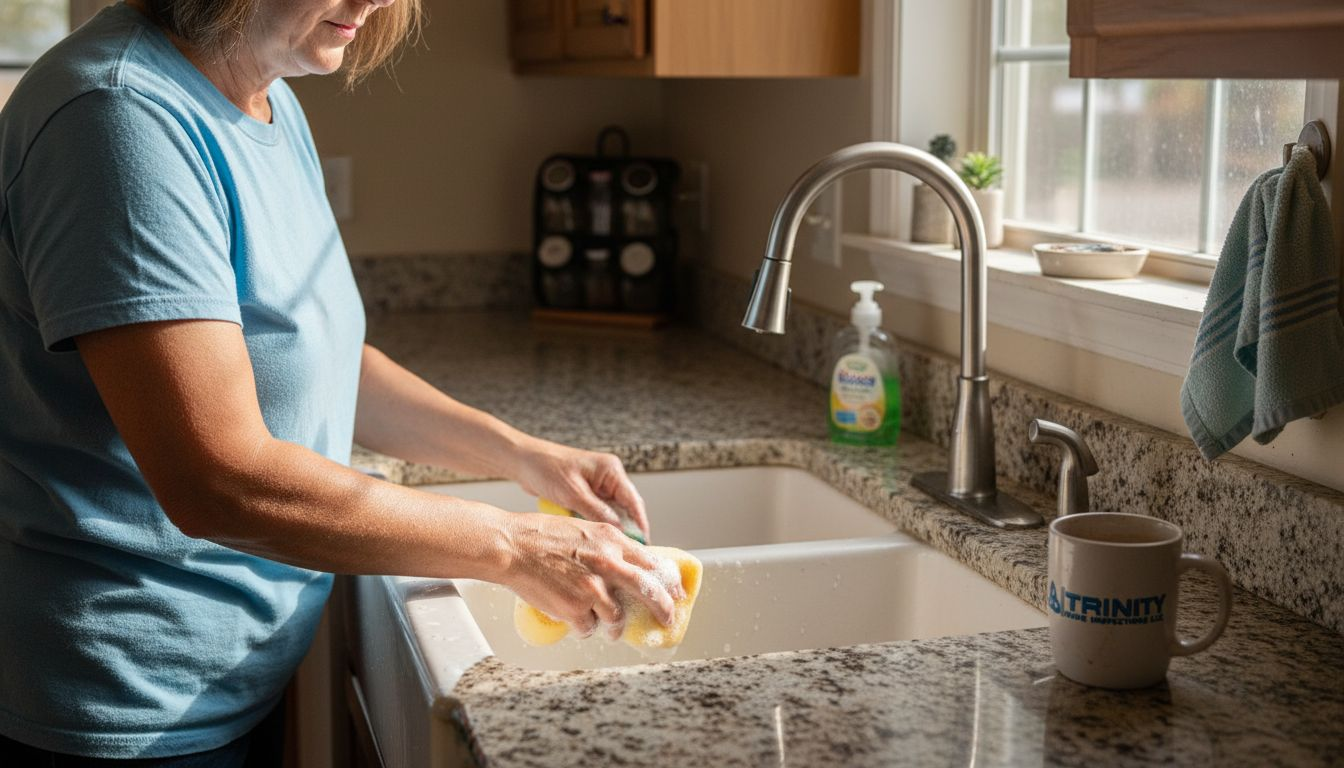
Your porcelain sink faces constant assault from hard water and rust common in Gulf Coast Alabama, leaving stubborn stains that dull its shine. Proper cleaning preserves appearance, hygiene, and home value. This guide details safe, effective techniques to clean and maintain porcelain sinks, protecting your investment and keeping your home beautiful.
Key Takeaways
Point | Details |
Use gentle cleaners | Mild soap and soft sponges prevent damage to porcelain glaze |
Natural solutions work | Baking soda and vinegar remove stains without scratching surfaces |
Bleach caution required | Diluted bleach is safe only for white porcelain sinks |
Regular maintenance essential | Daily drying and weekly disinfection prevent buildup and mold |
Avoid harsh abrasives | Never use steel wool or undiluted chemicals on porcelain |
Introduction to Porcelain Sink Cleaning in Gulf Coast Alabama
Porcelain sinks are valued for elegance and durability but remain vulnerable to local water conditions. Hard water leads to calcium and mineral buildup that dulls the surface, while rust stains appear frequently due to iron in water and aging plumbing. Improper cleaning can worsen damage, scratching the protective glaze and allowing stains to penetrate deeper.
Maintaining these sinks protects home hygiene and boosts resale appeal. Gulf Coast Alabama homeowners face unique water quality challenges that make tailored cleaning methods necessary.
Common issues include:
White mineral deposits from hard water around faucets and drains
Orange or brown rust stains from iron content in local water
Dull finish from repeated exposure to harsh cleaning chemicals
Scratches from abrasive scrubbers that trap dirt and bacteria
Discoloration from improper use of bleach on colored porcelain
Prerequisites and Tools Needed
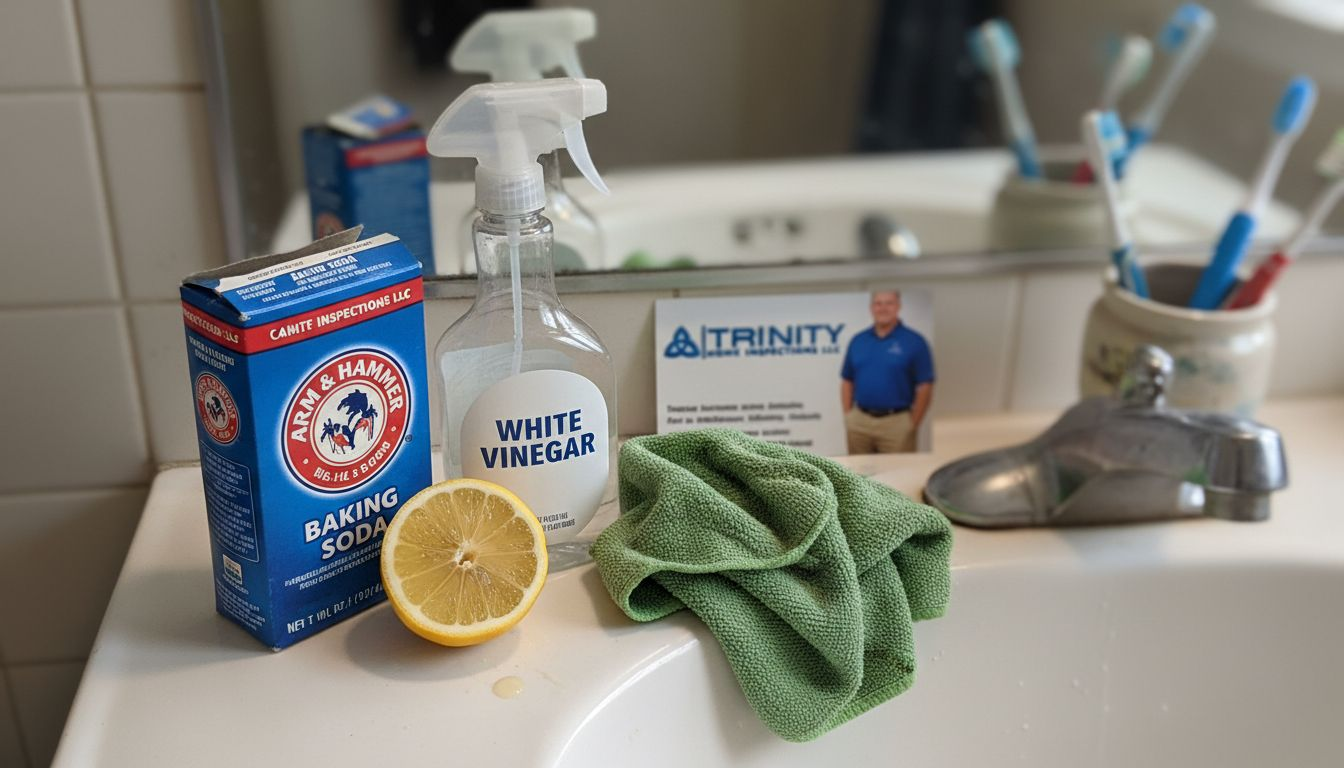
Gather mild dish soap, baking soda, white vinegar, hydrogen peroxide, fresh lemon, and salt. Use soft sponges and microfiber cloths to avoid scratches. Wear gloves and ensure good ventilation when handling cleaning agents.
Avoid abrasive materials like steel wool and harsh chemical cleaners. Prepare your workspace to protect surrounding surfaces.
Essential supplies:
Mild liquid dish soap for daily cleaning
Baking soda for gentle abrasive action
White vinegar for mineral deposit removal
Hydrogen peroxide for whitening stubborn stains
Fresh lemon and salt for natural bleaching
Soft sponges and microfiber cloths
Rubber gloves for hand protection
Spray bottle for vinegar solution
Pro Tip: Keep a dedicated cleaning caddy for your porcelain sink supplies. Store it under the sink for quick access, making regular maintenance easier and more consistent. Following related home maintenance preparation tips helps establish effective cleaning routines.
Step 1: Basic Cleaning Preparation
Use warm water and mild dish soap applied with a soft sponge to gently clean all sink surfaces. Rinse thoroughly with clean water to remove soap residue. Dry the sink fully with a soft dish towel or microfiber cloth to prevent water spots.
Inspect the sink surface carefully to locate stains and scuff marks for targeted treatment. Avoid abrasive scrubbing tools that can scratch the glaze during this preparation step.
Follow this sequence:
Run warm water over the entire sink to soften debris and food particles
Apply a few drops of mild dish soap to a damp soft sponge
Gently wipe all surfaces using circular motions, including the drain area
Rinse completely with clean warm water until no soap remains
Dry thoroughly with a clean microfiber cloth to reveal any remaining stains
Pro Tip: Always dry your sink after this initial cleaning. Water left sitting creates new mineral deposits, especially in Gulf Coast Alabama where hard water is common. This simple habit dramatically reduces staining. Understanding how basic cleaning routines affect home inspections helps maintain property value.
Step 2: Using Mild Abrasive and Natural Cleaners
Make a paste of baking soda and water; gently scrub stains in circular motions and rinse well. Spray diluted white vinegar (equal parts vinegar and water) on mineral deposits; let sit 5 minutes, then wipe clean. Use a lemon half dipped in salt to rub tough stains gently, then rinse thoroughly.
This step balances effective stain removal with porcelain surface protection. Apply these methods as needed based on observed sink condition.
Application steps:
Mix 3 tablespoons baking soda with 1 tablespoon water to form a thick paste
Apply paste directly to stained areas using your fingers or soft cloth
Gently scrub in small circular motions for 30 seconds per area
Spray vinegar solution on mineral deposits and wait 5 minutes
Wipe clean with damp cloth and rinse entire sink thoroughly
For stubborn spots, rub with lemon dipped in salt, then rinse immediately
Cleaner | Best For | Contact Time | Rinse Required |
Baking soda paste | General stains, scuff marks | 30 seconds scrubbing | Yes, thoroughly |
Vinegar solution | Mineral deposits, hard water | 5 minutes sitting | Yes, with warm water |
Lemon and salt | Tough stains, rust spots | 1 minute rubbing | Yes, immediately |
Pro Tip: Mix your vinegar solution in a labeled spray bottle for easy weekly use. The acetic acid in vinegar breaks down mineral buildup before it becomes permanent. Learn more about natural cleaning methods in Alabama homes to maintain your entire property safely.
Step 3: Targeted Stain Treatment
Prepare a paste of hydrogen peroxide and baking soda, apply to tough stains and let sit for 15 minutes before gentle scrubbing. Use diluted bleach solution only on white porcelain sinks and rinse thoroughly immediately after treatment. Never use bleach on colored or vintage sinks to avoid irreversible damage.
Avoid abrasive scrubbing to maintain porcelain glaze integrity. Always wear gloves and ensure ventilation when using peroxide or bleach.
For persistent stains:
Mix equal parts hydrogen peroxide and baking soda to form a spreadable paste
Apply a thick layer directly to discolored areas
Let the paste sit undisturbed for 15 minutes to penetrate stains
Gently scrub with a soft sponge in circular motions
Rinse multiple times with warm water to remove all residue
For white sinks only, apply 1 part bleach to 10 parts water, wait 5 minutes, rinse immediately
Applying targeted stain detection for effective cleaning techniques helps identify problem areas before they become permanent damage.
Step 4: Maintenance and Disinfection
Disinfect the sink weekly using natural agents such as tea tree oil based cleaners to inhibit mold and bacteria growth. Always rinse the sink thoroughly after disinfecting to remove residues. Wipe the sink dry after every cleaning to minimize mineral deposits and staining from hard water.
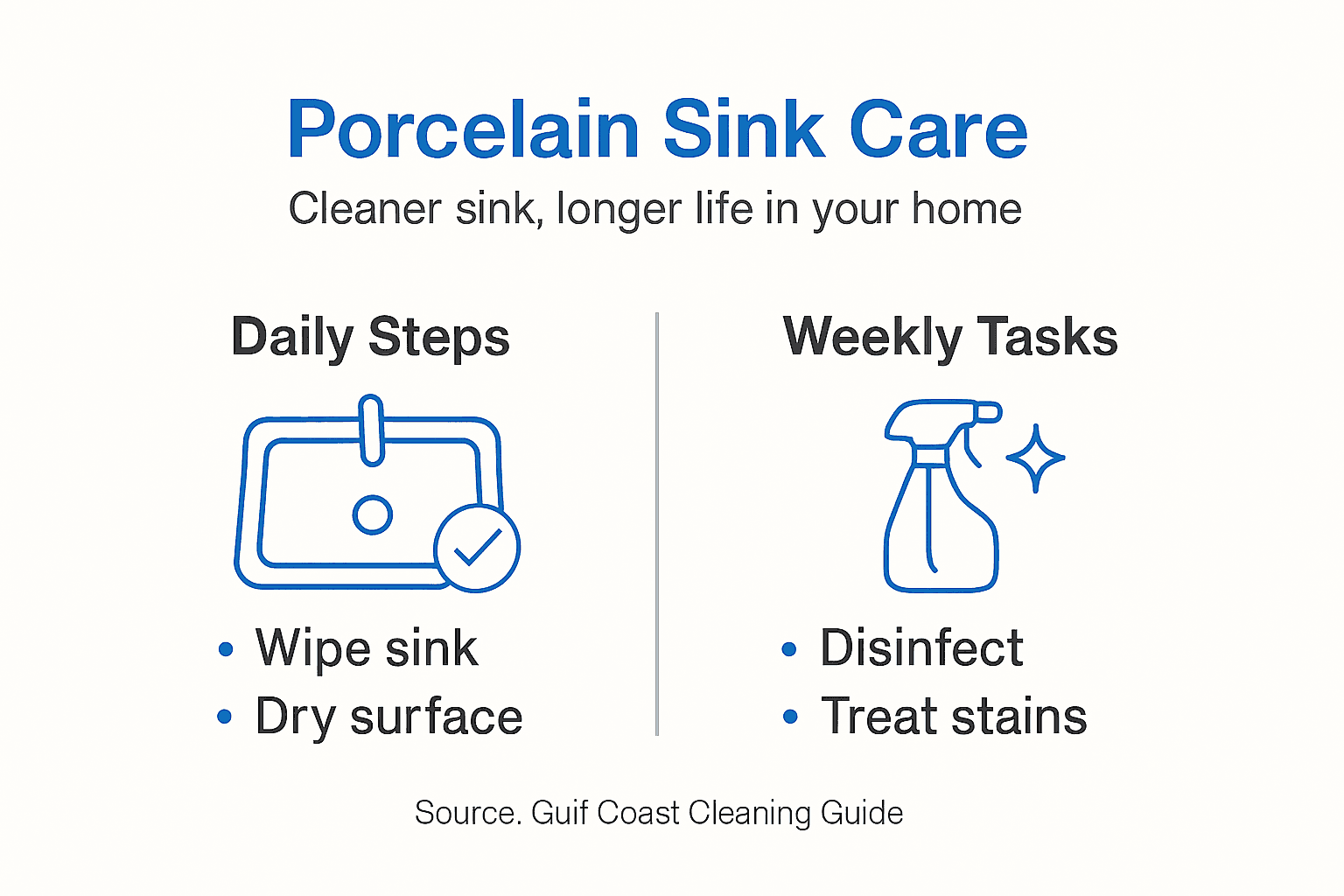
Keep the drain stopper open to allow air circulation and reduce moisture accumulation. Consistent maintenance extends the lifespan and appearance of your porcelain sink.
Establish these habits:
Apply natural disinfectant spray weekly after basic cleaning
Rinse thoroughly with warm water after disinfection
Wipe dry immediately with clean microfiber cloth
Leave drain stopper open between uses for air flow
Perform quick daily wipe downs after heavy kitchen or bathroom use
Follow ongoing home maintenance strategies and weekly home maintenance habits for complete property care. Access expert home inspection insights to understand how maintenance affects home value.
Common Mistakes and How to Avoid Them
Never use steel wool or harsh abrasive scrubbers that scratch and erode porcelain glaze. Avoid undiluted bleach and restrict bleach use to diluted only on white sinks. Always rinse thoroughly after cleaning to prevent residue buildup.
Dry the sink after each cleaning to avoid water spots and mineral deposits. Regularly review cleaning methods to avoid practices that shorten sink life.
Avoid these errors:
Using steel wool, scouring pads, or abrasive powder cleaners
Applying undiluted bleach or leaving bleach on colored porcelain
Skipping the rinse step, which leaves chemical residue
Allowing water to air dry, creating mineral deposits
Mixing bleach with vinegar or ammonia, creating toxic fumes
“Use of harsh abrasives like steel wool and improper bleach use cause scratches and erosion, reducing sink lifespan by up to 40%.”
Not rinsing residue properly and skipping drying leads to dullness, water spots and surface damage over time.
Expected Results and Success Metrics
Sink surface appears free of visible stains and discoloration after cleaning. Porcelain finish shows noticeable shine without scratches or dull patches. Regular care prevents recurring mineral deposits and rust stains.
Sink remains hygienic, without mold or bacteria growth. Consistent upkeep improves overall home appeal and value.
Measure success by:
Complete removal of visible stains and discoloration
Bright, reflective shine across entire sink surface
Smooth finish without scratches or rough patches
No mineral deposits around faucets or drain
Fresh appearance that enhances kitchen or bathroom aesthetics
Success Indicator | What to Look For | Timeline |
Stain removal | No visible discoloration | Immediately after cleaning |
Surface shine | Reflective, glossy finish | Immediately after drying |
Mineral prevention | No white buildup | Ongoing with weekly care |
Hygiene maintenance | No mold or odors | Ongoing with weekly disinfection |
Longevity | No glaze erosion or scratches | Long term with proper technique |
Get Expert Home Inspection and Maintenance Support
Maintaining your porcelain sink is just one piece of effective home care. Professional home inspections help identify maintenance needs including plumbing conditions that affect your sink’s performance. Trinity Inspections offers comprehensive home inspections with detailed reports aiding buyers and homeowners in Gulf Coast Alabama.

Our same day reports include high resolution photos and videos showing exactly what needs attention in your home. Understanding the inspection role in real estate sales helps protect your investment, while our property and permit search services provide complete property histories. Access expert guidance to protect and maintain your home’s value with confidence.
How to Clean a Porcelain Sink: FAQs
Can I use bleach on colored or vintage porcelain sinks?
No, bleach should never be used on colored or vintage porcelain as it damages the finish. Bleach is safe only when diluted and restricted to white porcelain sinks. Use alternative natural cleaners like baking soda, vinegar, or hydrogen peroxide on colored or vintage sinks to protect the decorative glaze.
How often should I deep clean and disinfect my porcelain sink?
Perform basic cleaning daily or after heavy use to prevent buildup. Weekly disinfection with natural agents helps maintain hygiene and prevent buildup. Deep clean with baking soda paste and vinegar solution once weekly, increasing frequency if you notice stains developing faster due to local water conditions.
What should I avoid to prevent scratches and damage?
Never use steel wool or abrasive scrubbers. Avoid undiluted bleach on colored porcelain. Always rinse and dry your sink after cleaning. Skip powder cleansers with grit, scouring pads, and harsh chemicals like oven cleaner that strip the protective glaze.
How can I tell if my cleaning was successful?
Your sink should be free from visible stains and have a bright shine. There should be no dull patches or mineral deposits left after cleaning. Run your hand across the surface; it should feel completely smooth without rough spots. The finish should reflect light evenly across all areas.
What if stains keep coming back despite regular cleaning?
Recurring stains often indicate hard water issues requiring water softener installation or more frequent maintenance. Persistent rust stains may signal plumbing problems needing professional attention. Consider having your water tested and plumbing inspected to address the root cause rather than just treating symptoms.
Recommended
Home Inspectors Blog, How To’s, Learn How Maintenance | Trinity Home Inspections LLC
Essential DIY Gutter Cleaning Maintenance: A Guide for Homeowners
7 Key Advantages Of Professional Drain Cleaning - Legacy Plumbing & Drain - Emergency Plumbers Of Sacramento