
How to Prepare Your Home for a 4 Point Inspection in Alabama


Preparing your home for a 4 point inspection in Alabama means making the roof, electrical, plumbing, and HVAC systems accessible, safe, and well-documented before the inspector arrives. Insurance companies across Alabama, including those serving Baldwin County, Mobile County, and the Gulf Coast region, require this inspection before issuing or renewing homeowners insurance policies on older properties. The good news is that most preparation steps cost little to nothing. With the right 4 point inspection checklist and a few hours of focused effort, you can walk into inspection day with confidence rather than anxiety.
How to prepare your home for a 4 point inspection in Alabama
A 4 point inspection, formally called a four-point insurance inspection, evaluates four specific systems: the roof, electrical panel and wiring, plumbing pipes and fixtures, and the HVAC system. Insurers use the results to assess risk before writing or renewing a policy. This is not a full home inspection. It is a targeted snapshot of the systems most likely to cause costly claims. Understanding that distinction shapes how you prepare.
The four-point inspection process is visual and non-invasive. The inspector does not open walls or dig into foundations. What matters most is that every system is visible, accessible, and in reasonable working condition. According to Redfin, unobstructed access to HVAC, electrical panels, attic, and crawlspace is the single biggest factor in inspection quality. That means your best preparation win costs nothing except a little time clearing the way.
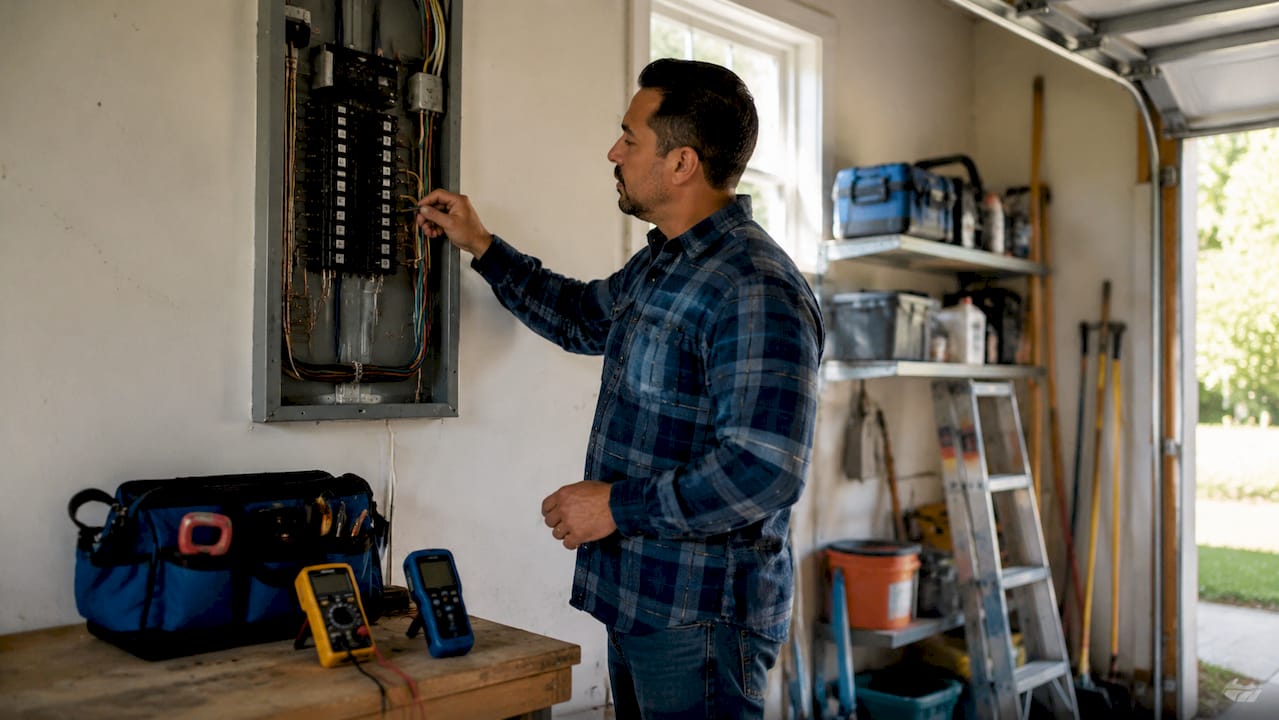
Insurers in Alabama also use the inspection to determine whether your home meets minimum underwriting standards. A roof near the end of its life, outdated wiring, or active leaks can result in a policy denial or a requirement to remediate before coverage begins. Knowing what inspectors look for in each system lets you address issues before they become surprises on the report.
What systems does a 4 point inspection cover?
Each of the four systems carries specific evaluation criteria. Here is what inspectors assess and why it matters for your insurance outcome.
Roof: Inspectors evaluate the roof type, age, and condition, including visible damage like missing shingles, sagging decking, or active leaks. Most insurers want to see at least 3 to 5 years of remaining useful life. Roofs with less than that may require documentation of recent repairs or a full replacement before coverage is approved.
Electrical: Inspectors look for the wiring type, panel brand, and condition. Outdated wiring types like knob-and-tube or aluminum branch circuit wiring, along with unsafe panels, are common reasons homes fail or are flagged for insurer review. Double-tapped breakers and burned wiring are red flags that can delay or deny coverage.
Plumbing: The inspector checks pipe materials, visible leaks, water heater age, and general condition. Polybutylene pipes, which were common in homes built between the 1970s and 1990s, are frequently flagged by insurers. Active drips under sinks or at supply lines will appear in the report.
HVAC: The heating and cooling system is evaluated for age, visible condition, and basic operation. An HVAC unit that is non-functional, heavily corroded, or well past its expected service life raises underwriting concerns. Inspectors also note whether filters are in place and whether the system shows signs of deferred maintenance.
Understanding these four areas gives you a clear map for preparation. Each system has specific things that can be addressed before the inspector arrives, and most of them are straightforward.
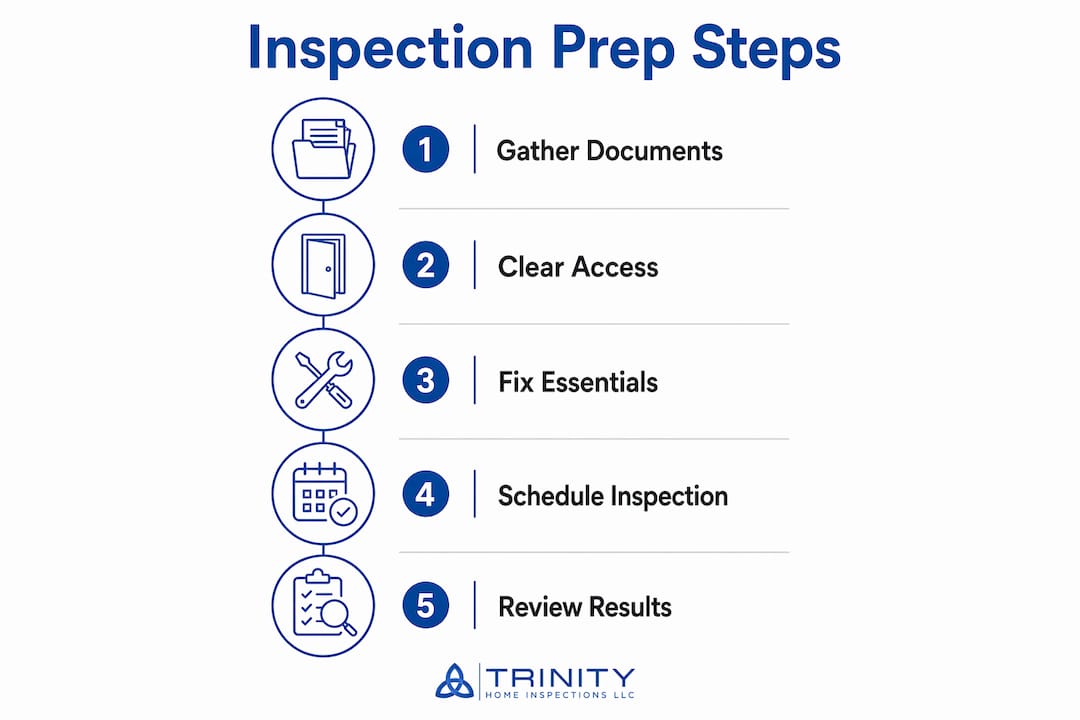
How to physically prepare your home before the inspector arrives
Logistics matter as much as condition. An inspector who cannot reach the electrical panel or access the attic cannot complete the report accurately, and that creates delays. Follow these steps to make inspection day run smoothly.
Clear the electrical panel. Remove boxes, stored items, and anything blocking the panel door. The inspector needs to open it, photograph it, and evaluate the wiring inside. A panel buried behind storage is one of the most common causes of incomplete reports.
Open up the attic and crawlspace. Pull back any stored items blocking the hatch or entry point. If the attic access is in a closet, clear the closet floor so the inspector can set up a ladder safely.
Free up the HVAC unit. Move furniture, boxes, or debris away from both the indoor air handler and the outdoor condenser. The inspector needs to see all sides of the equipment and check the filter, coils, and visible connections.
Check under sinks and around the water heater. Remove cleaning supplies or stored items so the inspector can see the supply lines, drain connections, and the base of the water heater without obstruction.
Unlock all access points. Gates, utility closets, garage doors, and crawlspace covers should all be unlocked and ready. If a gate or door requires a code or key, leave it with a note or be present to assist.
Turn on all utilities. Water, electricity, and gas must be active on inspection day. An inspector cannot evaluate a system that has no power or water supply. This is one of the most common preparation oversights that causes failed or incomplete inspections.
Secure pets. Dogs and cats can slow down an inspection or create safety concerns, especially in tight spaces like attics or crawlspaces. Crate pets or arrange for them to be off-site on inspection day.
Pro Tip: Gather remote controls, access codes, and owner’s manuals for your HVAC, garage door, and any specialty equipment the night before. Handing these to the inspector at the start saves time and shows you are organized and prepared.
What small fixes improve your 4 point inspection outcome?
Quick, low-cost maintenance tasks can prevent common red flags from appearing in your report. Zillow and Redfin both recommend these basic maintenance tasks as standard seller prep, and they apply equally well to any homeowner preparing for an insurance inspection.
Replace burned-out and dim light bulbs. Inspectors test light fixtures as part of the electrical evaluation. A dead bulb in a fixture can be mistaken for a wiring issue and will appear in the report. Swap them all out before the appointment.
Test smoke and carbon monoxide detectors. Press the test button on every detector in the home. Replace batteries in any unit that does not respond. Working detectors signal to the inspector and the insurer that the home is maintained and safe.
Fix leaky faucets and dripping pipes. Active drips under kitchen and bathroom sinks, at supply lines, or around the water heater will be noted in the plumbing section. Most minor leaks can be fixed with a wrench and a replacement washer or supply line, which costs under $10 at any hardware store.
Clean gutters and trim overhanging branches. Gutters packed with debris hold moisture against the fascia and can indicate roof drainage problems. Branches touching or overhanging the roof are a liability concern for insurers. Both are quick fixes that improve the visual condition of the exterior.
Check GFCI outlets in kitchens, bathrooms, and garages. Press the test and reset buttons on each GFCI outlet to confirm they function correctly. Non-functional GFCI protection in wet areas is a safety flag that shows up in electrical reports.
Seal visible gaps around pipes and exterior penetrations. Open gaps where plumbing or electrical lines enter the home can allow moisture intrusion and pest access. A tube of caulk addresses most of these in minutes.
Pro Tip: Swap the HVAC filter before the inspector arrives and set the thermostat to a temperature that requires the system to run. This lets the inspector confirm the unit operates, which is a required part of the HVAC evaluation. A clean filter also signals regular maintenance.
How to organize documentation that supports your inspection
Documentation is your best tool for preventing delays and follow-up inspections. Gathering repair receipts, warranties, and photos ahead of time gives the inspector and the insurer a clear picture of your home’s maintenance history. This is especially useful when a system is older but has been recently serviced or partially replaced.
Here is what to pull together before inspection day:
Roof repair or replacement records. If you had the roof replaced or repaired in the last 10 years, find the contractor invoice and any warranty paperwork. Insurers want to know the installation date and material type. A receipt with a date can add years of perceived remaining life to a roof that might otherwise raise questions.
HVAC service records. Annual maintenance receipts from an HVAC technician show the system has been cared for. If the unit is older but was recently serviced or had a major component replaced, that documentation supports a favorable report.
Plumbing updates. If you replaced polybutylene pipes, updated the water heater, or had a plumber address supply line issues, document it. Pipe replacement is a significant upgrade that insurers view positively.
Electrical panel upgrades. If you replaced a Federal Pacific or Zinsco panel, or had an electrician update the wiring, gather those permits and invoices. Panel upgrades are among the most impactful improvements for insurance eligibility.
Photos of recent improvements. Before-and-after photos of any repair work add credibility to your documentation package. They show the condition before and confirm the work was completed.
Organized documentation can prevent a follow-up inspection entirely. When an insurer sees a complete paper trail, they have less reason to request additional verification. This saves you time and keeps your policy timeline on track. The property permit search tool available through Trinity Home Inspections can also help you pull permit records for past work completed on your property.
Common mistakes Alabama homeowners make before a 4 point inspection
Most inspection problems are preventable. These are the mistakes that show up most often and how to avoid each one.
Blocking access to major systems. Stored items in front of the electrical panel, HVAC unit, or water heater are the most frequent cause of incomplete reports. The fix is simple: clear those areas the day before.
Leaving utilities off. A home with the water, power, or gas shut off cannot be fully inspected. Utilities off at inspection time is a preparation oversight that forces a return visit and delays your insurance timeline.
Ignoring small leaks and electrical hazards. A dripping pipe under the bathroom sink or a tripped GFCI outlet feels minor, but both appear in the report and can trigger insurer questions. Addressing them beforehand takes minutes and removes unnecessary flags.
Failing to secure pets or plan for logistics. An unsecured dog that follows the inspector into the attic or crawlspace creates a real safety issue. Plan for pets ahead of time, not the morning of the inspection.
Showing up without documentation. Homeowners who cannot answer basic questions about their roof age, HVAC service history, or pipe materials leave the inspector with less information to work with. That uncertainty can translate into conservative estimates in the report, which may not reflect the actual condition of your home.
Avoiding these five mistakes puts you well ahead of most homeowners on inspection day. The pre-inspection tips for Alabama sellers from Trinity Home Inspections cover additional preparation steps worth reviewing before your appointment.
Key takeaways
Preparing for a 4 point inspection in Alabama requires clear access, targeted maintenance, and organized documentation across all four evaluated systems.
Point | Details |
Access is the top priority | Clear the electrical panel, HVAC, attic, and plumbing areas before the inspector arrives. |
Small fixes prevent big flags | Replace bulbs, fix leaks, test detectors, and clean gutters to remove common red flags. |
Documentation reduces delays | Roof, HVAC, plumbing, and electrical records can prevent follow-up inspections and speed up insurer approval. |
Utilities must be active | Water, power, and gas must be on and functional for the inspector to complete all four system evaluations. |
Outdated systems carry the most risk | Knob-and-tube wiring, polybutylene pipes, and aging roofs are the most common reasons homes face insurer scrutiny. |
What I’ve learned from inspecting Gulf Coast homes
After inspecting homes across Mobile, Baldwin, and Escambia counties, the pattern I see most often is not a failing roof or a dangerous electrical panel. It is a home that was simply not ready for the inspector to do the job. Boxes stacked in front of the panel. A crawlspace hatch that has not been opened in three years. A water heater closet packed with holiday decorations. These are not structural failures. They are preparation gaps that cost homeowners time and money.
The other thing I see regularly is homeowners who have done real work on their homes but have no paperwork to show for it. A roof replaced five years ago with no invoice. An HVAC unit serviced annually but with no receipts. That documentation gap means the inspector has to report what is visible, not what is known. And what is visible on an older system without records is often less favorable than the actual condition.
My honest advice: treat the week before your inspection like a focused home walkthrough. Walk the path the inspector will walk. Open every access panel. Run every faucet. Test every detector. Then pull together whatever paperwork you have on the four systems. You do not need a perfect home to pass a 4 point inspection. You need a prepared one.
The home maintenance inspection guide for Alabama homes is a resource I point homeowners to regularly. It covers ongoing maintenance habits that make every future inspection easier, not just this one.
— Matt
Schedule your 4 point inspection with Trinity Home Inspections
Trinity Home Inspections serves homeowners across Mobile, Baldwin, Escambia, Washington, and Monroe counties with InterNACHI-certified inspections and same-day photo and video reports. If you are preparing for a 4 point insurance inspection or want a professional eye on your home before listing it, Trinity is ready to help.
[
Alt text: Trinity Home Inspections inspector in khaki pants and blue shirt reviewing a home’s electrical panel during a 4 point inspection in Baldwin County, Alabama.
For sellers, the pre-listing inspection service gives you a complete picture of your home’s condition before buyers or insurers ever see it. That means fewer surprises, faster closings, and stronger negotiating ground. Call 251-210-7376 or visit TrinityInspectionsLLC.com to schedule your inspection today.
FAQ
What is a 4 point inspection in Alabama?
A 4 point inspection evaluates four systems: the roof, electrical, plumbing, and HVAC. Insurance companies require it for older homes before issuing or renewing a homeowners policy.
How long does a 4 point inspection take?
A thorough 4 point inspection typically takes about one hour. An inspection completed significantly faster may indicate an incomplete evaluation of all four systems.
What causes a home to fail a 4 point inspection?
The most common causes are outdated wiring or unsafe panels, active roof leaks, polybutylene plumbing, and HVAC systems that are non-functional or well past their service life.
Do I need to be home during the inspection?
You do not have to be present, but being available to answer questions about system history and to provide access to locked areas makes the inspection more efficient and accurate.
How can I speed up insurance approval after a 4 point inspection?
Providing organized repair documentation for all four systems at the time of inspection reduces the likelihood of follow-up requests from the insurer and keeps your policy timeline on track.
Recommended