
Spot mold toxicity warning signs in Alabama homes


TL;DR:
Mold toxicity results from mycotoxins produced by mold species, not just allergic reactions.
Coastal Alabama’s high humidity and moisture issues promote mold growth, risking health especially for vulnerable groups.
Important signs include persistent musty odors, visible mold, and symptoms improving away from home.
Mold toxicity symptoms are easy to write off. You feel tired, your nose runs, your head aches, and you assume it is the weather or seasonal allergies. In coastal Alabama, that assumption is especially risky. The Gulf Coast climate creates near-perfect conditions for mold to grow inside walls, under floors, and above ceilings, often without any visible sign. What looks like a mild allergy could actually be your body reacting to mold toxicity symptoms that have been building for weeks or months. This article walks you through the real warning signs, who is most at risk, what to look for inside your home, and what to do when something feels off.
Key Takeaways
Point | Details |
Coastal humidity raises risk | Homes in coastal Alabama face higher mold toxicity danger due to humidity and moisture. |
Symptoms are often mistaken | Allergic, respiratory, and cognitive signs are frequently misattributed to other causes but may signal mold exposure. |
Vulnerable groups need vigilance | Children, elderly, and asthmatics are at increased risk and should monitor for specific warning signs. |
Environmental clues beat testing | Musty odors, visible mold, and damp spots are more reliable indicators than formal mold tests. |
Timely action prevents harm | Fixing leaks and controlling humidity quickly can prevent mold toxicity and protect your family’s health. |
What is mold toxicity and why is it a concern in coastal Alabama?
Mold toxicity is not the same as a mold allergy. A mold allergy triggers an immune response, similar to how pollen affects some people. Mold toxicity, on the other hand, is a reaction to mycotoxins, which are toxic compounds produced by certain mold species like Stachybotrys chartarum (commonly called black mold) and Aspergillus. These mycotoxins can affect multiple body systems and cause symptoms that go well beyond sneezing.
Coastal Alabama sits in one of the most mold-prone regions in the country. Average humidity levels regularly exceed 70 percent, especially during the summer months. That moisture, combined with frequent rain, storm flooding, and older housing stock, creates conditions where mold does not just survive but thrives. Homes in areas like Mobile, Daphne, Foley, and Gulf Shores face elevated risk year-round.
Several factors make Gulf Coast homes especially vulnerable:
High ambient humidity that keeps interior surfaces damp even without visible leaks
Crawlspaces that trap ground moisture and lack proper vapor barriers
Aging HVAC systems that circulate mold spores through ductwork
Storm damage from hurricanes and tropical storms that introduces water into wall cavities
Poor attic ventilation that allows condensation to build up on roof sheathing
High humidity promotes mold growth and increases the risk of toxicity symptoms, particularly in homes that lack adequate airflow. Reviewing humidity control tips specific to Alabama homes can help you understand what levels to target and how to get there.
Risk Factor | Why It Matters in Coastal Alabama |
Humidity above 60% | Accelerates mold colony growth on surfaces |
Crawlspace moisture | One of the top hidden mold sources in the region |
Storm water intrusion | Introduces moisture into wall cavities and subfloors |
Poor attic ventilation | Leads to condensation and roof sheathing mold |
Aging plumbing | Slow leaks behind walls go undetected for months |
“Mold can begin growing on wet materials within 24 to 48 hours under the right conditions, and Gulf Coast homes provide those conditions more often than most homeowners realize.”
Understanding coastal crawlspace issues and attic ventilation in Alabama homes gives you a clearer picture of where mold hides most often. Health consequences range from mild irritation to serious respiratory and neurological effects, especially for children, elderly residents, and anyone with a compromised immune system.
Recognizing the warning signs and symptoms of mold toxicity
Mold toxicity does not always announce itself clearly. The symptoms overlap with so many common conditions that most people spend months treating the wrong problem. Knowing what to watch for can save you a lot of frustration and protect your family’s health.
Allergic and irritant symptoms are typically the first to appear. Common symptoms from mold exposure include sneezing, runny nose, cough, itchy eyes, and skin rash. These are easy to blame on pollen or dust, especially in Alabama’s high-allergen environment. The key difference is that mold-related symptoms tend to be worse indoors and improve noticeably when you leave the home.
Respiratory symptoms go deeper. Chest tightness, wheezing, and shortness of breath can develop with ongoing exposure, particularly in people who already have asthma or other lung conditions. These are not minor inconveniences. They signal that your airways are reacting to airborne particles in your living space.
Cognitive and neurological symptoms are where mold toxicity becomes especially alarming. Extended mold exposure is linked to brain fog, memory problems, difficulty concentrating, mood changes, and sleep disruption. Many people describe feeling mentally slow or unusually fatigued without any clear explanation.
Mycotoxin poisoning can cause flu-like symptoms and chronic organ issues when exposure is prolonged. This is what separates mold toxicity from a simple allergy. The effects can reach beyond the respiratory system and affect the liver, kidneys, and immune function over time.
Symptom Type | Acute Exposure | Chronic Exposure |
Respiratory | Cough, sneezing, congestion | Wheezing, asthma flares, shortness of breath |
Neurological | Headache, mild fatigue | Brain fog, memory loss, mood changes |
Immune | Skin irritation, itchy eyes | Frequent illness, immune dysregulation |
Systemic | Flu-like symptoms | Organ stress, chronic fatigue |
Environmental warning signs matter just as much as physical ones. A persistent musty smell, visible dark spots on walls or ceilings, condensation on windows, and peeling paint or wallpaper are all red flags worth taking seriously.
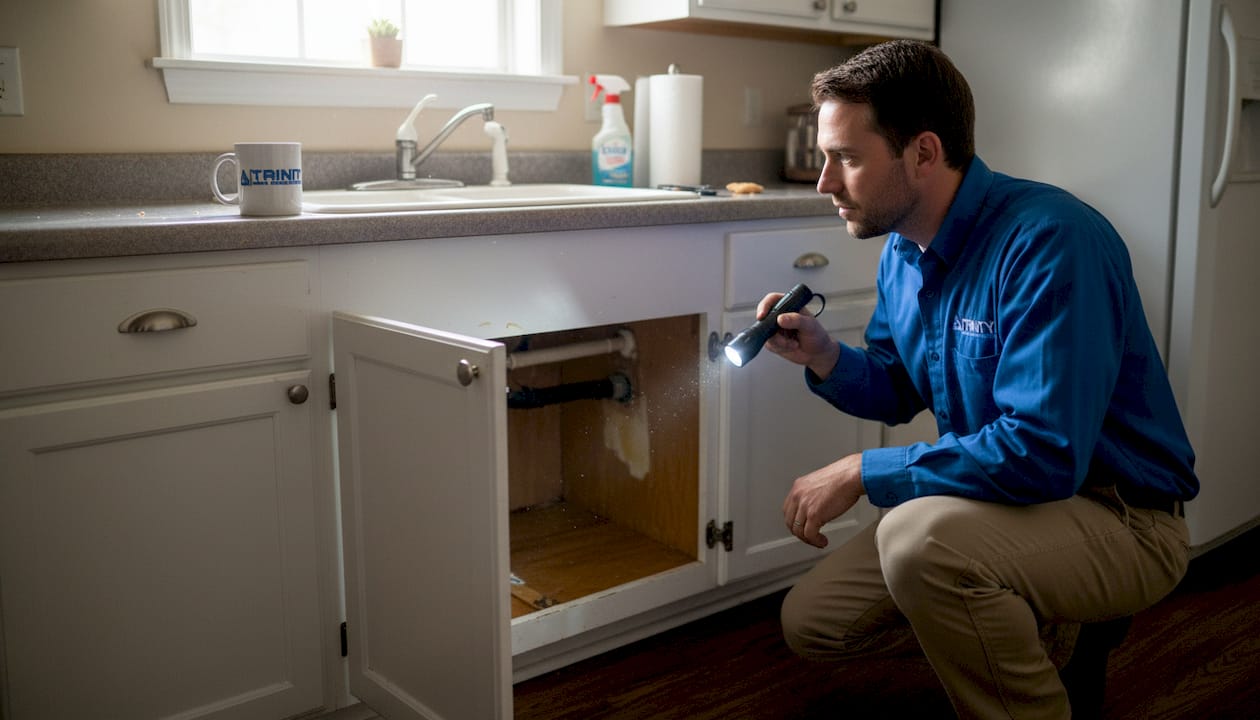
Pro Tip: If your symptoms consistently improve when you spend time away from home, such as during a vacation or work trip, and return when you come back, that pattern is a strong indicator that something in your home environment is affecting your health.
For a broader look at what mold does inside a home, understanding mold in homes is a helpful starting point. You can also learn more about when to inspect for mold based on your specific situation.
Who is most vulnerable: Children, elderly, and those with asthma
Not everyone in a mold-affected home will react the same way. Some people can live in a moldy environment for months before noticing anything. Others, particularly those in certain health categories, can develop serious symptoms quickly.
Children are at the top of the risk list. Their immune systems are still developing, and they breathe more air relative to their body weight than adults do. Damp buildings raise asthma risk 2 to 3 times in children, which is a striking number when you consider how many coastal Alabama homes deal with persistent moisture problems. Watch for these warning signs in kids:
Recurring respiratory infections that do not resolve fully
Worsening asthma symptoms without a clear trigger
Chronic runny nose or cough that lingers for weeks
Unusual fatigue or difficulty focusing in school
Skin rashes that come and go without explanation
Elderly residents face compounding risks. Aging lungs are less efficient at clearing irritants, and older adults are more likely to have underlying conditions like COPD, heart disease, or diabetes that mold exposure can aggravate. Symptoms in elderly individuals may be slower to appear but faster to escalate once they do.
Immunocompromised individuals, including those undergoing cancer treatment, living with HIV, or taking immunosuppressant medications, face the most serious risk. For this group, mold exposure can lead to invasive fungal infections that go well beyond the typical irritant response.
“The populations most harmed by mold are often the least able to recognize or communicate what they are experiencing, which makes early environmental detection especially important.”
For families with any of these members living in the home, moisture control is not optional. It is a health priority. Keeping indoor humidity below 50 percent, addressing any water intrusion immediately, and scheduling regular checks of crawlspaces and attics are practical steps that protect the most vulnerable people in your household.
If you have concerns about mold risk in a home where vulnerable individuals live, mold inspections for sensitive occupants provide a structured way to assess the risk before health effects appear.
Spotting environmental red flags in your Alabama home
Your home often gives you warning signs before your body does. Learning to read those signals is one of the most practical things you can do as a coastal Alabama homeowner.
Here are the most important areas to check and what to look for:
Crawlspaces. This is the single most common hidden mold location in Gulf Coast homes. Look for standing water, damp soil, deteriorating wood joists, and any visible dark growth on surfaces. A musty smell when you open the crawlspace access is a reliable indicator.
Attic spaces. Poor ventilation leads to condensation on roof sheathing, especially during temperature swings. Dark staining on wood decking and insulation that looks compressed or discolored are signs worth investigating.
Bathroom walls and ceilings. Grout discoloration, peeling paint, and soft drywall around tubs and showers point to chronic moisture that can feed mold behind the surface.
Under sinks and around appliances. Slow plumbing leaks under kitchen and bathroom sinks often go unnoticed for months. Check the cabinet floor and back wall for soft spots or staining.
Window frames and sills. Condensation that collects on windows can run down into the frame and sill, creating a mold-friendly environment that is easy to overlook.
Visual inspection and musty odor are more reliable indicators of mold risk than many commercial tests, and symptoms that improve when you leave the home are a strong signal that the source is inside.
Location | Red Flag Signs | Urgency Level |
Crawlspace | Standing water, dark wood staining | High |
Attic | Dark sheathing, compressed insulation | High |
Bathroom | Grout discoloration, soft drywall | Medium |
Under sinks | Stained cabinet floor, soft wood | Medium |
Window frames | Condensation tracks, black specks | Low to Medium |
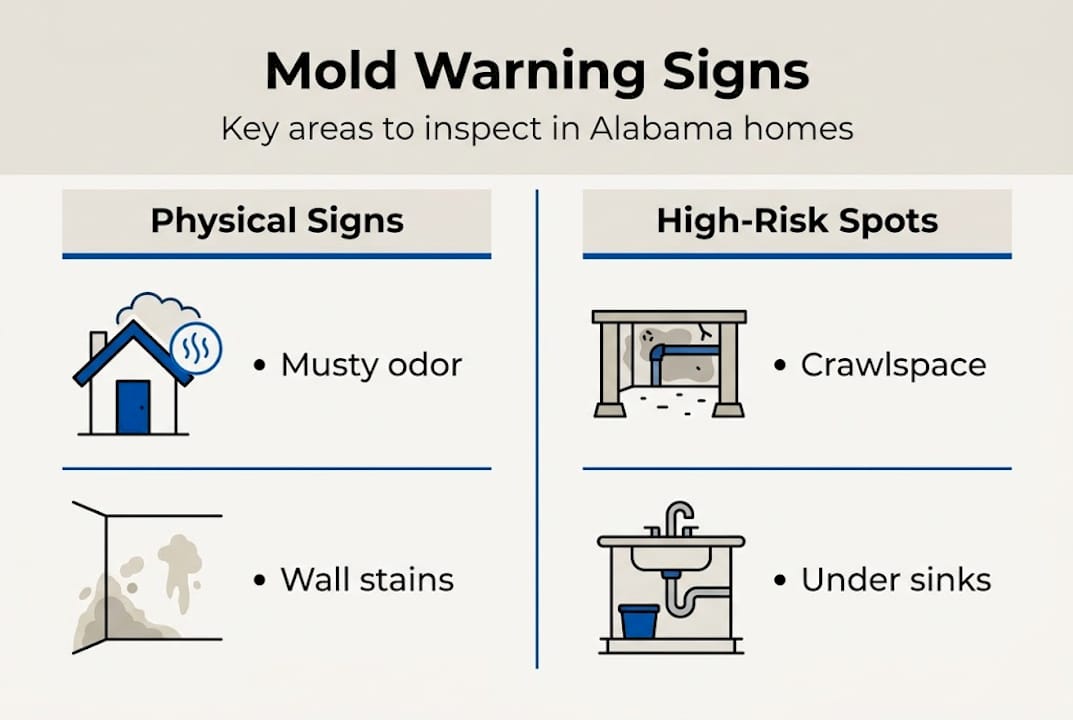
Pro Tip: Run your hand along the bottom of window sills and the back walls inside sink cabinets during your next home walkthrough. These are two spots that rarely get cleaned or inspected and are common early mold sites.
If you find something suspicious, safely removing hidden mold inside walls requires more than a can of spray cleaner. For formal confirmation, mold swab testing can identify the species present. And if the scope feels beyond a DIY fix, professional mold inspection services give you a thorough assessment with documented findings.
What to do if you suspect mold toxicity in your home
Spotting the warning signs is step one. Acting on them quickly is what actually protects your health and your home’s structure. Here is a clear plan to follow.
Immediate steps when you suspect mold toxicity:
Identify and stop the moisture source. Mold cannot survive without water. Find the leak, condensation problem, or humidity issue driving the growth and address it first.
Improve ventilation right away. Open windows when outdoor humidity allows, run bathroom and kitchen exhaust fans consistently, and check that your HVAC system is filtering and circulating air properly.
Limit exposure for vulnerable household members. If you have children, elderly residents, or anyone with respiratory conditions, reduce their time in the affected areas while you investigate.
Document what you find. Take photos of visible growth, staining, or moisture damage. Note when and where symptoms are worst. This information helps a professional inspector or remediation contractor assess the situation accurately.
Call a professional when the area exceeds what you can safely address. Any mold growth larger than 10 square feet, or growth inside HVAC systems, walls, or crawlspaces, warrants professional remediation.
Fix leaks and moisture problems within 48 hours, keep indoor humidity below 50 percent, and improve ventilation to prevent mold from establishing or returning.
Prevention strategies specific to Alabama homes:
Install a dehumidifier in crawlspaces and basements, and set it to maintain humidity below 50 percent
Check and replace crawlspace vapor barriers after any storm event
Have your HVAC system serviced annually, including coil and drain pan cleaning
Inspect roof flashing and gutters after each hurricane season
Keep bathroom exhaust fans running for at least 20 minutes after every shower
Pro Tip: A simple digital hygrometer, which costs under $15 at most hardware stores, lets you monitor indoor humidity in real time. Place one in your crawlspace access area and one in your main living space. If either reads consistently above 55 percent, you have a problem worth addressing.
For guidance on mold removal steps and how to detect and prevent mold before it becomes a health issue, those resources walk you through the process in practical terms. When you need formal documentation or lab-confirmed results, professional mold testing provides the chain of custody reports that matter for insurance claims and real estate transactions.
The uncomfortable truth about mold toxicity diagnosis
Here is something most articles will not tell you plainly: mold testing is not as reliable as the industry sometimes suggests. There are no federal health-based standards for acceptable mold levels in homes. No health-based mold standards exist, and visual inspection combined with a musty odor remains the most reliable way to identify mold risk in a residential setting.
That matters because homeowners sometimes spend hundreds of dollars on air sampling or surface tests hoping for a definitive answer. Those tests can be useful in specific contexts, but a negative result does not mean your home is safe, and a positive result does not always tell you where the source is or how serious it is.
The most honest indicator is this: do your symptoms improve when you leave the home and return when you come back? That pattern, more than any lab report, points directly at your home environment as the problem.
We have seen homeowners in Mobile and Baldwin County chase diagnoses for months when the real answer was sitting in their crawlspace or behind a bathroom wall. The solution was not a more sophisticated test. It was finding the moisture source and removing it.
For a grounded look at what mold actually does inside a home and how to think about it practically, understanding mold cuts through a lot of the noise. Trust what your home and your body are telling you, then verify with a qualified inspector who knows Gulf Coast conditions.
Connect with local mold inspection specialists
If you have read through this article and recognized warning signs in your own home, the next step is a professional set of eyes. Trinity Home Inspections serves homeowners across Mobile, Baldwin, Escambia, and surrounding Gulf Coast Alabama counties with InterNACHI-certified inspections, free thermal imaging, and same-day reports packed with photos and video.

We offer mold swab testing and indoor air quality sampling with certified lab reports and chain of custody documentation, so you have real answers, not guesses. Our Alabama mold inspection service gives you a thorough assessment of your home’s mold risk, and our Mobile mold inspectors are ready to help you take action. Reach out today and get the clarity your family deserves.
Frequently asked questions
Can mold toxicity cause lasting health effects?
Yes, mycotoxin poisoning can cause chronic organ issues and cognitive impairment with prolonged exposure, though most symptoms improve significantly once the person is removed from the mold source and the environment is remediated.
What are the signs that mold is hidden and not visible?
Musty odors, unexplained condensation on walls or windows, and symptoms that consistently worsen indoors are reliable signals of hidden mold. Visual inspection and musty odor remain the most dependable indicators, even when nothing is visible to the naked eye.
How quickly should homeowners fix leaks to prevent mold?
Fix leaks within 48 hours and keep indoor humidity below 50 percent, because mold can begin colonizing wet materials in as little as 24 hours, especially in coastal Alabama’s warm, humid climate.
What symptoms indicate the need for professional mold inspection?
Persistent respiratory problems, mental fog, or skin reactions that worsen indoors and improve when you leave the home suggest a mold source may be present. Extended mold exposure is linked to cognitive issues and immune changes that warrant a professional assessment rather than a wait-and-see approach.
Recommended
