Inspector Certification: Everything You Need to Know
- Matt Cameron
- Oct 27, 2025
- 6 min read

Updated: Nov 2, 2025
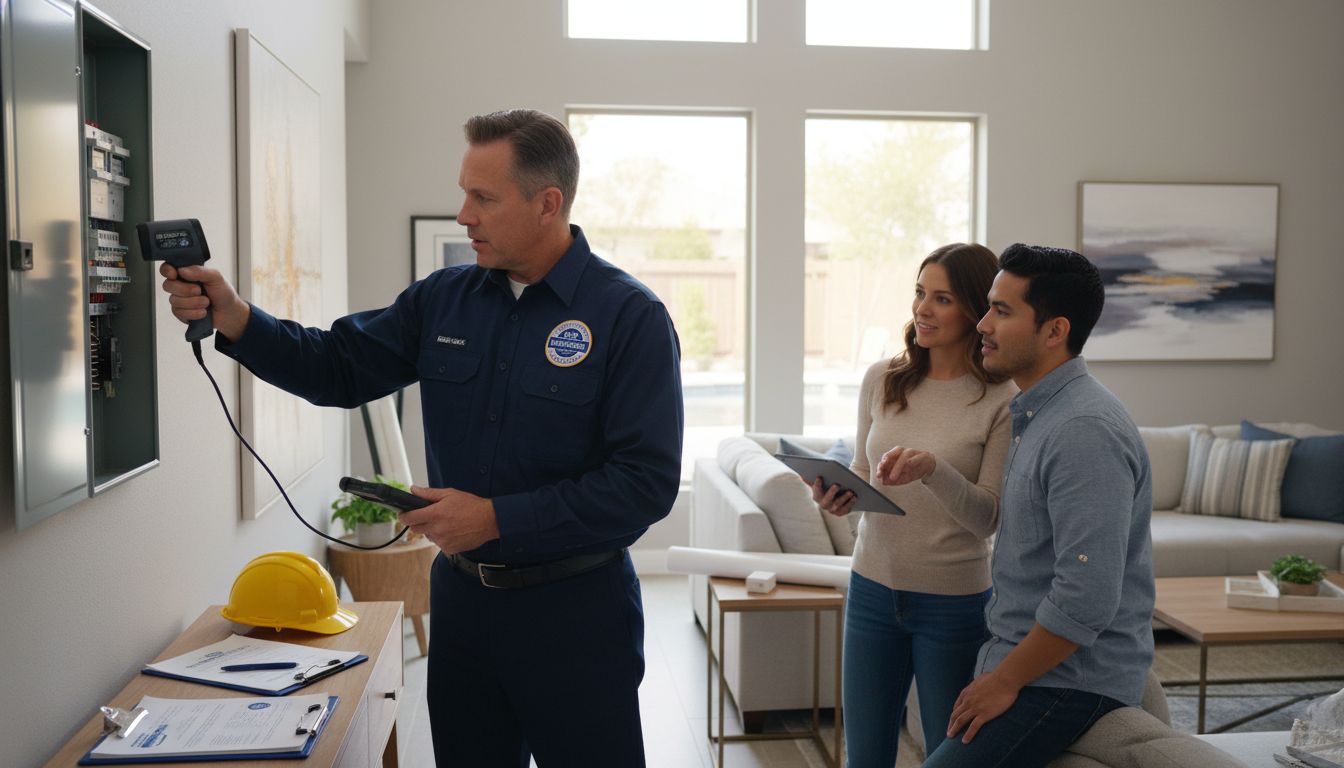
Did you know that more than 90 percent of homebuyers trust inspectors with professional certifications to evaluate their property investments? Inspector certification protects both buyers and sellers by guaranteeing competence, safety, and detailed inspections based on strict standards. Choosing a certified inspector can make the difference between a smooth real estate transaction and costly surprises, giving you confidence that your most important asset is in trusted hands.
Table of Contents
Key Takeaways
Point | Details |
Importance of Certification | Inspector certification validates professionals’ expertise, protecting homeowners through rigorous training and assessments. |
Types of Certifications | Alabama has various certifications that focus on specific inspection areas, ensuring thorough evaluations in real estate. |
Certification Process | Becoming certified involves completing accredited training, passing exams, and maintaining ongoing education requirements. |
Benefits for Buyers and Sellers | Certified inspections provide unbiased assessments and detailed reporting, aiding in informed decision-making during transactions. |
Defining Inspector Certification and Its Purpose
Inspector certification represents a critical professional standard that ensures qualified professionals are conducting thorough property evaluations with precision and expertise. According to the Pipeline and Hazardous Materials Safety Administration, this process involves specialized training programs designed to equip inspectors with comprehensive skills for applying safety regulations and performing detailed assessments.
Certification serves multiple essential purposes in the home inspection industry. At its core, the process validates an inspector’s technical knowledge, practical skills, and understanding of complex safety standards. By requiring professionals to complete rigorous training and demonstrate competency through standardized assessments, certification protects homeowners and real estate stakeholders from potential risks associated with uninformed or inadequate property evaluations.
The certification journey typically involves several key components:
Completing accredited training programs
Passing comprehensive knowledge examinations
Demonstrating practical inspection skills
Maintaining ongoing professional education requirements
With Understanding the Role of Inspector in Real Estate, property owners can gain deeper insights into why certified professionals bring unparalleled value to home inspection processes. Certification isn’t just a credential – it’s a commitment to professional excellence, safety, and delivering reliable information that empowers homeowners to make informed decisions about their most significant investment.
Types of Inspector Certification in Alabama
Home inspection certifications in Alabama encompass several specialized categories designed to ensure professional expertise and comprehensive property evaluations. According to the Alabama Department of Environmental Management (ADEM), one notable certification is the Qualified Credentialed Inspector (QCI) program, which specifically focuses on construction site erosion and sediment control inspections.
In the broader home inspection landscape, professionals typically pursue certifications from recognized national organizations that validate their skills and knowledge. These certifications often require rigorous training, practical examinations, and ongoing professional development. Key certification types include residential property inspectors, commercial building inspectors, and specialized environmental assessment inspectors.
The primary types of inspector certifications in Alabama generally involve:
Here’s a summary of the main types of inspector certifications in Alabama:
Certification Type | Main Focus | Typical Requirements |
Residential Property Inspector | Home condition assessment | Accredited training Written exam |
Commercial Building Inspector | Large/commercial properties | Specialized coursework Practical exam |
Construction Site Safety Inspector | Jobsite safety & compliance | Safety-specific training State license |
Environmental & Erosion Control Inspector | Environmental standards Site erosion | QCI or ADEM certification Ongoing education |
Specialized Home Systems Inspector | HVAC, plumbing, or electrical systems | Focused technical training Credential validation |
Residential Property Inspector Certification
Commercial Building Inspector Certification
Construction Site Safety Inspector Certification
Environmental and Erosion Control Inspector Certification
Specialized Home Systems Inspector Certification
For homeowners and real estate professionals in Alabama seeking comprehensive insights, Understanding Why Home Inspections in Alabama Matter provides valuable context about the critical role these certified professionals play in protecting property investments. Each certification represents a commitment to professional standards, thorough evaluations, and delivering reliable information that supports informed decision-making in the real estate market.
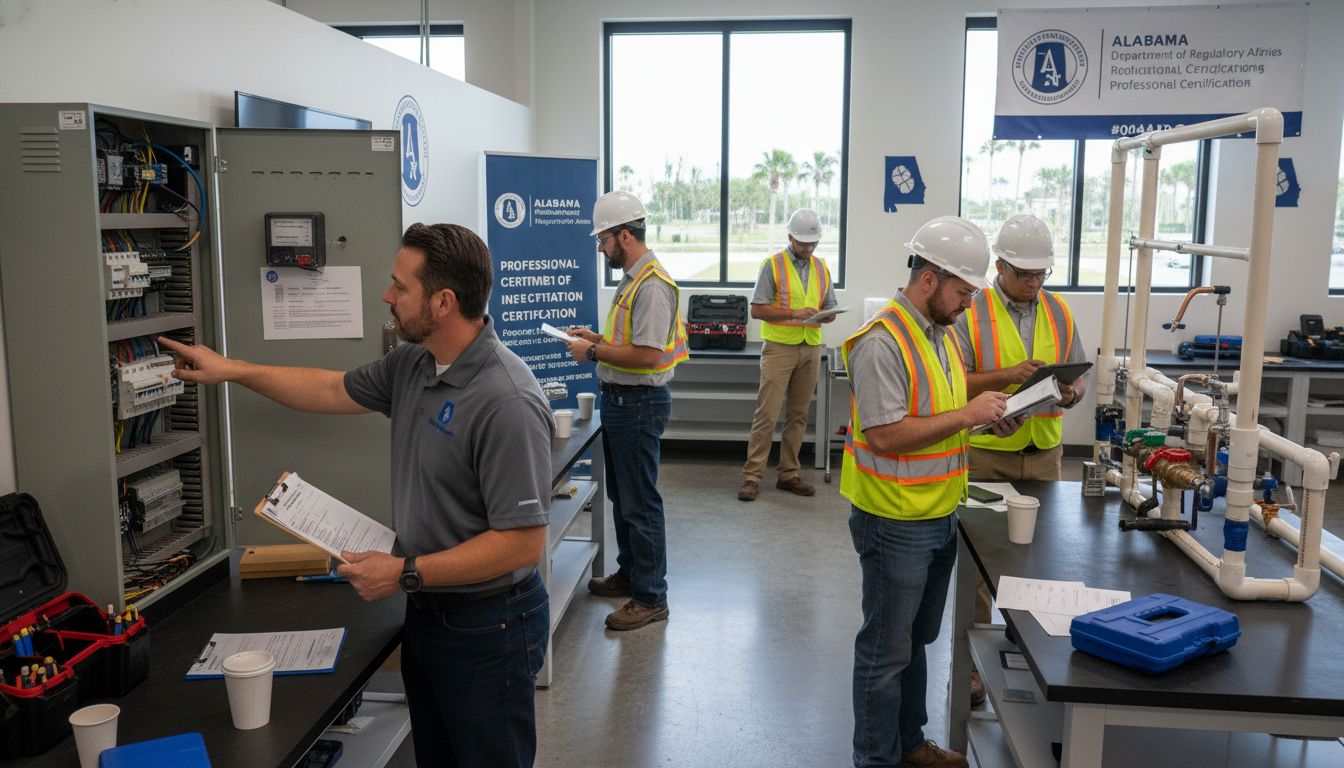
Process and Requirements for Certification
Certification for home inspectors in Alabama involves a comprehensive process designed to ensure professional competence and industry standards. According to the Alabama Public Health Department’s guidelines for specialized certifications, professionals must navigate a multi-step journey that includes rigorous training, examination, and ongoing professional development.
The certification process typically encompasses several critical stages:
Complete accredited training programs specific to the inspection specialty
Pass comprehensive written and practical examinations
Submit detailed professional credentials and background documentation
Obtain necessary state-specific licenses or permits
Maintain certification through continuing education requirements
Take the lead-based paint abatement certification as a specific example. As outlined by UA SafeState, firms must have at least one accredited individual, and professionals must complete training from an approved provider and successfully pass third-party examinations. This stringent approach ensures that inspectors possess not just theoretical knowledge, but practical skills essential for thorough and reliable property assessments.
Professionals seeking to understand the nuanced requirements can gain deeper insights through Why Use Certified Inspectors: Complete Home Guide, which breaks down the intricate processes behind professional certification. Ultimately, these certification requirements protect homeowners by guaranteeing that inspectors meet high standards of professional competence and technical expertise.
Legal Standards and Regulatory Oversight
Legal standards and regulatory oversight form the critical backbone of professional home inspection practices, ensuring safety, reliability, and accountability across the industry. According to the Pipeline and Hazardous Materials Safety Administration (PHMSA), specialized regulatory frameworks are designed to maintain rigorous standards through comprehensive training and qualification requirements for inspectors.
Regulatory compliance involves multiple layers of oversight from federal, state, and local agencies. The Federal Motor Carrier Safety Administration (FMCSA) mandates strict certification processes that require inspectors to demonstrate comprehensive knowledge and practical skills. These regulations are not merely bureaucratic checkboxes but essential mechanisms that protect public safety and maintain professional integrity.
Key aspects of legal standards for home inspectors include:
Mandatory professional certification
Continuous education requirements
Adherence to state and federal safety regulations
Comprehensive background checks
Regular performance evaluations
Accountability for inspection accuracy
For a deeper understanding of how these regulations impact property assessments, Why Use Certified Inspectors: Complete Home Guide provides valuable insights into the importance of stringent professional standards. These legal frameworks ultimately serve to protect homeowners, ensuring that every inspection meets the highest levels of professional scrutiny and reliability.
Why Certification Matters for Homebuyers and Sellers
Certification is a critical safeguard in real estate transactions, providing both homebuyers and sellers with a reliable measure of an inspector’s professional competence. According to the National Association of Certified Home Inspectors (NACHI), the Certified Professional Inspector (CPI)® credential signifies that an inspector has undergone rigorous training and comprehensive assessment, ensuring high-quality, thorough property evaluations.
For homebuyers, certified inspections offer multiple crucial protections. They provide an independent, professional assessment of a property’s condition, helping buyers understand potential risks, necessary repairs, and the true value of their investment. Certified inspectors bring a level of expertise that goes beyond surface-level observations, identifying hidden issues that could potentially save buyers thousands of dollars in unexpected repairs.
Key benefits of working with certified inspectors include:
Comprehensive and standardized inspection protocols
Detailed, professional reporting
Identification of potential structural and safety issues
Objective and unbiased property assessment
Professional liability and accountability
Enhanced negotiation leverage during real estate transactions
For homeowners looking to dive deeper into the inspection process, Complete Guide to Inspections in Real Estate Sales provides valuable insights into how professional inspections can protect both buyers and sellers. Ultimately, certification is more than a credential – it’s a commitment to professional excellence that ensures transparency, reliability, and peace of mind throughout the real estate transaction process.
Choose Certified Expertise You Can Trust for Your Next Home Inspection
Inspector certification ensures that professionals like those at Trinity Home Inspections meet the highest standards of knowledge and skill. If you want a home inspection that identifies every crucial detail with honesty and accuracy, relying on certified inspectors provides peace of mind throughout your buying or selling journey. Key challenges addressed by certified inspectors include thorough property evaluations, compliance with safety regulations, and delivering detailed reports that help you avoid costly surprises.
Don’t risk your investment with uncertified inspections. At Trinity Home Inspections, we combine certified expertise with a personal commitment to integrity and excellence rooted in our local Gulf Coast community. Visit our website at Trinity Home Inspections now to schedule your inspection. For more insight on the value of certification, explore Why Use Certified Inspectors: Complete Home Guide and learn Understanding Why Home Inspections in Alabama Matter. Take the first step to protect your home investment and ensure confidence in your next real estate decision.
Frequently Asked Questions
What is inspector certification, and why is it important?
Inspector certification ensures that property evaluations are conducted by qualified professionals. It validates an inspector’s technical knowledge and practical skills, protecting homeowners from risks associated with inadequate inspections.
What are the main types of inspector certifications?
The primary types of inspector certifications include Residential Property Inspector, Commercial Building Inspector, Construction Site Safety Inspector, Environmental & Erosion Control Inspector, and Specialized Home Systems Inspector. Each focuses on specific areas of expertise to ensure thorough evaluations.
What does the certification process for home inspectors involve?
The certification process typically includes completing accredited training programs, passing written and practical exams, submitting professional credentials, obtaining necessary licenses, and maintaining certification through continuing education requirements.
How does certification benefit homebuyers and sellers?
Certification provides a reliable measure of an inspector’s competence, ensuring thorough property evaluations. Certified inspections help buyers identify hidden issues and potential repairs, offering critical protections during real estate transactions.
Recommended