The Real Role of Home Inspectors in Buying a House


What does a home inspector actually do?
A home inspector is a licensed professional who evaluates the physical condition of a property and delivers an objective, written report to guide buyers and sellers through one of the largest financial decisions of their lives. The role of home inspectors is not to pass or fail a home. It is to give you a clear, honest picture of what you are buying or selling, grounded in fact rather than emotion.
Industry standards set by ASHI and InterNACHI define the scope of a professional inspection as a non-invasive, visual examination of accessible systems and components. Inspectors operate as objective third parties with no financial stake in whether a deal closes. That independence is precisely what makes their findings credible.
Here is what a qualified home inspector is responsible for:
Examining the structural components, roof, foundation, exterior, and drainage
Evaluating major systems including electrical, plumbing, HVAC, and water heating
Identifying material defects and safety concerns in accessible areas
Documenting findings with photos, notes, and written descriptions
Delivering a report that supports your decision to proceed, negotiate, or walk away
Maintaining professional objectivity throughout, with no conflict of interest
What systems and areas does an inspector evaluate?
A standard home inspection covers the major visible and accessible systems of a residential property. Inspections typically last 2–4 hours, depending on the size and condition of the home. Being present during that time gives you far more context than reading the report alone ever could.
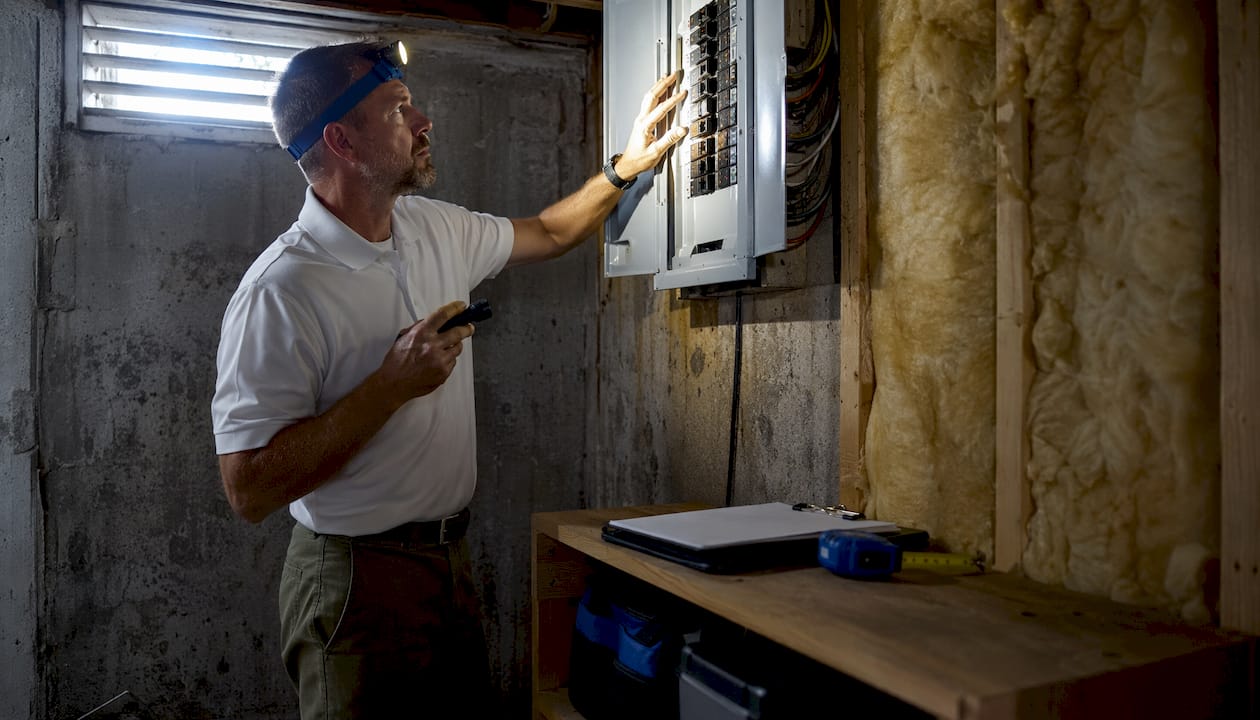
Inspectors work through the property methodically, from the exterior to the roof and then room by room inside. The InterNACHI Standards of Practice define which systems fall within scope, and every credentialed inspector follows them as a baseline.
The major areas covered include:
Foundation and structure: Visible cracks, settling, moisture intrusion, and framing integrity
Roof: Shingles, flashing, gutters, vents, and signs of wear or active leaking
Electrical system: Panel condition, wiring type, grounding, outlets, and switches
Plumbing: Supply lines, drain lines, water heater, fixtures, and visible leaks
HVAC: Heating and cooling equipment, filters, ductwork, and thermostat function
Attic: Insulation levels, ventilation, rafters, and signs of moisture or pest activity
Basement and crawl space: Moisture, structural supports, and vapor barriers
Interior rooms: Walls, ceilings, floors, windows, doors, and stairways
Reports include photographs of every notable finding, organized so you can quickly identify what needs attention and what is routine.
Pro Tip: Show up for your inspection. Buyers who attend leave with a much clearer understanding of the home’s condition than those who only read the report afterward.
What a home inspection does not cover
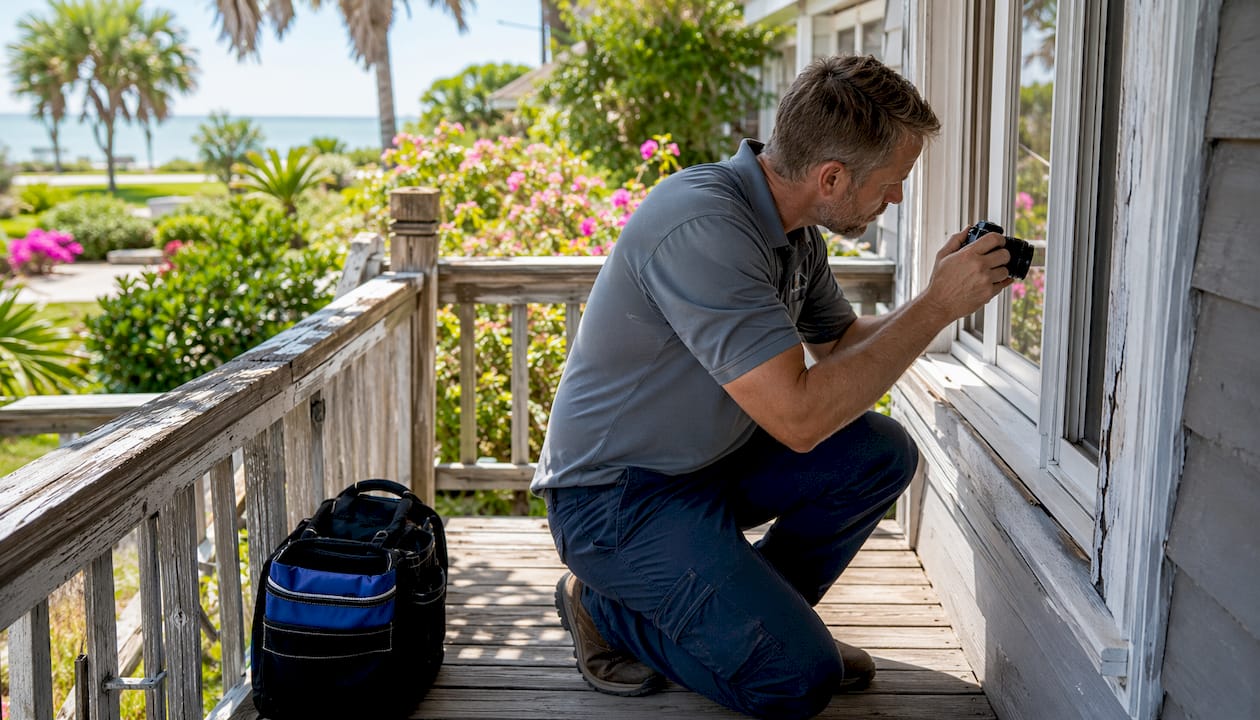
Understanding the limits of an inspection is just as useful as knowing what it includes. Home inspectors work visually and non-invasively. They do not move furniture, open walls, or dig up landscaping to look for hidden problems.
Inspectors cannot access areas that are blocked or inaccessible, which means a storage room packed floor to ceiling or a crawl space with a locked hatch may not be fully evaluated. The readiness of the home directly affects how thorough the report can be. Sellers who clear access points before inspection day get a more complete assessment.
Common exclusions from a standard inspection include:
Septic systems and private wells: Require specialized testing and equipment
Pest and termite activity: Typically handled by a licensed pest control professional
Radon, asbestos, and lead paint: Need certified lab testing, not visual assessment
Underground utilities and buried pipes: Not visible without camera or excavation
Swimming pools and detached structures: Usually add-on services, not standard scope
Code compliance: Inspectors are not code enforcement officers. They report safety and condition concerns, not code violations.
That last point trips up a lot of buyers. An inspector who notes an older electrical panel is flagging a safety concern, not issuing a citation. Whether that panel meets current code is a separate question for a licensed electrician or your local building department.
How the inspection process works from scheduling to report
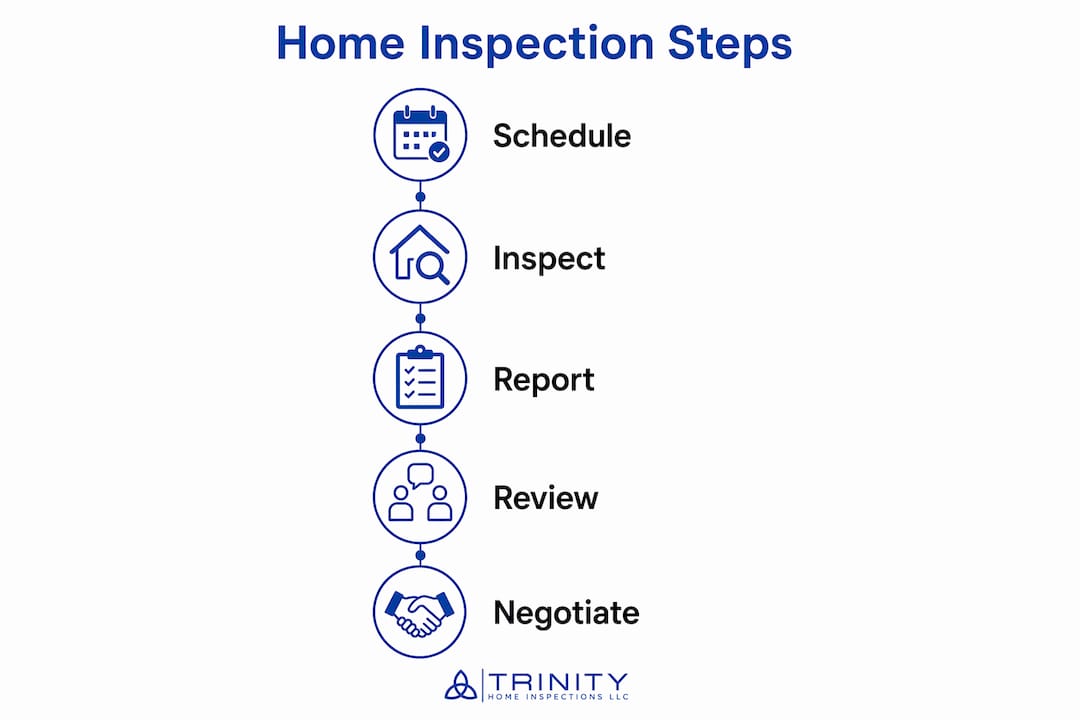
Buyers typically schedule their inspection within the 7–10 day due diligence window after an accepted offer. That timeline is tight, so booking quickly matters. Your real estate agent can help coordinate access with the seller’s agent.
On inspection day, the inspector starts with an exterior walk-around, assessing the roof, grading, foundation, and visible drainage. Then it moves inside, room by room, system by system. You are welcome to follow along, ask questions, and get real-time explanations of anything that looks unusual. At the end, most inspectors give a verbal summary before the written report is delivered.
The report is where the role of inspectors in real estate becomes most concrete. A well-organized report separates safety concerns from routine maintenance items, gives you repair priorities, and hands you a factual basis for negotiation. Approximately 86% of home inspections identify at least one issue requiring attention, so findings are the norm, not the exception.
A home inspection is not a pass/fail test. It is a condition assessment that tells you what you are working with, so you can negotiate repairs or credits with confidence rather than guesswork.
Sellers benefit from this process too. A pre-listing inspection lets sellers identify and address defects before buyers ever walk through the door, reducing the chance of a deal falling apart over surprises.
Common findings and what they mean for your decision
Most inspection reports contain a mix of minor maintenance items and more significant defects. Knowing the difference helps you respond without overreacting or underreacting.
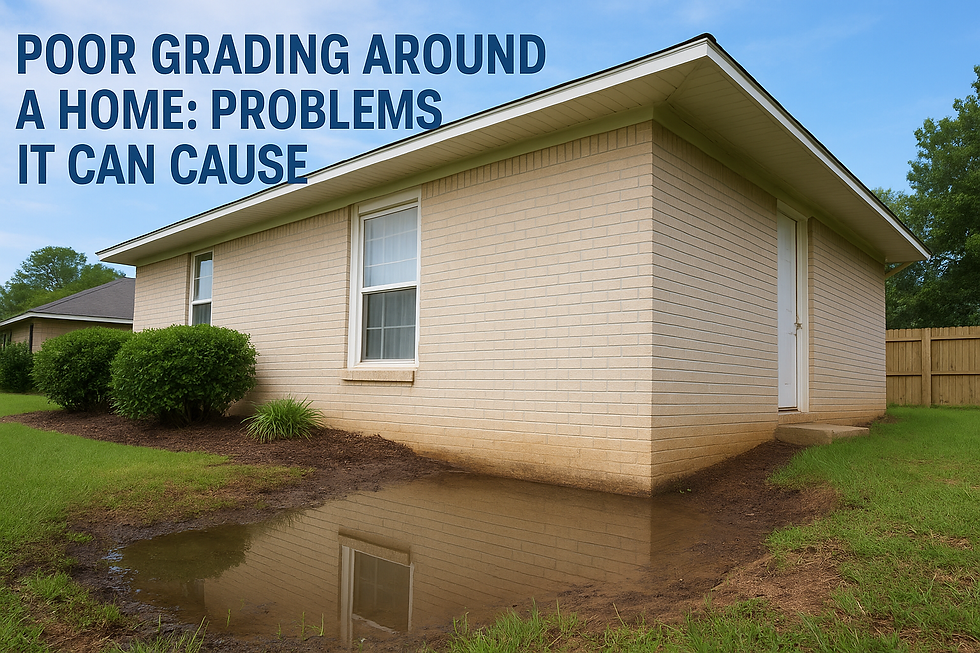
Routine findings that rarely affect a deal include aging caulk around tubs, minor grading issues near the foundation, or a missing GFCI outlet in a bathroom. These are real items worth fixing, but they are not deal-breakers.
Findings that deserve closer attention include:
Foundation cracks or movement: Horizontal cracks in basement walls or visible settling can signal structural issues worth a specialist’s review
Roof damage or age: Missing shingles, damaged flashing, or a roof near the end of its lifespan affects both safety and insurance eligibility
Outdated electrical panels: Certain older panel brands have documented safety concerns and may require replacement
Active water intrusion: Staining on ceilings, wet crawl spaces, or moisture readings in walls point to leaks that can lead to mold
HVAC systems near end of life: A 20-year-old furnace still running is not a crisis, but budgeting for replacement is realistic
Improper venting: Gas appliances or dryers venting into attic spaces create both fire and health risks
When a major defect surfaces, your options are to request repairs, ask for a price reduction, negotiate a credit at closing, or walk away if the contract allows it. The inspection report is your negotiation tool. Use it.
What to expect from Trinity Home Inspections
Trinity Home Inspections is an InterNACHI-certified inspection company serving Baldwin, Mobile, Escambia, Washington, Monroe, and Clarke counties across the Gulf Coast Alabama region. Led by Matt Cameron, the company operates on a foundation of integrity, honesty, and Christian values, treating every client’s home purchase with the same care they would want for their own family.
Here is what sets Trinity apart from a standard inspection experience:
InterNACHI certification: The gold standard in the industry, recognized by the U.S. Department of Education, backed by the National Home Inspectors Exam and ongoing annual education
FAA-licensed drone operation: Roofs that cannot be safely walked are inspected via high-resolution drone footage, with footage included in your report
Free thermal imaging: Infrared scanning helps identify hidden moisture, insulation gaps, and overheated electrical components at no extra charge
Moisture meters and gas detectors: Used on every inspection to verify suspected leaks and identify natural gas or propane concerns
Same-day reports: 99% of reports are delivered the same day of the inspection, color-coded into DIY/Minor, Issues/Defects, and Safety/Major categories
All accessible outlets, switches, windows, and doors tested: Trinity exceeds Alabama’s minimum representative-sample standard
$1M Errors and Omissions insurance and $2M General Liability coverage: Both exceed state requirements, protecting you if anything goes wrong
Add-on services: Sewer scope, mold testing, indoor air quality sampling, pool and spa inspections, and more, all bundled to save you money
Post-inspection, Matt walks you through findings in person or by phone so you know exactly what is urgent, what can wait, and who to call. Trinity also provides a trusted contractor list to make follow-up repairs straightforward.
How much does a home inspection cost?
Home inspection costs in the United States vary based on property size, age, location, and the scope of services included. For a standard single-family home, buyers can generally expect to pay somewhere in the range of $300–$500, with larger or older homes often running higher. Add-on services like sewer scopes, mold testing, or pool inspections carry additional fees, though bundling them with a primary inspection typically costs less than scheduling each separately.
The cost of skipping an inspection is almost always higher than the inspection itself. A single undiscovered foundation issue, roof failure, or plumbing problem can run into thousands of dollars after closing. The inspection fee is one of the most direct investments you make in a real estate transaction.
Ready to schedule? Contact Trinity Home Inspections
[

Trinity Home Inspections is ready to give you a clear, honest picture of any property across Gulf Shores, Daphne, Fairhope, Mobile, Foley, Orange Beach, Spanish Fort, and the surrounding Gulf Coast Alabama area. Same-day reports, free thermal imaging, and a team that picks up the phone.
Call 251-210-7376 or visit TrinityInspectionsLLC.com to book your inspection today. You can also explore our pre-listing inspection services if you are preparing to sell.
Key Takeaways
A home inspector’s core value is delivering an objective, documented assessment of a property’s condition that protects buyers and sellers from costly surprises.
Point | Details |
Inspections are not pass/fail | They assess condition and support negotiation, not approval or rejection of a home. |
Most inspections find issues | 86% of inspections identify at least one item needing attention, so findings are expected. |
Inspections last 2–4 hours | Duration depends on home size and complexity; attending in person adds real value. |
Scope has defined limits | Inspectors do not move belongings, enforce codes, or cover specialized systems like septic or radon. |
Certifications matter | ASHI and InterNACHI credentials signal training, ethics standards, and ongoing education requirements. |
FAQ
What are the main duties of a home inspector?
A home inspector visually examines a property’s accessible structural components and major systems, including the roof, foundation, electrical, plumbing, and HVAC, then delivers a written report documenting defects and safety concerns.
What is the biggest red flag in a home inspection?
Active water intrusion, significant foundation movement, and major electrical hazards tend to be the most serious findings because they carry both safety risks and high repair costs. Any of these warrants a specialist evaluation before closing.
Do home inspectors enforce building codes?
No. Home inspectors are not code enforcement officers. They report on safety and condition, but issuing code violation citations is the role of a municipal building department, not an inspector.
What happens when an inspector comes to your house?
The inspector walks the exterior first, then moves through the interior room by room, testing systems and documenting findings with photos and notes. Most inspections take 2–4 hours, and buyers are encouraged to attend.
Recommended