
What Is a Buyer Inspection? Guide for Alabama Homebuyers

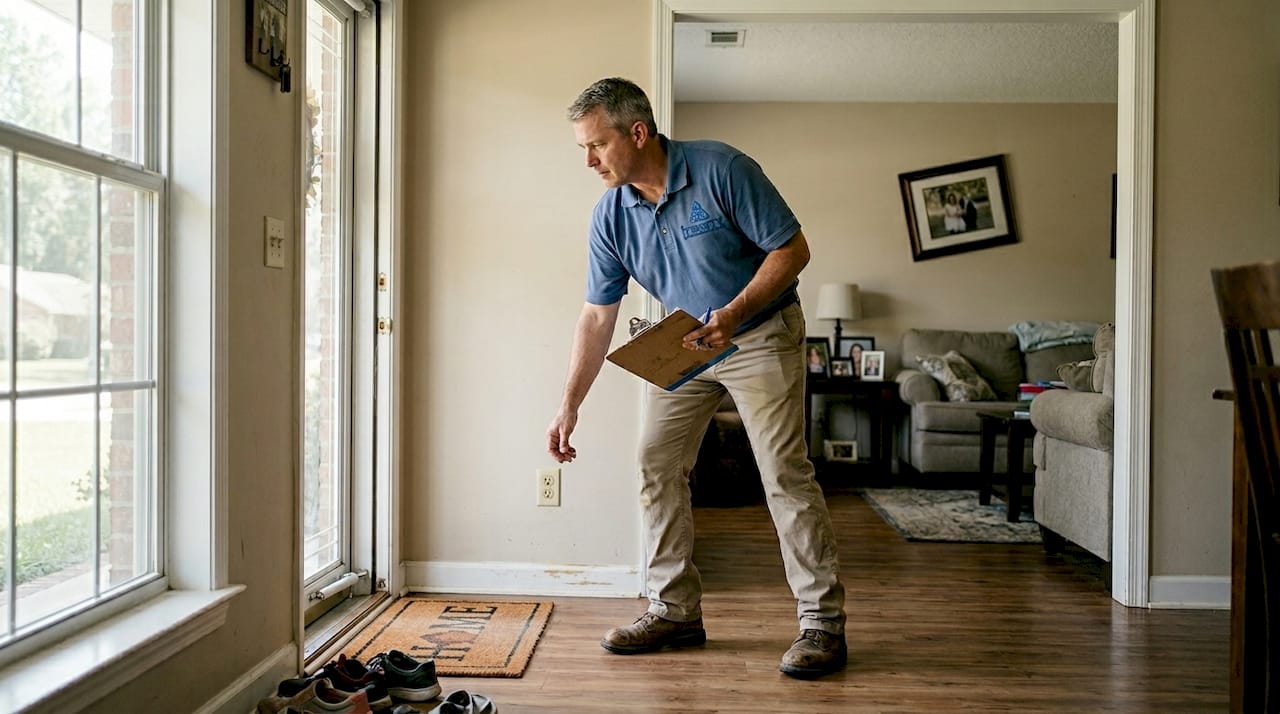
Most people assume a home inspection is just a formality, a quick walkthrough before signing papers. That assumption can cost you thousands. 88% of buyers uncover hidden problems during inspections, even in homes that look move-in ready. In Gulf Coast Alabama, where humidity, hurricanes, and pests create unique risks, a buyer inspection is one of the most powerful tools you have. This guide walks you through exactly what a buyer inspection is, how the process works locally, what inspectors find, and how to use those findings to negotiate with confidence.
Key Takeaways
Point | Details |
Inspections reveal risks | Even well-maintained homes often have critical issues that only a buyer inspection can uncover. |
Leverage in negotiations | The inspection report gives buyers power to negotiate repairs, credits, or reconsider the purchase. |
Gulf Coast priorities differ | Moisture, mold, hurricanes, and pests are elevated risks for Gulf Coast Alabama homes. |
Never skip an inspection | Waiving the buyer inspection exposes you to major financial and safety risks. |
What is a buyer inspection?
A buyer inspection is a visual, non-invasive evaluation by a licensed inspector to find safety, livability, or repair issues before you close on a home. It is not a pass or fail test. It is a detailed look at the home’s major systems and components so you know exactly what you are buying.
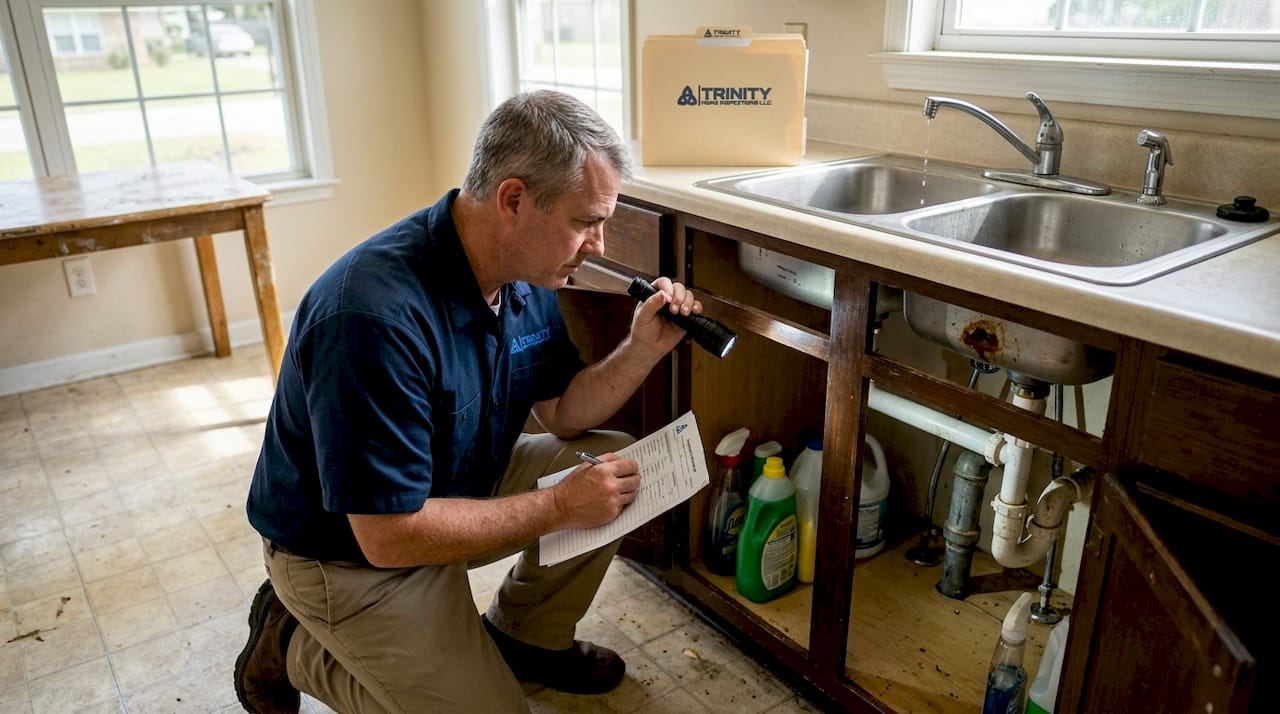
The buyer typically orders and pays for this inspection after an offer is accepted but before closing. It is different from a pre-listing inspection, which a seller orders before putting the home on the market, and from specialty inspections like mold testing or sewer scopes, which focus on one specific concern.
Here is what a buyer inspection covers:
Structural components: Foundation, walls, floors, ceilings, and roof framing
Roofing: Shingles, flashing, gutters, and drainage
Plumbing: Visible pipes, water heaters, fixtures, and drainage
Electrical: Panels, wiring, outlets, switches, and grounding
HVAC: Heating and cooling systems, ductwork, and filters
Appliances: Built-in appliances that convey with the home
Exterior: Siding, grading, driveways, and decks
Interior: Windows, doors, insulation, and ventilation
Understanding the full buyers’ inspection process before you schedule one helps you show up prepared and ask the right questions.
Pro Tip: Always hire a licensed inspector who knows Gulf Coast Alabama specifically. Moisture intrusion, hurricane strapping, and wood-destroying insects are regional concerns that a generalist inspector from another climate may underweight.
How the inspection process works in Gulf Coast Alabama
After understanding what a buyer inspection is, let’s dig into how the process actually unfolds in the Gulf Coast Alabama region.
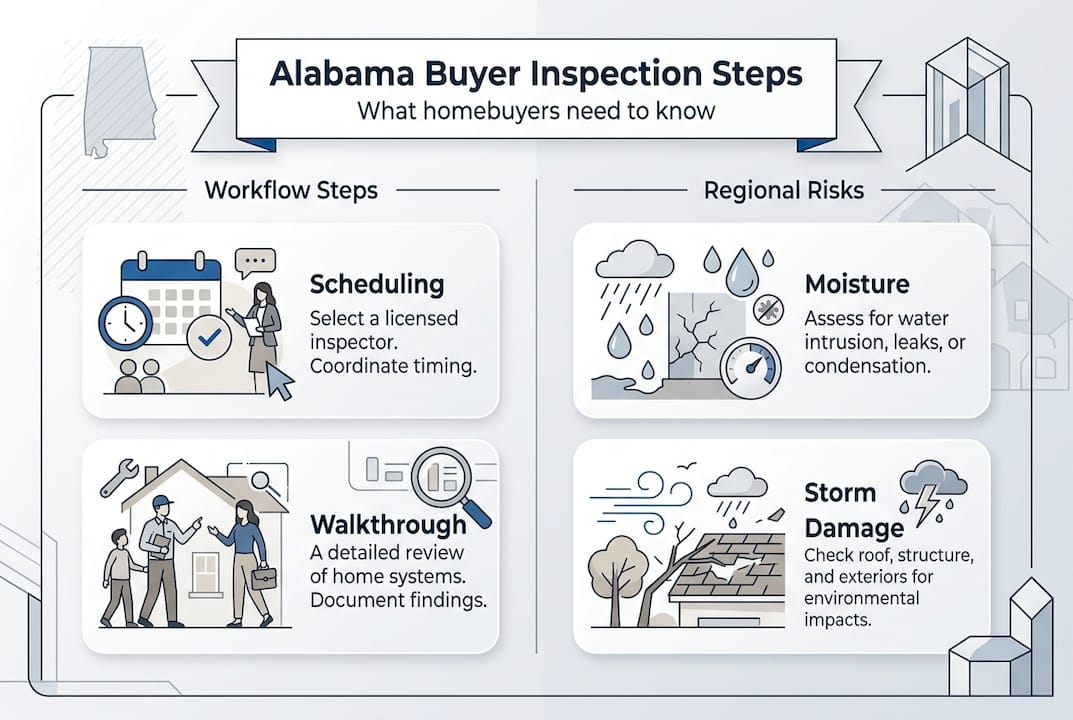
Alabama inspectors must be licensed through the Department of Finance, and many hold additional certifications through organizations like InterNACHI or ASHI, which set rigorous standards for training and ethics. Gulf Coast inspectors also deal with climate-specific concerns that inspectors in drier states rarely encounter, including moisture intrusion, hurricane preparation, and termite activity.
Here is how the process typically unfolds:
Schedule the inspection shortly after your offer is accepted, ideally within the inspection contingency window.
Confirm access with your agent so the inspector can reach all areas, including the attic, crawl space, and electrical panel.
Attend the walkthrough so you can see findings in real time and ask questions directly.
Receive your report the same day in most cases, complete with photos, videos, and prioritized findings.
Review findings with your agent to decide on repair requests, credits, or next steps.
The inspection workflow in Alabama follows a non-invasive approach. Inspectors do not open walls or test for code compliance. They evaluate what is visible and accessible.
Step | Key action | Gulf Coast-specific concern |
Scheduling | Book within contingency window | Confirm pest inspection add-on |
Walkthrough | Inspector evaluates all major systems | Moisture, hurricane straps, ventilation |
Report delivery | Same-day digital report with photos | Mold risk areas flagged with thermal imaging |
Follow-up | Review findings with agent | Prioritize safety and structural items |
The Gulf Coast findings that show up most often are directly tied to the region’s heat, humidity, and storm history. Knowing this ahead of time helps you interpret your report without panic.
What inspectors look for: Common findings and real risks
With the inspection process outlined, it is just as important to know what inspectors actually check for and why certain issues matter more in the Gulf Coast region.
Common findings include foundation cracks, roof and attic damage, outdated wiring, moisture and mold, and HVAC issues. In Gulf Coast Alabama, moisture and mold are especially prevalent because of the region’s high humidity and frequent rain. Even a small roof penetration or improper grading can lead to significant water intrusion over time.
“88% of buyers uncover hidden problems during home inspections, even in homes that appear well-maintained.”
Finding type | General homes | Gulf Coast-specific risk |
Roof damage | Missing shingles, flashing gaps | Storm damage, wind uplift, moss growth |
Moisture and mold | Bathroom leaks, crawl space dampness | High humidity, flooding history, poor drainage |
Electrical issues | Outdated panels, double-tapped breakers | Corrosion from salt air near coastal areas |
Foundation concerns | Settling cracks, uneven floors | Soil movement, moisture-related shifting |
HVAC problems | Aging units, dirty filters | Overworked systems due to extreme heat |
Pest damage | General wood damage | Termite activity is extremely common here |
Not every finding is a dealbreaker. Here is how to sort what matters from what does not:
Safety and major concerns: Active water intrusion, faulty electrical panels, structural damage, gas leaks, mold colonies
Significant defects: Aging HVAC systems, roof near end of life, plumbing leaks, inadequate ventilation
Minor or cosmetic items: Caulking gaps, minor drywall cracks, loose door handles, dirty filters
Even newly built or recently remodeled homes show up on inspection findings reports. Contractors make mistakes, and new construction is not immune to moisture issues or improper installations. A maintenance inspection can also catch problems that develop after you move in, giving you a head start on repairs before they escalate.
How inspection results impact your negotiation power
After understanding common findings, it is critical to see how these impact your leverage as a buyer or your obligations as a seller.
Buyers use inspection reports to negotiate repairs or credits through the inspection contingency clause in their purchase contract. This clause gives you the legal right to request repairs, ask for a price reduction, or walk away from the deal entirely if findings are serious enough. Without it, you have far less protection.
Sellers are not powerless either. Addressing known issues before listing, or pricing the home to reflect its condition, leads to smoother transactions and fewer last-minute surprises. A pre-listing inspection is one of the smartest moves a seller can make in this market.
Attending the inspection gives you direct access to the inspector’s observations in real time. You can ask what is urgent, what can wait, and what a repair might realistically cost. That context is invaluable when you sit down to negotiate.
Pro Tip: Bring a notepad to the inspection and jot down anything the inspector flags verbally. Reports are thorough, but real-time conversation often includes helpful context that does not always make it into the written document.
Here is a practical list of dos and don’ts for using your inspection results:
Do prioritize safety and structural items in your repair requests.
Do ask for a credit instead of repairs when you want control over the work.
Do get contractor estimates before finalizing your negotiation position.
Don’t request repairs for every minor cosmetic item. It weakens your position.
Don’t waive your contingency without fully understanding the risk.
Don’t skip specialty add-ons like mold testing or sewer scopes if the inspector flags a concern.
Understanding why inspections matter goes beyond the transaction itself. Proper buyer protection starts with knowing what you are walking into, and good home insulation is one example of a finding that affects both comfort and long-term energy costs.
Should you ever skip or ‘waive’ a buyer inspection?
Given how much leverage and risk is tied to inspection findings, many wonder if they should ever skip the process altogether. Here is what you need to know.
Waiving an inspection is risky, especially in Alabama, which operates under a buyer beware legal standard. That means once you close, the responsibility for undisclosed defects largely falls on you. Sellers are not required to volunteer information about problems they have not been asked about directly.
In competitive markets, some buyers feel pressure to waive the inspection to make their offer more attractive. This is understandable, but it is rarely worth it. Even in as-is sales or investor deals where waivers are more common, the financial exposure from skipping an inspection can far exceed any competitive advantage gained.
Here are the real risks you take on when you skip a buyer inspection:
Major unexpected repair costs for issues you had no way of knowing about
Undetected safety hazards like faulty wiring, gas leaks, or structural instability
Insurance complications if undisclosed damage affects your coverage eligibility
Loan issues if the lender requires certain conditions to be met before funding
Mold or moisture problems that worsen quickly in Gulf Coast Alabama’s climate
If a full inspection truly is not possible, consider a limited-scope inspection focused on the highest-risk systems, or add specialty inspections for termites, mold, or the sewer line. Following inspection best practices gives you the best chance of catching what matters most, even under time pressure.
How local experts can make inspections count
If you are buying or selling a home in Gulf Coast Alabama, working with a locally experienced, InterNACHI-certified inspector makes a real difference. Regional knowledge of moisture risks, hurricane strapping requirements, and termite activity means your report reflects what actually matters in this climate, not a generic checklist.
At Trinity Home Inspections, we go beyond the basics. Every inspection includes free thermal imaging, same-day photo and video-rich reports, and post-inspection support so you are never left guessing. We also offer mold inspections and pre-listing home inspections for sellers who want fewer surprises at closing. Need to verify permits or research a property’s history? Our property and permit search services give you another layer of clarity before you commit. Reach out today to schedule your inspection or ask a question. We respond to every inquiry personally.
Frequently asked questions
How long does a typical buyer inspection take in Alabama?
Most home inspections in Alabama last two to three hours, depending on the size and condition of the property. Larger or older homes may take longer.
Is a buyer inspection mandatory in Gulf Coast Alabama home sales?
Buyer inspections are not legally required but are strongly recommended to protect your investment and give you negotiating power before closing.
What if an inspection finds major problems?
Buyers can negotiate repairs, request credits, or walk away from the deal based on the terms of their inspection contingency clause.
Can I attend my buyer inspection?
Yes, and you should. Attending the inspection lets you ask questions in real time and gain context that makes the written report much easier to act on.
Recommended

