7 Key Things to Look for in a Home Inspection Checklist

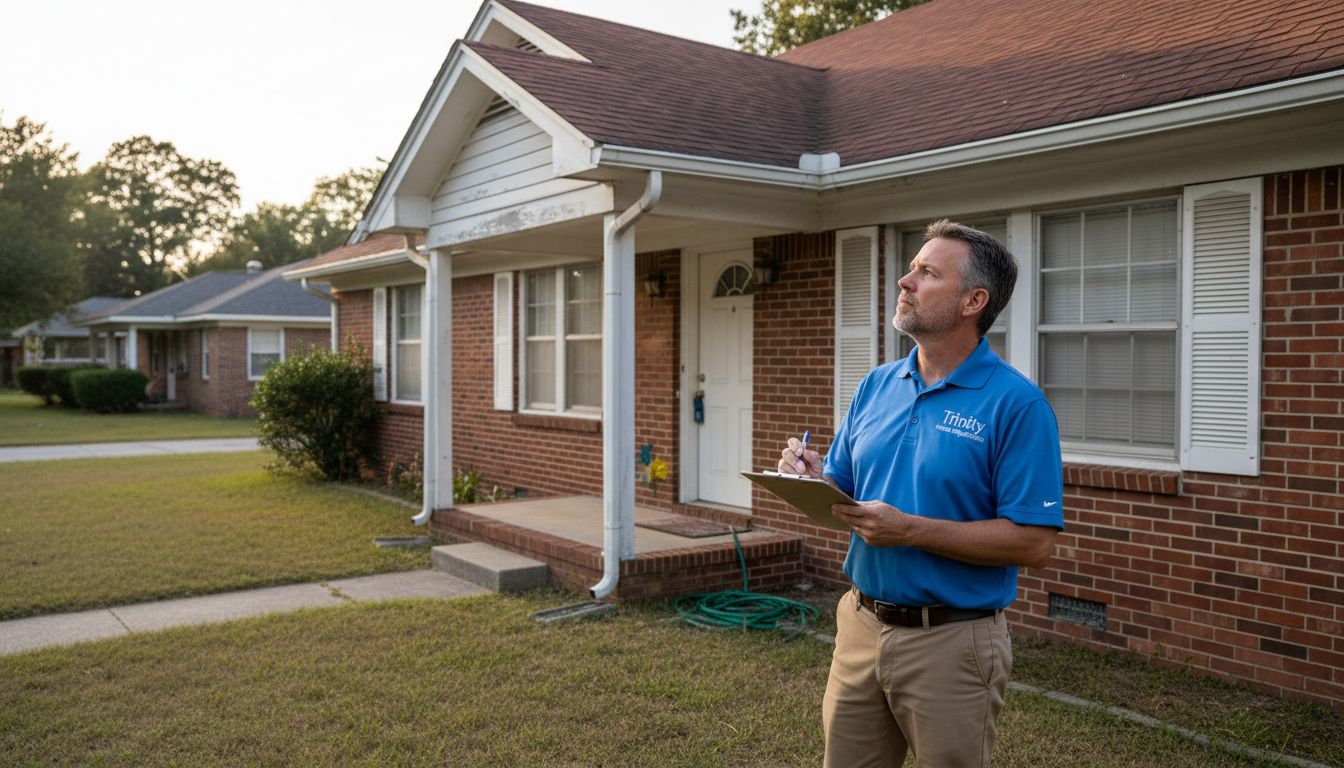
Buying or maintaining a home in Alabama comes with its own unique set of challenges. Hidden issues can lead to expensive repairs if they’re left unchecked, making it crucial to stay ahead with careful attention and proactive decisions. Knowing what to watch for is the difference between peace of mind and a costly surprise down the road.
This list breaks down the specific inspections every Alabama homeowner should prioritize. You’ll uncover strategies for spotting structural problems, detecting potential safety hazards, and ensuring your property stays in great condition. Get ready to gain practical insights you can use right away to protect your home and your investment.
Table of Contents
Quick Summary
Takeaway | Explanation |
1. Schedule Regular Roof Inspections | Professional evaluations every two years help identify leaks and damage before they escalate into costly repairs. |
2. Assess Foundation and Crawl Space Conditions | Look for moisture, wood rot, and cracking to prevent structural failure and expensive remediation costs. |
3. Verify Electrical System Safety | Regular electrical assessments ensure safety and prevent fire hazards from outdated wiring or overloaded circuits. |
4. Check Plumbing for Leaks and Pressure Issues | Early detection of leaks and abnormal water pressure can prevent significant water damage and costly repairs. |
5. Evaluate HVAC Efficiency Regularly | Annual inspections can extend your HVAC system’s lifespan and maintain optimal performance, reducing energy costs. |
1. Inspect the Roof for Leaks, Damage, and Wear
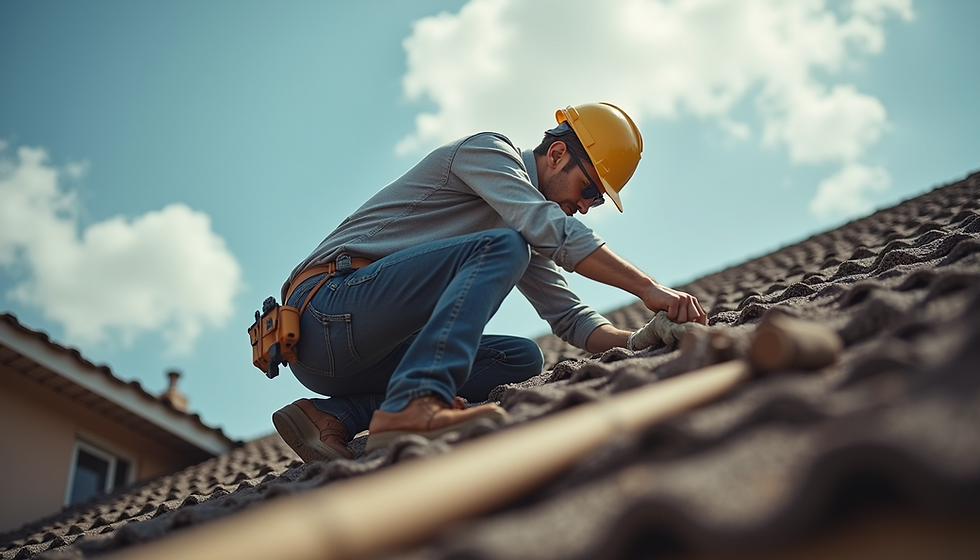
Your roof is your home’s first line of defense against Alabama’s unpredictable weather conditions. A comprehensive roof inspection is critical to identifying potential problems before they become costly repairs. By understanding what to look for, you can protect your property and avoid significant financial headaches.
Roofs experience constant exposure to environmental stressors like intense sunlight, heavy rainfall, and occasional storm damage. Professional inspectors utilize detailed roof inspection protocols to systematically evaluate every aspect of your roofing system.
During a roof inspection, professionals will meticulously examine several key areas: roof coverings, flashings, gutters, drainage systems, and potential leak points. They look for signs of wear such as cracked or missing shingles, damaged flashing around chimneys and roof-wall intersections, and evidence of water penetration.
Special attention is paid to areas prone to moisture intrusion. Inspectors will check for curled or buckled shingles, granule loss, sagging areas, and discoloration that might indicate underlying water damage. They also assess the roof’s structural integrity, examining how different components interact to protect your home.
Professional inspectors use multiple assessment techniques, including ground-level evaluations, ladder inspections, and sometimes drone photography to capture comprehensive views of your roof’s condition. This multi-angle approach ensures no potential issue goes unnoticed.
Pro tip: Schedule a professional roof inspection at least once every two years, or immediately after significant storm events to catch potential damage early.
2. Check Foundation and Crawl Spaces for Structural Issues
Your home’s foundation is its structural backbone, supporting everything from walls to roof and protecting against environmental challenges. Understanding potential foundation issues can save you thousands in potential repair costs and prevent catastrophic structural failures.
Foundations come in various types, and each requires specific inspection techniques. Residential foundation assessments involve carefully examining soil bearing capacity, structural components, and potential signs of movement or damage.
In crawl spaces, inspectors look for critical indicators of structural compromise. Warning signs include:
• Standing water or excessive moisture • Wood rot or fungal growth • Cracking in foundation walls • Uneven floor surfaces • Signs of pest infestation • Inadequate ventilation
The International Residential Code provides specific guidelines for crawl space construction and maintenance. Proper ventilation and moisture control are paramount to preventing long term structural damage. Inspectors will assess whether your crawl space meets current building standards and identify potential risk areas.
Moisture is particularly dangerous in crawl spaces. Excessive humidity can lead to microbial growth, wood deterioration, and compromise the structural integrity of your home’s foundation. Professional inspections use specialized tools to measure moisture levels and detect hidden problems before they become expensive repairs.
Pro tip: Ensure your crawl space has proper vapor barriers and consider adding a dehumidification system to control moisture levels and protect your home’s structural health.
3. Verify Electrical System Safety and Function
The electrical system represents a home’s nervous system. Critical to safety and functionality, it requires thorough professional evaluation to prevent potential hazards and ensure reliable performance.
Modern homes demand sophisticated electrical infrastructure that goes far beyond simply powering lights and appliances. Electrical safety standards emphasize comprehensive assessments that protect homeowners from potential risks.
Key Areas Professional Inspectors Evaluate:
• Circuit breaker panel condition and capacity • Proper grounding and bonding of electrical systems • Age and condition of electrical wiring • Outlet and switch functionality • Potential fire hazards • Compliance with current electrical codes • Signs of improper modifications
Professional home inspectors use specialized tools to identify hidden electrical problems. They assess everything from the main electrical panel to individual outlet performance, looking for signs of wear, outdated components, or potential safety risks that might not be visible to untrained eyes.
Some critical red flags include outdated knob and tube wiring, aluminum wiring installations, overloaded circuits, and electrical panels with known safety issues. These problems can significantly increase fire risks and compromise your home’s electrical reliability.
Modern electrical systems should accommodate current technology demands while maintaining strict safety standards. This means having sufficient amperage, properly sized circuits, and modern grounding techniques that protect against electrical failures.
Pro tip: Consider scheduling a specialized electrical system evaluation every 10 years or when purchasing an older home to ensure your electrical infrastructure remains safe and efficient.
4. Assess Plumbing for Leaks, Damage, and Water Pressure
Your home’s plumbing system is a complex network that silently supports daily life. A professional inspection reveals potential issues that could lead to costly water damage or unexpected repairs.
Professional inspectors meticulously evaluate common plumbing leak sources throughout your property. They look beyond visible pipes, examining hidden connections and potential moisture damage areas that homeowners often overlook.
Critical Plumbing Inspection Areas Include:
• Water pressure measurement • Pipe material and condition assessment • Fixture functionality • Signs of corrosion or deterioration • Evidence of previous water damage • Proper drainage performance • Water heater condition and age
Inspectors use specialized tools to detect subtle signs of plumbing problems. They check water meter readings, examine pipe connections, and assess overall system performance. Abnormal water pressure can indicate underlying issues like pipe blockages or potential system failures.
Each plumbing component plays a crucial role in maintaining your home’s integrity. Old pipes prone to corrosion leaks or improperly installed fixtures can create significant risks. Professional inspections help identify these potential problems before they escalate into major repairs.
Understanding your home’s plumbing condition provides peace of mind and helps you budget for potential future maintenance. Early detection of minor issues can prevent extensive water damage and costly emergency repairs.
Pro tip: Request a detailed plumbing diagram during your home inspection to understand your property’s specific water infrastructure and potential vulnerability points.
5. Evaluate HVAC System for Proper Heating and Cooling
Your home’s HVAC system is its respiratory network providing comfort and air quality. Understanding its condition helps prevent unexpected breakdowns and ensures optimal performance during Alabama’s demanding seasonal temperatures.
Professional inspectors meticulously evaluate HVAC maintenance requirements using comprehensive diagnostic protocols. They assess system functionality beyond basic operational checks.
Critical HVAC Inspection Areas Include:
• Thermostat calibration and responsiveness • Air filter condition and age • Ductwork integrity and cleanliness • Refrigerant levels • Electrical connection stability • Heat exchanger condition • Condensate drain line clearance • Outdoor unit structural condition • Indoor and outdoor temperature differential
Professional inspection goes beyond simple system activation. Inspectors analyze energy efficiency performance seasonal temperature transitions and potential future maintenance needs. They evaluate whether your current system matches your home’s specific square footage and insulation characteristics.
The typical residential HVAC system represents a significant investment. A thorough professional assessment helps homeowners understand system health detect potential issues early and budget for future maintenance or replacement. Understanding your system’s current condition prevents unexpected costly repairs.
Regular professional evaluations can extend your HVAC system’s operational life improve energy efficiency and maintain consistent indoor comfort. Small maintenance issues caught early prevent major system failures.
Pro tip: Replace your HVAC air filters every 90 days and schedule professional maintenance annually to maximize system performance and longevity.
6. Look for Signs of Moisture, Mold, or Water Damage
Moisture can silently undermine your home’s structural integrity and health environment. Recognizing early warning signs helps prevent extensive damage and potential health risks associated with microbial growth.
Professional inspectors use detailed moisture intrusion protocols to comprehensively evaluate potential water damage risks.
Critical Areas Inspectors Examine Include:
• Basement and crawl space moisture levels • Window and door frame seals • Interior wall discoloration • Ceiling and attic water stains • Musty odors • Wood surface warping • Foundation exterior drainage • Exterior wall water damage indicators • Bathroom and kitchen grout integrity
Microbial growth often occurs in hidden areas where moisture accumulates unnoticed. Professional inspectors utilize advanced moisture detection tools to identify potential problem areas before visible damage emerges. They assess not just current moisture levels but potential future risks based on home construction and environmental conditions.
Water damage can compromise structural materials wood framing and create potential health hazards. Early detection allows homeowners to address issues proactively preventing more extensive and expensive repairs. Understanding moisture patterns helps protect your property investment and maintain a safe living environment.
Professional inspections provide a comprehensive view of potential moisture related risks going far beyond surface level visual assessments. They help identify underlying issues that might escape untrained observation.
Pro tip: Install moisture barriers in crawl spaces and maintain proper exterior drainage to prevent water intrusion and reduce potential microbial growth risks.
7. Review Insulation and Ventilation for Energy Efficiency
Your home’s insulation and ventilation system are critical components that directly impact energy efficiency comfort and long term structural health. Understanding how these systems work together can help you save money and create a more comfortable living environment.
Professional inspectors evaluate residential energy efficiency standards to ensure your home meets current performance requirements. They assess multiple interconnected factors that influence thermal performance.
Critical Insulation and Ventilation Assessment Areas Include:
• Attic insulation depth and coverage • Wall cavity insulation quality • Air sealing around windows and doors • Roof ventilation system performance • Crawl space and basement insulation • Potential air leakage points • Moisture barrier effectiveness • Ventilation system air exchange rates • Insulation material condition
Proper insulation acts like a thermal blanket for your home reducing heat transfer and minimizing energy consumption. Professional inspectors use specialized tools to measure insulation performance identifying areas where heat escapes or enters your living space.
Ventilation goes hand in hand with insulation creating a balanced system that manages indoor air quality and temperature regulation. Without proper ventilation moisture can accumulate leading to potential microbial growth and structural damage.
Comprehensive assessments help homeowners understand their property’s thermal performance and identify potential upgrades that can significantly reduce energy costs. These evaluations provide actionable insights into improving home comfort and efficiency.
Pro tip: Consider adding blown in cellulose or spray foam insulation in key areas to improve your home’s thermal resistance and reduce energy consumption.
Below is a comprehensive table summarizing the essential inspection and maintenance recommendations for various home systems as discussed in the article.
System | Key Inspection Areas | Pro Tips |
Roof | Roof coverings, flashings, gutters, and drainage systems for damage, leaks, and wear. Examine for granule loss, cracked shingles, signs of sagging, and structural integrity. | Schedule inspections biannually or after storms. |
Foundation and Crawl Spaces | Check for standing water, cracks, moisture, and fungal growth. Look for pest infestations and adequate ventilation according to building codes. | Maintain proper ventilation and consider installing a dehumidification system. |
Electrical Systems | Inspect circuit breaker panel, wiring, grounding, and outlet functionality. Identify outdated elements and check compliance with safety standards. | Have the system evaluated every ten years, especially in older homes. |
Plumbing | Assess water pressure, pipe condition, signs of corrosion, and fixture performance. Evaluate hidden connections for potential leaks or damage. | Request a plumbing diagram during inspections for future reference. |
HVAC System | Examine thermostat calibration, air filters, ductwork, heat exchanger, and refrigerant levels. Inspect condensate drain and system compatibility with current insulation. | Replace filters quarterly and maintain systems annually. |
Moisture | Investigate basements and crawl spaces for water intrusion. Inspect seals, discoloration, and potential microbial growth. | Install proper drainage and moisture barriers to protect against water damage. |
Insulation and Ventilation | Evaluate attic insulation, sealing, crawl space insulation, and ventilation efficiency. Identify air leaks and ensure balanced air exchange. | Use advanced materials like spray foam for improved energy efficiency. |
Ensure Your Home Inspection Covers Every Critical Detail
Navigating a home inspection checklist with confidence means addressing all vital areas like roof integrity, foundation stability, electrical safety, plumbing health, HVAC performance, moisture issues, and insulation efficiency. At Trinity Home Inspections, we know these are the exact concerns that keep homeowners and buyers awake at night. Our InterNACHI-certified inspectors bring top-tier training and advanced tools such as thermal imaging and drone technology to provide you with a thorough and trustworthy evaluation.
Don’t settle for partial inspections or delayed reports. Experience our same-day photo and video-rich inspections that clearly prioritize urgent repairs and long-term maintenance needs. Whether you are buying a new property or protecting your current home in Baldwin, Mobile, or the surrounding Gulf Coast areas, get peace of mind backed by integrity and local faith-based values. Schedule your comprehensive inspection today at Trinity Home Inspections, and learn why homeowners trust us to reveal the real story behind every house roof, crawl space, electrical panel, and more.
Frequently Asked Questions
What should I inspect first in my home inspection checklist?
Start with the roof, as it protects your home from severe weather conditions. Look for leaks, damage, and wear; consider hiring a professional inspector for a thorough evaluation.
How can I identify potential foundation issues during a home inspection?
Check for standing water, cracks in foundation walls, and uneven floors. Inspect your crawl space and ensure proper ventilation to prevent moisture buildup, which can lead to structural damage.
What electrical system problems should I look for in a home inspection?
Examine the circuit breaker panel, wiring condition, and outlet functionality. Schedule an electrical system evaluation if you notice signs of wear or outdated components to avoid potential hazards.
What plumbing issues are critical to check in a home inspection?
Evaluate water pressure, pipe conditions, and signs of leaks or corrosion. Look closely at fixtures and drainage performance; consider a detailed assessment to prevent costly water damage.
How do I assess the HVAC system during a home inspection?
Check the thermostat responsiveness, air filter condition, and ductwork integrity. Plan for seasonal maintenance to ensure efficient operation and extend the lifespan of your HVAC system.
What signs of moisture or mold should I look for in my home?
Look for water stains on ceilings and walls, musty odors, and wood warping. Identify and address moisture issues promptly to avoid extensive damage and potential health risks.
Recommended