
Homeowners: Why Snaking or Lining Won't Fix a Sewer Belly

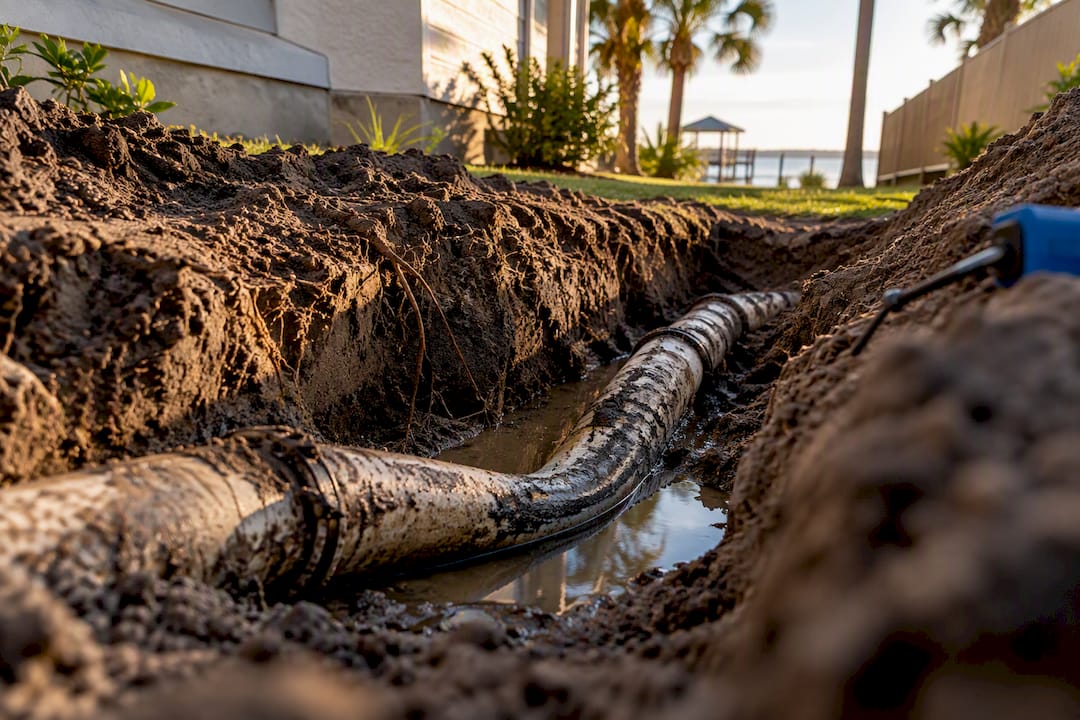
A belly, or sag, is a section of underground sewer pipe that has settled below its proper slope, creating a low spot where waste and water pool instead of draining away. It is a grade problem with the pipe itself, not a simple clog, and it will not go away on its own. If you notice recurring backups or slow drains, the right next step is a sewer camera inspection to confirm the sag and see how bad it really is.
TL;DR:
A sewer belly is caused by soil settling, improper installation, or tree root intrusion, resulting in a low spot that traps waste and debris.
Camera inspections are essential to accurately measure the slope, identify the extent of the sag, and distinguish a belly from other pipe issues like channeling or offsets.
Severity varies from minor, monitoring cases to severe situations requiring full trench replacement due to frequent backups and pipe damage.
Repair options include spot regrading, trenchless lining, or full excavation, with costs and timelines depending on the length and depth of the sag.
Regular inspections, avoiding heavy loads, and controlling tree roots can prevent bellies from forming and escalating into major problems.
What Is a Belly in a Sewer Line and What Causes It?
A properly installed sewer lateral needs a steady downhill grade, typically around a quarter inch of drop per foot of pipe, so gravity can keep solids and water moving toward the main line. When part of that pipe settles or dips out of alignment, you get a belly: a dish-shaped low spot where waste collects instead of flowing through. On a camera inspection, it shows up as standing water sitting in a visible dip, often with debris piled up right where the grade drops out.
Several things can cause a section of pipe to sag over time:
Soil settling or erosion underneath the pipe, especially in sandy or shifting Gulf Coast soils
Poor original installation, where the bedding under the pipe was never compacted correctly
Heavy loads above the line, like vehicles, sheds, or new construction equipment
Tree root intrusion, which can push pipe joints out of alignment as roots grow toward the moisture inside
Corrosion or material failure in older clay, cast iron, or Orangeburg pipe as it ages and weakens
It helps to know what a belly is not. Channeling is internal wear or scaling that carves a shallow groove into the bottom of an otherwise properly graded pipe, and it can sometimes be treated with descaling or lining. An offset is a joint that has shifted sideways. A collapse is a full structural failure. A belly is specifically about the pipe’s grade being wrong along a stretch of its run, which is why fixing it usually means correcting the slope itself.
Signs and Symptoms That Point to a Sewer Line Sag
Bellies rarely announce themselves with one dramatic event. They show up as a pattern of small, annoying problems that keep circling back no matter how many times you clear them.
Slow drains in multiple fixtures. If your kitchen sink, tub, and washing machine all drain sluggishly around the same time, the bottleneck is likely downstream in the main line, not at any one fixture.
Recurring clogs after snaking. A clog that returns within weeks of being cleared is a strong clue that something structural, like a low spot, is trapping debris again as soon as the flow stops.
Gurgling sounds from drains or toilets. Air trapped behind pooled water in a sag often pushes back up through fixtures, producing a distinct bubbling noise.
Sewage odors from a laundry drain, floor drain, or yard. Standing waste in a belly can vent gas back through the nearest low-pressure opening, which is often a floor drain or washing machine standpipe.
Wet or soggy patches in the yard, sometimes with an unusually green strip of grass, marking where waste is seeping upward from a saturated low spot.
Snaking a line clears the immediate clog, but it does nothing to fix the slope. That is why the same spot clogs again in a few weeks or months. If you have called a plumber more than once for the same drain in a year, you are treating a symptom, not the underlying sag.
How Do You Diagnose a Belly in a Sewer Line?
A sewer camera inspection is the only reliable way to confirm a belly and see exactly what you are dealing with. A trained technician feeds a waterproof camera through a cleanout or access point and watches the footage in real time, or reviews recorded video afterward.
On camera, a belly typically shows up as:
Standing water pooled in a visible dip, even when nothing has been run recently
Debris and solids piled up right at the low point
A noticeable change in the pipe’s angle as the camera passes through the sag
Nearby cracks, root intrusion, or joint separation that may have contributed to the settling
Slope measurement is what turns “there’s a dip” into a usable number. Technicians track the camera’s distance and depth as it travels through the pipe, which lets them calculate how far the grade has fallen below the standard quarter-inch-per-foot benchmark and how long the sagging section runs. A six-inch sag over three feet behaves very differently than the same depth spread across thirty feet, and that length is often the deciding factor in how a technician recommends fixing it.
A pattern worth knowing: trade sources consistently point to camera inspection as the single most valuable diagnostic step, because it is the only way to tell a true belly apart from a simple clog or internal channeling before anyone starts digging.
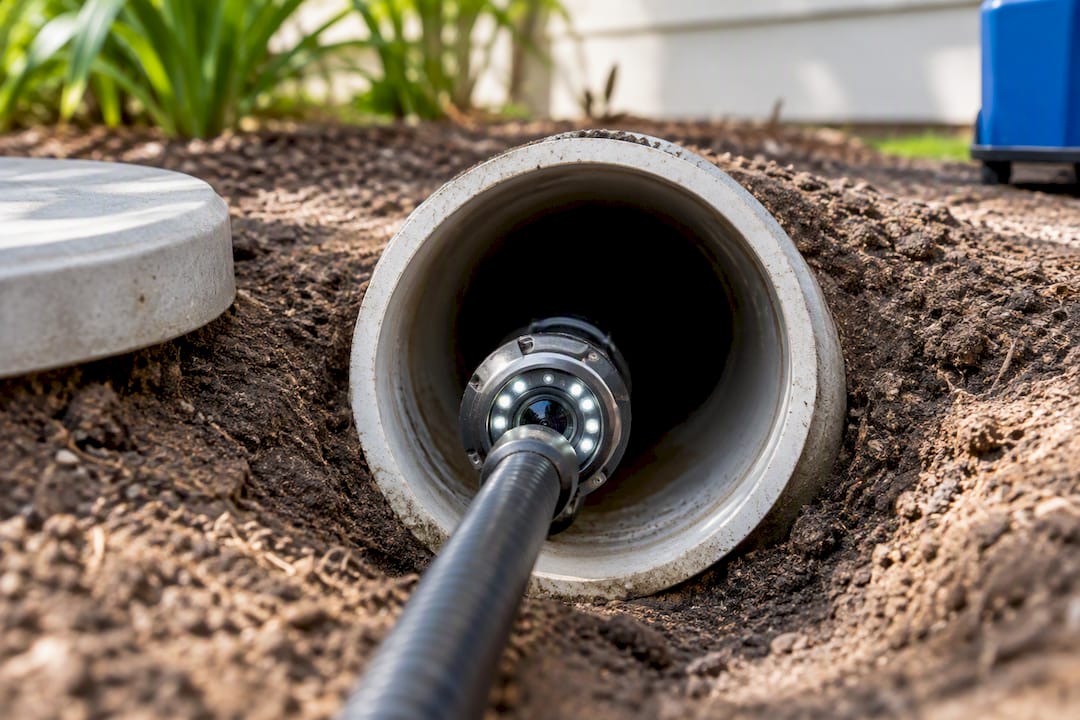
Pipe material matters too. Older clay or Orangeburg pipe sags more easily than modern PVC, and a technician will note material, depth, and any root intrusion alongside the slope reading. In some minor cases, a shallow, short belly with no active backups may simply get flagged for monitoring rather than immediate repair.
How Serious Is a Belly in a Sewer Line?
Severity runs on a continuum, and understanding where your situation falls helps you make a rational decision instead of an emotional one.
Minor: Occasional slow drainage, no standing water outdoors, camera shows a shallow dip with light debris. Monitoring with periodic camera checks is often reasonable here.
Moderate: Recurring clogs every few months, some gurgling, camera shows consistent debris buildup and a measurable slope deficit. This is usually the point where a repair plan makes sense before things worsen.
Severe: Frequent backups, sewage odors indoors or outdoors, standing water in the yard, camera shows heavy solids buildup, root intrusion, or nearby pipe damage. This calls for prompt action.
The consequences of leaving a moderate or severe belly alone build on each other. Standing water in a sag accelerates buildup and root intrusion, which raises the odds of a full backup into your home and speeds up corrosion in older pipe materials. Over months and years, that trapped waste also softens the surrounding soil, which can worsen the very sag that caused the problem in the first place.
The clearest urgency signals are simple to track: how often backups happen, and what the camera footage actually shows. One slow drain a year is very different from three backups in six months paired with visible pipe damage on camera.
What Are Your Repair Options for a Sagging Sewer Line?
Not every fix works on every belly, and knowing the limits of each method saves you money and frustration.
Snaking or hydro-jetting clears the immediate blockage but does not touch the underlying slope problem. Think of it like sweeping water off a dip in a driveway: it works until the next rain. For a true belly, expect the same clog to return.
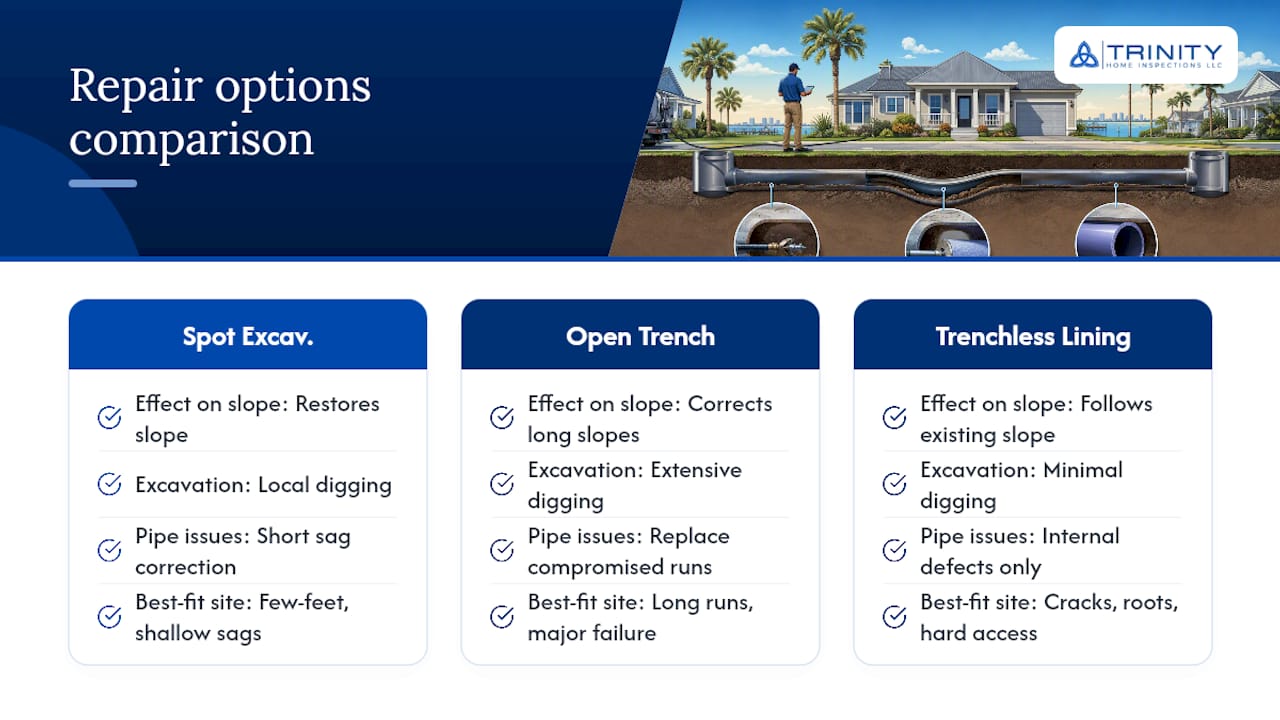
Spot excavation and regrading targets a short, localized sag. Crews dig down to the affected section, remove the pipe, re-lay it with proper bedding and slope, and backfill. This restores correct grade without disturbing the entire line and works well when the sagging section is a few feet long and reasonably shallow.
Full open-trench replacement is the answer for long runs of sagging or structurally compromised pipe, or lines where age and material failure extend well beyond one low spot. It is more invasive and takes longer, but it is the most complete fix when a belly covers a significant stretch of the lateral.
Trenchless lining inserts a resin-coated liner inside the existing pipe and cures it in place, which minimizes digging. It is excellent for internal defects like cracks, small root intrusions, or channeling. But lining follows the shape of the existing pipe, so if the pipe has actually sagged out of grade, lining locks that bad slope in permanently rather than fixing it.
Pro Tip: Ask any contractor bidding on lining work one direct question: “Will this correct the slope, or just seal the inside of the pipe?” A contractor who cannot answer clearly is a red flag.
The method a crew recommends depends on pipe material, how long and deep the sag runs, how easy the site is to access, and your budget. A short clay-pipe sag under an open side yard is a very different job than a long belly running under a driveway or mature landscaping.
What Does It Cost to Fix a Belly in a Sewer Line, and How Long Does It Take?
Cost and timeline both scale with how much of the pipe is affected and how it needs to be accessed.
Camera inspection: A small cost compared to any repair, and it is the step that determines which repair approach actually makes sense. Same-day results are typical.
Localized spot repair: Usually the least expensive fix when a sag is short and shallow, often completed within a few days.
Trenchless lining: Mid-range cost for internal defects, with less yard disruption, but it will not help if the true problem is a structural sag rather than internal wear.
Full excavation or replacement: The highest cost and longest timeline, sometimes several weeks including landscaping or driveway restoration, but it is the most thorough fix for extensive damage.
Insurance coverage depends heavily on cause. A sewer line that fails from ordinary age and wear is typically treated as a maintenance issue and excluded, while sudden pipe failure or certain types of collapse may be covered under some homeowner policies. Always check your specific policy language, since this varies by carrier and by state.
How Can You Prevent a Belly From Forming in Your Sewer Line?
Prevention is far cheaper than repair, and most of it comes down to routine attention rather than major work.
Schedule a camera inspection every few years, or immediately before buying a home with an older sewer lateral
Stay ahead of tree root intrusion with regular root treatment if you have mature trees near your line
Avoid parking vehicles, storing heavy equipment, or building structures directly above the sewer run
Grade your yard so surface water drains away from the sewer line rather than saturating the soil above it
If your home has original clay pipe in sandy or shifting soil, talk with a professional about proactive replacement before a belly forces an emergency repair
Pro Tip: If your home was built before 1980 and still has its original clay lateral, treat a camera inspection as routine maintenance, not an emergency response. Catching a small sag early is dramatically cheaper than waiting for a backup.
What a Certified Sewer Scope Inspection From Trinity Home Inspections Actually Delivers
A sewer scope inspection gives you camera footage and a professional read on what it means, not just a raw video file to interpret yourself.
Full camera pass through the accessible sewer lateral, documenting any bellies, root intrusion, cracks, or offsets
Same-day digital report with photos and video clips tied directly to what the camera found
Inspections performed by InterNACHI certified professionals, backed by liability insurance well above state minimums
Findings you can use for repair quotes or in real estate negotiations.
Homebuyers with camera footage and a documented professional assessment gain real negotiating leverage when a belly turns up during a pre-purchase inspection, because a seller is far more likely to address a defect that is clearly documented than one described secondhand.
An Inspector’s Take on What to Do When You Find a Belly
If you are buying a home and a sewer scope turns up a belly, do not panic and do not skip the footage. Watch it yourself, ask the inspector to point out exactly where the sag is and how long it runs, then get at least two repair estimates before you decide anything. A moderate belly is often a negotiating point, not a deal breaker. Depending on your closing timeline, an escrow holdback or a price adjustment can cover the repair without derailing the sale. The goal is always the same: evidence first, decisions second.
— Matt
Get a Sewer Scope Before You Guess What’s Under the Yard
Trinity Home Inspections is the straightforward alternative to guessing what is happening beneath your slab or yard: a certified inspector runs a camera through your sewer lateral and hands you a same-day report with the footage, not a verbal summary weeks later.
[

Every sewer scope inspection includes a full camera pass through the accessible lateral, photo and video documentation of any bellies, root intrusion, or damage, and a plain-English breakdown of what needs attention now versus what can wait. Trinity Home Inspections pairs that with the same InterNACHI-certified training, insurance coverage, and thermal imaging used across every home inspection it performs across Coastal Alabama. If you are buying a home, selling one, or just tired of the same drain backing up, book a sewer scope inspection today. Call 251-210-7376 or visit TrinityInspectionsLLC.com to schedule.
Sources
FAQ
How Serious Is a Belly in a Sewer Line?
Severity ranges from a minor nuisance with occasional slow drains to a severe problem with recurring backups and accelerated pipe damage. The frequency of backups and what a camera inspection shows are the best indicators of how urgently you need to act.
How Much Does It Cost to Fix a Belly in a Sewer Line?
Cost depends on how long and deep the sag runs and which repair method fits: localized spot repair is generally the least expensive option, trenchless lining falls in the middle for internal defects, and full excavation or replacement costs the most for extensive damage. A camera inspection is the step that determines which category your situation falls into.
How Do You Fix a Belly in a Sewer Line?
A true belly needs the pipe’s slope corrected, which usually means spot excavation and regrading for short sags or full trench replacement for longer, more damaged runs. Snaking only clears the immediate clog, and trenchless lining follows the existing pipe shape, so neither one restores proper grade on its own.
Is a Sewer Line Belly Covered by Insurance?
It depends on the cause: sudden pipe failure may be covered under some homeowner policies, while gradual settling or ordinary wear and tear is typically treated as a maintenance issue and excluded. Check your specific policy language, since coverage varies by carrier and by state.
Can Trinity Home Inspections Confirm a Belly Before I Buy a Home?
Yes. A sewer scope inspection from Trinity Home Inspections runs a camera through the accessible sewer lateral and delivers a same-day report with photo and video documentation of any belly, root intrusion, or damage found.
Recommended

