
Home Inspection Matters: Complete Guide for Alabama

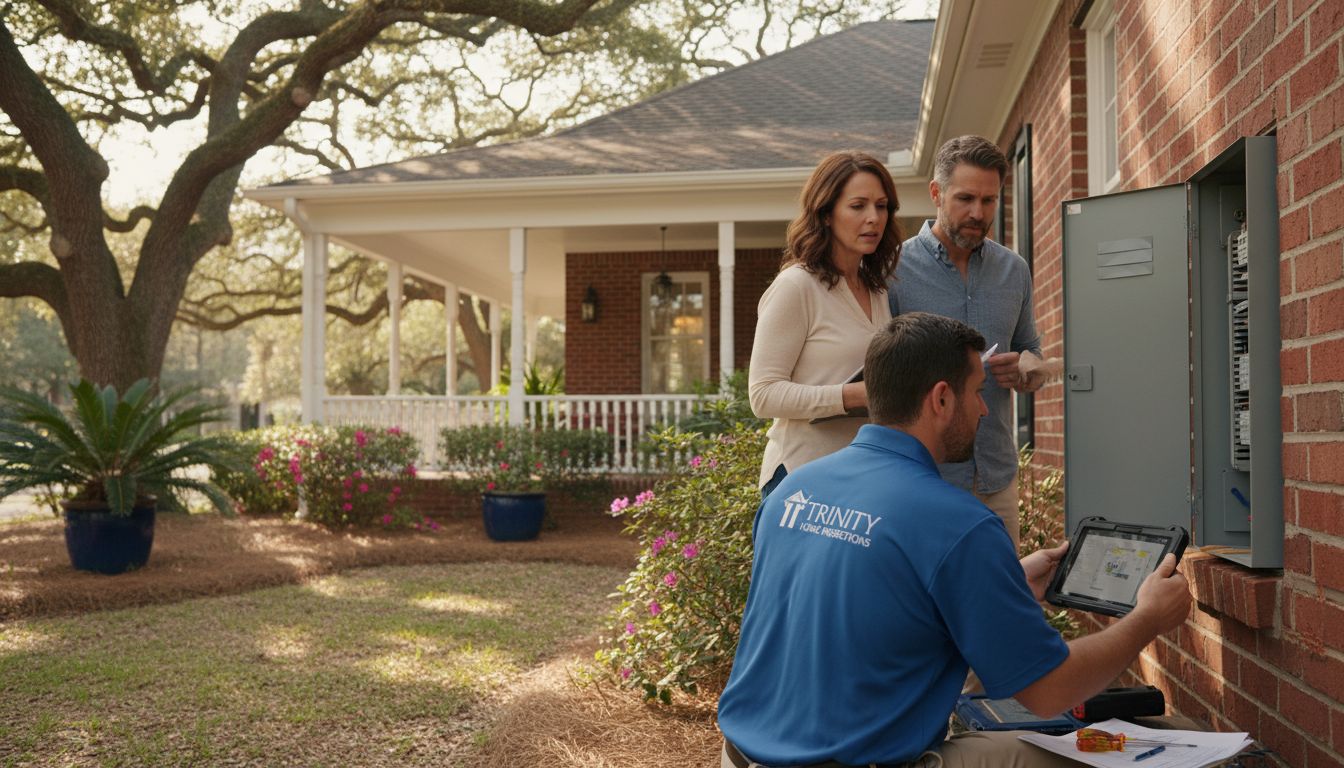
Over eighty percent of american homebuyers request a home inspection before closing, yet many people still underestimate what these detailed evaluations actually reveal. Whether you are buying, selling, or simply curious about your property, understanding home inspections matters because even minor overlooked issues can lead to major headaches and unexpected costs. This guide breaks down what a home inspection includes, why it is vital in american real estate, and how it impacts decisions for everyone involved.
Table of Contents
Key Takeaways
Point | Details |
Importance of Home Inspections | Home inspections provide critical insights into a property’s condition, helping buyers make informed decisions and avoid costly repairs. |
Types of Inspections | Various inspection types, such as structural and HVAC inspections, address specific needs and issues related to the property. |
Risks of Skipping Inspections | Not conducting a home inspection exposes buyers to hidden damages, safety hazards, and potential financial burdens. |
Impact on Transactions | Home inspections can reshape negotiations, allowing buyers to request repairs and sellers to address issues proactively before listing. |
What Is a Home Inspection? Core Concepts
A home inspection is a comprehensive professional examination of a property’s current condition, designed to identify potential issues, assess structural integrity, and provide buyers and sellers with critical insights before a real estate transaction. According to nachi.org, home inspections are systematic evaluations that cover multiple aspects of a residential property.
Typically, a home inspection involves a detailed visual assessment of key home systems and structural components. Professional inspectors thoroughly examine crucial areas including:
Electrical systems
Plumbing infrastructure
Heating and cooling mechanisms
Roof and attic conditions
Foundation and structural elements
Interior and exterior surfaces
As homeinspector.org explains, these examinations help identify potential problems that might not be immediately apparent to homeowners or potential buyers. A skilled home inspector uses specialized knowledge and tools to detect underlying issues that could represent significant future repair costs or safety concerns.
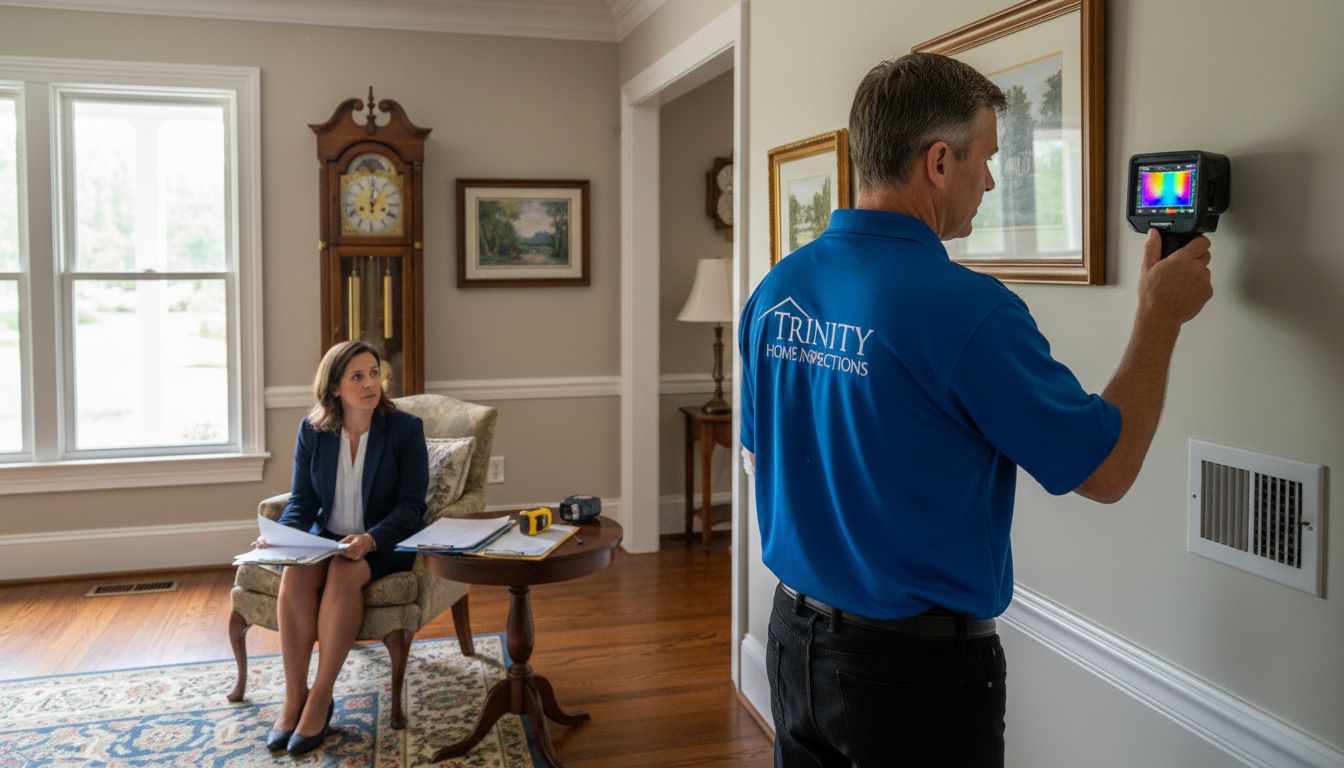
The primary goal of a home inspection is to provide a transparent, objective assessment of a property’s condition. By uncovering potential maintenance requirements, structural weaknesses, or safety hazards, these professional evaluations empower home buyers to make informed decisions. What is a Comprehensive Home Inspection? Understanding the Basics provides additional context about the crucial role home inspections play in real estate transactions.
Types of Home Inspections Explained
Home inspections are not a one-size-fits-all service. According to diamondcertified.org, different property types and buyer needs require specialized inspection approaches that go well beyond standard evaluations.
Primary types of home inspections include:
Standard Pre-Purchase Inspection: A comprehensive examination of a property’s overall condition before finalizing a real estate transaction
Structural Inspection: Detailed assessment of the home’s foundational elements, load-bearing walls, and structural integrity
Electrical System Inspection: Thorough review of wiring, electrical panels, outlets, and potential safety hazards
Plumbing System Inspection: Evaluation of pipes, water pressure, drainage, and potential leak risks
HVAC Inspection: Comprehensive analysis of heating, ventilation, and air conditioning systems
Roof Inspection: Detailed examination of roofing materials, potential damage, and remaining lifespan
nachi.org highlights that these specialized inspections help homebuyers understand the specific condition of critical home systems. Professional inspectors use specialized tools and techniques to provide in-depth insights that protect buyers from unexpected repair costs.
Depending on the property’s age, location, and unique characteristics, additional specialized inspections might be recommended. 7 Types of Inspectors Every Homebuyer Should Know can provide further context on selecting the right inspector for your specific needs. Understanding these different inspection types empowers homebuyers to make informed decisions and ensure they fully comprehend the condition of their potential property investment.
What Inspectors Look For and Why It Matters
Home inspectors serve as critical guardians of property integrity, conducting thorough investigations that protect potential buyers from hidden risks. According to nachi.org, professional inspectors meticulously examine multiple aspects of a property to uncover potential problems that might escape an untrained eye.
Key areas professional inspectors focus on include:
Structural Foundations: Checking for cracks, shifts, or potential structural weaknesses
Electrical Systems: Evaluating wiring safety, panel conditions, and potential hazard points
Plumbing Infrastructure: Examining pipe conditions, water pressure, potential leak risks
Roof and Exterior: Assessing shingle integrity, water damage potential, and structural soundness
HVAC Systems: Analyzing heating, cooling, and ventilation functionality and efficiency
Interior Spaces: Investigating wall conditions, floor stability, and potential moisture issues
homeinspector.org emphasizes that these comprehensive evaluations go beyond surface-level observations. Professional inspectors use specialized tools and techniques to detect underlying problems that could represent significant financial risks or safety concerns for potential homeowners.
Understanding the depth of a professional home inspection is crucial for making informed real estate decisions. Understanding the Role of Inspector in Real Estate provides additional insights into how these detailed assessments protect buyers and sellers alike. By identifying potential issues before a property transaction, home inspections serve as an essential risk management tool in the complex world of real estate.
Risks of Skipping a Home Inspection
Skipping a professional home inspection is like driving blindfolded through an unfamiliar city. According to nachi.org, forgoing a thorough property examination exposes homebuyers to significant financial and safety risks that can transform a dream home into an expensive nightmare.
Specific risks of skipping a home inspection include:
Hidden Structural Damage: Undetected foundation cracks or roof deterioration
Electrical Hazards: Outdated wiring that increases fire risks
Plumbing Nightmares: Potential pipe damage leading to catastrophic water damage
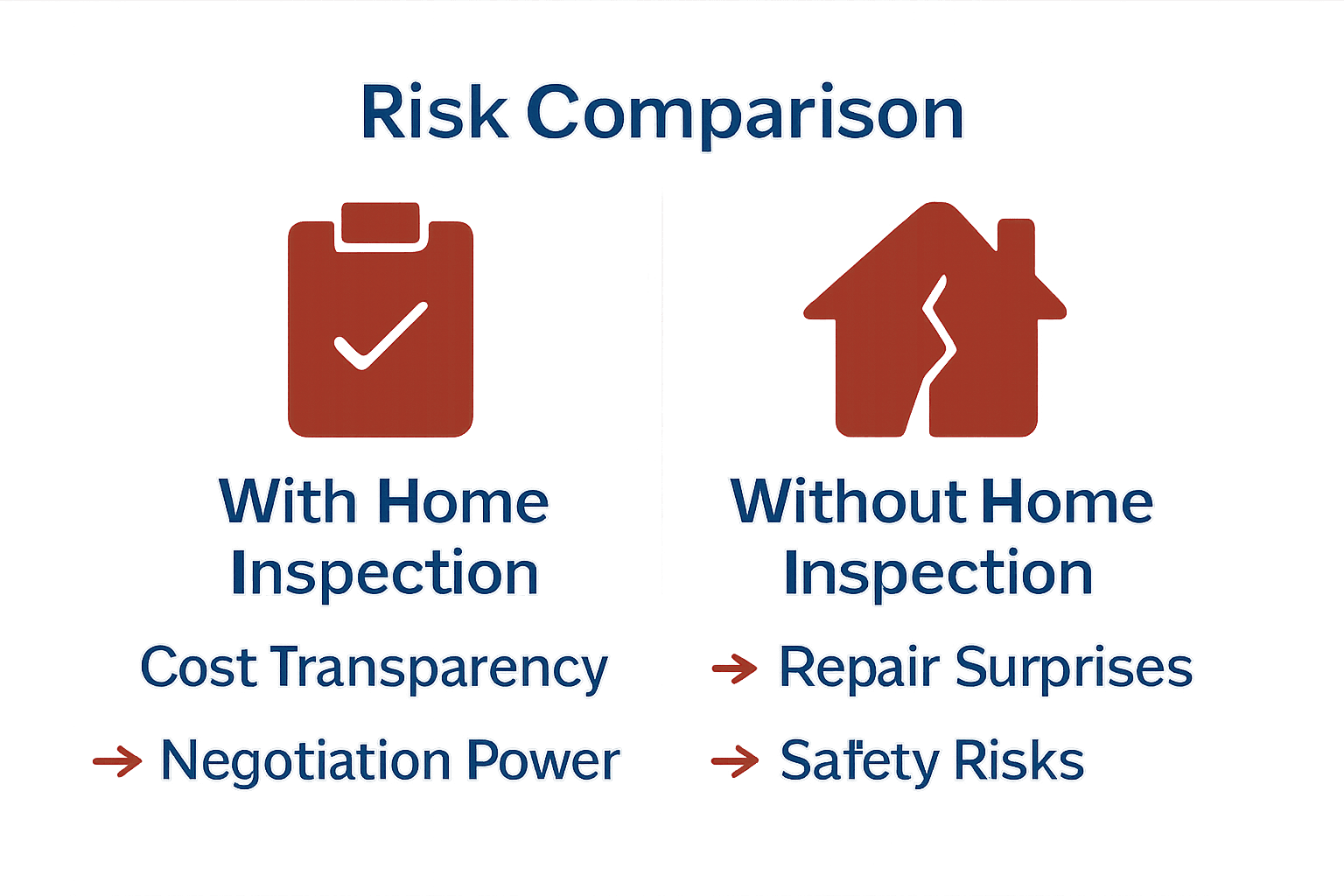
Costly Repair Surprises: Unexpected system failures requiring thousands in emergency repairs
Safety Concerns: Potential health risks from mold, radon, or structural instabilities
Reduced Property Value: Unresolved issues that can dramatically decrease future resale potential
nachi.org emphasizes that the seemingly small upfront cost of a home inspection can save homebuyers exponentially more in potential repair and replacement expenses. Professional inspections reveal hidden problems that might remain undetected until they become major, wallet-draining issues.
The financial implications are stark. The Essential Guide to Home Inspections Before Buying highlights that most homebuyers who skip inspections end up facing repair costs far exceeding the initial inspection fee. By investing a few hundred dollars in a comprehensive home inspection, you can potentially save thousands and protect yourself from catastrophic financial surprises.
How Home Inspections Affect Buyers and Sellers
Home inspections are a critical turning point in real estate transactions, fundamentally reshaping negotiations and expectations for both buyers and sellers. According to nachi.org, professional inspections provide a transparent framework that transforms potential conflicts into collaborative problem-solving opportunities.
For buyers, home inspections offer critical insights:
Negotiation Power: Identifying repair needs that can reduce purchase price
Risk Mitigation: Understanding potential future maintenance expenses
Informed Decision Making: Revealing hidden property conditions
Repair Request Leverage: Compelling sellers to address significant issues
For sellers, inspections provide strategic advantages:
Proactive Problem Solving: Identifying and addressing issues before listing
Pricing Transparency: Establishing fair market value
Credibility Enhancement: Demonstrating property maintenance commitment
Reducing Transaction Friction: Minimizing unexpected surprises
homeinspector.org emphasizes that these assessments create a mutual understanding that protects both parties’ interests. Professional inspections transform real estate transactions from potentially adversarial interactions into collaborative experiences.
Complete Guide to Inspections in Real Estate Sales provides additional insights into how these professional evaluations can streamline property transactions, ensuring both buyers and sellers move forward with confidence and clarity.
Secure Your Alabama Home with Trusted Inspections from Trinity Home Inspections
Buying or selling a home in Alabama means making decisions that impact your financial future and peace of mind. This detailed guide highlights the real risks of skipping a professional inspection such as hidden structural damage or costly repairs. You deserve clear, honest insights about the property you are investing in. Trinity Home Inspections understands these challenges and offers thorough, unbiased evaluations that empower you to make smart choices with confidence.
Start your journey to a safer home today by partnering with a local, family-owned business led with integrity and care. Discover how our commitment to excellence can protect you from unexpected surprises and costly repairs. Visit Trinity Home Inspections to schedule a comprehensive inspection and learn more about the importance of professional home inspections in Alabama real estate. Don’t wait until after closing to find out what could have been caught earlier.
Frequently Asked Questions
What is a home inspection?
A home inspection is a professional examination of a property’s condition to identify potential issues, assess structural integrity, and provide critical insights before a real estate transaction.
Why is it important to get a home inspection before buying a house?
Getting a home inspection helps buyers uncover hidden problems that might lead to costly repairs. It also provides negotiation power by identifying repair needs that can influence the purchase price.
What types of inspections are available for home buyers?
There are several types of home inspections available, including standard pre-purchase inspections, structural inspections, electrical system inspections, plumbing inspections, HVAC inspections, and roof inspections, each focusing on specific aspects of the property.
What risks are associated with skipping a home inspection?
Skipping a home inspection can expose buyers to hidden structural damage, electrical hazards, plumbing issues, unexpected repair costs, safety concerns, and potential reductions in property value due to unresolved issues.
Recommended
