The Complete 11-Month Builder Warranty Inspection Checklist for New Homes in Daphne, Spanish Fort, and Fairhope

An 11-month builder warranty inspection is your final opportunity to identify and report issues in your new home while the builder is still responsible for repairs. This inspection is crucial because, after living in your home for nearly a year, problems caused by seasonal changes, settling, or environmental factors often become visible. By addressing these issues before the warranty expires, you can save thousands in future repair costs.
Key Highlights:
Common Issues Found: Nail pops, foundation cracks, moisture problems, HVAC inefficiencies, and drainage issues.
Unique Challenges in Alabama Gulf Coast Homes: High humidity, salt-laden air, and shifting soils make these inspections especially important in Daphne, Spanish Fort, and Fairhope.
Inspection Process: Inspectors use advanced tools like thermal imaging and drones to detect hidden problems. Reports are detailed, color-coded, and builder-ready.
Cost Savings: Inspections typically cost $300 but can save homeowners $3,000–$15,000 in repairs.
This checklist ensures you don’t miss any critical areas, from interior walls and plumbing to roofs, HVAC systems, and crawlspaces. By documenting defects with photos and submitting a professional report, you can ensure your builder addresses all necessary repairs before the warranty ends.
Interior and Structural Inspection Checklist
Whole-House Interior Walkthrough
Take your time walking through each room, paying close attention to every detail. Examine walls, ceilings, floors, doors, windows, and trim for any cracks, gaps, or signs of misalignment. Check for issues like nail pops, peeling drywall tape, or cracks on walls and ceilings. As you move through the rooms, feel for soft spots, squeaky areas, or uneven flooring. Ensure doors and windows open and close smoothly while maintaining a tight seal. Inspect trim, baseboards, and cabinetry for any separation or gaps at the joints. Lastly, take note of any signs of settling in the foundation and structure.
Foundation and Structural Issues to Look For
Foundation settling is a normal occurrence, especially in newly constructed homes, but it can lead to problems like slab cracks or misaligned doors within the first year. Homes in areas like Daphne, Spanish Fort, and Fairhope are particularly susceptible due to the clay-rich soil and fluctuations in moisture levels. Look closely at the slab or foundation walls for visible cracks, particularly diagonal ones near door frames or windows, as these may signal structural movement. In the attic, inspect the roof framing and sheathing for signs of stress. Be sure to document any defects with clear photographs.
Once you've assessed the structure, check for moisture-related issues that might worsen existing problems.
Moisture and Ventilation Problems
The coastal environment and high humidity levels make moisture control a priority. Examine bathrooms, kitchens, and laundry spaces for water stains on ceilings or walls near fixtures, discoloration around toilets, or soft, bubbling flooring - these could point to hidden leaks.
Test every exhaust fan in bathrooms and the kitchen by turning them on and holding a piece of tissue near the vent. The tissue should be pulled toward the fan, indicating proper airflow. Poor ventilation can trap humidity, leading to mold and long-term damage. Additionally, inspect plumbing connections under sinks and behind appliances for drips, corrosion, or loose fittings. Tackling these small problems early can save significant repair costs down the road.
sbb-itb-3aaca89
Various discoveries on an 11 month Warranty Inspection
Exterior, Roof, and Site Inspection Checklist
After completing an interior evaluation, it’s time to turn your attention to the exterior features that protect your home and maintain its structural health.
Grading and Drainage Around the Foundation
After a rainstorm, observe how water flows around your home. If you notice water pooling within five to ten feet of the foundation and lingering for more than 24 hours, this is a clear sign of a drainage issue that requires immediate attention. Additionally, check the roof and gutter systems to ensure they are functioning properly and directing water away from the home.
Roof and Gutter Inspection
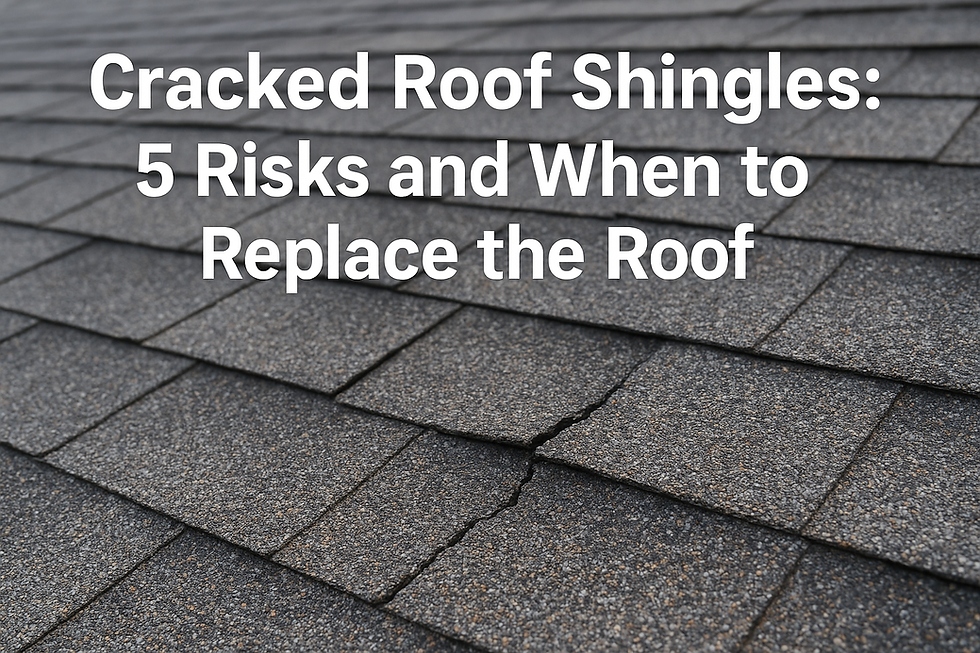
From the ground, carefully inspect the roofline for any signs of damage, such as missing, lifted, or curling shingles. Pay special attention to areas where water is more likely to penetrate, like valleys, vents, chimneys, or skylights, to identify potential flashing issues.
For roofs that are steep or difficult to access safely, consider using a drone inspection service, priced at $35. This service provides high-resolution images of shingles, flashing, and gutter attachments, making it easier to identify issues. Also, confirm that gutters are securely attached, have the correct pitch for proper drainage, and direct water away from the foundation.
Once the roof and gutter system are in good shape, proceed to evaluate the condition of the exterior walls, windows, and doors.
Exterior Walls, Windows, and Doors
The condition of exterior walls, windows, and doors is just as important as interior features when it comes to your home’s performance. Check each window and door frame for gaps between the frame and the surrounding wall. Run your fingers along the edges to detect any spaces. Look for caulk that is cracking, pulling away, or missing. In a newly built home, such issues should not occur, and if they do, they should be addressed as part of the builder’s warranty.
Ensure that flashing above windows and doors is visible and properly layered to direct water outward, preventing it from seeping behind the cladding.
For homes with stucco or EIFS (Exterior Insulation and Finish System) cladding, extra caution is necessary. These materials can trap moisture if not installed correctly, and damage may remain hidden until it becomes severe. To catch potential problems early, consider a moisture probe inspection, which costs about $175. This specialized inspection can identify hidden water intrusion that might lead to structural damage. Trinity Home Inspections also offers thermal imaging to detect insulation gaps and moisture pockets behind exterior walls that are not visible to the naked eye.
When identifying defects, inspectors often refer to the NAHB Residential Construction Performance Guidelines to determine whether an issue qualifies as a required builder repair.
"I treated these jobs more like construction inspections as opposed to SOP home inspections... I also cited [the Residential Construction Performance Guidelines] letting them also know that I knew the standards they were expected to meet." - Joseph Burkeson, CMI
Mechanical Systems and Energy Performance Checklist
After reviewing the exterior, turn your attention to your home's mechanical systems. These checks are essential to ensure comfort and safety, especially before the builder’s one-year warranty expires. Mechanical problems in new construction often go unnoticed until it's too late.
HVAC System Performance Checks
Start by setting the thermostat to cooling mode and letting the system run for about 15 minutes. Check every supply vent to ensure airflow is strong and consistent. Weak airflow could point to duct leaks or an imbalance in the system. This is especially important in humid areas like Daphne and Fairhope, where poorly sealed ducts might pull in moist, unconditioned air, potentially leading to mold issues. Also, inspect the condensate drain line near the air handler to ensure it’s clear and draining properly. Make sure the air handler cabinet is sealed tightly to prevent conditioned air from escaping into the attic. Performing these checks now can help you address any warranty-covered issues before time runs out.
Once the HVAC system is reviewed, move on to plumbing fixtures to ensure they’re functioning as expected.
Plumbing and Fixture Inspection
Test all faucets, showerheads, and outdoor hose bibs for steady water pressure. If only one fixture has low pressure, it could be due to a partially closed valve or a problem with the flow restrictor. However, if low pressure affects the entire house, it might indicate an issue with the pressure regulator. To check the water heater’s setup, run hot water at the fixture farthest from it and see if the system delivers as expected.
Inspect the caulking around tubs, sinks, and showers. Cracked or separating caulk is a common issue in new homes and should be addressed under warranty. Look at toilet bases and under sinks for signs of leaks, such as stains, soft flooring, or musty smells. These subtle signs could point to hidden plumbing problems. A professional warranty inspection can help identify these issues before they escalate.
Electrical Safety and Built-In Appliances
Test all GFCI outlets by pressing the "Test" button to confirm power loss, then press "Reset" to restore power. Do the same for AFCI breakers using their test functions. For smoke alarms, press and hold the test button until the alarm sounds. If any alarms fail to work, they should be reported as defects for the builder to fix.
Don’t forget to check built-in appliances, doorbells, exhaust fans, and range hoods. Run each appliance to ensure they’re operating smoothly, listening for odd noises or watching for error codes. Take clear photos of any defects to support warranty claims.
Attic, Garage, and Moisture Control Checklist
When inspecting a home, pay special attention to attics, garages, and crawlspaces. These areas are particularly vulnerable to trapped moisture and mold, especially in Gulf Coast homes.
Attic and Insulation Inspection
Start by examining the roof sheathing. Look for staining or dark discoloration, as these are often signs of a roof leak or poor ventilation. In humid regions like Daphne and Fairhope, inadequate attic ventilation can create warm, damp conditions that encourage mold to thrive.
Check that insulation is evenly distributed and doesn’t leave gaps near the eaves, as this can lead to energy loss. Also, make sure all attic vents - both intake and exhaust - are clear and properly installed. Certified master inspector Joseph Burkeson, CMI, emphasizes the importance of thorough inspections, stating:
"I treated these jobs more like construction inspections as opposed to SOP home inspections so I had to design my own report template. Most of the time my clients were attempting to get the builder back in to perform some kind of repair and was looking for someone who could help them in their endeavor."
Once attic issues are addressed, turn your attention to the garage and any detached structures.
Garage and Detached Structure Checks
Inspect garages and detached structures for signs of moisture problems. Be on the lookout for musty odors, doors or windows that stick, discoloration, or warping, as these can indicate moisture intrusion.
Afterward, move on to the crawlspace, an area particularly susceptible to moisture accumulation.
Crawlspace and Moisture Management
Crawlspaces demand careful inspection, especially in areas like Spanish Fort, where humid air frequently meets cooler surfaces, leading to condensation. Look for signs such as standing water, wet insulation, or white mineral deposits on foundation walls, which often point to moisture seepage.
Check that the vapor barrier - a 6-mil polyethylene sheet - is properly placed. It should lie flat on the ground, with seams overlapping by at least 12 inches and secured at the edges. Additionally, confirm that crawlspace vents are open and unobstructed to maintain proper cross-ventilation during the Gulf Coast’s humid season.
Conclusion: How to Prepare a Builder Warranty Claim
Once you’ve completed the checklist, it’s time to organize your findings into a clear and concise warranty claim that your builder can address effectively.
How to Prioritize and Document Defects for Your Builder
Not all defects are created equal. Focus on safety and structural concerns first - issues like roof leaks, water intrusion, and HVAC failures should top your list, as these problems can escalate if left unresolved. Be thorough in documenting each defect by including photographs, a description of its location, and an explanation of why it’s important. Cross-check these findings with your original pre-closing punch list to identify any lingering issues. When submitting your report to the builder, aim for a professional and solution-oriented tone. Timing is also key: scheduling an inspection around the 11-month mark gives you enough time to file your claim before the 12-month warranty period ends.
A well-documented claim becomes even stronger when paired with expert input.
Why a Professional Inspection From Trinity Home Inspections Matters
Professional inspections often reveal issues that homeowners might overlook. Trinity Home Inspections uses advanced tools, such as thermal imaging, to spot hidden problems like moisture or insulation gaps - details that can significantly enhance your warranty claim.
"Builder warranty inspections are a great opportunity to identify concerns before the warranty period expires, especially in our Gulf Coast environment where moisture, wind-driven rain, HVAC performance, and exterior details can really matter." - Matt Cameron, Owner-Inspector, Trinity Home Inspections
Their reports, delivered the same day, are designed to be user-friendly. They include color-coded severity levels (DIY/Minor, Issues/Defects, and Safety/Major), detailed photographs, and straightforward explanations. Trinity also tests accessible outlets, switches, windows, and doors, ensuring no potential defect goes unnoticed. With 11-month warranty inspections starting at $300 and backed by a 5.0-star rating from 153 Google reviews, Trinity Home Inspections has built a strong reputation for its detailed and reliable service on new builds. This comprehensive approach ensures your warranty claim process is not only smooth but also helps protect your investment effectively.
FAQs
When should I schedule my 11-month warranty inspection?
Schedule your 11-month warranty inspection roughly 11 months after moving into your new home. Plan it a few weeks before the warranty expires to ensure there's enough time to spot any issues and complete repairs that fall under the warranty.
What issues in Gulf Coast homes are most likely to show up after a year?
After a year, homes along the Gulf Coast frequently encounter issues like foundation settling, HVAC performance problems, and moisture intrusion. These challenges are typical for the area and highlight the importance of conducting a thorough 11-month builder warranty inspection. This inspection ensures any problems are identified and resolved before the warranty period ends.
How do I submit a builder-ready warranty claim with photos and notes?
To file a warranty claim that’s ready for your builder to review, start by compiling a thorough report. Include clear, detailed photos of the issues, written descriptions explaining the problems, and any relevant supporting documents. Submit your claim through the channels specified by your builder, such as email, an online portal, or a designated claim form. For precise instructions, check your warranty documents or reach out to your builder directly for assistance.