
4 Point Inspection Repairs That Delay Insurance Approval

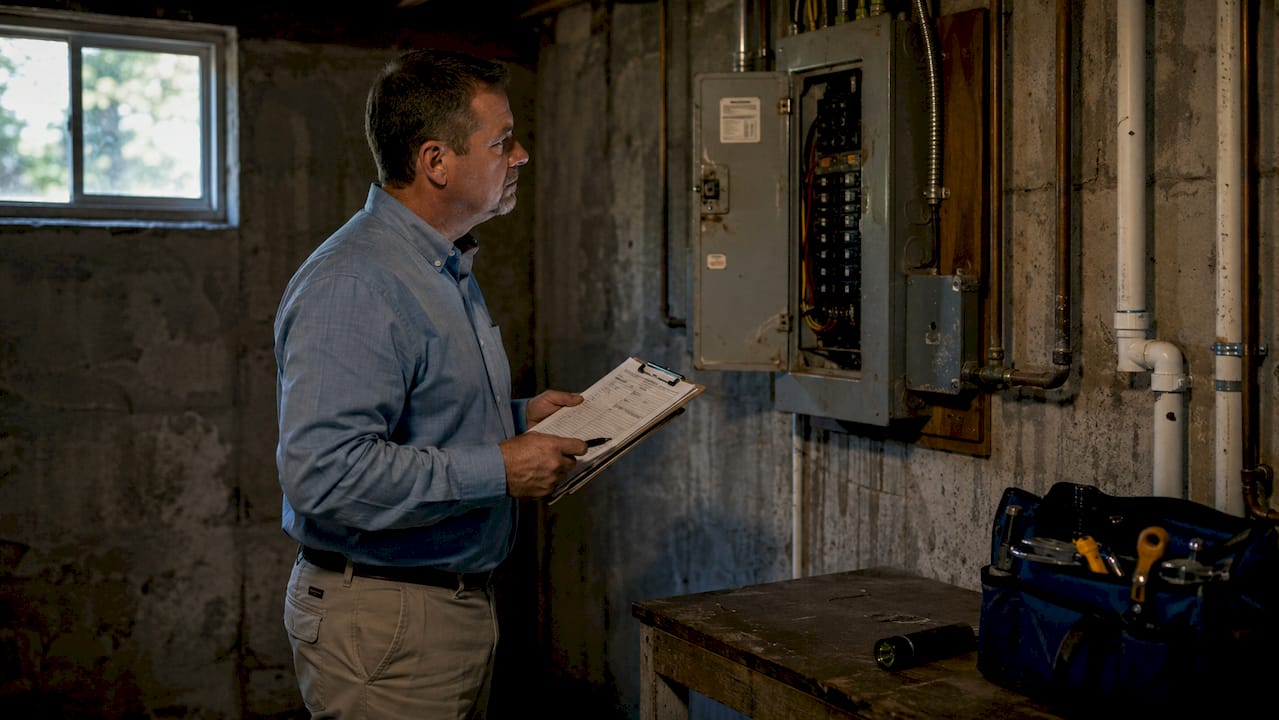
A 4 point inspection is defined as a focused evaluation of four home systems: the roof, electrical, plumbing, and HVAC. Insurance underwriters use this report to assess risk before issuing or renewing a homeowners policy. The 4 point inspection repairs that commonly delay insurance approval fall into predictable categories, and knowing them before your inspection gives you a real advantage. Alabama homeowners face particular pressure here because Gulf Coast insurers apply strict standards to aging homes in high-humidity, storm-prone areas. This guide covers every major repair category, what it costs, and how to move through the process without losing weeks at the closing table.
1. 4 Point Inspection repairs that commonly delay insurance approval: an overview
A 4 point inspection does not technically pass or fail. The report documents conditions, and the insurer decides coverage based on its own internal risk standards. That distinction matters because many homeowners assume a clean-looking home will sail through. In practice, a single flagged item, such as a Federal Pacific electrical panel or polybutylene pipes, can trigger an automatic denial until the repair is complete and documented.
The four systems covered are the roof, electrical panel and wiring, plumbing supply and drain lines, and the HVAC unit. Each system has specific age thresholds, material red flags, and condition requirements that insurers watch closely. Understanding which repairs affect insurance approval most often is the first step toward getting coverage without unnecessary delays.
2. Roof age and condition issues
Roof problems are the single most common reason insurance approval stalls after a 4 point inspection. Roofs with fewer than 3–5 years of remaining useful life are a critical trigger for coverage denial or a requirement to repair before binding a policy. Insurers in Alabama, especially those writing policies near Mobile Bay or the Gulf Coast, treat roof condition as their top risk indicator because of hurricane and storm exposure.
Common roof defects that show up in inspection reports include:
Lifted or missing shingles that expose the underlayment to moisture
Visible leaks or water staining at the decking or in the attic
Damaged or missing flashing around chimneys, vents, and skylights
Granule loss on asphalt shingles, signaling the end of the shingle’s protective life
Improper layering, where a second layer of shingles was added over a failing first layer
Roof replacement in Alabama typically runs between $8,000 and $18,000 depending on size, pitch, and material. Some insurers will accept a roof certification from a licensed roofer confirming remaining life, which can buy time without a full replacement. That certification must come from a licensed contractor and be submitted with the inspection report.
Pro Tip: Schedule your 4 point inspection before your insurer requests one. If the roof is near the end of its life, you have time to get contractor bids and plan the repair without the pressure of a policy deadline.
3. Electrical panel and wiring problems
Electrical issues are the second most common source of insurance approval delays, and some panel brands create automatic denials. Federal Pacific and Zinsco panels require replacement costing $1,500 to $4,000, and most carriers will not bind coverage until the work is complete. These panels have documented histories of breaker failure and fire risk, which is why insurers treat them as non-negotiable.
Other electrical red flags that show up on 4 point inspection reports include:
Knob-and-tube wiring, common in homes built before 1950, which lacks a ground wire and cannot safely handle modern electrical loads
Aluminum branch circuit wiring, installed widely in the 1960s and 1970s, which expands and contracts with heat and creates fire risk at connections
Double-tapped breakers, where two wires share a single breaker slot not rated for that configuration
Overloaded panels with breakers that have been bypassed or modified
Insurers require that all electrical repairs be completed by a licensed electrician, pulled with a permit, and documented with a final inspection sign-off. A handwritten receipt from an unlicensed contractor will not satisfy an underwriter. The insurance approval process moves faster when you submit the permit, the contractor’s license number, and the final inspection certificate together.
Pro Tip: Pull the permit before work begins, not after. Some homeowners try to save money by having work done without a permit, then discover the insurer requires a permitted repair. Retroactive permits are possible but add weeks to your timeline.
4. Plumbing defects that hold up coverage
Plumbing findings cause some of the most expensive repair delays in the insurance approval process. Polybutylene piping replacement costs between $4,000 and $10,000 and almost always blocks standard coverage until the pipes are replaced. Polybutylene was installed widely in Alabama homes built between 1978 and 1995. The material degrades from the inside out, and failures are often invisible until a pipe bursts. If your home has gray plastic supply lines, this is worth investigating before your inspection.
Other plumbing conditions that delay insurance approval include:
Active leaks under sinks, at water heater connections, or at supply line fittings. Any documented active leak must be repaired before a carrier will bind coverage.
Aging galvanized steel pipes, which corrode internally and restrict water flow over time
Cast iron drain lines showing significant corrosion or separation, common in homes built before 1970
Improper repairs, such as mismatched fittings or flexible connectors used in permanent applications
All plumbing repairs must be completed by a licensed plumber with permits pulled and inspected. The risks of polybutylene pipes for Baldwin County homeowners are well documented, and replacing them before listing or before requesting coverage is the cleanest path forward. Keep all invoices, permits, and inspection records in a single folder you can hand directly to your insurance agent.
5. HVAC system age and condition
HVAC findings delay insurance approval less often than roof or electrical issues, but they still create problems when the equipment is old or failing. Many carriers will not insure HVAC units older than 20 years or units showing signs of active failure. In Alabama’s climate, where air conditioning runs hard from april through october, HVAC systems age faster than in cooler states.
Key HVAC conditions that raise flags during a 4 point inspection include:
Units at or past the 18–20 year mark, which insurers treat as high replacement risk
Visible rust, corrosion, or refrigerant leaks at the air handler or condenser
Non-functional heating or cooling confirmed during the inspection
Missing or damaged ductwork that suggests the system cannot perform safely
A recent service record from a licensed HVAC technician helps your case significantly. If the unit is older but has been maintained, serviced annually, and is still functioning well, that documentation can satisfy some carriers. Replacement costs for a full HVAC system in Alabama typically range from $5,000 to $12,000 depending on the size of the home and the equipment selected. Timing a replacement before your inspection, rather than after a denial, saves you the resubmission delay.
6. Documentation and access gaps that slow the process
Missing documentation and blocked access points are the most underestimated causes of insurance approval delays. Documentation errors like missing permits cause 3–5 business day resubmission delays, and inspection scheduling gaps add additional days to an already tight timeline. These delays are entirely preventable.
Common access problems that trigger re-inspections
Blocked access to electrical panels, attics, and HVAC units forces inspectors to note areas as inaccessible. An inaccessible note on a 4 point report is not neutral. Insurers treat it as an unknown risk, which often results in a hold or a request for a second inspection. Clear the path to every access point before the inspector arrives.
The documentation checklist insurers expect
Licensed, insured professional repairs with permits and documentation are required by insurers. DIY repairs or undocumented work typically cause inspection failures or coverage denials. Organize the following before submitting your report to the carrier:
Permits for every repair completed, with final inspection sign-off from the local building department
Contractor invoices showing the company name, license number, and scope of work
Manufacturer warranties for new roofing, HVAC equipment, or water heaters
Service records for HVAC maintenance and any recent plumbing or electrical work
Photos of completed repairs, especially for roof work where the insurer cannot easily verify
Pro Tip: Submit your documentation packet to your insurance agent before the inspection report arrives. Agents who receive both at the same time can process your file in one review cycle instead of two, cutting days off your approval timeline.
Documentation item | Why it matters to insurers |
Pulled permit with final sign-off | Confirms work meets local code and was inspected |
Licensed contractor invoice | Proves repair was done by a qualified professional |
Manufacturer warranty | Shows new materials meet minimum life expectancy standards |
HVAC service record | Demonstrates ongoing maintenance, reducing replacement risk |
Repair photos | Provides visual proof for items not visible during inspection |
Key takeaways
The fastest path to insurance approval after a 4 point inspection is fixing the right repairs first, using licensed contractors, and submitting complete documentation before the insurer asks for it.
Point | Details |
Roof age is the top trigger | Roofs with fewer than 3–5 years of life remaining cause the most common insurance denials. |
Panel brands matter | Federal Pacific and Zinsco panels cost $1,500–$4,000 to replace and trigger automatic holds. |
Polybutylene pipes are a major cost | Replacement runs $4,000–$10,000 and is required before most carriers will bind coverage. |
HVAC age has a hard limit | Units older than 20 years are frequently rejected by carriers regardless of apparent condition. |
Documentation prevents resubmission | Missing permits or unlicensed repair records add 3–5 business days per resubmission cycle. |
What I’ve learned from Alabama 4 point inspections
One thing I see repeatedly is homeowners treating the 4 point inspection like a pass/fail test. They assume that if the house looks fine, the report will be fine. That is not how it works. The report documents conditions. The insurer decides what those conditions mean for their risk appetite. A home that looks well-maintained can still have a Federal Pacific panel behind a finished wall or polybutylene pipes running under the slab.
The homeowners who move through the process fastest are the ones who get their inspection done early, before the insurer requests it, and before a closing deadline creates pressure. They use that window to get contractor bids, pull permits, and organize their paperwork. By the time the insurer receives the report, the repair documentation is already in the agent’s hands.
My honest advice: work with an independent insurance broker, not just a single carrier. Independent brokers can shop your property across multiple carriers, and some carriers have more flexibility on older HVAC units or aging roofs than others. If one carrier denies coverage, that is not the end of the road. It is a signal to look at your options more carefully.
The other thing I would tell any Alabama homeowner is to avoid last-minute repair rushes. A contractor who knows you are closing in two weeks will price accordingly. Permits take time. Final inspections take time. Give yourself at least 30–60 days between your 4 point inspection and your coverage deadline, and you will have room to handle whatever the report turns up without panic.
— Matt
Trinity Home Inspections is ready to help you prepare
Getting ahead of insurance delays starts with knowing exactly what your home’s four systems look like before the underwriter does.
[
Trinity Home Inspections serves Baldwin, Mobile, Escambia, Washington, Monroe, and Clarke counties with InterNACHI-certified 4 point inspections and same-day photo and video reports. If you need to verify permits or pull deed records before your inspection, the permit and deed search service covers Baldwin, Mobile, and Escambia counties and helps you confirm that past repairs were properly documented. Call 251-210-7376 or visit TrinityInspectionsLLC.com to schedule your inspection and get the clarity you need before your insurer asks the questions.
FAQ
What does a 4 point inspection cover?
A 4 point inspection covers four systems: the roof, electrical panel and wiring, plumbing supply and drain lines, and the HVAC unit. Insurers use the report to evaluate risk before issuing or renewing a homeowners policy.
Can a 4 point inspection cause my insurance to be denied?
The inspection itself does not deny coverage. The insurer reviews the findings and applies its own risk standards. Specific conditions like Federal Pacific panels, polybutylene pipes, or roofs near the end of their life commonly trigger denials until repairs are complete.
How long does it take to get insurance approval after repairs?
Timeline depends on documentation completeness. Missing permits or unlicensed repair records cause resubmission delays of 3–5 business days per cycle. Submitting a complete documentation packet with your inspection report speeds up the review significantly.
Do repairs need to be done by a licensed contractor?
Yes. Insurers require repairs to be completed by licensed professionals with permits pulled and a final inspection on record. Undocumented or DIY repairs are a leading cause of inspection failures and coverage denials.
What is the most expensive repair that delays insurance approval?
Polybutylene pipe replacement is typically the most expensive single repair, ranging from $4,000 to $10,000. Federal Pacific or Zinsco panel replacement runs $1,500 to $4,000. Both are required before most carriers will bind a standard homeowners policy.
Recommended