
Polybutylene Pipes: Risks for Baldwin Homebuyers

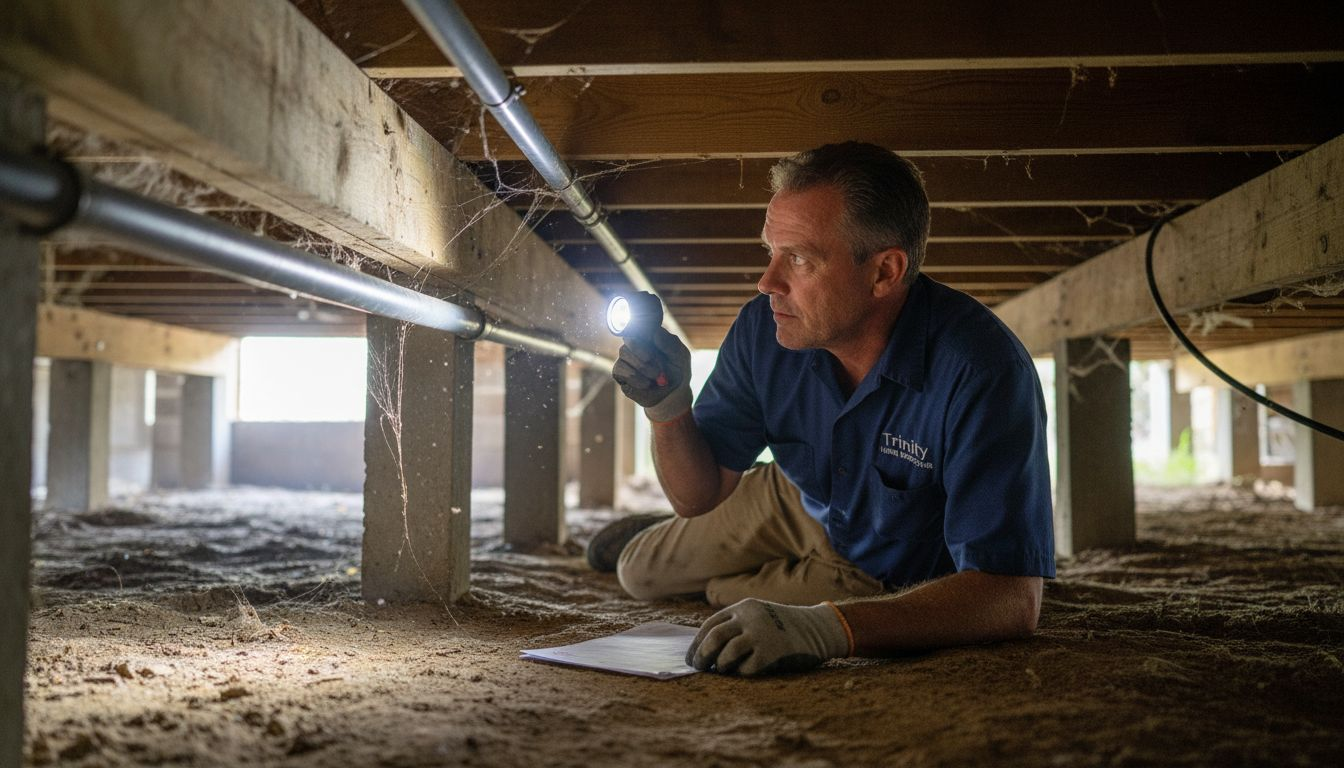
Buying a home in Baldwin County means more than finding the perfect floor plan. Many properties built before the mid-1990s carry hidden risks, and one of the most concerning is the presence of polybutylene pipes. These pipes were once seen as an affordable plumbing solution, but chemical reactions with water disinfectants like chlorine can cause them to deteriorate from within and lead to costly water damage. Understanding the risks and replacement options helps you protect your future investment before signing on the dotted line.
Table of Contents
Key Takeaways
Point | Details |
Polybutylene Pipe Risks | Matured homes with polybutylene pipes can experience internal degradation, leading to significant water damage without visible signs. Homeowners are advised to have their plumbing systems inspected if built between 1978 and 1995. |
Insurance Challenges | Homebuyers may face increased insurance premiums or outright denial of coverage due to polybutylene pipes, impacting resale value and financial risk. It’s crucial to conduct comprehensive insurance assessments when purchasing such properties. |
Replacement Costs | Replacing polybutylene pipes can be expensive, often ranging from $3,000 to over $10,000, making it vital for homeowners to explore safer, modern alternatives like PEX, CPVC, and copper. |
Importance of Professional Inspections | Identification of polybutylene pipes requires specialized knowledge; therefore, homeowners should request detailed inspections, including thermal imaging, to locate these pipes effectively. |
What Are Polybutylene Pipes?
Polybutylene (PB) pipes represent a unique chapter in residential plumbing history, characterized by widespread use and eventual controversy. Manufactured between 1978 and mid-1995, these flexible plastic pipes were once considered an innovative and cost-effective alternative to traditional copper piping systems. Plumbing experts recognized these pipes for their remarkable characteristics: low cost, ease of installation, and resistance to freezing temperatures.
The pipes shared structural similarities with other plastic piping materials like PEX and polyethylene, making them attractive to builders and homeowners seeking affordable plumbing solutions. However, these pipes harbored a critical design flaw that would ultimately lead to their downfall. Chlorine and other water disinfectants could cause internal pipe deterioration, creating microscopic cracks that compromised the entire plumbing system’s integrity.
Key characteristics of polybutylene pipes included:
Manufactured from 1978 to 1995
Flexible plastic composition
Significantly cheaper than copper pipes
Gray, black, or white coloration
Primarily used in residential water supply lines
Class-action lawsuits ultimately exposed the systemic problems with these pipes. By mid-1996, manufacturers ceased production, leaving approximately 10 million homes with potentially problematic plumbing infrastructure. The pipes’ internal degradation could occur without visible external signs, making them a silent threat to home water systems.
Pro tip: If your home was built between 1978 and 1995, schedule a professional inspection to determine whether polybutylene pipes are present in your plumbing system.
Types and Common Locations in Homes
Polybutylene pipes were predominantly installed in residential properties during the late 1970s through mid-1990s, with distinct variations in their appearance and installation locations. Identifying these pipes in Florida homes revealed multiple types and strategic placement throughout residential plumbing systems.
These pipes typically came in three primary color variations, each signaling different potential uses within home infrastructure:
Gray pipes: Most common interior water supply lines
Blue pipes: Often used for exterior water mains
White pipes: Less frequent, but still utilized in specific plumbing configurations
Homeowners could discover polybutylene pipes in several critical residential areas, each presenting unique identification challenges. Common locations included:
Basement utility areas
Crawl spaces
Under kitchen sinks
Behind bathroom walls
Utility closets
Near water heaters
Underground water service lines
Pipe connection methods varied, with most systems utilizing metal or plastic fittings to join sections and connect to household fixtures. Professional plumbers often needed specialized knowledge to distinguish these pipes from other plastic plumbing materials, as visual identification alone could prove challenging.
Polybutylene pipes might be concealed behind walls, making comprehensive home inspections crucial for accurate identification.
Pro tip: Request a professional plumbing assessment that includes thermal imaging to definitively locate and identify potential polybutylene pipe installations in your home.
Why Polybutylene Pipes Fail Over Time
Polybutylene pipes have a notorious reputation for premature failure, driven by complex chemical interactions that compromise their structural integrity. Research from the University of Illinois revealed that water disinfectants like chlorine trigger a destructive chemical breakdown within the pipe material, causing microscopic damage that accumulates over time.
The failure mechanism involves several critical stages of degradation:
Chemical reaction with water treatment chemicals
Progressive internal pipe wall weakening
Gradual formation of micro-fractures
Eventual structural collapse
These pipes experience an unusual failure pattern where damage occurs internally long before external signs become apparent. Water disinfectants create a progressive corrosion process that essentially dissolves the pipe from the inside out, making traditional visual inspections insufficient for detecting potential problems. The pipes become increasingly brittle, with connections and joints being particularly vulnerable to sudden ruptures.
Polybutylene pipes can fail without warning, potentially causing extensive water damage before homeowners recognize the underlying issue.
Professional pipe degradation studies demonstrate that installation quality significantly impacts the pipes’ longevity. Improper fitting techniques, excessive water pressure, and temperature fluctuations can accelerate the breakdown process, creating additional stress points that compromise the entire plumbing system.
Pro tip: Schedule a comprehensive plumbing assessment with thermal imaging to detect potential polybutylene pipe deterioration before catastrophic failures occur.
Identifying Polybutylene Pipes During Inspection
Home inspectors play a crucial role in identifying polybutylene pipes, requiring a systematic and detailed approach to detection. Home inspection techniques focus on specific visual and physical characteristics that distinguish these problematic pipes from other plumbing materials.
Key identification markers for polybutylene pipes include:
Distinctive color variations: Gray, blue, black, white, or silver
Flexible pipe material (unlike rigid copper pipes)
Specific manufacturer codes like ‘PB2110’ stamped on pipe surfaces
Used exclusively for potable water supply lines
Capable of curving without breaking
Inspectors must carefully examine several critical home areas where these pipes are commonly found:
Under kitchen and bathroom sinks
Basement utility areas
Crawl spaces
Behind water heaters
Underground water service lines
Material composition creates unique detection challenges, as polybutylene pipes can be easily confused with other plastic piping. Professional inspection protocols recommend using multiple verification techniques, including visual inspection, pipe flexibility tests, and checking for specific manufacturer markings.
Subtle visual cues can distinguish polybutylene pipes, but professional expertise remains essential for accurate identification.
Pro tip: Always request thermal imaging during home inspections to reveal hidden polybutylene pipes that might be concealed behind walls or insulation.
Risks and Insurance Liabilities for Buyers
Homebuyers face significant financial risks when purchasing properties with polybutylene pipes, with insurance complications presenting a complex landscape of potential liabilities. Homeowners insurance policies frequently exclude coverage for damages caused by these problematic pipes, leaving buyers vulnerable to substantial out-of-pocket expenses.
Key insurance-related risks for polybutylene pipe owners include:
Complete denial of insurance coverage
Higher premium rates
Mandatory comprehensive plumbing inspections
Potential coverage restrictions
Limited claims for water damage
The financial implications extend beyond immediate repair costs and can impact long-term property value and insurability. Insurance companies typically classify polybutylene pipes as high-risk infrastructure, which triggers several protective mechanisms:
Requiring detailed inspection reports
Implementing strict coverage limitations
Increasing deductibles for water-related claims
Potentially refusing renewed coverage
Potential financial exposure can be substantial, with homeowners potentially facing tens of thousands of dollars in uninsured damages from pipe failures. The gradual deterioration of polybutylene pipes means that many insurance claims for water damage will be categorized as preventable maintenance issues rather than sudden accidents.
Below is a summary of typical insurance concerns related to polybutylene pipes for homebuyers:
Risk Type | Impact on Homeowners | Common Insurer Response |
Coverage Denial | Repairs not reimbursed | Policy refusal |
Premium Increase | Higher annual costs | Up to double rates |
Inspection Requirement | Added closing procedures | Formal inspection demanded |
Claim Restrictions | Limited water damage relief | Strict limits or exclusions |
Reduced Property Value | Affects resale price | Lower marketability |
Polybutylene pipes represent a significant insurance liability that can dramatically affect a property’s overall risk profile.
Pro tip: Request a comprehensive insurance assessment specifically addressing polybutylene pipes before finalizing your home purchase.
Replacement Costs and Safer Alternatives
Replacing polybutylene pipes represents a significant investment for homeowners, with costs typically ranging from $3,000 to over $10,000 depending on the property’s size and complexity. Modern plumbing alternatives offer homeowners multiple options for long-term, reliable infrastructure that eliminates the risks associated with polybutylene pipes.
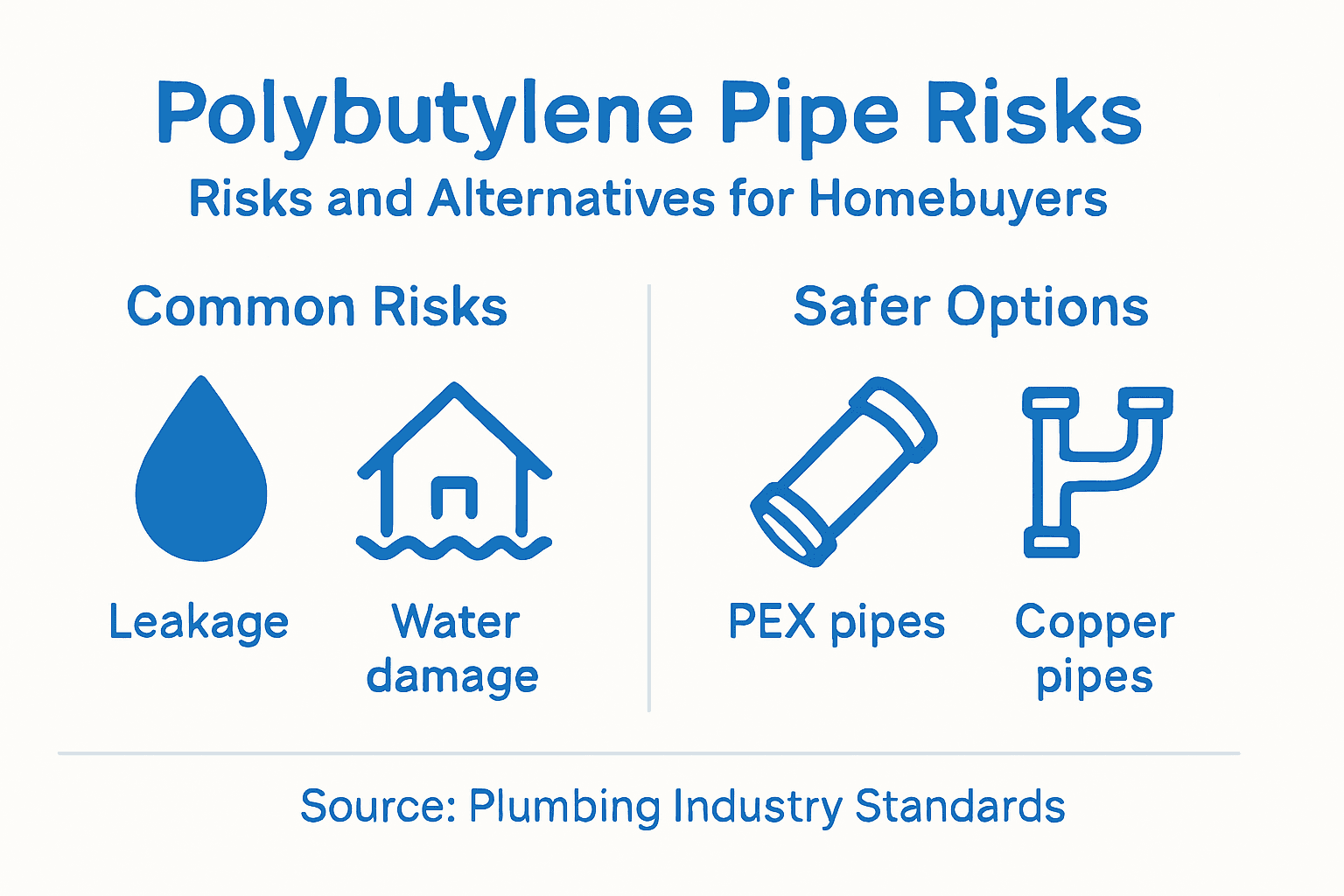
Safer pipe material alternatives include:
Here’s a quick comparison of polybutylene and modern replacement piping materials for residential plumbing:
Pipe Type | Lifespan | Chemical Resistance | Average Installation Cost |
Polybutylene | Often under 20 years | Poor, fails with chlorine | $3,000–$10,000 to replace |
Copper | Over 50 years | Excellent | Highest |
PEX | 40–50 years | Excellent | Moderate |
CPVC | 40–50 years | Very good | Moderate |
PVC | 50+ years | Good | Lowest |
Copper pipes: Traditional, durable, and long-lasting
PVC pipes: Cost-effective and corrosion-resistant
Cross-linked polyethylene (PEX): Modern, flexible solution
CPVC pipes: Chemical-resistant plastic piping
PEX piping has emerged as the most recommended replacement, offering several distinct advantages:
Superior chemical resistance
Excellent temperature stability
Easier installation process
Lower overall replacement costs
Enhanced durability compared to polybutylene
Plumbing system technology continues to evolve, with PEX representing a significant improvement over older polybutylene infrastructure. Professional plumbers can typically complete full home repiping within 2-5 days, minimizing household disruption and providing immediate peace of mind.
Investing in modern piping materials can prevent thousands of dollars in potential water damage and provide long-term reliability.
Pro tip: Request multiple quotes from licensed plumbers and prioritize those with experience in polybutylene pipe replacement and modern piping technologies.
Protect Your Baldwin Home from Polybutylene Pipe Risks with Expert Inspection
Polybutylene pipes present hidden threats that can cause sudden water damage and insurance headaches for Baldwin homebuyers. If your prospective home was built between 1978 and 1995, the stakes are high because these pipes deteriorate internally without warning. Understanding this risk means taking action early to avoid costly repairs and denied insurance claims. Trinity Home Inspections offers you the clarity and confidence you need to uncover these issues before you buy.

Don’t wait until a pipe failure disrupts your life. Schedule your InterNACHI-certified home inspection with Trinity today to get same-day, photo and video-rich reports including free thermal imaging to detect hidden plumbing problems. With our thorough approach, including detailed checks for polybutylene and other piping materials, you gain the knowledge to negotiate effectively or plan ahead for safe replacements. Visit Trinity Home Inspections and learn more about our comprehensive service options for Baldwin and surrounding Gulf Coast areas. Take control of your home purchase with trustworthy insights from experts who value integrity, honesty, and your peace of mind.
Frequently Asked Questions
What are the common signs of polybutylene pipe failure?
Polybutylene pipe failure might not have visible signs until significant damage occurs. Common indications include unexplained water stains on walls or ceilings, sudden drops in water pressure, or frequent leaks around fittings and joints.
How do I identify polybutylene pipes in my home?
To identify polybutylene pipes, look for flexible plastic piping in colors such as gray, blue, or black. Check for manufacturer markings like ‘PB2110’ and examine areas like under sinks, inside basements, and around water heaters.
What are the risks of having polybutylene pipes in my house?
Polybutylene pipes can deteriorate over time, leading to leaks and potential water damage. Homeowners may also face challenges with insurance coverage, as many policies exclude damages from these pipes.
What are the recommended alternatives to polybutylene pipes?
Alternatives to polybutylene pipes include copper, PVC, and PEX piping. PEX, in particular, offers excellent durability, resistance to chemicals, and easier installation.
Recommended