
Complete House Inspection Checklist for Buyers Success

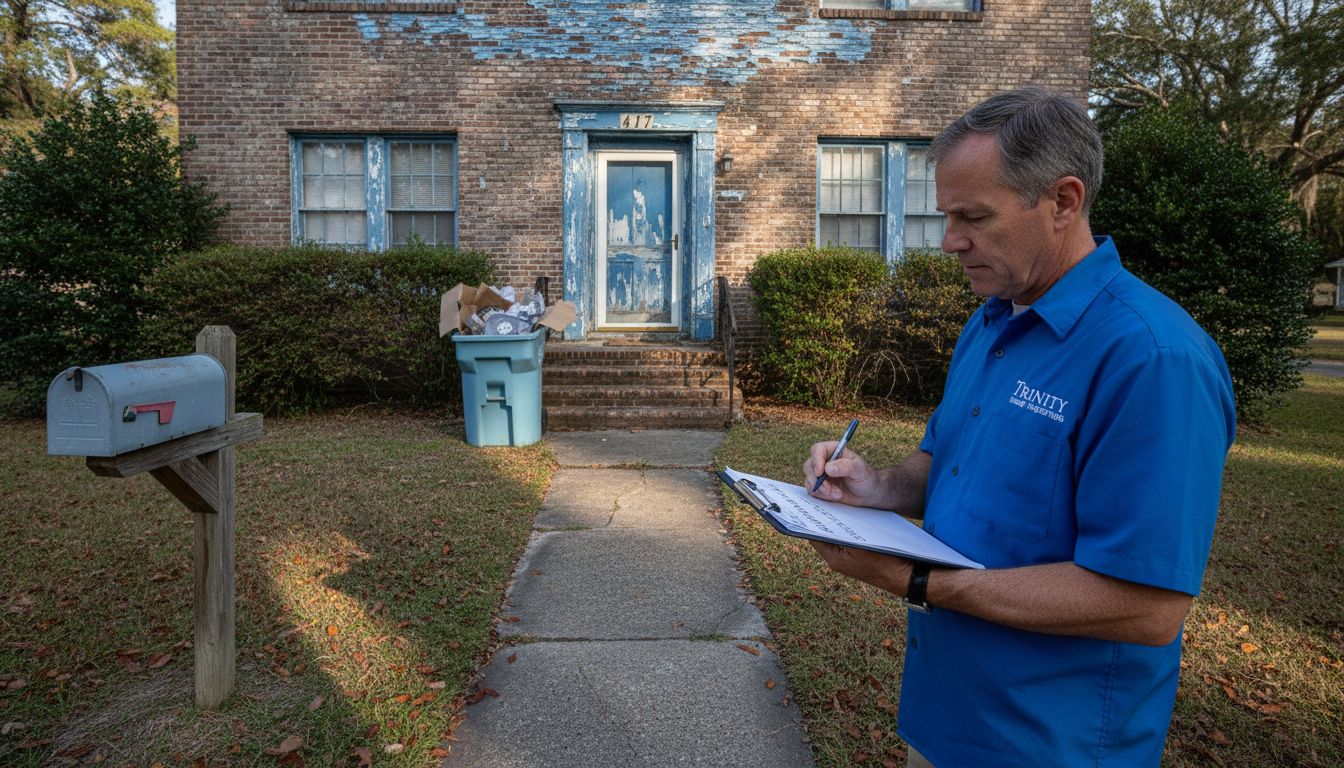
Over eighty percent of American homebuyers admit feeling anxious before their first inspection. Choosing to buy or sell a home means stepping into a process filled with surprises and potential setbacks. A detailed house inspection can make the difference between a smooth deal and costly regrets. This guide walks you through practical steps to prepare your American home so you can approach your inspection with confidence and clarity.
Table of Contents
Quick Summary
Important Insight | Detailed Explanation |
1. Ensure Clear Access to Key Areas | Remove obstacles to attics, crawlspaces, and utility areas for a smoother inspection process. |
2. Document Recent Repairs and Upgrades | Compile records of repairs and maintenance for transparency and to assist the inspector during evaluation. |
3. Conduct Thorough External Reviews | Inspect roofs, foundations, and siding for early signs of damage, preventing costly issues later. |
4. Systematically Check Interior Systems | Inspect plumbing, electrical, and HVAC for proper function and signs of wear, avoiding future repair expenses. |
5. Meticulously Document Findings | Take photos and write detailed logs of issues to guide repairs and serve as negotiation tools with sellers. |
Step 1: Prepare for the House Inspection Appointment
Preparing for your home inspection sets the stage for a smooth evaluation and helps ensure accurate results. This preparation involves strategic planning and proactive home maintenance that can significantly impact your inspection outcome.
Start by creating clear access routes throughout your property. Ensure easy accessibility to critical areas like attics, crawlspaces, electrical panels, and utility connections. This means moving stored items, removing boxes blocking access points, and clearing pathways. Replace any burned out light bulbs and make minor repairs like tightening loose doorknobs or fixing dripping faucets. These small fixes demonstrate your home’s overall maintenance and prevent potential inspection flags.
Tidying up goes beyond basic cleaning. Remove personal items from areas inspectors need to evaluate, such as around water heaters, under sinks, and near electrical panels. Keep pets secured and out of the inspection area to prevent disruptions. Pro tip: compile documentation of recent repairs, maintenance records, and upgrades to provide transparency about your home’s history. The more organized and accessible your home is, the smoother your inspection will proceed.
By taking these preparatory steps, you signal to the inspector that you are a responsible homeowner who maintains their property carefully. Your proactive approach can help create a positive first impression and potentially streamline the entire inspection process.
Step 2: Review Exterior and Structural Elements
Exterior and structural elements are critical indicators of your home’s overall health and potential maintenance needs. By carefully examining these components, you can identify potential issues that might impact your property’s value and long term integrity.
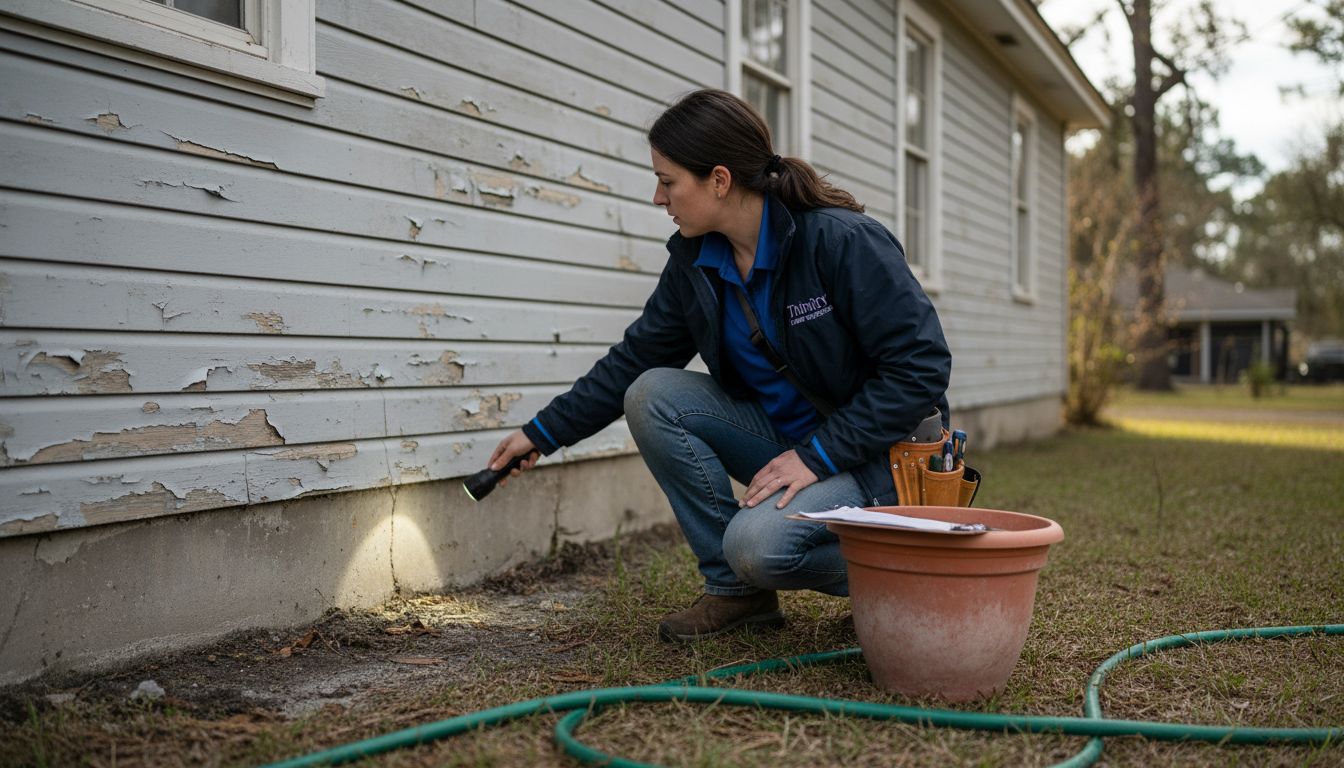
Comprehensive exterior inspections require a systematic approach focusing on key structural areas. Start by thoroughly examining the roof for missing or damaged shingles, signs of water damage, and potential sagging or uneven surfaces. Check the foundation carefully for large cracks, shifting, or signs of water intrusion that could indicate serious structural problems. Evaluate the siding for deterioration, moisture damage, or areas where water might penetrate the home’s protective barrier. Pay close attention to windows and doors, ensuring they open and close smoothly and seal properly to prevent energy loss.
Gutters and downspouts demand specific scrutiny as they play a crucial role in protecting your home’s foundation and preventing water damage. Look for proper alignment, checking that water flows away from the house without pooling near the foundation. Examine exterior walls for significant cracks, bulging, or areas of potential structural weakness. Pro tip: Take detailed photographs during your review to document current conditions and provide a reference point for future comparisons.
A meticulous exterior review helps you understand potential maintenance requirements and preempt future repair costs. By identifying minor issues early, you can address them before they escalate into more significant and expensive problems.
Step 3: Inspect Interior Rooms and Systems
Inspecting the interior rooms and systems is a critical step in understanding your home’s overall condition and functionality. This comprehensive evaluation goes beyond surface appearances to uncover potential hidden issues that could impact your property’s value and livability.
Interior room inspections require a systematic approach that covers multiple critical areas. Begin with detailed assessments of key home systems including electrical, plumbing, heating, and cooling. Check all electrical outlets for proper functioning, looking for signs of wear or improper installation. Examine the electrical panel for any signs of corrosion, overloaded circuits, or outdated wiring. Test light switches, ceiling fans, and hardwired appliances to ensure they operate correctly. Inspect plumbing fixtures for leaks, water pressure, and drainage issues in sinks, toilets, showers, and under cabinets.
Pay special attention to often overlooked spaces like basements, attics, and crawl spaces. Look for signs of moisture, water damage, pest infestations, or structural concerns in these areas. Evaluate the home’s ventilation and insulation, checking for proper airflow and potential energy efficiency issues. Pro tip: Use a flashlight and take detailed notes or photographs during your inspection to document any concerns or potential problem areas. Your thorough examination now can save you significant time and money in future repairs.
By methodically working through each room and system, you gain a comprehensive understanding of the home’s current condition. This detailed inspection provides crucial insights that will help you make an informed decision about your potential property investment.
Step 4: Evaluate Plumbing, Electrical, and HVAC
Evaluating your home’s critical systems is a crucial step in understanding its overall functionality and potential maintenance requirements. This comprehensive assessment helps you identify potential issues that could impact your comfort, safety, and future repair costs.
Home system inspections demand a methodical approach to thoroughly examine plumbing, electrical, and HVAC components. Start with the plumbing system by checking all visible pipes for signs of leaks, corrosion, or water damage. Test water pressure in sinks, showers, and toilets to ensure consistent flow. Flush toilets and run faucets to verify proper drainage and look for any unusual sounds or slow draining that might indicate underlying issues. For electrical systems, carefully inspect the main electrical panel for signs of wear, outdated wiring, or potential overload risks. Test all electrical outlets using a simple outlet tester, checking for proper grounding and functionality.
Your HVAC system requires equally careful scrutiny. Listen for unusual sounds when the system starts up, check air filters, and evaluate the age and condition of heating and cooling units. Assess the thermostat’s responsiveness and check for even temperature distribution throughout the home. Pro tip: Request maintenance records for the HVAC system and look for recent professional servicing, which can indicate proper care and potential remaining warranty coverage. These detailed observations provide critical insights into the home’s mechanical health and potential future repair needs.
By systematically evaluating these essential home systems, you gain a comprehensive understanding of the property’s current condition and potential maintenance challenges. This thorough inspection helps you make an informed decision about your potential home investment.
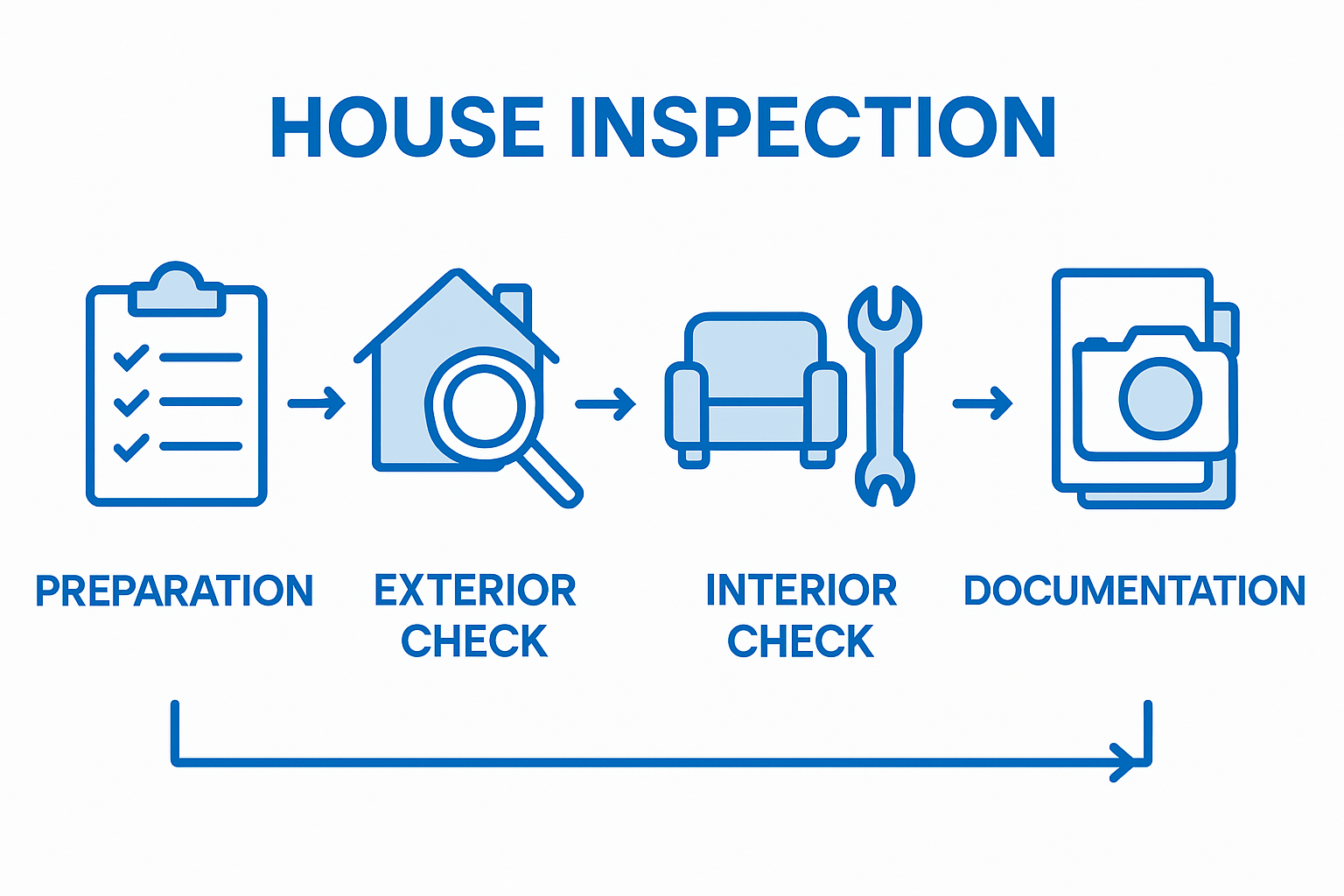
Step 5: Document Findings and Verify Repairs
Documenting your home inspection findings is a critical step that transforms observations into actionable insights. This process helps protect your investment by creating a clear record of the property’s condition and potential repair needs.
Thorough documentation requires systematic and comprehensive approach. Begin by meticulously photographing and videoing all areas of concern discovered during the inspection. Capture clear images of structural issues, system malfunctions, potential water damage, electrical problems, and any visible defects. Create a detailed written log that corresponds with these visual records, noting the specific location, nature of the issue, and potential implications for the home’s overall condition.
Work closely with your home inspector to understand the severity and potential costs of identified issues. Prioritize findings based on their potential impact on safety, structural integrity, and immediate functionality. Request a comprehensive written report that details each finding with professional recommendations for repairs or further investigation. Pro tip: Use your documentation as a negotiation tool with the seller, requesting either repairs be completed before purchase or appropriate price adjustments to account for necessary future maintenance. Your thorough approach ensures transparency and helps you make an informed decision about the property.
By carefully documenting and verifying inspection findings, you transform a potentially stressful process into a strategic opportunity to understand your potential home’s true condition. This methodical approach provides you with the knowledge and leverage needed to make confident real estate decisions.
Ensure Your Home Inspection Success with Trinity Home Inspections
Navigating the detailed steps of a complete house inspection checklist can feel overwhelming. From preparing access points to evaluating plumbing, electrical, and HVAC systems, buyers often face uncertainty in interpreting inspection findings and verifying repairs. If you want to eliminate guesswork and gain peace of mind, expert guidance is essential. With the challenges of understanding every aspect of your potential home’s condition, having a trusted partner who values integrity and thoroughness is key.
At Trinity Home Inspections, we provide professional and reliable home inspection services tailored for buyers in the Gulf Coast region of Alabama. Led by Matt Cameron, our family-owned business combines faith-driven values with unmatched attention to detail. We help you address critical areas outlined in the inspection checklist like exterior structural elements and interior system functionality. Don’t let costly surprises impact your home investment. Start your journey informed and confident by scheduling your comprehensive inspection today at Trinity Home Inspections. Learn more about how we prepare you for buying success by visiting our home inspection appointment guide and see why so many clients trust us to deliver accuracy and transparency.
Frequently Asked Questions
What should I do to prepare for a house inspection?
Preparing for a house inspection involves creating clear access routes to critical areas such as attics and crawlspaces. Move stored items and address minor repairs, like replacing burned-out light bulbs or fixing leaks, to present your home positively.
How can I evaluate the exterior and structural elements of my home?
Examine your home’s roof for missing shingles, check the foundation for cracks, and inspect siding for damage. Take note of any issues you find and consider addressing them before the inspection to avoid potential red flags.
What key interior systems should I inspect before a house inspection?
You should thoroughly check electrical outlets, plumbing fixtures, and HVAC systems. Look for signs of wear, leaks, or inconsistencies, ensuring all systems function properly to prevent surprises during the inspection.
How can I document my inspection findings effectively?
Create a detailed record by photographing any areas of concern you find and writing notes about their locations and potential implications. Compile this documentation systematically, as it can serve as a valuable reference when discussing repairs or price adjustments with the seller.
What are common mistakes to avoid during the house inspection process?
Common mistakes include failing to prepare your home adequately or neglecting to evaluate critical systems and exterior elements. Avoid these pitfalls by ensuring all areas are accessible and by conducting a thorough review in advance of the inspection date.
How can I use my inspection report to negotiate with the seller?
After receiving the inspection report, use it as leverage to negotiate repairs or price adjustments with the seller. Highlight significant findings that impact safety or overall home integrity, allowing you to request necessary actions before finalizing the purchase.
Recommended
The Basics of Estate Planning for New Homeowners - Law Office of Eric Ridley
House Removal Process Explained: Step-by-Step Guide for 2025 | Schott Removals

