
Comprehensive Inspection Reports for Baldwin Homebuyers


Buying your first home in Baldwin or Mobile County can be both exciting and stressful, especially when inspection reports seem complicated. Getting clear answers matters because these reports are your guide to understanding whether a property is safe, sound, and worth your investment. A detailed, systematic assessment of a property’s condition helps you see what needs fixing and what works well so you can move forward with confidence and avoid expensive surprises after closing.
Table of Contents
Key Takeaways
Point | Details |
Comprehensive Inspections Are Essential | A comprehensive inspection provides a detailed assessment of a home’s condition, which is crucial before making a significant financial commitment. |
Know the Types of Inspections | Different inspection types serve specific purposes; understanding these helps you choose the right one for your situation. |
Utilize Modern Tools | Inspectors should use advanced tools like thermal imaging and moisture meters to identify issues that may not be visible during a standard inspection. |
Check Qualifications and Practices | Ensure your inspector has proper certifications and insurance, and maintains high standards to avoid critical oversights in the inspection report. |
Comprehensive Inspection Report Defined
When you’re buying a home in Baldwin, understanding what a comprehensive inspection report actually is makes all the difference. A comprehensive inspection report is a detailed, systematic assessment of a property’s condition that evaluates everything from structural integrity to electrical systems, plumbing, HVAC, roofing, and more. Think of it as a complete health checkup for the home you’re about to invest your life savings into. Unlike a quick walkthrough or a cursory glance, this report provides evidence-based assessments of the home’s major systems and components, giving you the credible information you need to make an informed decision.
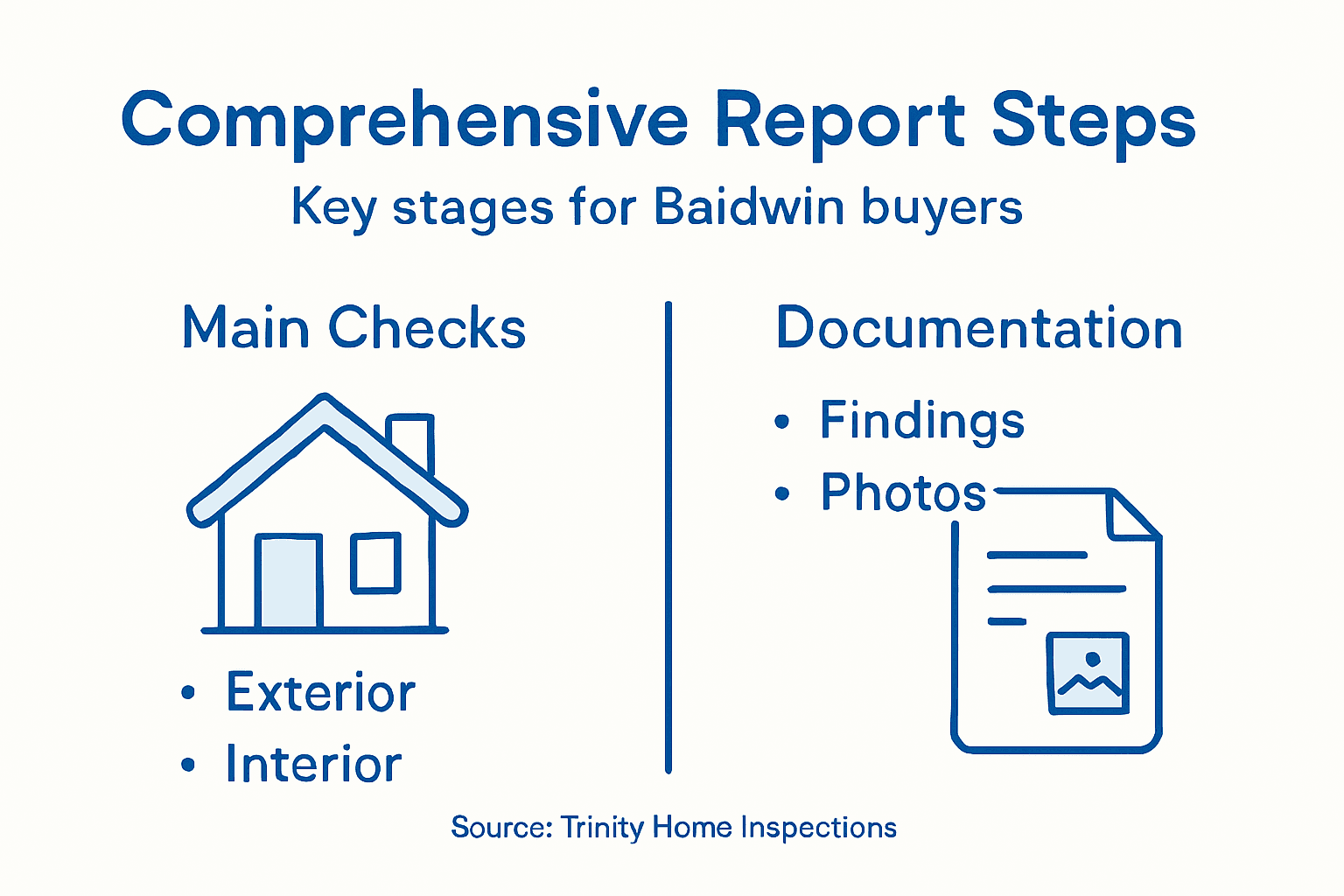
At its core, a comprehensive inspection report serves multiple critical purposes. It documents the current state of the property through photos, videos, and detailed written descriptions. The report identifies what’s working properly, what needs attention soon, and what poses safety concerns. A professional home inspector will test outlets, check water pressure, verify that doors and windows operate smoothly, examine the roof for damage, look for signs of water intrusion, inspect the foundation, and evaluate the condition of appliances and systems. The goal is to catch problems before they become your responsibility after closing. A quality report isn’t just a list of defects either. It’s organized in a way that helps you prioritize what matters most—distinguishing between minor cosmetic issues, functional defects that need repair, and serious safety hazards that could impact your family’s wellbeing or your home’s value.
What separates a truly comprehensive report from a basic one comes down to thoroughness and accountability. We provide timely, credible information organized by system and severity, complete with high-quality photos and video documentation that shows exactly what we found and where. Every outlet gets tested, not just a representative sample. Every window and door is checked. Thermal imaging helps us spot hidden problems like missing insulation or moisture issues you can’t see with your eyes alone. Our reports arrive the same day as your inspection in a searchable digital format, color coded so you instantly know what’s urgent, what can wait, and what you might tackle yourself. The report becomes your negotiating tool and your reference guide as you move forward with repairs or decisions about the purchase itself.
Pro tip: Request a sample report from any inspector you’re considering—not just a checklist, but an actual completed report. This shows you exactly how they organize findings, the quality of their photos, and whether they provide the video documentation and detailed explanations you’ll need to make smart decisions about your Baldwin home purchase.
Types of Inspection Reports Explained
Not all inspection reports are created equal. When you’re shopping for a home in Baldwin, you’ll encounter different types of inspection reports depending on the situation, the property type, and what you’re trying to accomplish. Understanding the distinctions helps you know what you’re actually getting and whether it matches your needs. The main types break down into standard comprehensive inspections, specialized inspections, pre-purchase inspections, and post-purchase inspections. Each serves a different purpose, and knowing which one applies to your situation ensures you get the right information at the right time.
A standard comprehensive home inspection is what most homebuyers order before closing. This covers all major systems and components of the home—foundation, roof, exterior, interior, HVAC, electrical, plumbing, appliances, and more. The inspector walks through the entire property, tests systems, and documents what they find. Inspection findings are evaluated and classified based on severity, helping you understand what needs immediate attention versus what can wait. Then there’s the pre-purchase inspection, which some buyers request before making an offer. This gives you leverage in negotiations if problems emerge. A pre-drywall inspection applies to new construction—it happens before drywall closes up the walls, allowing inspectors to see framing, wiring, and plumbing before they’re hidden. An 11-month warranty inspection is another new construction scenario where you inspect the home near the end of the builder’s warranty period to catch defects before coverage expires. Each of these inspection types requires different timing and focus, which is why knowing which one you need matters.
Specialized inspections address specific concerns beyond the standard report. If you suspect water damage or moisture issues, you might order a moisture or water intrusion inspection. Concerned about the roof’s remaining lifespan? A dedicated roof inspection digs deeper. If you’re worried about indoor air quality, an IAQ testing inspection samples and analyzes the air you’ll breathe. A sewer scope inspection sends a camera through your main sewer line to check for tree roots, breaks, or clogs. Pool and spa inspections evaluate those features separately. Mold testing and assessment examines whether microbial growth is present. The beauty of working with Trinity Home Inspections is that we handle all these as add-ons to your standard inspection, so you don’t have to coordinate with multiple companies. You get one organized report covering everything you need to know about the property.
What ties all these reports together is that they’re designed to give you clarity before you make one of the biggest financial decisions of your life. Whether you’re doing a standard comprehensive inspection before making an offer or a pre-drywall inspection on new construction, the goal remains the same: give you accurate, documented information so you can negotiate confidently, budget for repairs, or walk away if problems are too severe. The reports we deliver include color-coded severity ratings so you instantly see what’s urgent, what needs attention soon, and what’s minor. Photos and video show exactly what we found. We organize findings by system so you can track related issues. And we provide same-day delivery so you have answers when you need them.
Below is a comparison of standard and specialized home inspection types and when they are most appropriate:
Inspection Type | Purpose | Best For |
Comprehensive Inspection | Full system evaluation | Typical home purchases |
Pre-Drywall Inspection | Exposed framing, utilities check | New construction buyers |
11-Month Warranty | Defect catch before warranty ends | Recently built homes |
Specialized Add-On | Targeted issue investigation | Older homes, concerns |
Pro tip: When ordering an inspection, clarify upfront which type you need and whether specialized add-ons like sewer scope or IAQ testing are necessary based on the property’s age, condition, and your specific concerns—this prevents surprises and ensures your report covers exactly what you’re worried about.
Essential Features and Modern Tools
A quality inspection report isn’t just what an inspector writes down. It’s backed by the tools they use and the depth of their examination. When you’re evaluating a home in Baldwin, you want to know that your inspector is using modern equipment to catch problems that a simple visual walkthrough would miss. Professional home inspectors rely on specialized tools to detect hidden defects, verify system functionality, and provide accurate documentation. The combination of thorough inspection methods and modern technology is what separates a valuable report from a basic one that might leave you exposed to costly surprises after closing.
The essential features of a comprehensive inspection report start with clear, detailed documentation of findings. A quality report identifies material defects observed in specific systems through systematic visual examination, describing exactly what was found, where it was found, and why it matters. But a good report also clearly states the limitations of what was examined and what’s outside the scope of the inspection. At Trinity Home Inspections, we go further with photo and video documentation that shows you exactly what we found. Our reports are organized by system, color coded by severity, and searchable so you can quickly locate information about a specific concern. We include a prioritized list distinguishing what’s urgent, what needs attention soon, and what’s minor. We also provide a list of trusted local contractors you can contact for repair quotes, taking the guesswork out of your next steps.
Modern tools make the difference between finding problems and missing them entirely. Moisture meters, infrared cameras, and electrical testers allow inspectors to detect issues that aren’t visible to the naked eye. Thermal imaging reveals missing insulation, air leaks, and potential moisture intrusion that could develop into serious problems. Moisture meters help verify suspected water damage in walls, floors, and foundations before they become structural threats. Electrical testers confirm that outlets, switches, and circuits are functioning properly and safely. A combustible gas detector identifies natural gas or propane leaks that pose immediate safety risks. Carbon monoxide detectors help pinpoint unsafe CO conditions in heating systems. For situations requiring deeper investigation, specialty tools like sewer scope cameras examine your main line for blockages, tree root intrusion, or cracks. These aren’t luxury add-ons. They’re standard practice at Trinity Home Inspections because we want you to have complete confidence in your purchase decision.
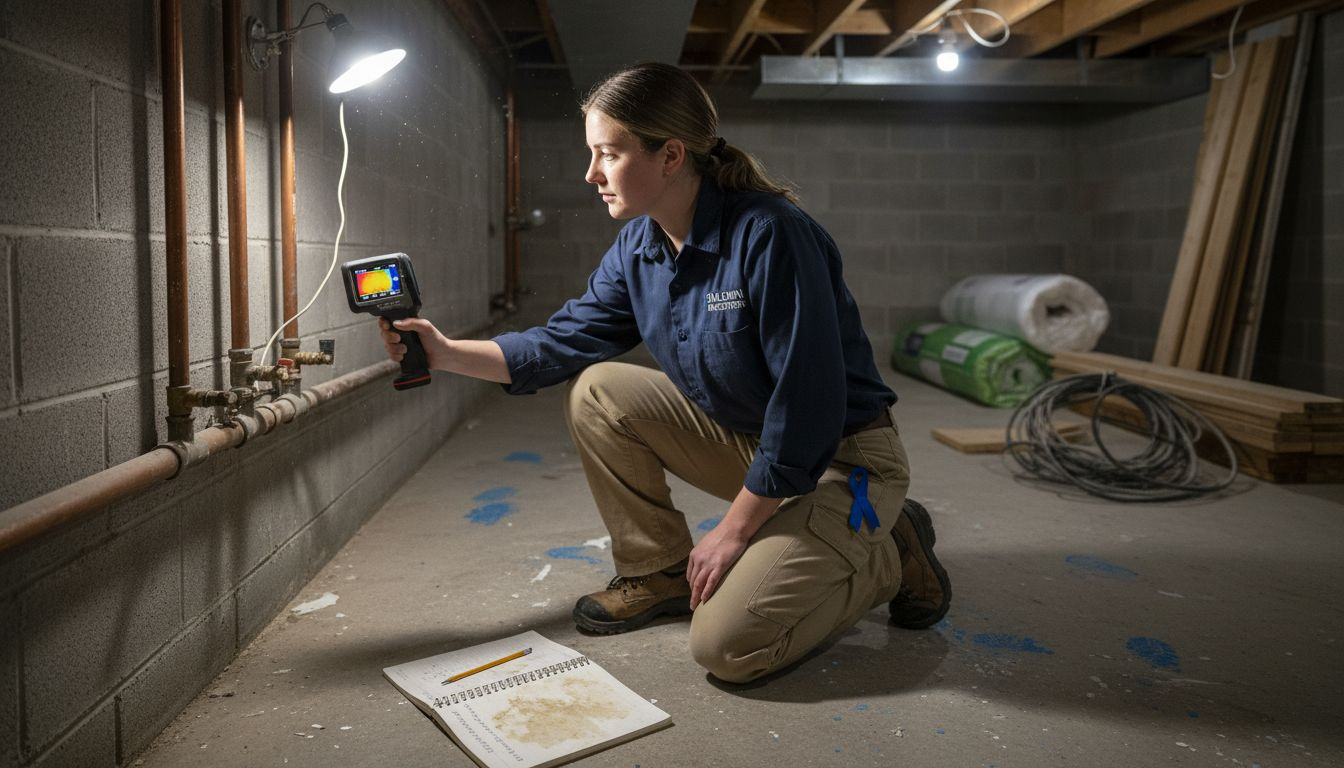
What sets us apart is that we include thermal imaging with every inspection at no extra charge. Many inspection companies charge $200 to $300 extra for thermal imaging, treating it as a premium service. We’ve made it standard because it provides real value in detecting hidden problems. We also walk on virtually every roof we inspect, using drones with high-resolution cameras when roof access is unsafe or limited. Our inspectors test every outlet, every switch, and every door and window they can access, not just a representative sample. We use FAA-certified drone technology for aerial roof assessments, ensuring safety and accuracy. Every inspection is documented with high-quality photos and often video showing items that move, make sounds, or demonstrate defects. Same-day delivery means you have your answers when you need them, organized in a searchable digital format that makes it easy to reference findings weeks or months later as you plan repairs or negotiate with sellers.
Here is a summary of key modern tools and their advantages in home inspections:
Tool | Detection Capability | Added Value |
Infrared Camera | Hidden insulation, moisture issues | Finds invisible problems |
Moisture Meter | Water damage behind surfaces | Prevents costly repairs |
Electrical Tester | Faulty outlets, unsafe wiring | Improves buyer confidence |
Drone Roof Survey | Roof condition, hard-to-reach areas | Enables thorough coverage |
Pro tip: Ask your inspector whether thermal imaging, moisture meters, and video documentation are included in the base inspection cost, and whether they test every outlet and switch or just a sample—these details reveal whether you’re getting a thorough, modern inspection or a bare-bones examination that might miss expensive problems.
Legal Standards and Certification Requirements
When you hire a home inspector in Baldwin, you’re not hiring a hobbyist with a clipboard. You’re hiring a professional bound by legal standards and holding certifications that prove they know what they’re doing. Understanding what these standards and certifications mean helps you evaluate whether an inspector is truly qualified or just claiming expertise. Home inspection standards define the legal framework that governs how inspectors conduct examinations, what they must report, and what limitations apply. These aren’t suggestions. They’re enforceable standards that protect you and hold inspectors accountable.
Home inspection standards of practice outline the inspector’s duties and scope, establishing what must be inspected, how the inspection must be conducted, and what the report must contain. Standards emphasize non-invasive, visual examinations that identify material defects adversely affecting property value or safety. Importantly, standards also require inspectors to clearly communicate the limitations and exclusions of their inspection, ensuring you understand what was and wasn’t examined. In Alabama, home inspectors must comply with state regulations and any local requirements that apply. At Trinity Home Inspections, we go beyond minimum standards. We’re InterNACHI certified, which means we’ve completed rigorous training, passed comprehensive exams on the National Home Inspectors Exam, and completed Standards of Practice and Code of Ethics examinations. We undergo mandatory continuing education every year to stay current with changing codes, new construction methods, and evolving best practices. This certification is recognized by the U.S. Department of Education, meaning the training behind our inspections is held to a national standard of quality. Our InterNACHI Honor Guarantee backs our work with up to $25,000 in coverage, demonstrating that we stand behind our reports.
Certification requirements become especially important if you’re securing an FHA-backed mortgage. FHA-backed mortgages require inspectors holding International Code Council certifications across residential building, plumbing, mechanical, and electrical disciplines. This federal requirement ensures inspections meet rigorous standards for government-insured loans. Beyond certifications, professional inspectors carry appropriate insurance to protect you. Alabama doesn’t mandate specific insurance coverage levels for home inspectors, but responsible professionals exceed minimums. We maintain $1 million in Errors and Omissions Insurance, protecting you if any oversight in our report causes financial harm. We also carry $2 million in General Liability Insurance because we’re guests in homes, working on roofs, running furnaces, and testing systems where accidents can happen. If our ladder damages your car or an appliance malfunctions during testing, our insurance covers it so you’re not left holding unexpected bills.
When evaluating inspectors, ask about their certifications, insurance coverage, and whether they hold memberships in professional organizations like InterNACHI or the American Society of Home Inspectors (ASHI). Ask whether they walk on roofs and use modern tools like thermal imaging and moisture meters. Ask if they test every outlet and switch or just a sample. Ask whether they provide photos and videos in their reports. Ask what their Google reviews say and whether they respond to all reviews. Ask about their inspection process and turnaround time for reports. These questions reveal whether you’re working with a professional committed to excellence or someone cutting corners to maximize volume. At Trinity Home Inspections, we answer these questions head on because our approach is built on integrity and transparency. We believe you deserve straightforward answers and a report that tells the truth about the property you’re about to purchase.
Pro tip: Before booking an inspection, verify the inspector holds current InterNACHI or ASHI certification, ask about their specific insurance limits, and request a sample report to assess the quality, detail, and organization of their documentation.
Common Pitfalls and What to Avoid
Not every inspection report is created equal, and not every inspector conducts business with integrity. When you’re shopping for a home in Baldwin, knowing what pitfalls to watch for helps you avoid hiring someone who delivers a worthless report or worse, misses critical problems entirely. Poor inspection practices leave you vulnerable to expensive surprises after closing, and certain behaviors should be immediate red flags. Understanding what constitutes a problematic inspection separates professionals from those just going through the motions.
One of the most common pitfalls is when an inspector fails to identify or adequately describe material defects. This happens when inspectors rush through homes, skip difficult areas, or lack the training to recognize problems. An inspector might note “roof needs attention” without specifying what’s wrong, where it’s located, or how urgent it is. Ineffective reports fail to clearly describe findings and state limitations of the inspection scope, leaving you confused about what you actually discovered and what it means. Another major red flag is when an inspector oversteps their role by making property value predictions, estimating repair costs without being qualified, or offering opinions that go beyond observable facts. Your inspector’s job is to report what they found during their visual examination, not to guess about underlying issues they didn’t investigate or make subjective judgments outside their expertise. A quality inspector sticks to facts. They describe what they observed, show you with photos or video, and explain why it matters. They don’t predict whether a roof will last five more years or guess what hidden damage might exist behind walls.
Another critical pitfall involves failing to warn about hazardous conditions discovered during inspection. If an inspector finds evidence of active gas leaks, carbon monoxide dangers, electrical hazards, or structural concerns that pose immediate safety risks, they have a legal duty to disclose these to you and other occupants. Some inspectors downplay safety issues to avoid losing the sale or upsetting the seller. That’s not only unethical, it’s potentially illegal. At Trinity Home Inspections, we flag safety concerns clearly and prominently. We distinguish between issues that need attention and issues that need immediate attention. We include safety concerns in our color coded system so you instantly see what poses a genuine hazard. Additionally, watch for inspectors who lack proper insurance or won’t provide copies of their certificates. If an inspector refuses to show you their professional liability insurance or carries minimal coverage, that’s a warning sign. We maintain $1 million in Errors and Omissions Insurance and $2 million in General Liability Insurance precisely because we take responsibility seriously. If something goes wrong, we’re covered and you’re protected.
Other pitfalls to watch for include inspectors who don’t allow you to attend the inspection, refuse to provide detailed reports with photos and video, won’t test every outlet and switch, avoid walking on roofs, or deliver reports days or weeks later instead of the same day. An inspector who seems hurried, won’t answer your questions clearly, or pushes you toward particular contractors might have financial incentives influencing their objectivity. Ask whether the inspector walks on roofs themselves or uses drones when necessary. Ask if thermal imaging is included in the base cost or charged as an extra fee. Ask if they test every component or just a sample. Ask for references from recent buyers. Read Google reviews and see if the inspector responds thoughtfully to both positive and negative feedback. These questions reveal character and commitment to quality.
Pro tip: During your inspection walkthrough, watch how your inspector interacts with the home—are they thorough and careful, testing systems and examining details, or rushing through rooms? A good inspector welcomes your questions, shows you what they found, and explains their findings in plain English rather than industry jargon.
Make Confident Homebuying Decisions with Trinity Home Inspections
Buying a home in Baldwin means facing many unknowns about the property’s condition. The comprehensive inspection report you read about is your key to unlocking clarity and control. From uncovering hidden moisture with thermal imaging to testing every outlet and door, Trinity Home Inspections delivers thorough, honest, and easy-to-understand reports the same day. We specialize in turning complex findings into clear priorities so you can negotiate confidently and avoid costly surprises.
Ready to experience the peace of mind that comes with a truly comprehensive inspection? Visit Trinity Home Inspections to schedule your professional InterNACHI-certified inspection. Learn why homeowners across Baldwin, Mobile, and nearby Gulf Coast areas rely on us for detailed reports, expert insights, and trusted local guidance. Don’t settle for less. See what sets our inspections apart and get your digital report packed with photos and video today.
Frequently Asked Questions
What is a comprehensive inspection report?
A comprehensive inspection report is a detailed assessment of a property’s condition, evaluating all major systems including the foundation, roof, HVAC, electrical, plumbing, and more. It serves as an essential tool for homebuyers to make informed decisions before purchasing a home.
Why is having a comprehensive inspection important?
Having a comprehensive inspection is crucial as it identifies any material defects, safety concerns, and maintenance issues. This helps buyers understand the property’s condition, prioritize repairs, and negotiate effectively with sellers.
What types of inspections can I request when buying a home?
You can request various types of inspections, including standard comprehensive inspections, pre-purchase inspections, pre-drywall inspections for new construction, and specialized inspections for specific concerns like water intrusion or mold testing.
How should I prepare for my home inspection?
To prepare for your home inspection, ensure that all areas of the home are accessible, including the attic, basement, and any outbuildings. You should also provide the inspector with any relevant information about the home’s history, previous repairs, and any specific concerns you may have.
Recommended