
Why Paint Your Porch Ceiling Blue and How to Do It in 2026

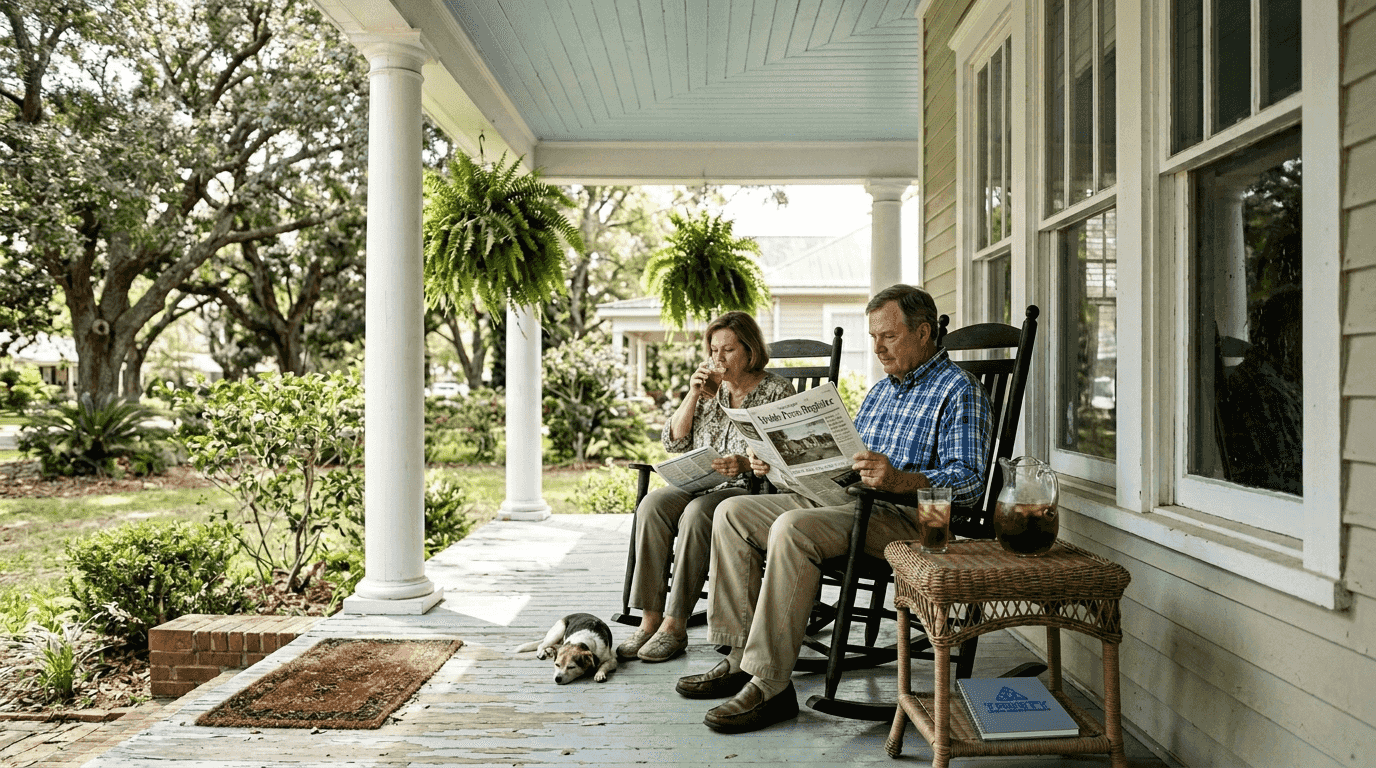
If you’ve ever wondered why porches across Gulf Coast Alabama feature stunning blue ceilings, you’re about to discover a tradition rooted in cultural heritage and practical benefits. Painting your porch ceiling blue isn’t just about aesthetics. It deters insects, brightens shaded outdoor spaces, and adds undeniable Southern charm to your home. This guide explores the cultural significance of haint blue, practical reasons to embrace this tradition, and a complete DIY painting process to transform your porch into a welcoming retreat that honors history while solving modern homeowner challenges.
Key takeaways
Point | Details |
Blue ceilings deter insects | Light blue shades mimic the sky, confusing wasps and mosquitoes to reduce porch landings. |
Cultural heritage matters | Haint blue originates from Gullah Geechee people who used it for spiritual protection against restless spirits. |
Proper prep ensures durability | Surface cleaning, sanding, priming, and using mildew-resistant paint are essential for Gulf Coast humidity. |
Shade selection impacts results | Choose robin’s egg to powder blue based on natural light exposure and home color palette. |
Maintenance extends paint life | Regular inspections, humidity control, and gentle cleaning preserve your blue ceiling for years. |
The cultural roots and meanings of painting porch ceilings blue
The tradition of painting porch ceilings blue, known as haint blue, originated with the Gullah Geechee people of South Carolina and Georgia. This practice was meant to ward off restless spirits called haints. The color choice wasn’t random. Spirits were believed unable to cross water, so blue tones mimicking rivers, oceans, or sky created a protective barrier around homes.
Traditional haint blue paint was crafted from indigo plants mixed with lime, producing distinctive blue-green hues that became synonymous with Southern architecture. These shades weren’t uniform. Haint blue is a family of blue-green shades ranging from pale aqua to deeper sky blue, each designed to create illusions of water or sky.
Beyond spiritual protection, the practice symbolized cultural identity and community values. For Gullah Geechee communities, painting porches blue represented connection to African ancestry and shared beliefs about the spirit world. As the tradition spread throughout the South, it evolved from purely spiritual practice to include practical benefits homeowners noticed over generations.
“Blue porch ceilings became a hallmark of Southern hospitality, blending cultural heritage with everyday function to create spaces that felt both protected and welcoming.”
Modern interpretations maintain the aesthetic while acknowledging diverse motivations for choosing blue. Some homeowners honor cultural roots of porch ceiling painting as a nod to regional history. Others appreciate the calming visual effect or insect-deterring properties. Regardless of motivation, haint blue remains deeply woven into Gulf Coast architectural identity, connecting past traditions with present-day home improvement choices.
The beliefs surrounding haint blue extended beyond spirits:
Deterring birds from nesting in porch eaves
Preventing wasps and dirt daubers from building nests
Creating psychological calm through color association with sky and water
Signaling hospitality and cultural awareness to visitors
Why painting your porch ceiling blue benefits homeowners in Gulf Coast Alabama
Gulf Coast Alabama homeowners face unique challenges with outdoor living spaces. High humidity, abundant insects, and intense sun exposure make porch maintenance demanding. Blue porch ceilings deter insects by mimicking the sky, reducing landings by wasps and mosquitoes who perceive the surface as open air rather than a nesting site.
This insect confusion isn’t just folklore. Many homeowners report fewer wasp nests and reduced mosquito activity on porches with blue ceilings compared to white or wood-toned alternatives. While scientific studies remain limited, anecdotal evidence from generations of Southern homeowners supports the practice as a low-cost, chemical-free pest deterrent.
Painting porch ceilings blue brightens shaded porch areas, creating more welcoming outdoor living spaces. Light reflects differently off blue surfaces compared to darker wood or neutral tones. The result is a porch that feels more open, airy, and comfortable during hot Alabama summers when outdoor shade becomes precious real estate.
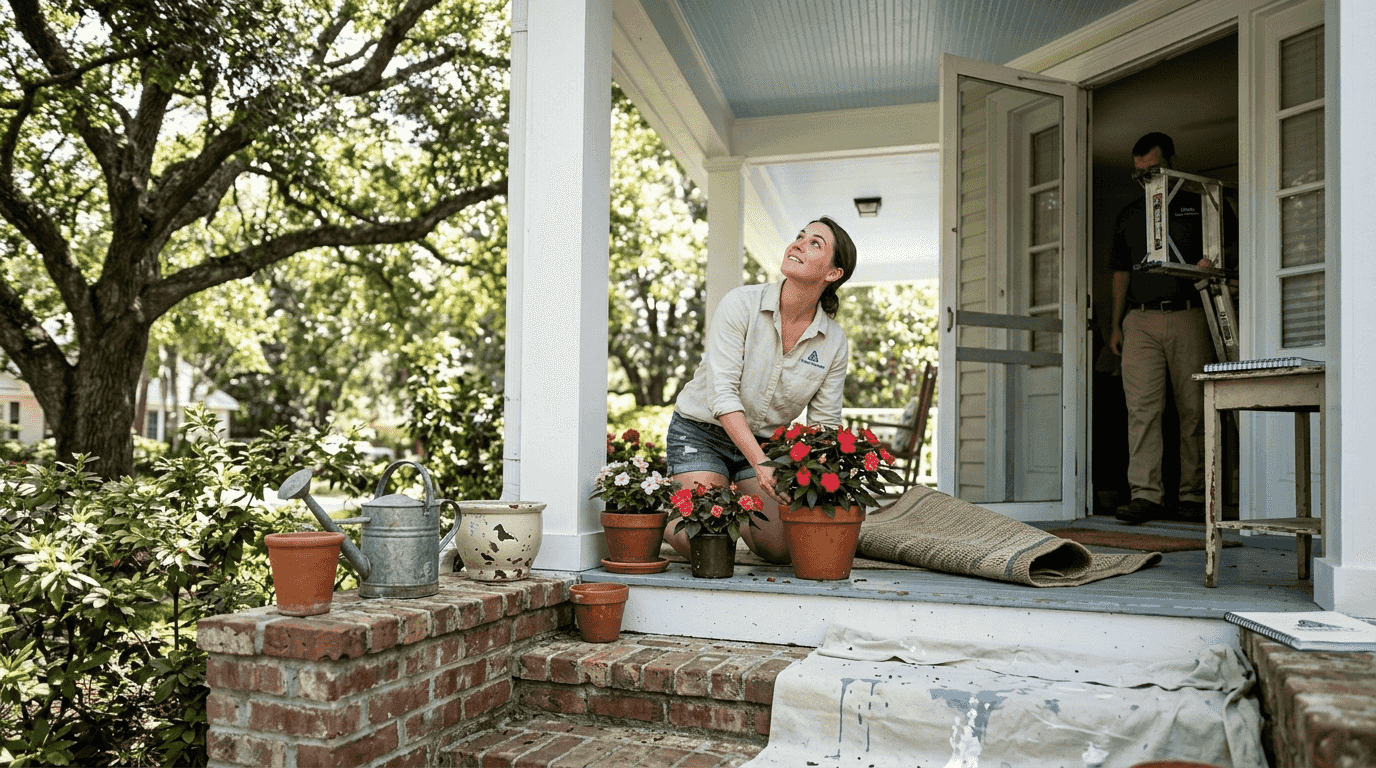
Aesthetic appeal translates directly to curb appeal and home value. Prospective buyers notice distinctive features that set homes apart in competitive markets. A well-maintained blue porch ceiling signals attention to detail and respect for regional architectural traditions. Real estate professionals in Gulf Coast markets often highlight such features as selling points that resonate with buyers seeking authentic Southern character.
Practical benefits for Gulf Coast homeowners include:
Reduced need for chemical insect repellents on porches
Enhanced natural light reflection in shaded outdoor areas
Visual cooling effect during hot summer months
Distinctive architectural feature that increases perceived home value
Low-maintenance color choice that hides minor dirt and aging better than white
Homeowner insight: Properties with distinctive regional features like blue porch ceilings can see up to 15% higher buyer interest in Southern markets where architectural authenticity matters.
The combination of practical function and aesthetic charm makes blue porch ceilings an investment in both comfort and property value. For homeowners planning to sell, this simple upgrade can differentiate your listing. For those staying long-term, it creates a more enjoyable outdoor living environment while honoring Gulf Coast traditions. Consider how home improvement tips can complement your porch project for comprehensive property enhancement.
Choosing the right haint blue shade and necessary prep for a successful paint job
Selecting the perfect blue shade requires understanding how natural light interacts with your porch. Haint blue is not a single shade but ranges from robin’s egg blue to powder blue, and shade choice depends on light levels and home colors. Shaded porches benefit from lighter, brighter blues that maximize reflected light. Sunny porches can handle slightly deeper tones without appearing dark or closed-in.
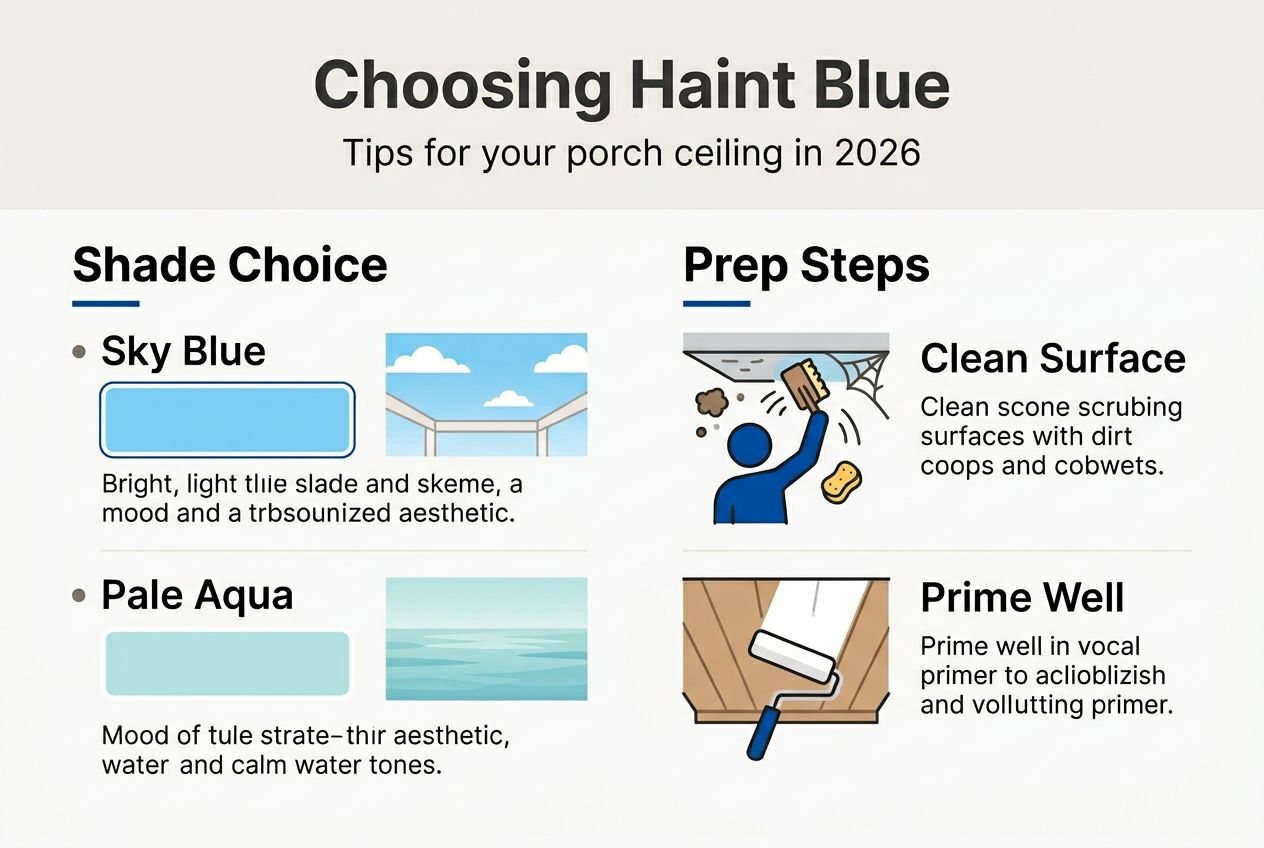
Consider your home’s exterior color palette when selecting blue. White trim pairs beautifully with nearly any haint blue shade. Cream or beige exteriors look best with warmer blue-greens. Gray homes complement cooler, more muted powder blues. Test paint samples on small ceiling sections at different times of day to see how natural light affects appearance before committing to full coverage.
Surface preparation determines paint longevity more than paint quality alone. Gulf Coast humidity and salt air create challenging conditions for exterior finishes. Start by thoroughly cleaning the ceiling to remove dirt, cobwebs, mildew, and any loose paint. A pressure washer on low setting works well for wood ceilings, while gentle scrubbing suits more delicate materials.
Sanding smooths rough areas and improves paint adhesion. Use medium-grit sandpaper for previously painted surfaces and fine-grit for raw wood. Pay special attention to areas with peeling or bubbling paint, removing all loose material down to stable substrate. This step prevents future peeling and ensures an even finish.
Priming is non-negotiable for lasting results. Use paint suitable for outdoor humidity and UV exposure in Gulf Coast Alabama to ensure finish longevity. Choose primers specifically formulated for exterior wood or the ceiling material you’re working with. Mildew-resistant primers add extra protection in humid coastal environments.
Preparation Step | Purpose | Gulf Coast Consideration |
Clean surface | Remove dirt and mildew | Use mildew-killing cleaner in humid areas |
Sand thoroughly | Improve paint adhesion | Address salt air corrosion on fasteners |
Apply primer | Seal surface and enhance coverage | Choose mildew-resistant formulas |
Select quality paint | Ensure durability | Use UV-resistant exterior paint |
Paint selection matters as much as prep work. Look for exterior paints labeled for high humidity and UV exposure. Acrylic latex paints offer excellent durability and flexibility, important for wood that expands and contracts with temperature and moisture changes. Mildew-resistant formulas prevent the black spotting that plagues Gulf Coast exterior surfaces.
Pro Tip: Visit your porch at different times of day before choosing your blue shade. Morning light, midday sun, and evening shadows all affect how blue appears. What looks perfect at noon might seem too dark at dusk.
Your preparation efforts directly impact how well your blue ceiling withstands Gulf Coast conditions. Investing time in proper cleaning, sanding, and priming pays dividends in a finish that lasts years rather than months. For additional guidance on maintaining exterior features, explore deck maintenance tips and humidity control advice specific to coastal Alabama environments.
Step-by-step guide: how to paint your porch ceiling blue like a pro
Effective haint blue ceiling painting requires surface prep, priming, and applying specific shades of blue paint. Following a systematic approach ensures professional results without hiring contractors. Start by gathering all necessary materials before beginning work to avoid mid-project interruptions.
Supply Category | Specific Items Needed |
Paint | Haint blue exterior paint, exterior primer |
Application tools | Roller with extension pole, angled brushes, paint tray |
Preparation supplies | Painter’s tape, drop cloths, sandpaper |
Safety equipment | Safety glasses, work gloves, ladder |
Cleaning materials | Cleaning solution, rags, pressure washer |
Follow this proven process for optimal results:
Protect surrounding areas. Cover porch floors, furniture, and walls with drop cloths. Apply painter’s tape along ceiling edges where they meet walls or trim. This preparation prevents accidental paint splatters and creates clean lines.
Clean the ceiling thoroughly. Remove all dirt, cobwebs, and mildew using appropriate cleaning solutions. Allow the surface to dry completely before proceeding. Moisture trapped under new paint causes peeling and bubbling.
Sand and repair. Smooth rough spots with medium-grit sandpaper. Fill any cracks or holes with exterior wood filler. Sand filled areas smooth once dry. This creates an even surface for paint application.
Apply primer coat. Use a roller for large areas and brushes for edges and detailed sections. Work in sections to maintain a wet edge and avoid lap marks. Allow primer to dry according to manufacturer recommendations, typically 2 to 4 hours in Gulf Coast humidity.
Paint first blue coat. Start with edges and detailed areas using an angled brush, then fill in large sections with a roller. Apply paint in thin, even coats rather than thick applications. Thick coats take longer to dry and are more prone to dripping.
Apply second coat. Wait for the first coat to dry completely, usually 4 to 6 hours depending on humidity and temperature. A second coat ensures even color coverage and maximum durability. Two thin coats always outperform one thick coat.
Remove tape and clean up. Carefully remove painter’s tape while the final coat is still slightly tacky to prevent peeling. Clean brushes and rollers immediately. Dispose of drop cloths properly or clean for future use.
Pro Tip: Paint on days with temperatures between 50 and 85 degrees and humidity below 70% when possible. Extreme heat causes paint to dry too quickly, while high humidity prevents proper curing.
Timing matters for paint application. Early morning or late afternoon often provides ideal conditions in Gulf Coast Alabama, avoiding midday heat that causes paint to dry too rapidly. Check weather forecasts to ensure at least 24 hours of dry conditions after painting for proper curing.
Pay attention to paint consistency. If paint seems too thick, thin slightly according to manufacturer instructions. Proper consistency allows smooth application without drips or uneven coverage. For additional painting guidance, review paint removal techniques that can help with prep work on previously painted surfaces.
Aftercare: maintaining and enjoying your beautiful blue porch ceiling
Your newly painted blue porch ceiling requires minimal but consistent maintenance to preserve its appearance and protective qualities. Routine maintenance and humidity control can help your painted porch ceiling last longer in coastal Alabama. Regular inspections catch small issues before they become major problems.
Inspect your ceiling quarterly for signs of wear:
Peeling or bubbling paint indicating moisture intrusion
Mildew or mold growth in corners or less-ventilated areas
Fading from UV exposure requiring touch-up
Water stains suggesting roof leaks needing immediate attention
Humidity control extends paint life significantly. Ensure proper porch ventilation to prevent moisture accumulation. Ceiling fans improve air circulation, reducing conditions that promote mildew growth. During rainy seasons, monitor for standing water on the porch floor that increases ambient humidity.
Cleaning maintains your ceiling’s fresh appearance. Use mild soap and water with a soft brush or cloth for routine cleaning. Avoid harsh chemicals or abrasive scrubbers that damage paint finish. For stubborn mildew, use solutions specifically designed for painted surfaces, testing in an inconspicuous area first.
Address problems promptly to prevent escalation. Small areas of peeling paint can be sanded, primed, and touched up without repainting the entire ceiling. Mildew responds well to early treatment with appropriate cleaners. Water stains indicate underlying issues requiring investigation and repair before cosmetic fixes.
Your blue porch ceiling enhances outdoor living enjoyment. Arrange furniture to maximize the brightening effect and create inviting conversation areas. Add plants, lighting, and decorative elements that complement the blue overhead. The ceiling becomes a backdrop for memorable gatherings and quiet relaxation.
Seasonal considerations for Gulf Coast porches include:
Spring: Inspect for winter damage and clean pollen accumulation
Summer: Monitor for excessive fading from intense sun exposure
Fall: Clear leaves and debris that trap moisture
Winter: Check for water damage from increased rainfall
Maintaining your investment requires less effort than the initial painting project. A few minutes of inspection and cleaning each season preserves the beauty and function of your blue porch ceiling for years. For comprehensive property care, integrate ceiling maintenance into broader home maintenance tips and consider how proper gutter cleaning prevents water damage that affects porch ceilings.
Enhance your Gulf Coast home with expert inspection services
Your porch ceiling project demonstrates your commitment to maintaining and improving your Gulf Coast Alabama home. Professional inspections ensure your entire property receives the same attention to detail. Whether you’re planning renovations, buying, or selling, Trinity Home Inspections provides the clarity you need to make smart decisions about your home’s condition and value.

Our InterNACHI-certified inspectors deliver same-day reports packed with photos and videos, giving you actionable insights into your home’s safety and function. Before starting major projects, consider pre-listing home inspections that identify issues early, preventing surprises during negotiations. After completing improvements, indoor air quality testing ensures your living environment remains healthy. Planning additional renovations? Our permit and deed search services verify previous work was properly documented, protecting your investment and future resale value.
FAQ
What color of blue is best for porch ceilings?
Light to medium shades of blue-green, like robin’s egg or powder blue, work best to mimic sky and brighten porches. These tones reflect light effectively while maintaining the traditional haint blue appearance. Darker blues are less effective at deterring insects and can make spaces feel smaller, defeating the purpose of creating an open, airy porch environment.
Does painting my porch ceiling blue really keep away insects?
Blue ceilings reduce insect landings by mimicking sky, although empirical data is limited. Many Gulf Coast homeowners report fewer wasps and mosquitoes on porches with blue ceilings compared to other colors. While not a complete solution, it serves as a helpful deterrent alongside other pest control methods.
How often should I repaint my porch ceiling blue?
In humid coastal areas, repainting every 3 to 5 years is recommended to maintain appearance and protection. Actual timing depends on paint quality, surface preparation, and exposure to elements. Regular maintenance checks help you identify when repainting becomes necessary before significant deterioration occurs.
Can I mix my own haint blue paint at home?
Some homeowners mix haint blue from existing paints to reduce costs, but using quality pre-mixed paints ensures consistent color and durability. DIY mixing can produce acceptable results for small projects but may lack the UV resistance and mildew protection of formulated exterior paints. For best longevity in Gulf Coast conditions, invest in quality pre-mixed exterior paint designed for your climate.
Recommended