
Top reasons to get a home inspection in Alabama

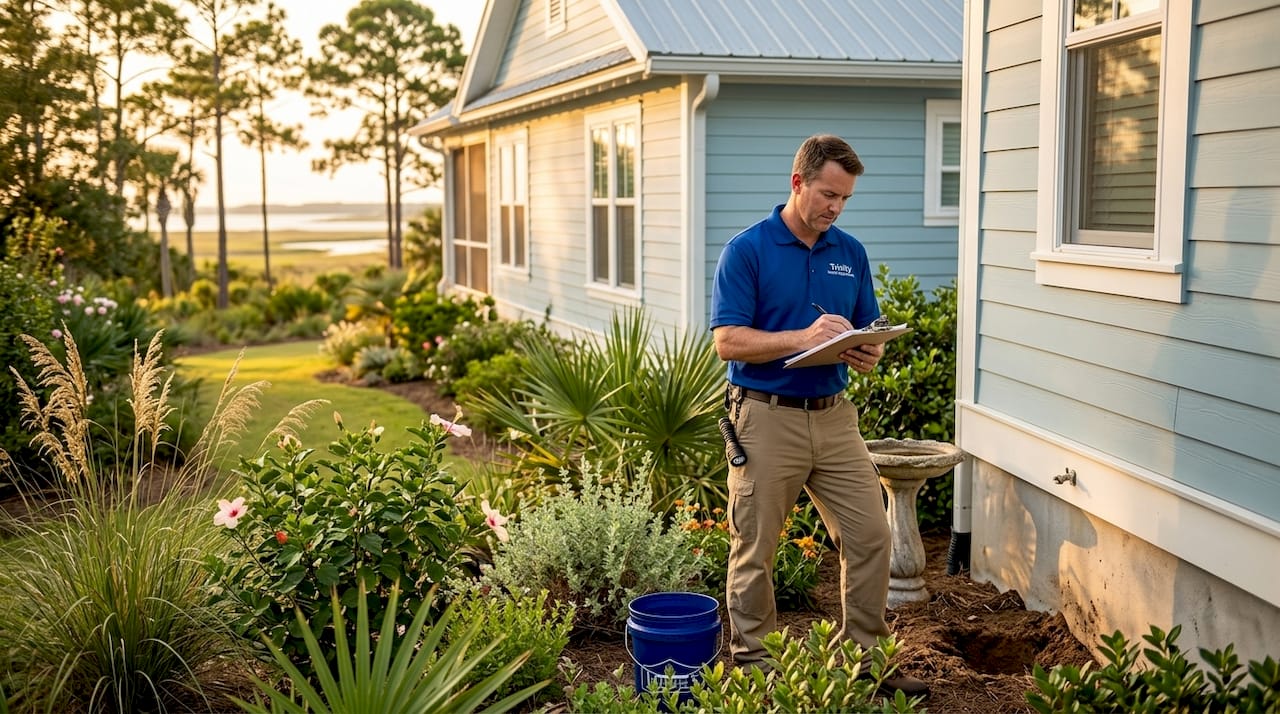
Buying or selling a home on the Gulf Coast of Alabama without a professional inspection is a financial gamble you do not have to take. There are compelling reasons to get a home inspection that go far beyond peace of mind — we are talking about real dollars, real legal protections, and real negotiating power. According to industry data, inspections deliver 10-30x ROI through avoided repairs or negotiation savings, making a $300-$500 inspection one of the smartest investments in the entire home buying process. This guide walks you through every reason you need one before you close.
How inspection contingencies protect Gulf Coast Alabama buyers
Alabama real estate law operates under a doctrine called caveat emptor, which is Latin for “let the buyer beware.” In plain terms, this means sellers in Alabama have no legal obligation to disclose hidden defects that are not obvious to the naked eye. That puts the full burden of due diligence on you as the buyer. Understanding why home inspection matters in Alabama starts with understanding this legal reality.
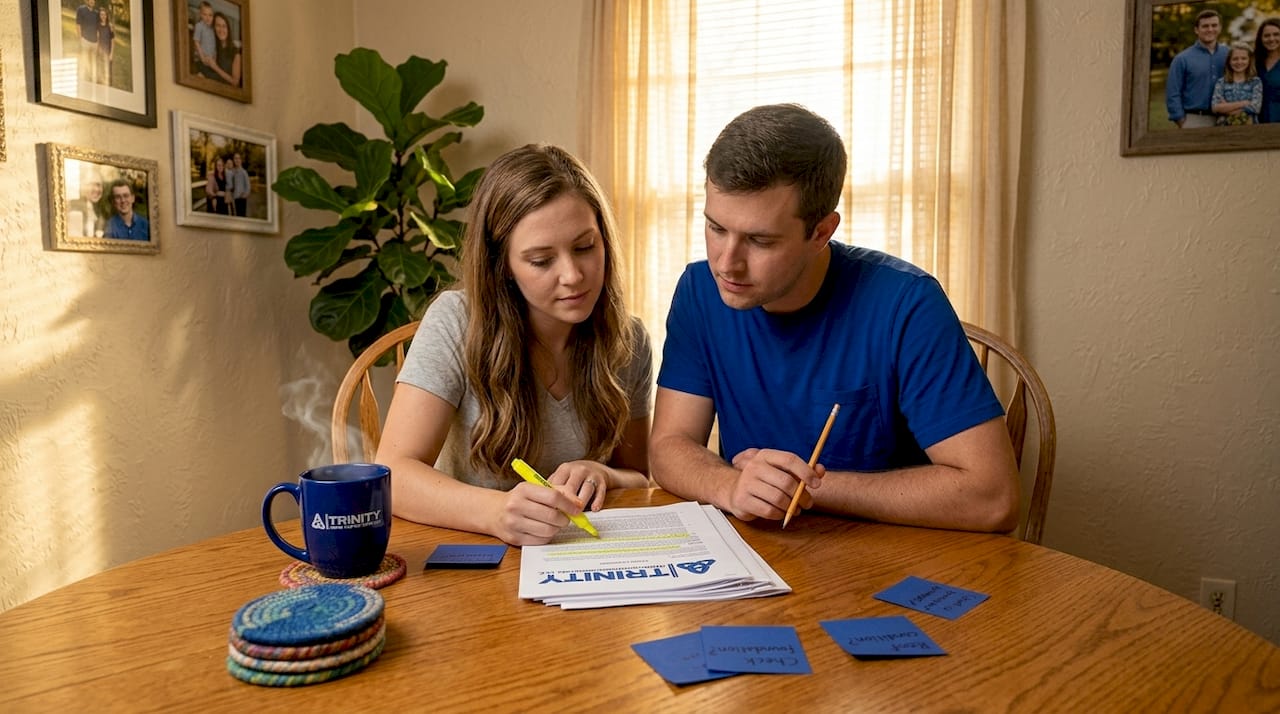
This is exactly where the inspection contingency becomes your safety net. When you make an offer on a home, your purchase contract should include an inspection contingency clause, a provision that gives you the right to hire a licensed inspector, review the findings, and take action based on what they uncover. Buyers typically have 10-14 days to conduct inspections, negotiate repairs or credits, or cancel the contract without losing their earnest money deposit.
Miss that window and your leverage evaporates. Here is what the inspection contingency period allows you to do:
Conduct a full professional inspection of the property’s major systems
Request repairs or credits from the seller based on documented findings
Renegotiate the purchase price if significant defects are discovered
Cancel the contract entirely and recover your earnest money if issues are serious enough
Bring in specialists for targeted follow-up inspections, such as mold testing or sewer scoping
Contingency action | Outcome if taken in time | Outcome if deadline missed |
Cancel due to inspection findings | Full earnest money refund | Earnest money at risk |
Request seller repairs | Seller obligated to respond | No recourse available |
Renegotiate price | Legally valid negotiation | Seller has no obligation |
Accept property as-is | Informed decision made | Decision made without facts |
Following home inspection best practices means scheduling your inspection as early as possible within the contingency window so you have time to act on what you learn.
Identifying costly hidden defects early saves thousands in repairs
With the legal protection of your contingency in place, the next question is: what exactly are inspectors finding that justifies the cost? The answer, consistently, is quite a lot. 86% of home inspections uncover issues requiring attention, with early fixes costing hundreds of dollars versus tens of thousands if those same issues are ignored and allowed to worsen.
Gulf Coast Alabama homes face a specific set of environmental risks that elevate this concern. Humidity, salt air, flooding potential, and older housing stock combine to create conditions where water intrusion, mold, and structural movement are more common than in drier inland markets. Here is a look at the defects that show up most often and cost the most to repair:
Foundation problems: Cracks, soil movement, and water intrusion around footings
Roof deterioration: Missing shingles, damaged flashing, and worn sealants from heat and storm exposure
Electrical hazards: Aluminum wiring from the 1960s and 70s, double-tapped breakers, ungrounded outlets
Mold and moisture: Hidden behind walls or under flooring where humidity has been trapped over time
HVAC system failure: Aging units near end of lifespan, improperly sized systems, dirty coils
Plumbing issues: Polybutylene pipes (common in homes built before the mid-1990s), slow drains, water heater corrosion
Why this matters: Foundation repairs can cost $10,000 to $50,000, making early detection critical for negotiation leverage. A home with an undetected foundation problem may also become difficult or impossible to insure or finance, leaving you stuck with a property you cannot sell without major investment.
Mold is a particular concern along the Gulf Coast. Understanding mold remediation reveals that surface cleaning alone rarely solves the problem if the moisture source has not been identified and corrected. An inspector using thermal imaging can spot temperature anomalies inside walls that point to moisture accumulation long before it becomes a visible mold colony.
Understanding why you should inspect before buying is not just about finding problems. It is about having the full picture of what you are buying so there are no financial surprises after you get the keys. The key benefits of inspections extend well beyond the inspection day itself.
How inspections empower negotiation and buyer confidence
Beyond detection, inspections give you the power to negotiate from a position of knowledge. An inspection report is not just a list of things wrong with a house. It is a documented, third-party record of the property’s condition on a specific date. That documentation becomes your strongest tool at the negotiating table.
Inspection findings provide documented leverage for negotiations, with focused requests on major safety or structural defects having the highest success rate. The key word is focused. Here is how to use your inspection report effectively:
Read the full report and categorize findings by severity: safety issues, major defects, and minor items
Prioritize 2-3 significant items to negotiate, rather than sending a laundry list of every minor concern
Choose your negotiation strategy: seller repairs, a price reduction, or a closing credit you apply toward repairs yourself
Use repair estimates to support your requests, giving the seller concrete numbers to respond to
Let the inspector clarify findings if needed, since inspectors can often provide more detail to support your negotiation position
Pro Tip: Closing credits are often more reliable than seller repair agreements. When a seller agrees to make repairs, you have limited control over the quality of the work. A credit gives you the dollars to hire your own contractor after closing.
Negotiation approach | Best used when | Potential advantage |
Request seller repairs | Seller is motivated and has contractor access | Issue gets resolved before closing |
Price reduction | Multiple issues found, or market favors buyer | Long-term equity benefit |
Closing credit | You want to control repair quality yourself | Flexibility on timing and contractor choice |
Cancel contract | Safety or structural issues are severe | Full earnest money protection |
Working with agents who understand how to build repair reports from inspection findings makes this negotiation process far smoother. Your buyer inspection guide for Alabama can walk you through each step of this process in detail.
Pre-listing inspections: a seller’s strategy in the Gulf Coast market
While buyers gain significant benefits from inspections, sellers along the Gulf Coast are increasingly using them as a proactive listing tool. Sellers in Gulf Coast Alabama should get pre-listing inspections to address issues upfront, avoiding negotiation surprises and making their listings more attractive to buyers.
The logic is straightforward. When you list a home without knowing its condition, you are setting yourself up for a last-minute scramble. A buyer’s inspector finds a major issue. The buyer demands a repair or credit. You have days to respond with no time to get competitive bids. The deal slows down or falls apart entirely. A pre-listing inspection removes that scenario.
Here is what a pre-listing inspection does for sellers:
Eliminates surprise findings during the buyer’s inspection, preventing sudden renegotiations
Gives you time to get competitive repair bids before listing, instead of scrambling during contract negotiations
Positions your listing as transparent, which builds buyer trust and can reduce the time the home sits on the market
Supports your asking price with documented evidence that major systems are in good working order
Reduces the chance of a deal falling through at the last stage of the transaction
Pro Tip: If you complete repairs before listing, keep all invoices and warranties. Providing that documentation to buyers shows the work was done professionally and gives them added confidence in the home’s condition.
Understanding the role of inspections when selling your home can mean the difference between a smooth closing and a transaction that drags out for weeks with back-and-forth repair negotiations.
Key inspection areas that reveal critical home condition insights
Knowing what an inspector actually evaluates helps you appreciate the full scope of what you are getting. A professional inspection is not a quick walk-through. It is a systematic examination of the home’s major systems, typically taking two to four hours on a standard-sized home. A home inspection surveys foundation, roof, electrical, plumbing, HVAC, and safety systems to give a clear condition overview.
Here is what a thorough inspection covers:
Foundation and structure: Inspectors look for cracks in the foundation, evidence of soil movement, water staining at the base of walls, and any signs of structural deflection in beams or floor joists
Roof and exterior: Shingle condition and age, flashing around penetrations, gutter attachment and drainage, siding or trim deterioration, and caulking around windows and doors
Electrical system: Panel brand and condition, circuit breaker operation, wiring types and age, GFCI outlet protection near water sources, and safety hazards like exposed wiring or double-tapped breakers
Plumbing: Supply pipe materials and condition, water pressure, drain flow speeds, water heater age and condition, visible leak evidence, and functional testing of all fixtures
HVAC: Equipment age and condition, filter status, duct condition, proper airflow to all rooms, and estimated remaining lifespan of heating and cooling units
Safety items: Smoke and carbon monoxide detector presence and function, stair railings and balustrade security, GFCI outlets in bathrooms and kitchens, and proper ventilation in attics and crawlspaces
System inspected | What inspectors check | Why it matters |
Foundation | Cracks, water intrusion, settlement | Structural integrity and insurability |
Roof | Age, damage, flashing, drainage | Water intrusion risk and replacement cost |
Electrical | Panel safety, wiring age, grounding | Fire risk and insurance eligibility |
Plumbing | Pipes, pressure, water heater | Leak risk and expensive repair exposure |
HVAC | Age, operation, airflow | Replacement cost timing and comfort |
Safety features | Detectors, railings, GFCI | Occupant safety and liability |
For Gulf Coast homes specifically, crawlspace and attic conditions deserve extra attention. High humidity means these spaces are common sites for moisture accumulation, wood rot, and pest activity. Understanding why home inspections in Alabama matter is closely tied to understanding the climate-specific vulnerabilities of homes in this region.
Why home inspections are the cornerstone of smart Gulf Coast real estate decisions
Here is an opinion worth stating plainly: skipping a home inspection to make your offer more competitive is one of the most financially dangerous decisions a buyer can make in Alabama’s market. We hear this reasoning regularly. Buyers waive inspections to win bidding situations, telling themselves the home looks fine or that they can handle whatever comes up. Waiving inspection contingencies is risky, and the knowledge an inspection provides outweighs any competitive advantage of skipping it.
The homes most likely to have serious hidden defects are often the ones that look the most appealing on the surface. Fresh paint, new carpet, and clean landscaping do not tell you what is happening behind the walls, under the floors, or in the crawlspace. A seller is under no obligation in Alabama to volunteer that information to you.
We have seen buyers along the Gulf Coast purchase homes without inspections, move in, and then discover failing HVAC systems, active water intrusion under the slab, and mold behind freshly painted bathroom walls. These are not uncommon stories. They are predictable outcomes of skipping proper pre-purchase due diligence.
There is also a longer-term planning argument that gets overlooked. Even when a home has no deal-breaking defects, the inspection report gives you a roadmap of what to budget for over the next five to ten years. When the inspector notes that the HVAC system is 12 years old and running properly today, you know to start setting money aside for a replacement within the next few years. That kind of financial foresight is genuinely valuable, and it comes directly from a thorough inspection.
The home inspection necessity in this market is not about distrust. It is about knowing exactly what you are buying, having the information to negotiate fairly, and protecting one of the largest financial decisions of your life with the one tool specifically designed for that purpose.
Get the clarity and confidence you deserve — schedule your professional home inspection today
Ready to stop guessing and start knowing? Trinity Home Inspections serves homebuyers and sellers across Baldwin, Mobile, Escambia, Washington, Monroe, and Clarke counties, including Daphne, Fairhope, Gulf Shores, Orange Beach, Foley, Spanish Fort, and Mobile. Our InterNACHI-certified inspections include same-day photo and video reports, free thermal imaging, and plain-English findings that tell you exactly what matters and what can wait.
[
Whether you are a buyer wanting negotiation leverage, a seller preparing a cleaner listing with our pre-listing inspection service, or a homeowner needing a maintenance check, we are your one-stop shop. Add-on services including sewer scope inspections and mold testing are available when conditions call for them. Call us at 251-210-7376 or visit TrinityInspectionsLLC.com to schedule. We bring honesty, thorough training, and genuine care to every inspection we perform.
Frequently asked questions
How much does a home inspection typically cost on the Gulf Coast of Alabama?
A professional home inspection usually costs between $300 and $500, which represents less than 0.1% of a home’s purchase price while delivering significant savings through defect discovery and negotiation leverage.
What happens if a home inspection reveals major problems?
You can negotiate repairs, request seller credits, or in most cases cancel the contract during the inspection contingency period. Buyers typically have 10-14 days to take any of these actions without losing their earnest money deposit.
Do sellers need to disclose known defects in Alabama?
No. Alabama follows a caveat emptor policy where sellers have no duty to disclose non-obvious defects, which makes a professional inspection the buyer’s most important due diligence tool in this state.
Can inspections help sellers when listing their homes?
Yes. Sellers who get pre-listing inspections can address issues before listing, reduce negotiation friction, and present buyers with a more credible and transparent property that is easier to close on.
Are all defects found during inspections cause to cancel a purchase?
No. Many issues are minor and manageable. The most effective negotiations focus on 2-3 major safety or structural items rather than cosmetic concerns, helping buyers get meaningful relief without derailing the transaction over small problems.
Recommended

