
7 Home Inspection Red Flags Every Buyer Should Know

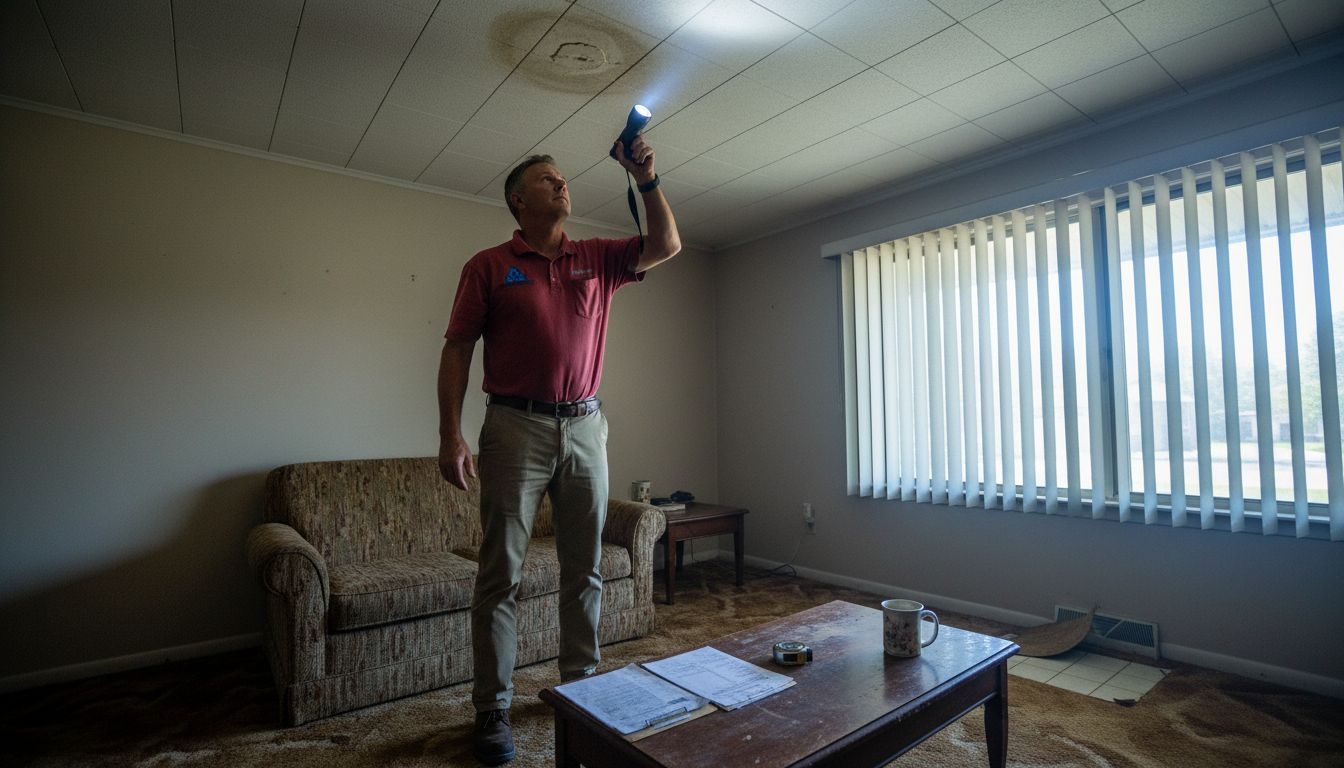
Shopping for a new home brings excitement, but hidden risks can turn your dream purchase into a costly problem. Spotting warning signs during your walkthrough is crucial so you do not overlook issues that could impact your safety, finances, or comfort. This guide will help you recognize specific signals of trouble inside and outside any property. You will discover practical inspection tips that protect your investment and keep unexpected repairs at bay. Get ready to learn what smart homebuyers check for and how these actionable steps can help you avoid expensive surprises.
Quick Summary
Takeaway | Explanation |
1. Identify Water Damage Early | Look for discoloration, musty odors, and warped floors to catch water damage before it worsens. |
2. Ensure Electrical Safety | Check for outdated panels and tripped breakers to avoid fire hazards and ensure efficient power use. |
3. Inspect Roofing Conditions | Look for missing shingles and gaps in flashing as they can lead to costly leaks and structural issues. |
4. Evaluate Foundation Integrity | Check for cracks and uneven floors; significant issues may indicate serious structural problems needing expert assessment. |
5. Assess Plumbing Health | Monitor for discoloration and leaks around pipes to prevent costly replacements and ensure clean water supply. |
1. Signs of Water Damage and Hidden Leaks
Water damage can be a silent destroyer of home value and structural integrity. Detecting these hidden threats early can save homeowners thousands in potential repairs and prevent long term structural issues.
Homebuyers should understand that water damage often starts small and becomes progressively worse if left unaddressed. The Environmental Protection Agency recommends checking for subtle water leak indicators that might signal serious underlying problems.
Key areas to inspect for water damage include:
Walls and ceiling discoloration
Warped or buckled flooring
Musty odors
Peeling paint or wallpaper
Soft or spongy drywall
Visible mold or microbial growth
Water damage left unchecked can compromise your home’s structural integrity and create health risks.
Professional home inspectors use advanced tools like moisture meters to detect hidden moisture zones that aren’t visible to the naked eye. These precise instruments can identify potential water intrusion points behind walls and under flooring before significant damage occurs.
While performing your walkthrough, pay close attention to areas prone to water issues:
Check under sinks
Examine bathroom and kitchen tile grout
Look for water stains around windows and doors
Inspect basement and crawl spaces
Examine roof edges and attic spaces
Specific warning signs include brownish water stains, soft or bubbling drywall, and unexplained increases in water utility bills. These could indicate serious underlying water damage that requires immediate professional assessment.
Pro tip: Before finalizing your home purchase, request a comprehensive moisture and thermal imaging inspection to uncover hidden water damage not visible during a standard walkthrough.
2. Faulty Electrical Systems and Overloaded Circuits
Electrical issues can be among the most dangerous and costly problems in a home. Recognizing potential electrical hazards during a home inspection is critical for protecting your investment and ensuring your family’s safety.
Modern homes require complex electrical systems that can easily become overwhelmed or improperly installed. Identifying electrical safety risks involves understanding multiple potential warning signs that skilled home inspectors look for during comprehensive evaluations.
Key red flags for electrical system problems include:
Outdated or non-functioning electrical panels
Visible burn marks around outlets
Frequently tripped circuit breakers
Flickering or dimming lights
Buzzing sounds from electrical components
Warm electrical outlets or switch plates
Lack of ground fault circuit interrupters (GFCI) in wet areas
Electrical system failures are responsible for approximately 51,000 home fires annually in the United States.
Homebuyers should pay special attention to certain high risk areas like Federal Pacific electric panels which are known for potential fire hazards. Older homes frequently have electrical systems that do not meet current safety standards and may require significant upgrades.
Professional inspectors recommend a systematic approach to electrical system evaluation:
Check overall panel condition
Test outlet functionality
Verify proper grounding
Examine wiring for signs of wear
Assess circuit load capacity
Warning signs of electrical overload include circuit breakers that trip frequently or feel warm to the touch. These indicate that your home’s electrical system might be struggling to handle its current power demands.
Pro tip: Always request a detailed electrical system evaluation during your home inspection and budget for potential electrical upgrades if purchasing an older home.
3. Roofing Issues: Missing Shingles or Damaged Flashing
Your roof represents one of the most critical protective barriers for your home and identifying potential issues before purchase can save you thousands in potential repair costs. Understanding how to spot roofing problems during a home inspection is crucial for making an informed buying decision.
Sheet metal flashing installation standards play a significant role in preventing water intrusion and maintaining roof integrity. Damaged or improperly installed flashing can lead to extensive water damage that compromises your home’s structural foundation.
Key signs of roofing problems include:
Curled or missing asphalt shingles
Visible gaps in roof flashing
Rust or corrosion around metal roof components
Dark spots or stains on roof decking
Granule buildup in gutters
Sagging or uneven roof lines
Visible daylight through roof boards
A single compromised roof component can potentially lead to $10,000 or more in structural repair costs.
Professional home inspectors recommend checking roof inspection steps to thoroughly evaluate potential issues. Asphalt shingle conditions reveal much about a roof’s overall health and maintenance history.
Critical areas homebuyers should examine during roof assessments:
Inspect roof edges and valleys
Check flashing around chimneys and vents
Look for signs of water penetration
Evaluate overall shingle condition
Assess potential repair or replacement costs
Warning signs of significant roof damage can include visible water stains inside the home or attic, indicating potential long term leakage and structural compromise.
Pro tip: Always request a professional drone roof inspection to identify hard to see damage that might be missed during traditional visual assessments.
4. Foundation Cracks and Uneven Floors
Foundation problems represent some of the most serious and potentially expensive issues a homebuyer can encounter. Understanding how to identify and assess foundation damage can save you from catastrophic repair costs and protect your most significant investment.
Concrete foundation investigations reveal that not all foundation cracks indicate structural failure. However certain signs demand immediate professional attention and can significantly impact your home’s long term value and safety.
Critical foundation warning signs include:
Horizontal cracks wider than 1/4 inch
Stair step cracks in brick or masonry walls
Doors and windows that no longer close properly
Visible separation between walls and ceiling
Sloping or uneven floors
Moisture or water intrusion in basement
Cracks in floor tiles or concrete slab
Foundation repairs can range from $500 for minor fixes to over $100,000 for extensive structural reconstruction.
Professional home inspectors recommend methodical crack assessment techniques to differentiate between cosmetic and structural damage. Uneven floor measurements reveal potential underlying foundation issues that might not be immediately visible.
Important steps for foundation evaluation:
Measure floor levelness with professional tools
Check for consistent crack patterns
Examine exterior foundation walls
Look for signs of soil movement
Assess drainage around home’s perimeter
Warning signs of serious foundation problems can include significant floor slopes exceeding 1-2 inches across a room, indicating potential structural settlement or shifting.
Pro tip: Request a specialized foundation inspection that includes laser leveling measurements to accurately determine the extent of potential structural movement.
5. Outdated Plumbing and Signs of Corrosion
Your home’s plumbing system represents a complex network that can hide serious issues behind walls and under floors. Understanding how to identify potential plumbing problems during a home inspection can save you from expensive repairs and potential health risks.
Corrosion problems in domestic plumbing can lead to significant structural and health challenges that many homebuyers overlook during initial inspections.
Critical signs of plumbing deterioration include:
Blue-green stains around pipe connections
Pinhole leaks in copper pipes
Discolored or rusty water
Low water pressure
Unusual metallic taste in water
Visible pipe corrosion or scaling
Frequent pipe leaks or repairs
The average whole house plumbing replacement can cost between $2,000 and $15,000 depending on home size and complexity.
Professional inspectors recommend examining specific pipe material risks that could compromise your home’s water system. Older pipe materials pose significant potential problems for homeowners.
Important steps in evaluating plumbing condition:
Check pipe material and age
Examine visible pipe connections
Test water quality
Look for signs of previous repairs
Assess overall system functionality
Warning signs of serious plumbing issues can include persistent leaks, water discoloration, and unexplained increases in water bills.
Pro tip: Always request a comprehensive plumbing inspection that includes camera scoping of main lines to uncover hidden defects not visible during standard visual assessments.
6. Evidence of Mold, Mildew, or Poor Air Quality
Breathing safely in your new home starts with understanding potential microbial growth and air quality challenges. Indoor environmental conditions can dramatically impact your health and property value in ways many homebuyers overlook.
Mold growth fundamentals reveal that moisture control is the primary defense against potential health hazards. Microbial growth represents more than a cosmetic issue it can trigger serious respiratory problems and structural damage.
Warning signs of air quality and microbial growth problems include:
Musty or earthy odors
Visible discoloration on walls or ceilings
Persistent respiratory symptoms
Unexplained allergic reactions
Water stains or moisture marks
Peeling wallpaper or paint
Condensation on windows
Indoor air can be 2-5 times more polluted than outdoor air quality.
Professional home inspectors recommend comprehensive indoor air quality testing to identify potential hidden environmental risks. Microscopic spores spread quickly and can compromise your entire living environment.
Key areas to examine for potential microbial growth:
Check bathroom and kitchen grout
Inspect basement and crawl spaces
Look behind furniture near exterior walls
Examine window sills and frames
Investigate areas with previous water damage
Warning signs of significant air quality problems can include persistent musty smells and unexplained health symptoms among household members.
Pro tip: Request a professional air quality test that includes laboratory analysis to detect microbial spore levels beyond what visual inspections can reveal.
7. Inadequate Insulation and Hidden Moisture Problems
Your home’s insulation system is far more than just a barrier against temperature changes it’s a critical defense against potential structural damage and energy inefficiency. Understanding how insulation impacts moisture control can save you thousands in future repair costs.
Insulation performance standards reveal that proper thermal barriers do more than regulate temperature they prevent condensation and protect your home’s structural integrity. Poor insulation can lead to hidden moisture problems that develop silently over years.
Key warning signs of insulation and moisture issues include:
Uneven temperature zones in home
Unexplained spike in energy bills
Frost or ice buildup in attic
Visible condensation on windows
Musty odors in enclosed spaces
Peeling paint or wallpaper
Visible mold or microbial growth
Inadequate insulation can increase heating and cooling costs by up to 40 percent.
Professional home inspectors recommend examining attic ventilation strategies to identify potential moisture traps. Moisture control requires comprehensive analysis beyond simple visual inspection.
Critical areas to assess for insulation and moisture problems:
Check attic insulation depth
Inspect crawl space vapor barriers
Look for signs of condensation
Evaluate window and door seals
Examine basement humidity levels
Warning signs of significant insulation failure can include consistent drafts and rooms that feel dramatically different in temperature.
Pro tip: Request a thermal imaging inspection to detect hidden moisture and insulation gaps that traditional visual assessments might miss.
Below is a comprehensive table summarizing the main topics discussed in the article regarding pivotal concerns during home inspections.
Topic | Key Indicators | Recommendations |
Water Damage and Hidden Leaks | Walls discoloration, buckled flooring, musty odors | Request moisture imaging inspection |
Faulty Electrical Systems | Burn marks, flickering lights, buzzing sounds | Evaluate system load, check outdated panels |
Roofing Issues | Missing shingles, damaged flashing, sagging roof lines | Conduct drone inspections for inaccessible areas |
Foundation Cracks | Uneven floors, wide cracks, moisture intrusion | Use laser leveling for accurate assessment |
Outdated Plumbing Systems | Leaky pipes, discolored water, visible corrosion | Camera scoping of pipes for hidden defects |
Mold and Poor Air Quality | Musty odors, water stains, condensation | Perform professional air quality test |
Insulation and Moisture Issues | Uneven heating zones, high energy bills, mold presence | Inspect attic ventilation and thermal barriers |
Protect Your Investment with Expert Home Inspections from Trinity
The article “7 Home Inspection Red Flags Every Buyer Should Know” highlights critical issues that can impact your new home purchase such as hidden water damage, faulty electrical systems, roofing concerns, and foundation problems. These challenges can be overwhelming and costly if overlooked. At Trinity Home Inspections, we understand your goal to uncover all these hidden red flags and gain the clear, trustworthy information you need before making one of the biggest investments of your life.
Our InterNACHI-certified inspectors use advanced tools including free thermal imaging, moisture meters, and FAA-certified drones to reveal problems you cannot see on a regular walkthrough. We also provide same-day, photo-rich digital reports that clearly identify safety issues, repair priorities, and help you negotiate with confidence. Our commitment to integrity, honesty, and Christian values means you receive straightforward answers, not hidden surprises.
Don’t leave your home purchase to chance. Protect your investment and your family by scheduling a professional home inspection with Trinity today. Visit Trinity Home Inspections to learn more about our full range of services including comprehensive moisture, electrical, roofing, foundation, and air quality assessments. Make the smart decision now to avoid costly red flags later.
Frequently Asked Questions
What are the main signs of water damage to look for during a home inspection?
Water damage signs include discoloration on walls and ceilings, warped or buckled flooring, and musty odors. Inspect these areas carefully during your walkthrough to identify potential issues and address them before making an offer.
How can I identify potential electrical problems in a home?
Look for outdated electrical panels, frequently tripped circuit breakers, and warm outlets. If you notice these issues, request a detailed electrical system evaluation before proceeding with the purchase.
What roofing issues should I be aware of when inspecting a home?
Common roofing problems include missing shingles, visible gaps in flashing, and dark stains on the roof decking. Address these signs immediately as they can lead to significant repair costs; consider a professional inspection for a thorough assessment.
How do I determine if there are foundation issues in a house?
Check for horizontal cracks wider than 1/4 inch and uneven floors, as these can indicate foundation problems. Assess these signs regularly, and if any are present, consult a foundation specialist for a comprehensive evaluation.
What plumbing problems should I look for during a home inspection?
Signs of plumbing issues include rust-colored water, low water pressure, and visible pipe corrosion. If you encounter these problems, request a comprehensive plumbing inspection to uncover any hidden issues likely to arise after your purchase.
How can I assess indoor air quality and potential mold issues in a home?
Pay attention to musty odors, visible discoloration, and unexplained allergic reactions among household members. Conduct a professional indoor air quality test if you notice any of these warning signs to ensure a safe living environment.
Recommended
