
Same Day InterNACHI Homebuyers Report for Gulf Coast Buyers
- Matt Cameron
- 12 minutes ago
- 9 min read

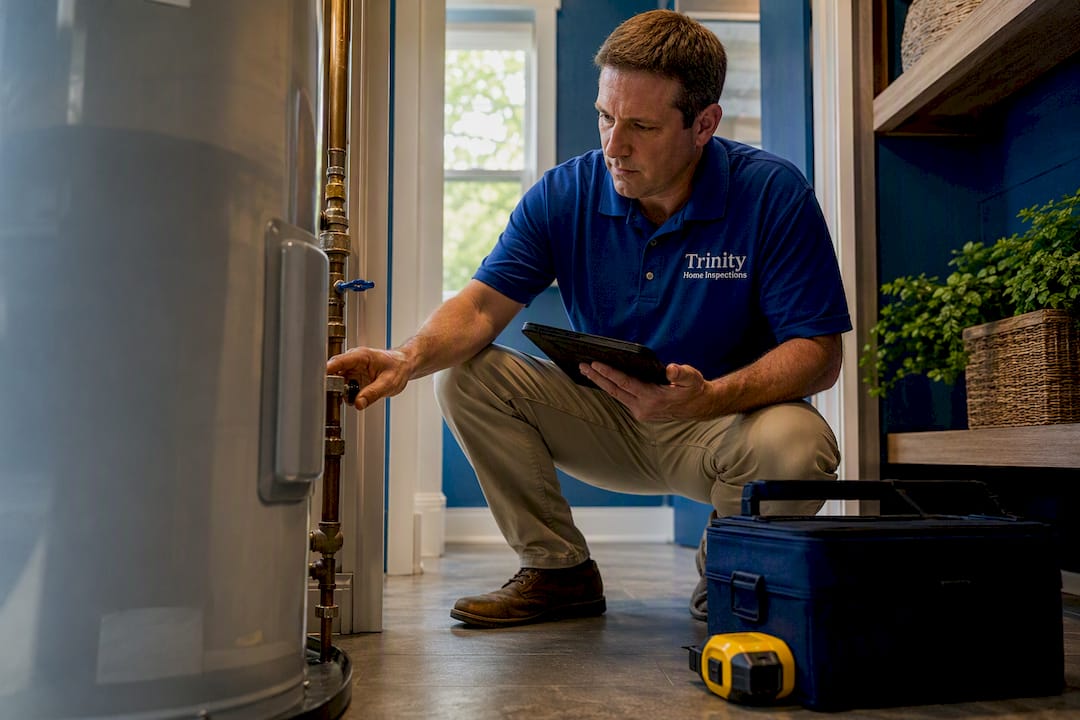
A homebuyers report is an InterNACHI-certified home inspection report that documents a property’s condition using photos, video, and prioritized findings. Trinity Home Inspections delivers these reports the same day as your walkthrough, giving you the evidence you need to negotiate repairs, request credits, or walk away from a deal before closing. It is not a prediction of the future. It is a clear picture of what the home looks like right now.
TL;DR:
Visual inspections may miss hidden issues like concealed plumbing or underground tanks, making specialized add-ons essential for comprehensive coverage.
Inspection reports arrive the same day, include photos and videos, and often feature free thermal imaging to identify moisture or heat issues, especially important in humid coastal areas.
Buyers should prioritize safety and major defect findings first, then review minor issues at their own pace, utilizing color-coded summaries to avoid overwhelm.
Organizing and documenting repair estimates and questions from the report can strengthen negotiation efforts or support timely follow-ups before deadlines.
Only licensed or InterNACHI-certified inspectors, with ongoing education and proper insurance, are qualified to perform these detailed, standardized homebuyers inspections.
What A Homebuyers Report Actually Covers
Alt text: InterNACHI-certified inspector in khaki pants and blue Trinity Home Inspections shirt examining a home’s exterior in Gulf Coast Alabama.
An InterNACHI-style report walks through every major system in the home, not just the obvious stuff like the roof and the water heater. Under the InterNACHI Standards of Practice, a qualified inspector documents material defects across roughly a dozen categories, and each one gets its own section in your final report.
Here’s what a thorough inspection typically covers:
Roof, including flashing, penetrations, and drainage
Exterior siding, grading, and drainage around the foundation
Foundation and structural components
Plumbing supply, drain, and water heater systems
Electrical panels, wiring, and a representative sample of outlets and switches
HVAC equipment, ductwork, and thermostats
Attic space and insulation levels
Interior walls, ceilings, floors, doors, and windows
Fireplaces and chimneys where present
The evidence backing each finding matters as much as the finding itself. A good report includes photos of the actual issue, not stock images or generic icons. Trinity Home Inspections adds video clips for anything that moves, rattles, or makes a sound it shouldn’t, along with drone footage when a roof isn’t safe to walk. Thermal imaging, moisture meter readings, and combustible gas detector results round out the picture when conditions allow for their use.
One thing worth knowing upfront: no inspection report captures everything. Concealed plumbing inside walls, buried oil tanks, or a sewer line with a hidden crack won’t show up on a standard visual inspection. That’s the gap add-on services fill. A sewer scope can catch a collapsed drain line months before it becomes a $15,000 problem, and mold or indoor air quality testing catches what a visual walkthrough physically cannot.
Why The Report Matters More Than You Think
The real value of a homebuyers report shows up after the inspection ends, when you’re deciding what to do with what you learned. A well-organized report gives you three things: leverage at the negotiating table, a safety check on the home you’re about to live in, and a budgeting tool for what comes next.
Here’s how different types of property buyers typically put the report to work:
Request specific repairs before closing, backed by photo evidence
Negotiate a credit toward closing costs instead of waiting on repairs
Walk away from the deal entirely if the findings are serious enough
Prioritize post-closing repairs by urgency and cost
Some InterNACHI participating inspectors, including Trinity Home Inspections, back qualifying homes with the InterNACHI Buy-Back Guarantee, which offers additional protection for 90 days after closing if a material defect was missed. That guarantee only applies to homes listed with a licensed agent and meeting eligibility requirements, so it’s worth asking your inspector directly whether your purchase qualifies.
Keep in mind the report reflects the home’s condition on the day of inspection, not a promise about how it will hold up in five years. A working HVAC system today doesn’t guarantee it survives next August’s heat wave.
Pro Tip: Sort your findings into two buckets before you call your agent: safety issues that need immediate attention, and maintenance items you can budget for over the next year. This alone makes negotiation conversations far less stressful.
How To Read Your Report Without Getting Overwhelmed
A modern report is not a stack of scary photos in random order. It’s organized so you can find what matters fast, starting with a summary page that color-codes findings by urgency. That summary exists precisely so you don’t have to comb through 40 pages of photos to figure out what’s actually serious.
Here’s the order most buyers should review a report:
Read the summary page first. This is where color-coded categories separate safety hazards from minor maintenance items, giving you the big picture before you dive into details.
Scan the safety and major defect sections next. These are the items most likely to affect your negotiation or your decision to move forward at all.
Review the remaining system sections at your own pace. Minor and DIY-level items rarely change the outcome of a deal but help you plan maintenance.
Cross-reference photos and video with the written description. A good narrative entry follows three parts: what the condition is, why it matters, and what the inspector recommends doing about it.
A sample entry might read something like this: “Moisture staining observed on the ceiling below the upstairs bathroom, consistent with a slow supply line leak. This could lead to structural damage if left unaddressed. Recommend a licensed plumber evaluate and repair before closing.” That’s description, seriousness, and recommendation in three sentences, backed by a photo reference number you can find in the report itself.
Every report also includes a limitations section explaining what wasn’t inspected and why, whether that’s a locked crawlspace access or a roof too steep to walk safely. Reading that section matters just as much as reading the defect list because it tells you where the report’s coverage actually stops. Our guide to reading a home inspection report breaks this down section by section if you want more detail before your inspection day arrives.
What To Do After You Get The Report
Getting the report is only step one. What you do in the days after determines whether it actually helps you close a better deal or just sits in your inbox unread.
Attend the walkthrough if you can, and ask questions on the spot. Inspectors welcome buyers at the inspection, and hearing an explanation in person often clarifies more than reading a paragraph later.
Rank your findings by priority. Safety hazards and major defects come first. Get contractor quotes on the two or three biggest items so you’re negotiating with real numbers, not guesses.
Present specific, documented requests to the seller. A request backed by a photo and an estimated repair cost lands very differently than a vague complaint.
Schedule specialty follow-ups if the report recommends them. A sewer scope or an HVAC technician’s second opinion sometimes needs to happen within your contingency window, so don’t wait.
Most purchase contracts give you a limited number of days for inspection contingencies, often somewhere between 7 and 14 days depending on the contract terms your agent negotiated. That window moves fast once repair quotes and follow-up specialists get involved.
Pro Tip: Keep every quote, email, and photo from this process in one folder. If a dispute comes up later, having your documentation organized saves you time and stress you don’t need during closing week.
What’s Included With A Trinity Home Inspections Report
Every Trinity Home Inspections report arrives the same day as your inspection, organized, searchable, and built around color-coded sections for DIY/Minor, Issues/Defects, and Safety/Major findings. You get photos and video of anything worth seeing, plus plain-English priorities so you know what needs attention now versus what can wait.
Free thermal imaging comes standard on every inspection when conditions allow, alongside moisture meters, CO detectors, and combustible gas leak detectors. When a roof isn’t safe to walk, we bring in drone imaging instead of skipping that section altogether.
Included Standard | Available Add-On |
Same-day photo/video report | Sewer scope inspection |
Free thermal imaging | Mold testing |
Moisture meter readings | Indoor air quality testing |
CO and gas leak detection | Pool/spa inspection |
We carry $1 million in Errors & Omissions insurance and $2 million in General Liability coverage, well above what Alabama requires, because you shouldn’t carry the risk if something goes wrong during your inspection.
What A Homebuyers Report Costs And How Long It Takes
Home inspection pricing generally scales with square footage, the home’s age, and which add-ons you select, so a two-bedroom condo and a 4,000-square-foot historic home won’t land on the same number. Most buyers pay a moderate amount for a standard inspection, with add-ons like sewer scopes or mold testing priced separately.
Turnaround time is where a lot of buyers get caught off guard. Some companies take a day or two to deliver findings, which eats into an already tight contingency window.
Timing your inspection early in the contingency period gives you room to schedule follow-ups, get contractor quotes, and still negotiate before deadlines close in. Booking the inspection the day after your offer is accepted, rather than waiting a week, is one of the simplest ways to protect your negotiating position.
Homebuyers Report Vs. Other Types Of Property Assessments
A homebuyers report, in the InterNACHI sense used across the U.S., is a full visual inspection of a property’s major systems performed for a buyer before closing. It’s different from a pre-listing inspection, which a seller orders before putting the home on the market to catch issues ahead of time, and different again from a code inspection performed by a municipal official checking compliance with local building codes.
It’s also worth distinguishing from a general condition assessment sometimes bundled into an appraisal. An appraiser’s job is to estimate market value, and any condition notes they make are secondary to that goal and far less detailed than a dedicated inspection report. A homebuyers report exists purely to document condition, not value, and it goes far deeper into individual systems than an appraisal ever will.
If you’re a seller wondering whether a pre-listing inspection makes sense before you list, our pre-listing inspection page walks through how that process differs from a buyer’s inspection and why catching issues early can smooth out your sale.
Who Actually Performs A Homebuyers Report
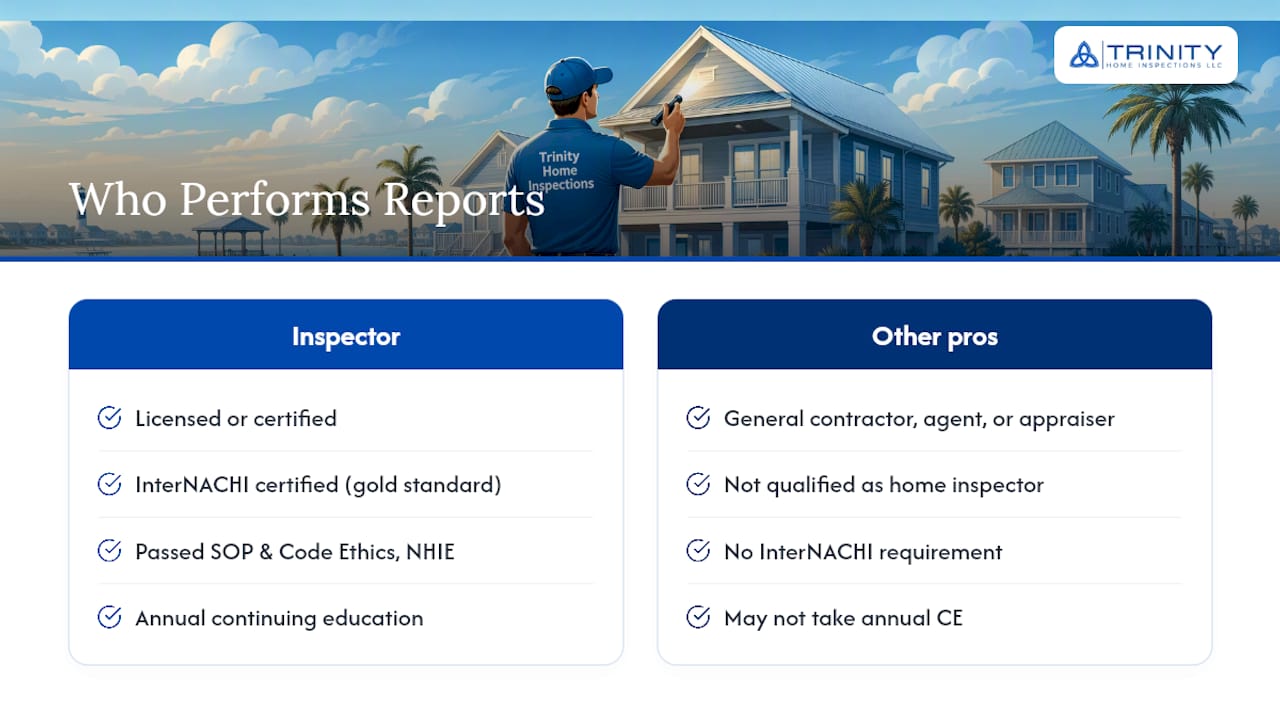
In the U.S., a homebuyers report is performed by a licensed or certified home inspector, not a general contractor, real estate agent, or appraiser. Qualifications vary by state, but the credential that matters most nationally is InterNACHI certification, recognized as the gold standard in the industry and backed by training standards the U.S. Department of Education recognizes.
An InterNACHI-certified inspector has passed the Standards of Practice and Code of Ethics exams, completed the National Home Inspectors Exam, and commits to ongoing education every year to keep that certification current. That matters because building materials, code requirements, and common defect patterns change over time, and an inspector who stopped learning ten years ago is working from outdated information.
Before you hire anyone, ask about their insurance coverage too. Errors & Omissions and General Liability policies protect you if something is missed or if damage happens during the inspection itself, and coverage limits vary widely between companies. Our guide on why certified inspectors matter covers the specific questions worth asking before you book anyone for this job.
Why This Matters More On The Gulf Coast
Matt Cameron leads Trinity Home Inspections as an InterNACHI-certified inspector, FAA drone-licensed, and a passer of the National Home Inspectors Exam, with annual continuing education built into how the business operates. Gulf Coast Alabama’s humidity and storm exposure make thermal imaging and sewer scopes far more useful here than in drier climates, since hidden moisture and drainage issues show up faster near the coast. Family-owned and rooted in faith-based values, Trinity backs every inspection with $1 million E&O and $2 million GL coverage, along with post-inspection support so you’re never left rereading a report alone.
— Matt
Ready To Schedule Your Gulf Coast Home Inspection?
Trinity Home Inspections gives you same-day photo and video reports with free thermal imaging included, not billed as an upcharge like some companies in the area. That means no waiting two or three days while your contingency clock ticks down, and no surprise fee when you ask about infrared coverage.
[
If your purchase might need extra documentation, our real estate deed and permit search service helps you confirm property history before you close, and our indoor air quality testing in Fairhope covers concerns a standard visual inspection can’t address. Every inspection is performed by an InterNACHI-certified inspector who treats your home purchase with the same care we’d want for our own family.
Call 251-210-7376 or visit Trinityinspectionsllc to book your inspection and get a same-day report with clear, plain-English priorities you can actually use.
FAQ
What Is A Homebuyers Report In The U.S.?
It’s an InterNACHI-certified home inspection report that documents a property’s major systems using photos, video, and prioritized findings to help buyers make informed decisions before closing.
What Does A Homebuyers Report Include?
It typically covers the roof, structure, plumbing, electrical, HVAC, attic, and interior components, along with supporting evidence like photos, thermal images, and moisture readings.
Can I Use The Report To Negotiate Repairs?
Yes. Buyers commonly use documented findings to request repairs, ask for closing credits, or in serious cases, walk away from the purchase entirely before closing.
Does The Report Catch Every Possible Problem?
No. Standard visual inspections can’t detect concealed or latent defects like hidden pipe cracks, which is why add-ons like sewer scope inspections and mold testing exist to expand coverage.
Who Is Qualified To Perform A Homebuyers Report?
A licensed or InterNACHI-certified home inspector performs the report, having passed Standards of Practice exams and the National Home Inspectors Exam with ongoing annual education required.
Recommended

