
What Is an Electrical Inspection? A Homeowner's Guide

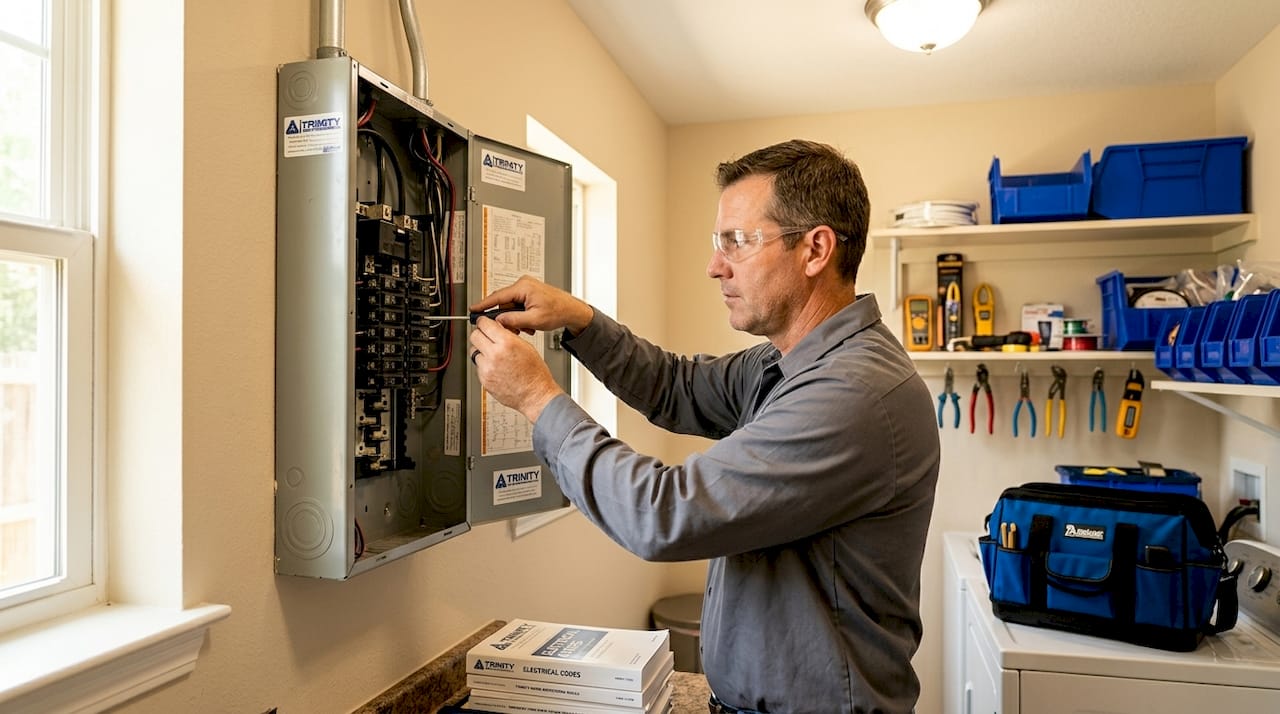
An electrical inspection is a licensed, systematic evaluation of a home’s electrical system to confirm it operates safely, meets current code requirements, and poses no hidden hazards to the people living inside. A certified inspector examines everything from the main panel and branch circuit wiring to outlets, GFCI devices, AFCI breakers, grounding systems, and smoke detectors. Most residential inspections run between one and two hours and cost homeowners between $200 and $400, including a written report. Whether you are buying a home in Fairhope, selling a property in Mobile, or simply maintaining a house you have owned for years, understanding what this process covers puts you in a far stronger position to protect your investment and your family.
What does an electrical inspection entail in a typical home?
An electrical inspection covers every major component of a home’s electrical system, evaluated against the National Electrical Code (NEC) and local jurisdiction requirements. According to licensed electricians, inspectors evaluate panels, wiring, GFCI and AFCI devices, grounding systems, outlets, switches, and safety alarms for compliance and hazards. That list is broader than most homeowners expect, and each item carries real safety weight.
Here is what a thorough residential electrical inspection covers:
Electrical panel: The inspector checks for proper labeling, signs of overheating or corrosion, correct breaker sizing, and whether the panel has adequate capacity for the home’s load. Double-tapped breakers and Federal Pacific or Zinsco panels are flagged immediately.
Wiring condition: The inspector looks for damaged insulation, improper splices, aluminum branch circuit wiring, and any wiring that does not meet current NEC standards. Older homes with knob-and-tube or cloth-wrapped wiring receive extra scrutiny.
GFCI and AFCI protection: Ground Fault Circuit Interrupter (GFCI) outlets are required in kitchens, bathrooms, garages, and outdoor areas. Arc Fault Circuit Interrupter (AFCI) breakers are required in bedrooms and living spaces in most modern codes. The inspector tests each device to confirm it trips correctly.
Outlets and switches: Every accessible outlet and switch is tested for proper function, correct polarity, and secure mounting. At Trinity Home Inspections, we test every outlet and switch we can access, not just a representative sample.
Grounding system: The inspector verifies that the grounding electrode system is properly connected and that outlets are correctly grounded throughout the home.
Smoke and carbon monoxide detectors: Placement, function, and interconnection of safety alarms are checked against current code requirements.
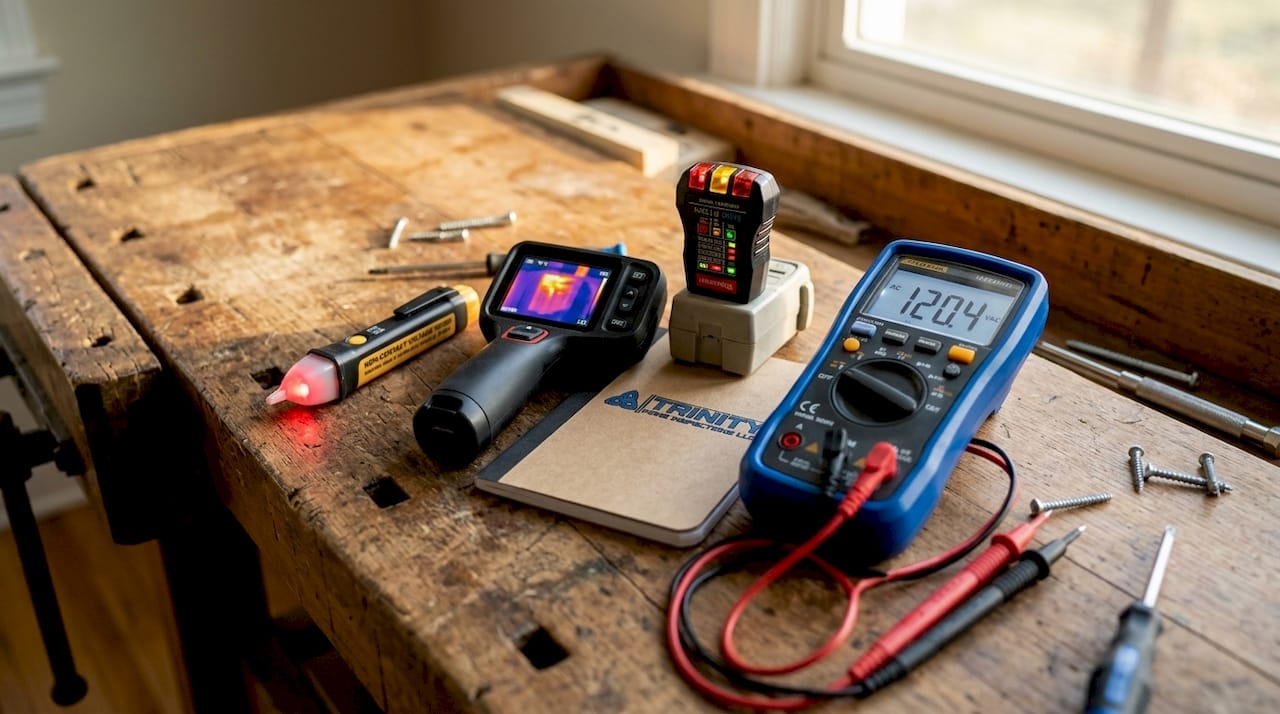
Tools used during the inspection include a non-contact voltage tester, outlet tester, thermal imaging camera, and a multimeter. Thermal imaging is particularly useful for spotting overheated wiring or connections inside walls without any destructive testing.
Pro Tip: Ask your inspector whether they use thermal imaging during the electrical inspection. Overloaded circuits and loose connections often show up as heat signatures before they ever trip a breaker or cause visible damage. Trinity Home Inspections includes thermal imaging at no extra charge.
Why are electrical inspections important for homeowners and buyers?
Electrical inspections are one of the most direct ways to prevent house fires, protect your family, and avoid repair bills that dwarf the cost of the inspection itself. Regular inspections identify and document risks like overloaded circuits or outdated panels before they escalate into serious hazards. That proactive approach is the core reason inspections matter, not just for new buyers but for anyone who owns a home.
“Electrical inspections are often misunderstood as fault-finding exercises. They are actually proactive health checks that give homeowners peace of mind and a clear picture of where their system stands.” — Power Path Electric
The benefits extend well beyond fire prevention:
Insurance compliance: Many insurance carriers in Alabama and across the Gulf Coast require proof of a satisfactory electrical inspection before issuing or renewing a homeowner’s policy, particularly on older properties.
Real estate transactions: Buyers use inspection findings to negotiate repairs or price reductions. Sellers who complete a pre-listing inspection avoid last-minute surprises that can delay or kill a closing.
Code compliance: Electrical codes change over time. A home wired in 1985 may have been perfectly legal then but falls short of today’s NEC standards. Knowing where you stand prevents fines and liability.
Appliance and equipment protection: Faulty wiring and unstable circuits damage sensitive electronics and appliances. An inspection catches these issues before they destroy a refrigerator, HVAC system, or home theater setup.
Renovation planning: Before adding a room, upgrading a kitchen, or installing an EV charger, an inspection tells you whether your current panel can handle the added load or whether an upgrade is needed first.
General home inspections do not cover the depth of assessment that a licensed electrician provides. A general inspector flags obvious concerns, but a specialized electrical inspection uncovers hidden hazards that a surface-level walkthrough simply cannot detect. That distinction matters enormously when you are making a six-figure purchase decision.
Common electrical inspection issues and how to prepare your home
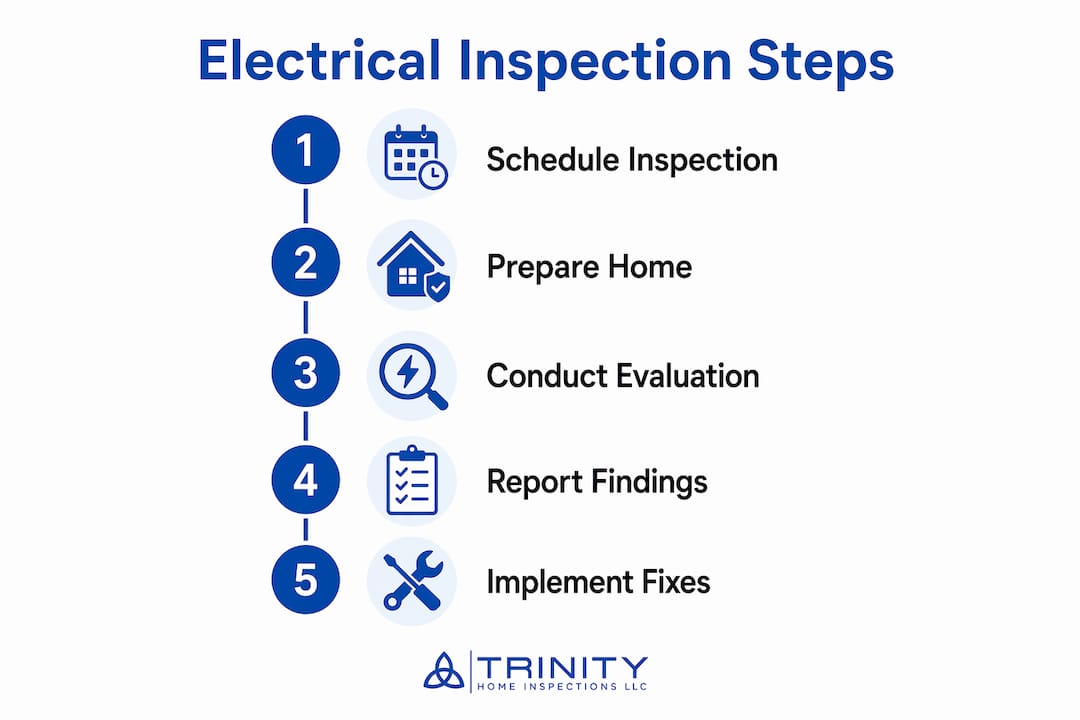
The average first-pass failure rate for residential electrical inspections sits around 25%, and the majority of those failures come from preventable issues. Missing GFCI protection, unlabeled breakers, and overloaded circuits top the list. Knowing what inspectors look for lets you address problems before the inspector ever arrives.
The most common reasons homes fail electrical inspections
Missing GFCI protection in kitchens, bathrooms, garages, and outdoor circuits. This is the single most common deficiency found in older homes.
Incomplete or incorrect panel labeling. Breakers that are mislabeled or not labeled at all create safety risks and are a code violation in most jurisdictions.
Overloaded circuits. Too many high-draw appliances on a single circuit causes repeated breaker trips and heat buildup in wiring.
Open junction boxes. Electrical connections made inside boxes that are missing covers expose live wiring and violate NEC requirements.
Improper wire gauge. Using undersized wire for a circuit’s amperage rating is a fire hazard that inspectors flag every time.
Lack of AFCI protection in bedrooms and living areas, required by NEC 2014 and later editions.
General home inspection vs. specialized electrical inspection
Feature | General home inspection | Specialized electrical inspection |
Who performs it | InterNACHI-certified home inspector | Licensed electrician |
Scope | Visual overview of all systems | In-depth electrical system evaluation |
GFCI/AFCI testing | Basic outlet testing | Full device testing and verification |
Panel analysis | Visual check | Load analysis, labeling, and capacity review |
Code compliance | Noted if visible | Checked against current NEC and local codes |
Report detail | Summary of all systems | Detailed electrical findings with repair priorities |
Working with licensed professionals ensures the inspection accounts for code compliance and hidden hazards that a general inspector is not trained or equipped to find. Both types of inspections serve different purposes, and for a thorough property evaluation, they complement each other well.
How to prepare your home before the inspection
Pre-inspection checklists reduce failure rates by addressing common preventable issues before the inspector arrives. Here are the most practical steps:
Clear at least three feet of space around the electrical panel so the inspector can open it safely and work without obstruction.
Label every breaker in the panel clearly. If you are unsure which breaker controls which circuit, a simple outlet tester and a helper can map them in under an hour.
Replace any missing outlet covers, switch plates, or junction box covers throughout the home.
Test your GFCI outlets by pressing the test and reset buttons. If an outlet does not trip and reset correctly, it needs replacement before the inspection.
Note any circuits that trip frequently or outlets that do not work, and share that information with your inspector upfront.
Pro Tip: Review the electrical safety checklist for Gulf Coast Alabama homes before your inspection day. Addressing even two or three items on that list can be the difference between a clean report and a follow-up visit.
How often should you schedule an electrical inspection?
Experts recommend electrical inspections every three to five years for older homes, or immediately when persistent electrical issues appear. For newer construction, an inspection at the 11-month mark before the builder’s warranty expires is one of the smartest moves a new homeowner can make. That timing catches defects while the builder is still legally obligated to fix them.
Beyond routine maintenance, certain situations call for an inspection right away:
You are buying or selling a home.
You are planning a major renovation or addition.
Lights flicker regularly or breakers trip without an obvious cause.
You notice a burning smell near outlets or the panel.
The home is more than 25 years old and has never had an electrical inspection.
You are adding a high-draw appliance like an EV charger, hot tub, or whole-home generator.
What to expect in terms of cost and time
Inspection type | Typical duration | Typical cost | Best for |
Standard residential inspection | 1 to 2 hours | $200 to $400 | Routine safety checks and real estate transactions |
Pre-purchase inspection | 1.5 to 2.5 hours | $250 to $450 | Buyers evaluating a property before closing |
New construction inspection | 1 to 2 hours | $200 to $350 | New homeowners before warranty expiration |
Post-renovation inspection | 1 to 2 hours | $200 to $400 | Homeowners after major electrical work |
A standard residential inspection typically lasts between one and two hours, though larger homes or systems with significant complexity can run longer. The written report you receive at the end is the document that drives repair decisions, insurance conversations, and negotiation strategy. It is worth every dollar.
The financial logic is straightforward. Spending $300 on an inspection that catches a failing panel before it causes a fire saves you from a repair bill that can easily reach $3,000 to $8,000, not counting any fire damage. Viewed that way, a routine electrical inspection is one of the highest-return investments a homeowner can make.
Key takeaways
A thorough electrical inspection is the most reliable way to confirm that a home’s electrical system is safe, code-compliant, and ready for the demands of modern living.
Point | Details |
Definition and scope | An electrical inspection evaluates panels, wiring, GFCI/AFCI devices, grounding, and safety alarms against NEC standards. |
Inspection frequency | Schedule every three to five years for older homes, or immediately before buying, selling, or renovating. |
Common failure causes | Missing GFCI protection and unlabeled panels account for most of the 25% first-pass failure rate. |
Cost and time | Most residential inspections cost $200 to $400 and take one to two hours, including a written report. |
General vs. specialized | A general home inspection does not replace a licensed electrical inspection for in-depth hazard detection. |
What I’ve learned after inspecting hundreds of Gulf Coast homes
Here is something most inspection guides will not tell you: the homes that concern me most are not the ones with obvious problems. They are the ones where everything looks fine on the surface but the electrical system has been quietly accumulating risk for decades.
I have walked into homes in Mobile and Baldwin County where the panel looked clean, the outlets all had covers, and the breakers were labeled. Then I opened the panel door and found double-tapped breakers, undersized wiring on a 20-amp circuit, and a main breaker that was running hot enough to show up bright orange on the thermal camera. None of that was visible from the outside. None of it would have been caught in a standard walkthrough.
Licensed inspectors focus on safety, strict plan adherence, and zero shortcuts because that is what the job demands. I bring that same standard to every inspection I do here on the Gulf Coast. What I would tell any homeowner or buyer is this: do not treat an electrical inspection as a box to check. Treat it as a conversation with your home about what it needs.
The other thing I see regularly is buyers who skip the specialized electrical inspection because the general home inspection did not flag anything major. That is a mistake. A general inspection gives you a broad overview. An electrical inspection gives you the truth about one of the most consequential systems in the house. You need both, and you need them done by people who know what they are looking at.
If you are buying a home built before 1990 anywhere in the Gulf Coast region, I would not close without one. The cost of the inspection is nothing compared to the cost of finding out later that the wiring was never updated.
— Matt
Get a trusted electrical inspection from Trinity Home Inspections
Trinity Home Inspections serves homebuyers, sellers, and homeowners across Mobile, Baldwin, Escambia, Washington, and Monroe counties with InterNACHI-certified inspections that include free thermal imaging and same-day reports.
[

](https://www.TrinityInspectionsLLC.com) Alt text: Trinity Home Inspections inspector in khaki pants and blue shirt conducting an electrical inspection in Gulf Coast Alabama
What’s included in every Trinity electrical inspection:
Full panel evaluation with thermal imaging
Testing of all accessible outlets, switches, and GFCI/AFCI devices
Wiring and grounding system review
Safety alarm placement and function check
Color-coded, same-day digital report with photos and video
Post-inspection walkthrough by phone or in person
For buyers who want clarity before closing or homeowners who want peace of mind, our electrical inspection guide for Alabama is a great next step. You can also search property permits and records through our real estate permit search tool to get the full picture before you commit.
Call us at 251-210-7376 or visit TrinityInspectionsLLC.com to schedule your inspection today.
FAQ
What is an electrical inspection in simple terms?
An electrical inspection is a licensed evaluation of a home’s electrical system that checks wiring, panels, outlets, GFCI devices, and safety alarms for hazards and code compliance. It produces a written report that tells you exactly what needs attention.
How long does a home electrical inspection take?
A standard residential electrical inspection takes between one and two hours, depending on the size and complexity of the home’s electrical system.
What are the most common issues found during an electrical inspection?
Missing GFCI protection, unlabeled or mislabeled breakers, overloaded circuits, open junction boxes, and lack of AFCI protection are the most frequent deficiencies, accounting for the majority of the roughly 25% first-pass failure rate.
Is an electrical inspection the same as a home inspection?
No. A general home inspection provides a broad overview of all home systems, while a specialized electrical inspection goes deeper into code compliance, load capacity, and hidden hazards that a general inspector is not equipped to evaluate.
How much does a residential electrical inspection cost?
Most homeowners pay between $200 and $400 for a full residential electrical inspection that includes a written report, with variations based on home size, location, and the scope of the evaluation.
Recommended