
What Makes A Condo Inspection Different? Buyer & Seller Guide

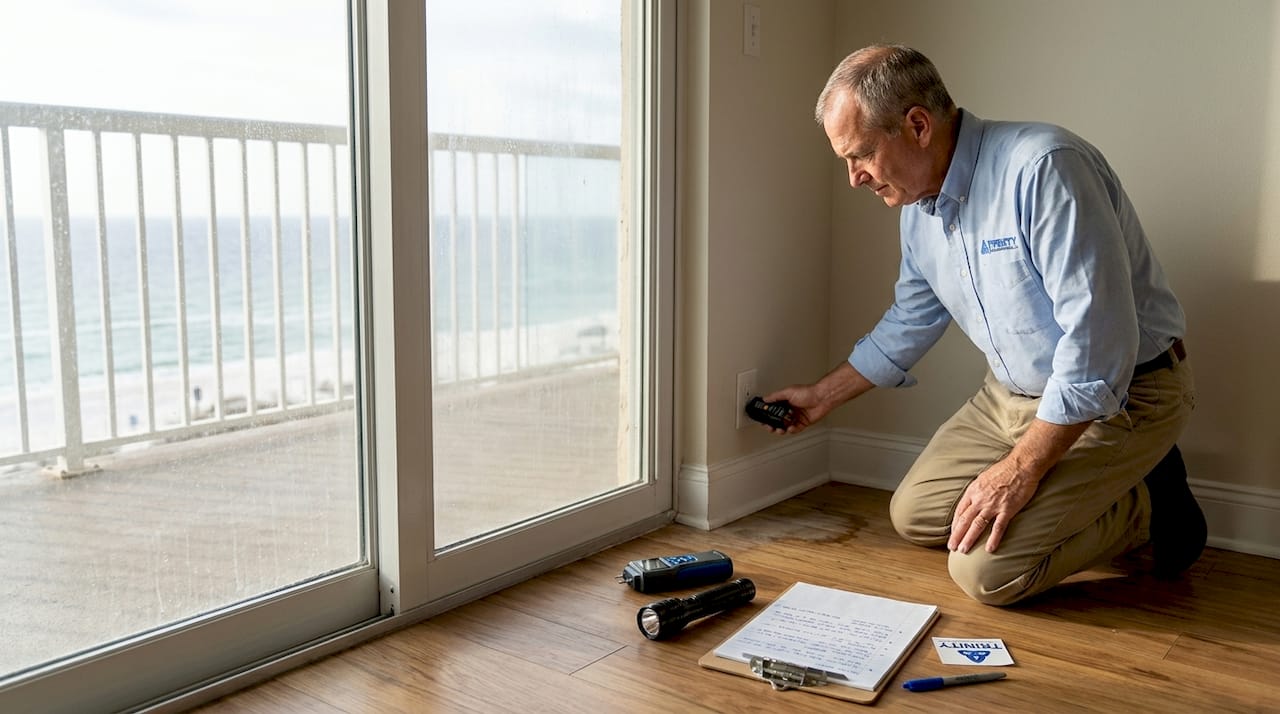
Many buyers assume a condo inspection is just like inspecting a house, only to discover unique risks and responsibilities that make it very different. Unlike single-family homes where you own everything from foundation to roof, condos split ownership between you and the homeowners association. This division creates inspection challenges that can cost you thousands if you don’t know what to look for. Understanding what inspectors check, what the HOA covers, and how Gulf Coast weather impacts condos will help you make a smart decision and avoid expensive surprises down the road.
Key Takeaways
Point | Details |
Unit vs. association | Condo inspections typically cover only the unit, not the building’s exterior or common systems. |
Essential checklist items | Safety devices, water damage and functional systems inside the unit are must-check items for any condo. |
Document review matters | Review HOA docs and reserve studies to spot future repair risks and possible assessments. |
Gulf Coast risks | Coastal condos need extra attention for water intrusion, deferred maintenance, and hurricane impacts. |
Ask smart questions | Prepare key questions and consider specialty add-ons for mold or sewer checks as needed. |
How condo inspections differ from home inspections
Now that we’ve set the stage for why understanding inspection differences matters, let’s break down exactly how condo and home inspections compare. A condo inspection differs from a single-family home inspection mainly because condo owners typically inspect the interior of their unit, while the HOA maintains building exterior, roof, and common elements. This fundamental split means your inspector focuses on what’s inside your four walls, not the structure holding them up.
When you schedule a single-family home inspection, the inspector walks the roof, checks the foundation, evaluates the siding, and tests the main sewer line. For condos, those items usually fall under HOA responsibility. Your inspector instead concentrates on interior systems like plumbing fixtures, electrical outlets, HVAC units, water heaters, and appliances. They also check for water damage, mold, and safety devices like smoke detectors and carbon monoxide alarms.
Inspection Aspect | Condo Inspection | Single-Family Home Inspection |
Roof | HOA responsibility | Inspector checks |
Foundation | HOA responsibility | Inspector checks |
Exterior walls | HOA responsibility | Inspector checks |
Interior unit systems | Inspector checks | Inspector checks |
Common areas | HOA responsibility | Not applicable |
Plumbing/electrical in unit | Inspector checks | Inspector checks |
HVAC system | Inspector checks | Inspector checks |
Here’s what catches buyers off guard. Inspectors don’t evaluate building-wide infrastructure or common elements during a standard condo inspection. That means the pool, elevators, parking garage, and shared hallways are outside the scope. If the building has deferred maintenance or aging systems, you won’t learn about it from your unit inspection alone.
“The condo inspection focuses on the unit’s interior and safety devices, while the HOA maintains the building’s exterior, roof, and common elements. Buyers must understand this division to avoid assuming the inspection covers everything.”
Unexpected areas often missed in condo inspections include:
Shared walls (demising walls) that may have soundproofing or moisture issues from adjacent units
Building envelope problems like balcony deterioration or stucco damage
Reserve fund health and upcoming special assessments
HOA insurance coverage gaps that could leave you exposed
Deferred maintenance schedules for major building systems
These gaps don’t mean condo inspections are less valuable. They mean you need to do additional homework. Request HOA documents, review reserve studies, and consider specialty inspections if you suspect issues. The inspection is still your best defense for understanding what you’re buying, but it’s only one piece of the puzzle.
What’s included in a condo inspection checklist
With the main differences clear, let’s dive into what an actual condo inspection covers and why each step matters in the Gulf Coast context. A full condo inspection generally includes detailed checks for unit safety, hidden water intrusion, and functional systems. Here’s what inspectors evaluate step by step:
Electrical systems: Test all outlets, switches, and light fixtures. Check the electrical panel for proper labeling, corrosion, and capacity. Look for outdated wiring or overloaded circuits.
Plumbing fixtures: Run faucets, flush toilets, and test showers to check water pressure and drainage. Inspect under sinks for leaks or water damage. Evaluate the water heater for age, function, and safety.
HVAC system: Test heating and cooling to ensure proper operation. Check air filters, ductwork access points, and thermostat function. Look for signs of poor maintenance or inefficiency.
Interior walls and ceilings: Inspect for cracks, water stains, or mold growth. Pay special attention to exterior-facing walls and areas near bathrooms or kitchens where moisture is common.
Windows and doors: Test all windows and doors for proper operation, sealing, and locking mechanisms. Check for drafts, water intrusion, or damaged frames.
Appliances: Test built-in appliances like dishwashers, ovens, and garbage disposals. Verify they operate safely and efficiently.
Safety devices: Check smoke detectors, carbon monoxide detectors, and fire extinguishers. Ensure they’re properly placed and functional.
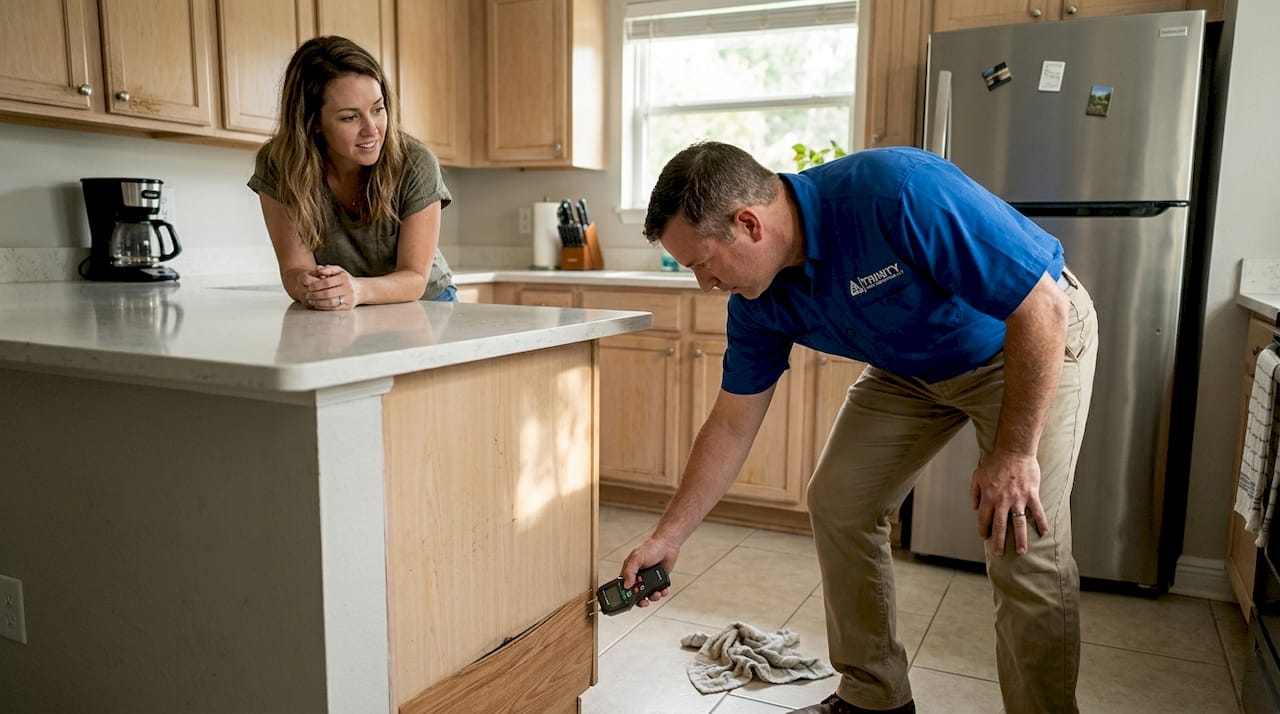
Moisture and mold: Use moisture meters to detect hidden water damage, especially in Gulf Coast units where humidity and storm exposure create higher risk.
Pro Tip: After a hurricane or severe storm, request a moisture inspection even if there’s no visible damage. Water can hide behind walls or under flooring, leading to mold growth and structural issues months later.
Inspection Item | What’s Checked | What’s Not Checked |
Electrical | Unit outlets, panel, wiring | Building main electrical |
Plumbing | Unit fixtures, water heater | Main sewer line, building pipes |
HVAC | Unit system, filters | Central building HVAC |
Structure | Interior walls, ceilings | Foundation, roof, exterior |
Safety | Unit smoke/CO detectors | Building fire suppression |
Gulf Coast condos face unique challenges. High humidity, salt air, and severe weather increase the risk of water intrusion, corrosion, and mold. Inspectors familiar with common Gulf Coast inspection findings know to check for these issues carefully. They’ll look for signs of past flooding, evaluate window seals, and test for moisture in areas prone to leaks.
Another critical item is the HVAC system. Gulf Coast heat and humidity put heavy demands on air conditioning, and HVAC system problems are among the most common and expensive issues found during inspections. If the unit’s HVAC is old or poorly maintained, you could face a costly replacement soon after closing.
Understanding unit vs. association responsibilities
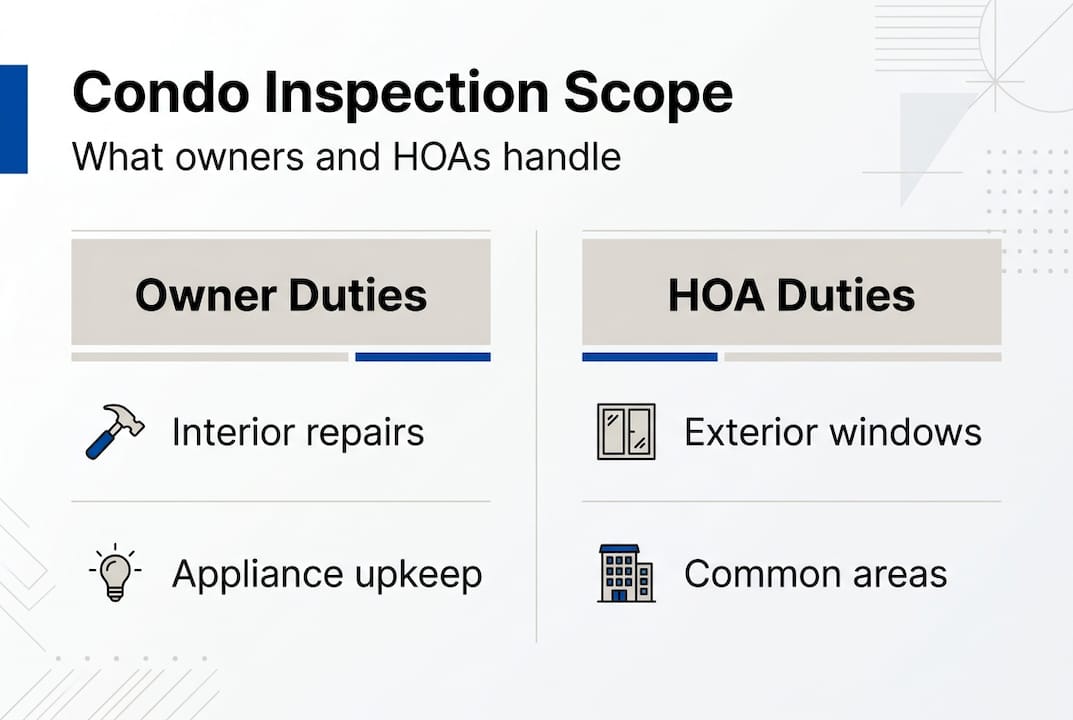
Beyond the checklist, it’s critical to understand who pays for what. Here’s how to navigate the line between your responsibility and the HOA’s. Generally, the unit owner is responsible for interior repairs, and the condo association covers exterior or common elements. But the exact boundary varies by building and is defined in the HOA’s governing documents.
Association-maintained elements typically include:
Building exterior (siding, paint, balconies)
Roof and structural components
Common areas (lobbies, hallways, pools, gyms)
Landscaping and parking lots
Elevators and shared mechanical systems
Owner-maintained elements typically include:
Interior walls, flooring, and ceilings
Plumbing fixtures and appliances
Electrical outlets and lighting
HVAC units serving the individual unit
Windows and doors (sometimes shared with HOA)
In Gulf Coast condos, this division becomes especially important. Coastal buildings face higher maintenance costs due to salt corrosion, wind damage, and water intrusion. If the HOA has deferred maintenance or a weak reserve fund, you could face special assessments for major repairs like roof replacement or balcony restoration.
“Reviewing association documents like the reserve study and meeting minutes is a key part of understanding future repair obligations and potential special assessments. Buyers who skip this step often face unexpected costs.”
Key documents to request before closing:
Reserve study: Shows the HOA’s financial health and planned major repairs
HOA meeting minutes: Reveal ongoing issues, disputes, or upcoming projects
Insurance policies: Confirm coverage for building damage and liability
Budget and financial statements: Verify the HOA is solvent and well-managed
Bylaws and CC&Rs: Define owner vs. association responsibilities clearly
Pro Tip: Always request written clarification of inspection scope and unit boundaries. If there’s any confusion about who maintains what, get it in writing before you close. This protects you from surprise repair bills later.
For example, in some condos, the HOA maintains exterior windows but owners are responsible for interior glass and frames. In others, owners handle everything. If a hurricane damages your windows and you assumed the HOA would cover it, you could be stuck with a bill for thousands of dollars. Knowing the rules upfront helps you budget and negotiate.
Special challenges in Gulf Coast condo inspections
Next, let’s tackle the special challenges that make Gulf Coast condo inspections unique and how to manage them as a buyer or seller. Coastal weather creates risks that inland properties don’t face. High humidity, salt air, and severe storms accelerate wear and tear on building materials and systems. Water intrusion is the biggest threat, and it can come from multiple sources.
Gulf Coast nuance includes coastal projects and deferred maintenance that can drive future assessments and affect unit condition. Balcony repairs, stucco restoration, and stack (vertical plumbing) replacements are common in older buildings. These projects can cost millions, and if the HOA lacks reserves, owners pay through special assessments.
Another challenge is demising walls, the shared walls between units. Condo-specific edge cases include demising walls and adjacent-area concerns where defects or moisture problems can be associated with soundproofing design and neighboring units’ leaks. If your neighbor has a plumbing leak or poor ventilation, it can cause mold or water damage in your unit. Your inspector can’t see inside the walls, but they can look for warning signs like stains, odors, or moisture readings.
Top Gulf Coast condo inspection challenges:
Water intrusion from storms: Check for signs of past flooding, window leaks, or roof damage
Humidity and mold: High moisture levels promote mold growth, especially in poorly ventilated units
Salt corrosion: Metal components like HVAC systems, railings, and fasteners corrode faster near the coast
Deferred maintenance: Older buildings may have aging systems or delayed repairs that increase risk
Shared wall issues: Moisture, pests, or noise problems from adjacent units can affect your space
HOA financial health: Weak reserves or mismanagement can lead to special assessments or declining property values
Maintenance and repair scheduling in HOA-governed buildings can be slow. Even if your inspection reveals a problem, the HOA may not address it quickly. For example, if the building needs balcony repairs, the HOA might take months or years to plan and fund the project. Meanwhile, the problem could worsen, affecting your unit’s safety and value.
For essential Gulf Coast inspection tips, focus on moisture and weather-related risks. Request a thorough moisture inspection if the unit is on a lower floor, near the ocean, or in a building with a history of water problems. Moisture meters and thermal imaging can reveal hidden issues that visual inspection alone might miss.
Avoiding pitfalls: Questions to ask before and after a condo inspection
Knowing the risks, it’s smart to come prepared. Here are vital questions and steps so you don’t miss anything critical.
Before the inspection: Ask the seller for HOA documents, reserve studies, and recent meeting minutes. Review them to identify red flags like pending lawsuits, deferred maintenance, or financial problems.
During the inspection: Attend in person if possible. Ask the inspector to explain findings and show you problem areas. Request clarification on anything you don’t understand.
After the inspection: Review the report carefully. Prioritize safety issues and major defects. Get quotes for repairs and use them to negotiate with the seller or budget for future costs.
Ask about inspection scope: Confirm in writing what the inspector will and won’t check. If building-wide systems or common areas are excluded, consider requesting additional evaluations.
Inquire about specialty inspections: If the inspector finds signs of mold, water damage, or sewer issues, ask about add-on services like mold testing, moisture mapping, or sewer scope inspections.
Verify HOA insurance coverage: Ask what the HOA’s master policy covers and what you need to insure separately. Gaps in coverage can leave you exposed to major losses.
Check for past storm damage: In Gulf Coast areas, ask if the building has been damaged by hurricanes or flooding. Review repair records and insurance claims.
Evaluate HVAC age and condition: Ask when the HVAC system was last serviced and how old it is. Units older than 10-15 years may need replacement soon, especially in hot, humid climates.
Pro Tip: Don’t hesitate to ask about additional specialty inspections for mold, sewer, or building systems if warranted. A few hundred dollars now can save you thousands later.
Common mistakes that lead to future issues include skipping document review, assuming the HOA will handle everything, and ignoring warning signs like water stains or musty odors. Contrasting viewpoint to be aware of is that condo inspections may not cover building-wide infrastructure and common elements, so buyers should confirm inspection scope in writing and consider specialized inspections if the situation warrants.
Another pitfall is failing to budget for HOA fees and special assessments. Even if the inspection is clean, you could face unexpected costs if the HOA levies an assessment for major repairs. Review the reserve study and ask about planned projects to avoid surprises.
Finally, don’t overlook HVAC maintenance. Gulf Coast heat puts heavy demands on air conditioning, and poor maintenance shortens system life. Ask the seller for service records and budget for regular tune-ups to keep your system running efficiently.
Protect your Gulf Coast condo investment with expert help
With everything you’ve learned, here’s how to get real peace of mind for your Gulf Coast condo purchase or sale. Specialized local services fill the gaps left by a standard condo inspection, giving you a complete picture of the property’s condition and risks. At Trinity Home Inspections, we understand the unique challenges Gulf Coast condos face, from water intrusion and mold to deferred maintenance and HOA complexities.
Our InterNACHI-certified inspectors use advanced tools like thermal imaging, moisture meters, and drones to uncover hidden problems that other inspectors might miss. We deliver same-day reports packed with photos and videos, so you know exactly what you’re buying. Whether you need a standard condo inspection, mold testing, sewer scope inspection, or help with permit and deed searches, we’re your one-stop shop for thorough, reliable inspections.
We also help you understand HOA documents and identify red flags that could cost you thousands down the road. Our goal is to give you the clarity and confidence you need to make a smart decision, whether you’re buying your first condo or managing a rental property. Contact us today to schedule your inspection and protect your investment.
Frequently asked questions
What does a condo inspector look for in Alabama?
A condo inspector in Alabama looks at the unit’s interior systems, water damage, mold, safety devices, plumbing, and electrical to ensure everything functions and there’s no hidden risk. Detailed checks for unit safety and hidden water intrusion are standard.
Is a condo inspection different from a regular home inspection?
Yes, condo inspections mainly focus on the unit’s interior and safety devices, while single-family home inspections include the building’s exterior, structure, roof, and property systems. Condo owners typically inspect the interior of their unit, while the HOA maintains building exterior and common elements.
Who is responsible for repairs after a condo inspection?
Generally, the unit owner is responsible for interior repairs, and the condo association covers exterior or common elements, but check the HOA rules for specifics. Reviewing association documents is key to understanding future repair obligations and potential special assessments.
What special risks should Gulf Coast condo buyers ask about?
Coastal condos face risks from water intrusion, humidity, and deferred maintenance. Ask about storm damage history and recent assessments for major repairs. Coastal projects and deferred maintenance can drive future assessments and affect unit condition.
Should I attend my condo inspection in person?
Yes, attending your condo inspection in person lets you ask questions, see problem areas firsthand, and understand the inspector’s findings in real time. It’s one of the best ways to learn about your potential investment and make informed decisions.
Recommended