
Why a Cheap Home Inspector Costs Gulf Coast Buyers More

Updated: Apr 2
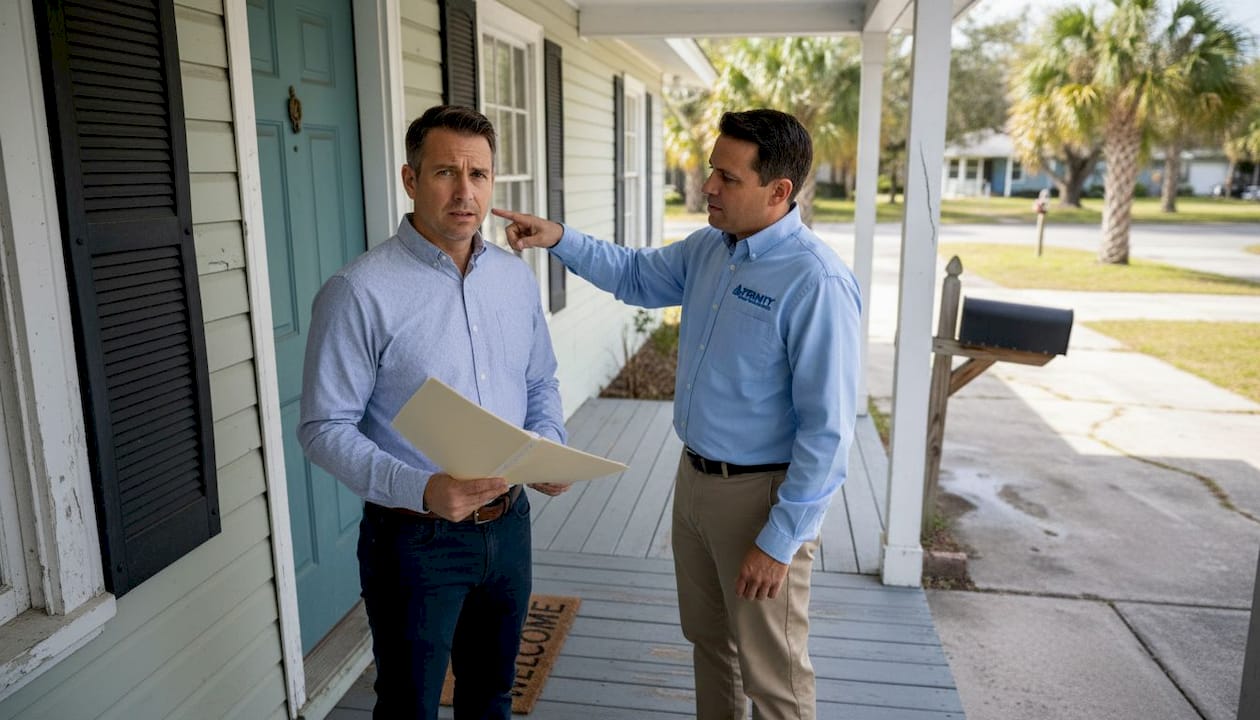
A Florida couple thought they were saving money by hiring a budget home inspector before closing on their new home. Within months, they discovered over $70,000 in damages that the inspector had missed entirely. That story is not unusual. Across the Gulf Coast, homebuyers and sellers face a tempting choice: save a little on inspection fees now, or protect a major investment with a thorough, qualified professional. This article breaks down why cutting corners on a home inspection is one of the most financially dangerous decisions you can make, and what you can do to protect yourself before you sign anything.
Key Takeaways
Point | Details |
Hidden costs add up | Cheap inspections can lead to expensive repair bills, wiping out any upfront savings. |
Volume over quality | Low-cost inspectors often rush jobs, missing major issues in the process. |
Gulf Coast needs expertise | Unique regional risks require inspectors familiar with local threats like moisture and termites. |
Demand credentials | Look for certifications, sample reports, and local references before hiring anyone. |
The real costs of hiring a cheap home inspector
Let’s be direct: the inspection fee is one of the smallest line items in any real estate transaction. A few dollars saved on a bargain inspector can easily turn into a five-figure repair bill after closing. That is not a scare tactic. It is a pattern that plays out regularly across the Gulf Coast.
The Fernandina Beach case is a clear example. A couple purchased a home, trusting that their inspector had done a thorough job. He had not. Mold, roof damage, and other hidden issues totaled more than $70,000. By the time they found out, the deal was done and the financial burden was entirely theirs.
Here are some of the most common problems that cheap inspectors miss, along with what those mistakes can cost you:
Mold and moisture damage: $10,000 to $30,000 or more to remediate, depending on how far it has spread
Termite infestation and structural damage: Repairs can easily reach $30,000, especially in Gulf Coast climates
Foundation cracks or settling: One of the most expensive fixes, often running $20,000 to $50,000
Roof damage or improper installation: Replacement costs range from $8,000 to $25,000 depending on size and materials
Faulty electrical panels or wiring: Rewiring a home can cost $3,500 to $15,000, and the fire risk is serious
Look at how inspection fees compare to potential missed repair costs:
Inspection type | Typical fee | Potential missed repair cost |
Bargain inspector | $250 to $300 | $10,000 to $70,000+ |
Certified professional | $350 to $500 | Significantly reduced risk |
Add-on services (mold, sewer) | $75 to $200 each | Could prevent $5,000 to $30,000 in surprises |
The math is simple. Spending an extra $150 to $200 on a qualified inspector is not a luxury. It is the most cost-effective decision you will make in the entire home-buying process.
The common inspection issues found in Gulf Coast homes are not random. They follow predictable patterns tied to climate, construction era, and regional building practices. A thorough inspector knows exactly where to look. A bargain inspector often does not.
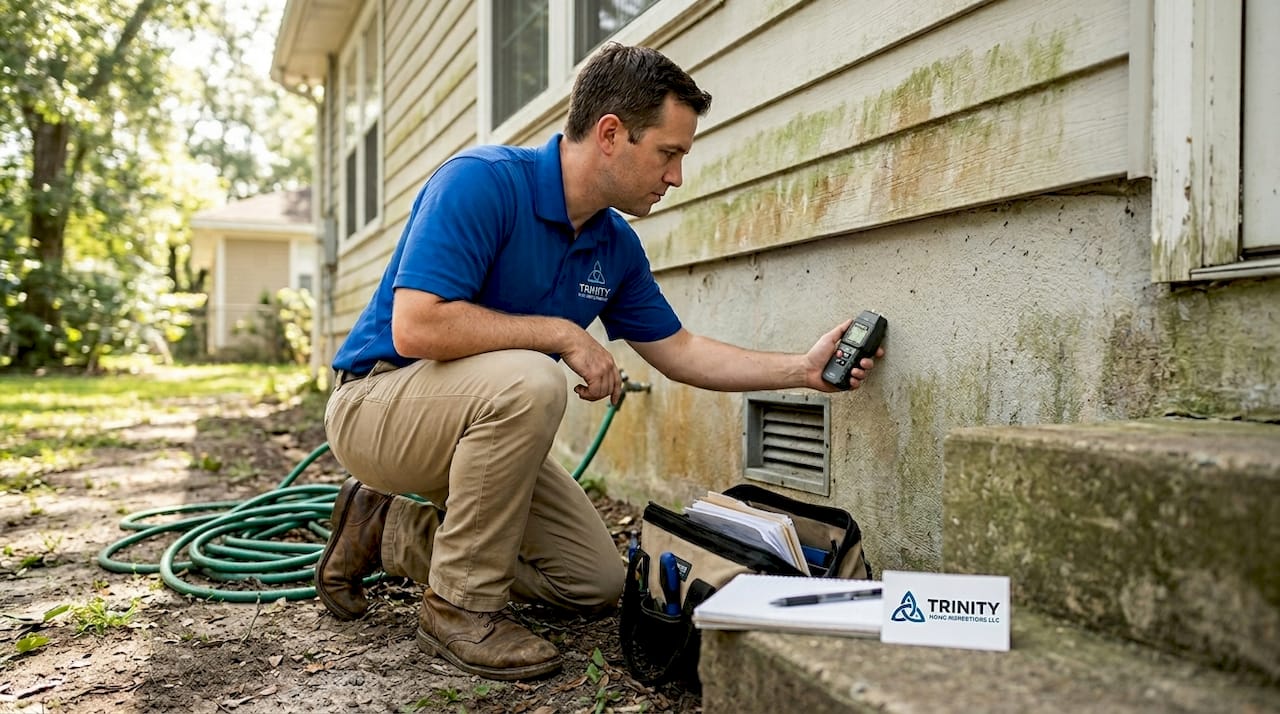
For a broader picture of what a proper inspection should cover in this region, the Gulf Coast inspection guide is a helpful starting point.
Why do cheap inspectors miss costly problems?
But why do these costly oversights happen so often with budget inspectors? Let’s look behind the curtain at their business model.
Many low-cost inspectors operate on volume. They schedule three, four, or even five inspections per day to make their business work at lower prices. That math means less time at each property, which means less time in the attic, less time under the crawlspace, and less time checking every outlet, window, and door.
According to industry research, cheap inspections prioritize volume over depth, and some budget inspectors are more aligned with keeping deals moving than with giving buyers and sellers an honest picture of the property. That is a conflict of interest that costs real people real money.
Here is what corner-cutting often looks like in practice:
Skipping the attic or crawlspace entirely, or only doing a quick visual from the hatch
Not using a moisture meter to verify suspected damp areas
Providing a vague, checkbox-style report with no photos or explanations
Failing to test all outlets, switches, windows, and doors
No thermal imaging to detect hidden moisture or insulation gaps
Rushing through the roof inspection without walking it or using a drone
Compare that to what a professional inspection actually looks like:
Factor | Cheap inspector | Professional inspector |
Time on site | 1 to 1.5 hours | 2.5 to 4+ hours |
Tools used | Basic visual only | Moisture meter, thermal camera, drone, gas detector |
Report quality | Checkbox form | Photo and video rich, color coded, plain-English |
Buyer advocacy | Often agent-aligned | Fully independent |
Insurance coverage | Minimal or unclear | $1M E&O, $2M general liability |
Pro Tip: Ask any inspector you are considering how many inspections they do per day. If the answer is more than two or three, that is a sign they may be rushing. Also ask if you can attend. A professional inspector will always say yes. If they hesitate, that tells you something important.
Knowing what to look for in a home inspector before you hire one is one of the best ways to protect your investment. And understanding why certified inspectors matter gives you the framework to make a smarter choice.
Unique Gulf Coast risks: Why discount inspections fall short
Understanding the business of cheap inspection is important, but it is even more critical to know how regional risks amplify mistakes.
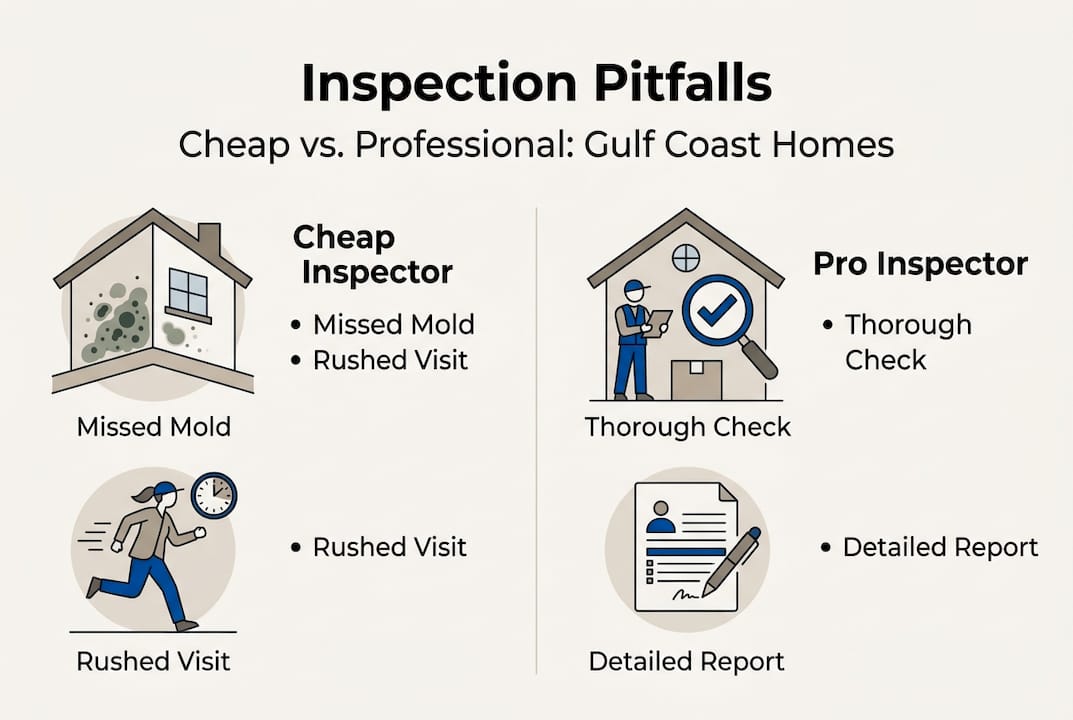
The Gulf Coast is not like other parts of the country. Extreme humidity, subtropical heat, active termite populations, and the constant threat of hurricane damage create a unique set of inspection challenges. A discount inspector without deep local knowledge is not just cutting corners. They may not even know what they are looking for.
Here are the region-specific problems that cheap inspections most often miss:
Hidden moisture intrusion: Gulf Coast humidity drives moisture into walls, floors, and attics in ways that only thermal imaging and moisture meters can reliably detect
Subterranean termite damage: Alabama and the surrounding Gulf Coast region are among the most termite-active areas in the country. Damage hides inside walls and under floors
Hurricane straps and roof-to-wall connections: These are critical for storm safety and often improperly installed or missing in older homes
Foundation movement from soil shifting: Clay-heavy soils in this region expand and contract with moisture, causing cracks and settling that a rushed inspector will overlook
HVAC strain from heat and humidity: Systems in Gulf Coast homes work harder and wear faster. Cheap inspectors often do a basic visual check rather than a full operational test
Crawlspace moisture and wood rot: Many Gulf Coast homes have crawlspaces that collect moisture and harbor mold, rot, and pests
Real-world impact: Termite infestations in Gulf Coast homes can cost $30,000 or more to remediate, and foundation repairs regularly exceed $50,000. These are not edge cases. They are predictable outcomes when inspectors lack the tools, training, and local knowledge to catch them early.
Pro Tip: When interviewing inspectors, ask specifically about their experience with Gulf Coast construction. Ask if they use thermal imaging and moisture meters as standard practice, not add-ons. These tools are essential in this climate, not optional extras.
For more on what a proper regional inspection should cover, review these inspection tips for Gulf Coast homes. Understanding termite risk in Gulf Coast properties and the full step-by-step inspection process will help you ask the right questions before you hire.
What to demand from a professional home inspector
If you want to avoid costly mistakes and protect your investment, here is exactly how to ensure you are hiring the right inspector.
Start with credentials. An InterNACHI-certified inspector has passed nationally recognized exams, completed ethics training, and commits to ongoing education every year. That certification is recognized by the U.S. Department of Education, which means the standard behind it is real. Do not hire anyone who cannot show you current certification.
Here is a step-by-step process for vetting any inspector before you book:
Ask for a sample report from a Gulf Coast property. It should be photo and video rich, color coded, and written in plain English. Vague checkboxes are a red flag
Confirm their tools. They should use thermal imaging, moisture meters, gas detectors, and drones as standard practice
Check their insurance. Alabama does not require robust coverage, but the right inspector carries at least $1M in errors and omissions insurance and $2M in general liability
Look at their Google reviews. A 5-star rating with responses to every review shows they care about their clients
Ask if you can attend. Any professional will say yes without hesitation
Watch for these red flags when hiring:
Pressure to schedule quickly without time to review their credentials
Vague or templated reports with no photos or explanations
Unwillingness to answer specific questions about their process
No mention of thermal imaging, moisture meters, or drones
Limited or unclear insurance coverage
No local references or Gulf Coast-specific experience
Pro Tip: Ask to see a sample inspection report for a Gulf Coast property specifically. A report from a dry climate home will not show you how they handle moisture, crawlspaces, or termite evidence. You want proof they know this region.
Inspectors who prioritize volume over depth are not serving your interests. The questions to ask home inspectors before you hire and the reasons to choose a local inspector with regional expertise are both worth reviewing before your next transaction.
Why ‘cheap’ is actually risky: What Gulf Coast buyers really need to know
Here is the mindset shift that separates smart buyers from frustrated ones: a home inspection is not a formality. It is the closest thing you have to insurance before you hand over your money.
Conventional wisdom says any licensed inspector will do. That is wrong. Gulf Coast homes carry risks that only a trained, locally experienced, fully equipped inspector will catch. Skipping that depth does not just risk repair bills. It risks your family’s health, your home’s resale value, and your peace of mind for years after closing.
We have seen buyers walk away from inspections feeling confident, only to call us months later after discovering mold behind drywall or a crawlspace full of rot. In almost every case, a bargain inspector had been through the home and missed it entirely.
Buyers and sellers who demand thorough, transparent inspections have smoother closings, stronger negotiating positions, and fewer surprises after the deal is done. That is not a coincidence.
Our advice is simple: treat the inspection fee like the most important investment in your transaction, not the easiest place to save. As we tell every client, local expertise in inspections is not a luxury in the Gulf Coast. It is a necessity.
Choose reliability over risk: Next steps for your Gulf Coast home
You do not have to gamble your investment on a bargain. Trinity Home Inspections serves buyers and sellers across Baldwin, Mobile, Escambia, Washington, Monroe, and Clarke counties with InterNACHI-certified inspections, same-day photo and video reports, and free thermal imaging included with every inspection.
Whether you need a pre-sale home inspection to prepare your property for market, a mold inspection in Mobile, AL to rule out hidden health risks, or a real estate property search to verify permit history before you close, we are your one-stop resource. Led by Matt Cameron, a locally rooted, faith-driven professional, Trinity brings honesty and thoroughness to every single inspection. Reach out today to schedule your inspection or ask us anything. We respond to every inquiry, just like we respond to every review.
Frequently asked questions
What are the main risks of hiring a cheap home inspector?
Cheap inspectors often miss hidden damage like mold, termites, or foundation issues, leaving you with massive repair bills after closing. One Florida couple discovered $70,000 in missed damage after a bargain inspection, a cost they had to absorb entirely on their own.
How do I know if an inspector is cutting corners?
Signs include rushed visits under two hours, vague checkbox reports with no photos, reluctance to let you attend, and no mention of thermal imaging or moisture meters. Cheap inspections often prioritize volume over thoroughness, which means critical issues get overlooked.
Are there inspection issues unique to Gulf Coast homes?
Yes. The Gulf Coast faces high humidity, active termite populations, hurricane-related structural risks, and crawlspace moisture that require specialized tools and local knowledge to detect. Gulf Coast-specific risks like termite damage and foundation movement can cost $30,000 to $50,000 or more if missed.
What questions should I ask to vet a home inspector?
Ask about their InterNACHI certification, what tools they use, whether you can attend, and request a sample report from a Gulf Coast property. Local references and verifiable Google reviews with responses are also strong indicators of a trustworthy professional.
Recommended

