
Smart Questions to Ask Home Inspectors for Gulf Coast Homes

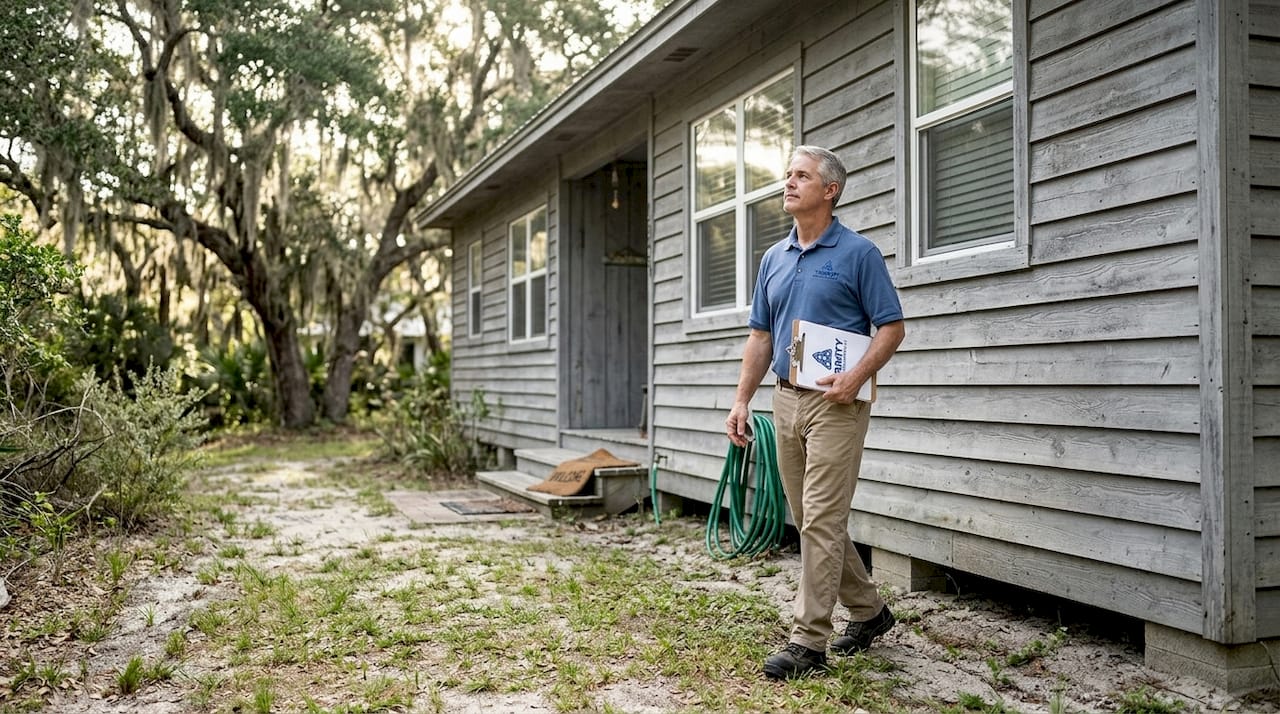
Choosing a home inspector along Alabama’s Gulf Coast is not a decision to make lightly. The wrong inspector, or the wrong questions, can leave you blind to serious problems hiding behind walls, under floors, or in a crawlspace full of moisture. Whether you are buying your first home in Fairhope, selling a property in Gulf Shores, or guiding clients through a transaction in Orange Beach, the questions you ask before and during an inspection directly protect your investment. This guide gives you the exact questions to ask, the credentials to verify, and the regional risks to watch for.
Key Takeaways
Point | Details |
Verify inspector credentials | Always check for state licensing, ASHI/InterNACHI membership, and insurance before booking. |
Ask tailored questions | Homebuyers, sellers, and agents each need a unique set of questions for the most value. |
Focus on local concerns | Moisture, drainage, foundation, and hurricane-related issues are top risks for Gulf Coast homes. |
Compare inspection approaches | Review both inspector credentials and sample reports to find the depth and method you need. |
Attend and engage | Being present during the inspection helps you see risks firsthand and ask questions in real time. |
Understanding Alabama home inspector requirements
Before you ask a single question about the home itself, you need to know who you are hiring. Alabama requires all home inspectors to be state-licensed, and Alabama inspector licensing details confirm that inspectors must hold ASHI or InterNACHI membership, pass state and national exams, complete a minimum of 120 hours of education, perform at least 40 supervised inspections, and carry both general liability and errors and omissions insurance.
These are not optional extras. They are the baseline. An inspector who cannot show you proof of licensing and active association membership is not someone you want walking through your future home.
“Home inspectors in Alabama must be state-licensed with ASHI/InterNACHI membership, pass exams, fulfill education and experience requirements, and carry insurance.”
Here is what to verify before booking:
Active Alabama state license with a verifiable license number
InterNACHI or ASHI membership in good standing
Proof of general liability insurance (look for at least $1M in coverage)
Errors and omissions insurance (the state minimum is $250K, but stronger inspectors carry $1M or more)
Continuing education records showing annual training
Following inspection best practices for buyers starts with this credential check. It sets the tone for everything that follows and helps you filter out inspectors who are not truly qualified.
Essential questions for homebuyers to ask
With a grasp of inspector qualifications, here are the crucial questions every buyer should ask. These are not just conversation starters. They reveal how thorough, transparent, and experienced your inspector really is.
Key buyer questions include licensing status, inspection scope, attendance policy, and report detail. Use this list as your starting point:
Are you licensed and InterNACHI or ASHI certified? Never assume. Ask directly and verify.
How many inspections have you completed? Experience matters. Look for hundreds, not dozens.
What systems do you inspect? Roof, foundation, electrical, plumbing, HVAC, and attic should all be on the list.
Do you use thermal imaging? This tool can reveal hidden moisture and insulation gaps that a visual inspection alone will miss. Some inspectors charge extra for it. We include it free.
Can I attend the inspection? The answer should always be yes. If it is not, walk away.
When will I receive my report? Same-day delivery is the standard to expect. Waiting two days is not acceptable when you are under contract.
Will you walk me through your findings? A good inspector explains what they found, not just what they wrote.
Do you test every outlet, switch, window, and door? Alabama law requires only a representative sample. The best inspectors test all of them.
For a deeper look at what to expect during the process, the Gulf Coast home inspection guide covers the full picture from scheduling to report review.
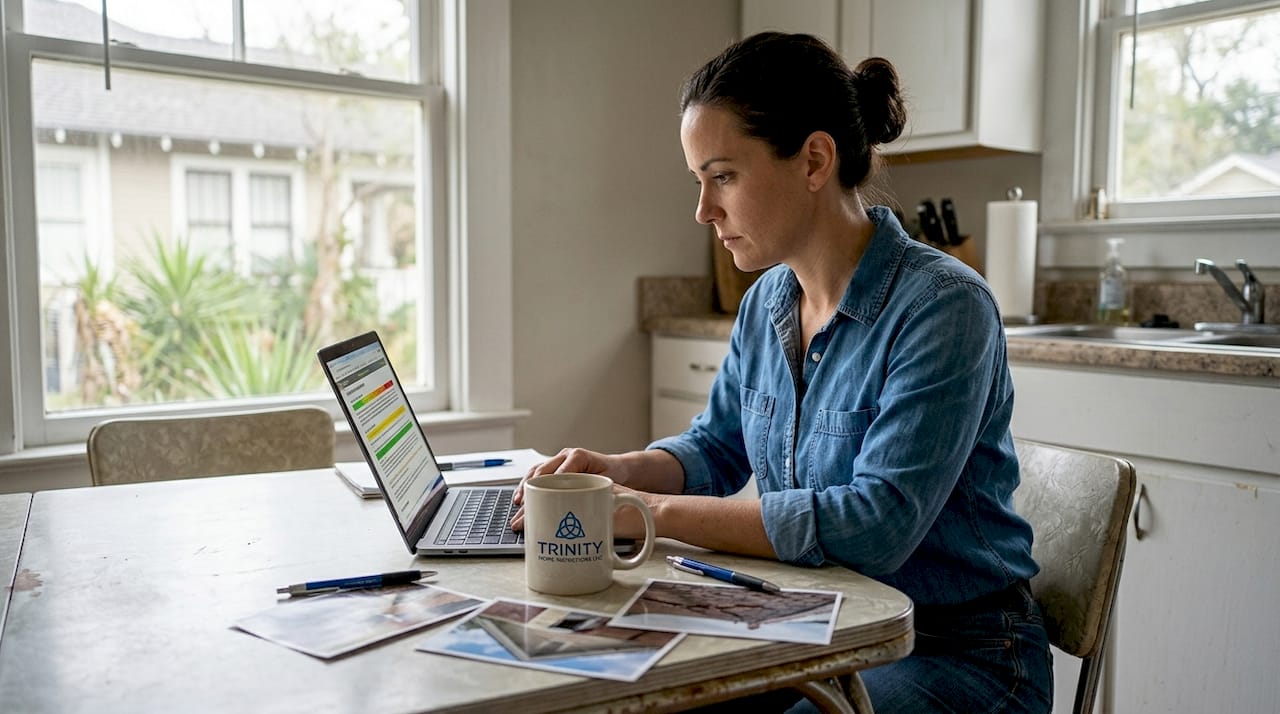
Pro Tip: Always ask for a sample report before you book. A well-organized, photo-rich, color-coded report tells you immediately how seriously an inspector takes their work. If the sample is vague or text-heavy with no images, keep looking. You can also review top buyer questions to build out your list further.
Must-ask questions for sellers and real estate agents
Buyers have their must-asks, but sellers and agents also need a strategy. A pre-listing inspection can prevent last-minute surprises that derail a closing, and the right questions help you prepare the home and the transaction.
Seller and agent questions focus on pre-listing preparation, system access, regional risks, and repair timelines. Here is what to prioritize:
Should we order a pre-listing inspection? In most cases, yes. It gives you time to address issues before buyers use them as negotiating leverage.
What areas of the home do you need access to? Attics, crawlspaces, electrical panels, and HVAC units must be accessible. Blocked access leads to incomplete reports.
What quick-fix issues can we address before the inspection? Minor items like missing outlet covers, dripping faucets, or HVAC filters can signal neglect to buyers.
What information do you need from us? Permit history, recent repairs, and appliance ages all help the inspector give a more accurate assessment.
What are the most common issues in Gulf Coast homes? Moisture intrusion, drainage problems, and foundation movement are frequent findings in this region.
Do you offer re-inspections after repairs are made? This is critical for sellers who want to verify that contractor work was completed correctly.
For sellers preparing their property, pre-inspection tips for sellers walks through exactly what to do before the inspector arrives. Agents can also benefit from reviewing the inspection workflow for agents to keep transactions on track.
Pro Tip: Ask the inspector whether they offer re-inspection services after repairs. Confirming that work was done correctly protects both the seller and the buyer, and it keeps the deal moving forward.
Top inspection questions for Gulf Coast homes
Alabama’s Gulf Coast brings unique risks. High humidity, heavy rainfall, coastal wind exposure, and sandy soil conditions create a specific set of vulnerabilities that inspectors in other regions may not prioritize. These tailored questions help you get clear answers.
How do you check for water intrusion or moisture damage? Look for inspectors who use moisture meters and thermal imaging, not just a visual scan.
Do you inspect the foundation for erosion or settlement? Coastal soil shifts. Foundation cracks and uneven floors are common findings in this area.
What hurricane-related damage do you look for? Roof fasteners, window seals, and soffit conditions all matter after storm seasons.
Do you check drainage patterns around the home? Poor grading sends water toward the foundation, which is a leading cause of moisture problems in Gulf Coast homes.
Are you familiar with common issues in Baldwin and Mobile County homes? Local experience is not a bonus. It is a necessity.
The numbers back this up. 86% of inspections find at least one issue, and Gulf Coast homes are no exception. Here is a breakdown of the most common findings in the region:
Issue category | Frequency in Gulf Coast inspections |
Roof damage or wear | Very high (approx. 40%) |
Electrical deficiencies | High (approx. 30%) |
Moisture or water intrusion | High (approx. 35%) |
Foundation concerns | Moderate (approx. 20%) |
HVAC issues | Moderate (approx. 25%) |
For a closer look at what turns up most often, common Gulf Coast issues and issues in Baldwin County are worth reviewing before your inspection.
Comparing inspector credentials and methodologies
Having asked site-specific and role-specific questions, it helps to put inspector credentials and inspection methods side by side. Both ASHI and InterNACHI are respected associations, but they are not identical.
ASHI and InterNACHI have similar standards, but ASHI tends to be more prescriptive about moisture reporting, while both require ongoing annual education to maintain membership.
Feature | ASHI | InterNACHI |
Inspection standards | Prescriptive, detailed | Thorough, widely adopted |
Moisture reporting | More specific requirements | Covered under general standards |
Continuing education | Required annually | Required annually |
Honor guarantee | Not offered | Up to $25,000 |
Membership verification | Public lookup available | Public lookup available |
“Experience matters more than association membership alone. An inspector with 1,000 inspections under their belt and active InterNACHI certification will serve you better than someone who just passed their exam last month.”
When comparing inspectors, ask how many inspections they have completed, what tools they carry, and whether they can show you a sample report. Following inspection best practices means looking at the full picture, not just the credential on the business card. You can also verify licensing and association standards directly to confirm what Alabama requires.
Bonus: Insider tips and common pitfalls to avoid
With the comparison in hand, here are practical tips to help you navigate your next inspection with confidence and avoid the mistakes that cost buyers and sellers the most.
Always attend your home inspection. Walking through the home with your inspector in real time is irreplaceable. You will understand the findings far better than reading a report alone.
Ask for a thorough walkthrough of major findings. Do not let the inspector hand you a report and leave. Ask them to show you the issues in person and explain what they mean for safety and budget.
Do not focus only on cosmetic issues. A cracked tile is not the same as a failing electrical panel. Prioritize safety concerns and major system deficiencies over surface-level problems.
Request a list of recommended specialists for critical repairs. A good inspector knows when to refer you to a licensed electrician, plumber, or structural engineer. Ask for that list.
Attending the inspection and requesting a walkthrough of major issues gives you the clearest picture of what you are dealing with before you sign anything.
Pro Tip: Collect sample reports from at least two inspectors before you decide. Compare how they organize findings, how many photos they include, and whether they separate minor issues from safety concerns. The depth of a sample report tells you exactly what you will get on inspection day. Review best practices for buyers to make sure you are fully prepared.
Get more help: Alabama Gulf Coast home inspection services
Ready to put your questions into action? At Trinity Home Inspections, we serve buyers, sellers, and agents across Baldwin, Mobile, Escambia, Washington, Monroe, and Clarke counties with InterNACHI-certified inspections, same-day reports, and free thermal imaging. Every inspection is backed by a $2M general liability policy and $1M in errors and omissions coverage, so you are protected from the moment we arrive.
Whether you need pre-listing inspections to prepare your home for market, mold inspection services to address moisture concerns, or sewer scope inspections to check the main line before closing, we handle it all in one visit. Use the questions in this guide to hold any inspector accountable, and when you are ready to book with a team that leads with honesty and delivers same-day results, Trinity Home Inspections is here for you.
Frequently asked questions
What is not covered in a standard home inspection?
A standard inspection is visual only and excludes code compliance, cost estimates, and hidden or inaccessible areas such as inside walls or under concrete slabs.
Can I attend the home inspection?
Buyers are encouraged to attend and ask questions in real time, which leads to a much clearer understanding of the findings than reading the report alone.
How long does a home inspection usually take?
Most inspections take two to four hours depending on the size, age, and overall condition of the home.
What are typical issues found in Gulf Coast Alabama homes?
Roof damage, electrical deficiencies, and moisture intrusion top the list, and 86% of inspections uncover at least one issue worth addressing before closing.
Why does inspector association membership matter?
ASHI and InterNACHI require annual education and enforce strict standards of practice and ethics, which means membership is a meaningful signal of ongoing professional commitment.
Recommended
