
Gulf Coast Sellers' Checklist: Pre Listing Inspection and Documents
- Matt Cameron
- 12 minutes ago
- 9 min read


Selling a house well comes down to a sequence: plan, prepare, price, list, negotiate, and close. Three tasks belong on your calendar this week, not next month: declutter your main living spaces, schedule a pre-listing inspection, and pull your deed, mortgage payoff statement, and latest tax bill. Handle those now and you’ll cut down on last-minute renegotiations and keep your closing date from sliding.
TL;DR:
Conduct a pre-listing inspection early to identify safety issues and major systems, reducing renegotiations and preventing last-minute deal-breaking problems.
Prioritize quick, high-ROI fixes such as painting, deep cleaning, and neutral staging to make the home more appealing and strengthen offers.
Gather essential documents, including deed, payoff statement, tax bill, and HOA estoppel, at least two weeks before listing to avoid delays and facilitate smooth closing.
Price the home based on a thorough market analysis and disclose verified repairs and inspection findings to build buyer trust and encourage less contingent offers.
Prepare the home and surrounding area with decluttering, exterior cleaning, and professional photos to maximize online engagement and attract more serious buyers.
Your Room-by-Room House Selling Preparation Checklist
Before a single photo gets taken, walk your house the way a buyer will: room by room, looking for anything that pulls attention away from the bones of the property. This is the core of any house sale checklist, and the tasks below are ranked roughly by return on effort, not room order.
Start with the fixes that pay off fastest. A gallon of neutral paint on a scuffed wall, a deep clean of every surface, fresh bulbs in every fixture, and new hardware on cabinets and doors cost a few hundred dollars combined and change how a buyer feels the moment they walk in. The National Association of Realtors points out that staging and depersonalizing give buyers a blank canvas to picture their own life in the space, which tends to translate into stronger offers.
Kitchen. Clear the counters down to two or three items, make sure every appliance actually works (buyers open ovens and run disposals during showings), and touch up cracked grout or caulk around the sink and backsplash. Stage one focal point, like a bowl of fruit or a simple centerpiece, and leave it there.
Bathrooms. Re-caulk tubs and showers, fix any fixture that drips or wobbles, scrub grout lines, and hang bright, matching towels. Nothing kills buyer confidence faster than a bathroom that smells damp or looks neglected, even when the plumbing underneath is fine.
Living rooms and bedrooms. Depersonalize by removing family photos, degree certificates, and anything with your name on it. Pull out any furniture that blocks a clear walking path. Buyers and photographers both need room to move, and cramped rooms photograph smaller than they are.
Laundry, garage, and storage. Clear a path to the water heater and electrical panel. Organize shelving so it looks intentional rather than crammed. These are areas buyers and inspectors check closely, since hidden hazards tend to hide behind stacked boxes.
Exterior. Mow, edge, and mulch. Power wash the siding, driveway, and walkway. Replace a faded mailbox or crooked house numbers. If gutters are sagging or shingles are visibly curled, address them now. This is also a good time to review our complete guide to preparing a house for sale, which walks through presentation details room by room.

Pro Tip: Schedule your professional photos for early morning or the last two hours before sunset. That “golden hour” light makes rooms and exteriors look warmer and larger in photos than harsh midday sun ever will.
Why Get a Pre-Listing Inspection Before You List?
A pre-listing inspection flips the script. Instead of waiting for a buyer’s inspector to find problems after you’ve already accepted an offer, you find them first, on your timeline, with your choice of contractor. Agents increasingly recommend this approach because it reduces canceled contracts by surfacing defects early instead of during a tense renegotiation window.
A thorough inspection typically checks:
Roof condition, flashing, and estimated remaining life
HVAC system function and age
Plumbing supply lines, drains, and water heater condition
Electrical panel, wiring, and outlet function
Foundation, framing, and signs of moisture intrusion
Zillow’s guidance on pre-listing inspections notes that sellers who know their home’s condition ahead of time can price honestly and market the positive findings, which often smooths the entire sale process.
Not every finding needs a repair. Prioritize safety issues and major systems first, since those are what tend to derail a buyer’s inspection later, and document every completed repair with receipts and, where required, permits. Smaller cosmetic items can often simply be disclosed rather than fixed. Give contractors real lead time, especially for anything requiring a permit, since inspection scheduling and permit turnaround can each take a week or more.
How Do You Set the Right Price for Your House?
A comparative market analysis, or CMA, compares your home to recently sold properties nearby with similar size, condition, and features. It’s the foundation of any competitive price, and Zillow recommends calculating your expected net proceeds after commissions and closing costs before you settle on a number, so you know whether selling now actually meets your financial goals.
Pricing at market value, rather than reaching for an aspirational number, tends to generate more showings in the first two weeks, which is exactly when buyer interest peaks. A handful of facts strengthen your listing beyond the price itself:
A summary of your pre-listing inspection findings
Documentation of recent repairs, with receipts
Verified square footage from a survey or appraisal, not just tax records
Timing matters too. Spring and early summer typically bring more buyers and faster sales, though a well-priced home can move in any season. Disclosures and a clean inspection report do real work here: buyers who see a transparent seller tend to submit stronger, less contingent offers.
What Marketing and Showing Prep Actually Moves Offers?
Book professional photography and a virtual tour before your listing goes live. Homes with quality photos consistently get more online views than ones without.
Decide between DIY and professional staging. Light DIY staging (rearranging existing furniture, adding neutral textiles) costs little and works fine for most homes. Professional staging makes more sense for vacant properties or higher-priced listings where the investment is easier to justify.
Build a daily show-ready routine: secure pets offsite or in a carrier, run an air purifier or open windows to clear odors, set the thermostat to a comfortable temperature, and turn on every light before buyers arrive.
Follow basic showing etiquette: leave during showings, secure valuables and medications beforehand, and lock up pet supplies or litter boxes out of sight.
Pro Tip: Keep a small bin under the sink with cleaning wipes and air freshener. A five-minute reset before a last-minute showing request can be the difference between a buyer’s first impression and a missed opportunity.
What Paperwork Do You Need When You Sell a House?
Some documents take days to request and weeks to arrive, so start pulling these together now rather than the week before closing.
Document | Why It Matters | When to Request |
Deed | Confirms legal ownership | Have on hand now |
Mortgage payoff statement | Shows exact amount owed at closing | 2 to 3 weeks before closing |
Recent property tax bill | Used for prorations at closing | Have on hand now |
Homeowners insurance policy | Needed for final settlement records | Have on hand now |
Required disclosure forms | State and local seller disclosure obligations | Complete before listing |
HOA estoppel/status letter | Confirms dues paid and no open violations | 2 to 4 weeks before closing |
Your mortgage payoff statement isn’t the same as your monthly balance. The CFPB explains that lenders calculate interest through the actual payoff date and may add administrative fees, so request it early rather than assuming your last statement is close enough.
If your home was built before 1978, federal law requires a lead-based paint disclosure pamphlet. HOA estoppel letters and payoff statements are the two items most likely to delay a closing if you wait too long to request them, so put those two calls on your calendar this week. You’ll also want a copy of your title policy and any recorded easements, plus identification for closing, and check with your municipality on final utility meter readings and whether any permits or certificates of occupancy need to be closed out from past work.
How Do You Evaluate Offers and Handle Negotiations?
Price isn’t the only thing that matters when comparing offers. Look at financing type (cash offers close faster and carry less risk than financed ones), contingencies, proposed closing timeline, and earnest money deposit size, which signals buyer commitment.
Buyer inspections almost always turn up something. Common requests fall into three buckets:
Minor repairs (a leaky faucet, a cracked outlet cover) are usually worth fixing to keep goodwill
Larger items (roof age, HVAC condition) often get resolved with a credit at closing rather than a repair
Unreasonable requests for cosmetic issues are fair to decline, especially if your pre-listing inspection already documented the home’s condition
If the appraisal comes in low, you can renegotiate price, ask the buyer to cover the gap, or challenge the appraisal with recent comps. Loop in your agent or a real estate attorney anytime a repair request or appraisal dispute involves real money or unclear contract language.
Your Final-Week Moving and Closing Checklist
Schedule final utility meter readings and service transfers three to five days before closing, not the morning of.
Confirm any agreed repairs are complete, then do a final deep clean before the buyer’s walkthrough.
Gather appliance manuals, warranty documents, and every key, garage remote, and gate fob into one labeled envelope.
Bring valid government ID to closing. Sale proceeds are typically wired to your account or issued by check within one to two business days after recording.
How Trinity Home Inspections Helps Sellers Avoid Surprises
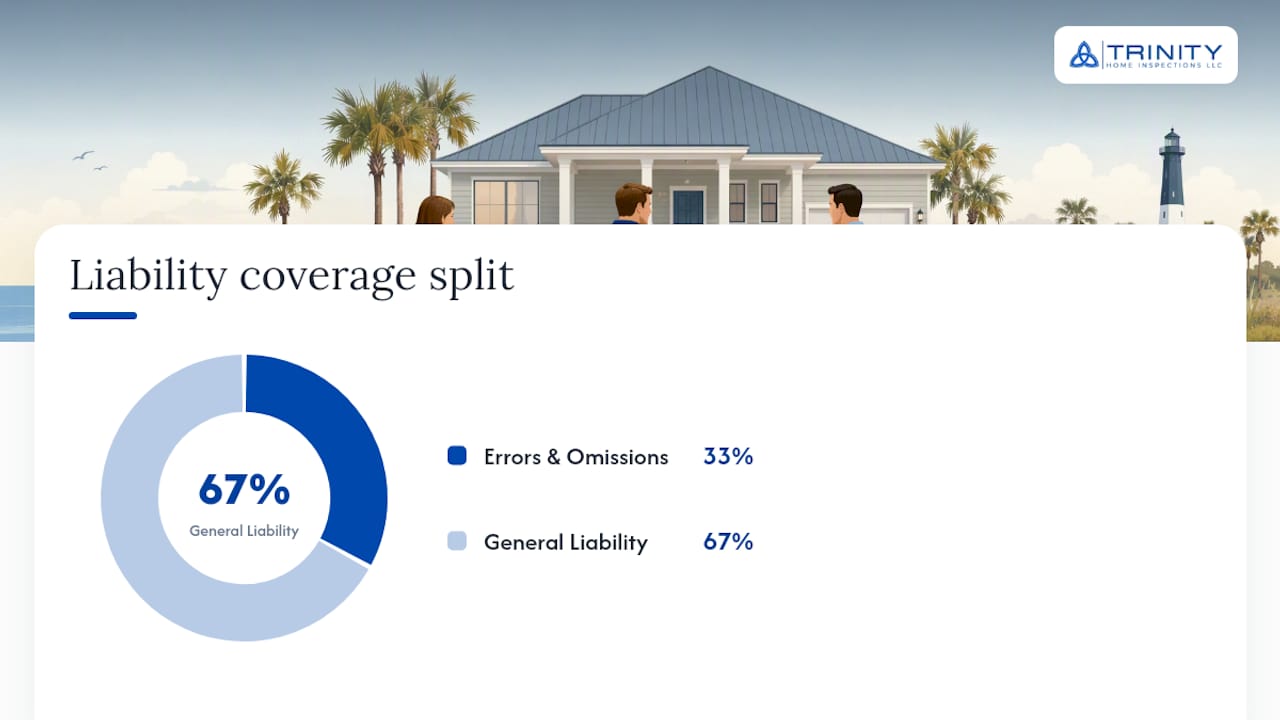
A pre-listing inspection from Trinity Home Inspections gives you the same clarity a buyer’s inspector would find, just weeks earlier and on your terms. Trinity is InterNACHI certified, FAA licensed for drone roof inspections, and carries $1 million in errors and omissions coverage plus $2 million in general liability, well above what Alabama requires.
Every inspection includes:
Free thermal imaging to spot moisture or insulation gaps before they become buyer objections
Same-day photo and video reports, organized by DIY, defect, and safety priority
Moisture meters, gas detectors, and drone roof imaging for full coverage, even on roofs too steep to walk
Pro Tip: Use your inspection report in your listing copy. Mentioning “recent HVAC service documented” or “roof inspected, 8 years remaining life” gives buyers concrete confidence before they even schedule a showing.
For more on preparing specific systems before an inspector arrives, see our pre-inspection checklist for sellers.
What I’d Do First if I Were Selling Today
If I were listing my own house next month, three things would happen this week: book a pre-listing inspection with a trusted local expert like Ryan Case Realtor, clear the kitchen counters and living room, and call a photographer. Everything else follows from those three.
Screenshot this:
Inspection scheduled
Deed, payoff statement, tax bill pulled
Rooms decluttered and depersonalized
CMA pulled for pricing
Photos booked
HOA/estoppel letter requested
Selling a house rewards sellers who move early on the slow stuff and stay calm on the rest.
— Matt
Ready for a Pre-Listing Inspection? Here’s How to Start
Trinity Home Inspections gives sellers something most agents can’t offer on their own: a same-day, photo-rich report that turns “I think the roof is fine” into documented proof, at no extra charge for thermal imaging that other inspectors bill separately.
[

What’s included:
Same-day digital report with color-coded priorities (safety, defects, DIY)
Free thermal imaging plus moisture meter and gas leak checks
Trusted contractor referrals for any repairs you decide to make before listing
If your sale also involves confirming permits or a deed history, our property, deed, and permit search service covers Baldwin, Mobile, and Escambia counties. Call 251-210-7376 or book online at Trinityinspectionsllc to get your pre-listing inspection on the calendar before your first showing.
Sources
FAQ
What Devalues a House the Most?
Deferred maintenance on major systems, roof, HVAC, plumbing, and electrical, causes the steepest price cuts, since buyers discount heavily for uncertainty around big-ticket repairs. Strong odors, clutter, and outdated fixtures also drag down perceived value even when the underlying structure is sound.
What Paperwork Do You Need When You Sell a House?
You’ll need your deed, mortgage payoff statement, recent tax bill, homeowners insurance policy, required disclosure forms, and an HOA estoppel letter if applicable. Request the payoff statement and HOA letter several weeks early, since both commonly take time to process.
How Long Does a Pre-Listing Inspection Take?
Most pre-listing inspections take two to four hours depending on home size, and a company like Trinity Home Inspections typically delivers the full photo and video report the same day.
Should I Fix Everything an Inspection Finds Before Listing?
No. Prioritize safety issues and major systems first, and consider disclosing smaller cosmetic items instead of repairing them, since not every finding affects buyer confidence or negotiating leverage equally.
How Far in Advance Should I Start My Selling Checklist?
Start six to eight weeks before you want to list. That gives enough time for a pre-listing inspection, contractor repairs, decluttering, and gathering slow-arriving documents like HOA letters without rushing any single step.
Recommended

