
How to Convert to a Gas Dryer: Safe Install & Cost Tips

TL;DR:
You cannot retrofit electric dryers to run on gas; new gas dryers are required.
Certified professionals, permits, and proper venting are essential for safe installation.
Regular inspections and corrosion-resistant fittings extend the lifespan of gas dryers in coastal areas.
If your electric dryer is running up your Gulf Coast Alabama power bill and you’re tired of 70-minute drying cycles in the summer heat, switching to a gas dryer might be exactly the move you’ve been considering. Natural gas prices in Alabama tend to run lower than electricity rates, which means real monthly savings over time. But this upgrade isn’t as simple as swapping one appliance for another. You need the right equipment, licensed professionals, proper permits, and a clear understanding of what the Gulf Coast climate can do to gas lines and fittings. This guide walks you through every step, from clearing up common misconceptions to testing your finished installation for safety.
Key Takeaways
Point | Details |
No direct conversion | Switching from electric to gas dryer means buying a new gas dryer, not modifying your old one. |
Professional install required | Alabama law demands licensed gas plumbers and proper permits for any gas line work. |
Upfront costs | Installation and new dryer purchase can run $800-1800 before extra fees for homes without existing gas lines. |
Safety essentials | Install CO detectors, use corrosion-resistant materials, and schedule inspections to prevent leaks and hazards. |
Homeowner benefits | Efficient drying, lower energy bills, and increased home safety are the main reasons to convert in Gulf Coast Alabama. |
Why electric dryers can’t be converted directly to gas
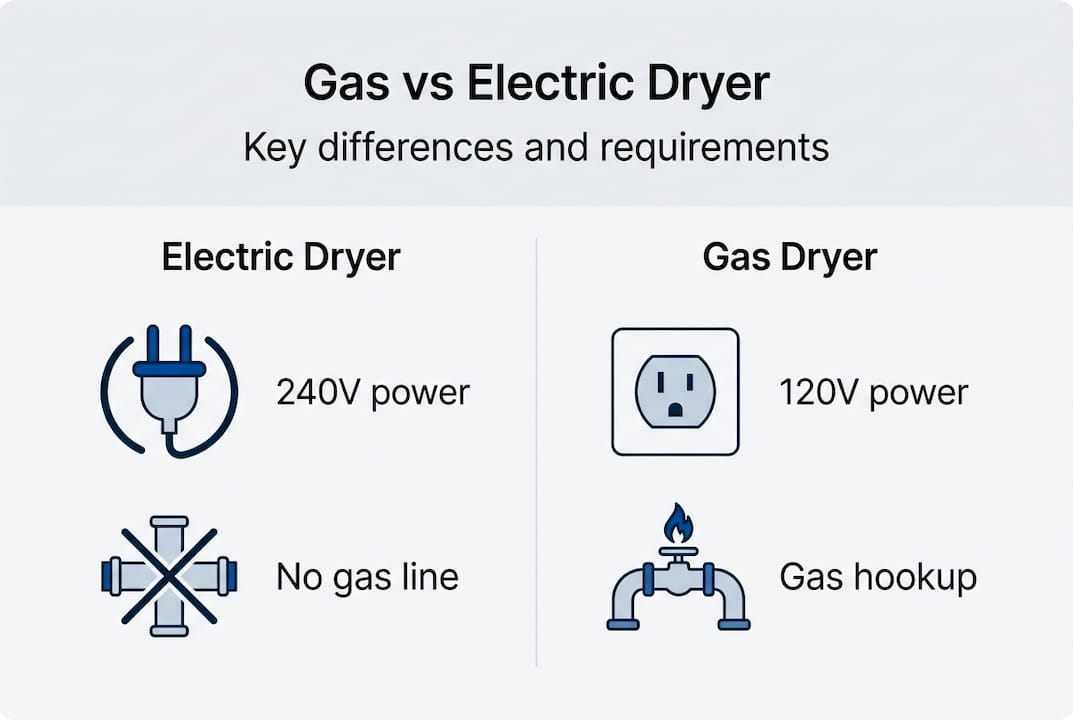
This is one of the most common questions homeowners ask, and the answer surprises a lot of people. You cannot take your existing electric dryer and retrofit it to run on natural gas. The two appliance types use fundamentally different heating systems, internal components, and safety mechanisms. An electric dryer uses heating coils powered by a 240-volt circuit. A gas dryer uses a burner assembly, gas valve, igniter, and flame sensor. These are not interchangeable parts.
Converting an existing electric dryer to gas is not feasible for nearly all residential models, which means your path forward is purchasing a brand-new gas dryer. This is not a workaround or a limitation of budget. It is simply how these appliances are built.
Here is a quick comparison of what each type of dryer requires before installation:
Requirement | Electric dryer | Gas dryer |
Power supply | 240V dedicated circuit | 120V standard outlet |
Gas line | Not needed | Required (1/2-inch) |
Shutoff valve | Not needed | Required within 6 feet |
Venting | 4-inch rigid or flex duct | 4-inch rigid or flex duct |
Licensed installer | Not typically required | Required in Alabama |
Permit | Rarely needed | Required |
The cost difference is also worth understanding upfront. A new gas dryer typically runs between $500 and $900 depending on the brand and features. You will also need to factor in the cost of disposing of or selling your old electric dryer. Many appliance retailers offer haul-away services, and some recycling programs in Baldwin and Mobile County will accept old units.
Beyond the appliance cost, installing a gas dryer involves gas line work, which is where the real safety stakes come in. Attempting to do this yourself is not just risky. In Alabama, it is illegal without the proper license and permits.
Safety warning: Never attempt to modify a gas line, connect a gas appliance, or perform any part of a gas dryer installation without a licensed professional. Improper connections can cause gas leaks, carbon monoxide buildup, and fires. This is not a DIY project.
The bottom line is straightforward. If you want to switch to gas, plan to buy a new appliance and budget for professional installation. The efficiency gains are real, but only when the job is done right from the start.
Preparing for your gas dryer upgrade: What you’ll need
Once you understand that a new gas dryer purchase is required, the preparation phase becomes your most important step. Getting this right before anyone touches a gas line saves you time, money, and serious headaches.
Here is what you will need to gather and arrange before installation day:
A new gas dryer (budget $500 to $900)
A licensed plumber or gas fitter with a gas endorsement in Alabama
A 1/2-inch gas supply line with a manual shutoff valve
A 120-volt standard electrical outlet near the dryer location
Proper 4-inch rigid metal venting routed to the exterior
A carbon monoxide (CO) detector installed near the laundry area
Permits from your local Authority Having Jurisdiction (AHJ)
The gas line installation cost for a licensed plumber typically runs between $300 and $900, depending on how far the new line needs to run and whether your home already has a gas supply nearby.
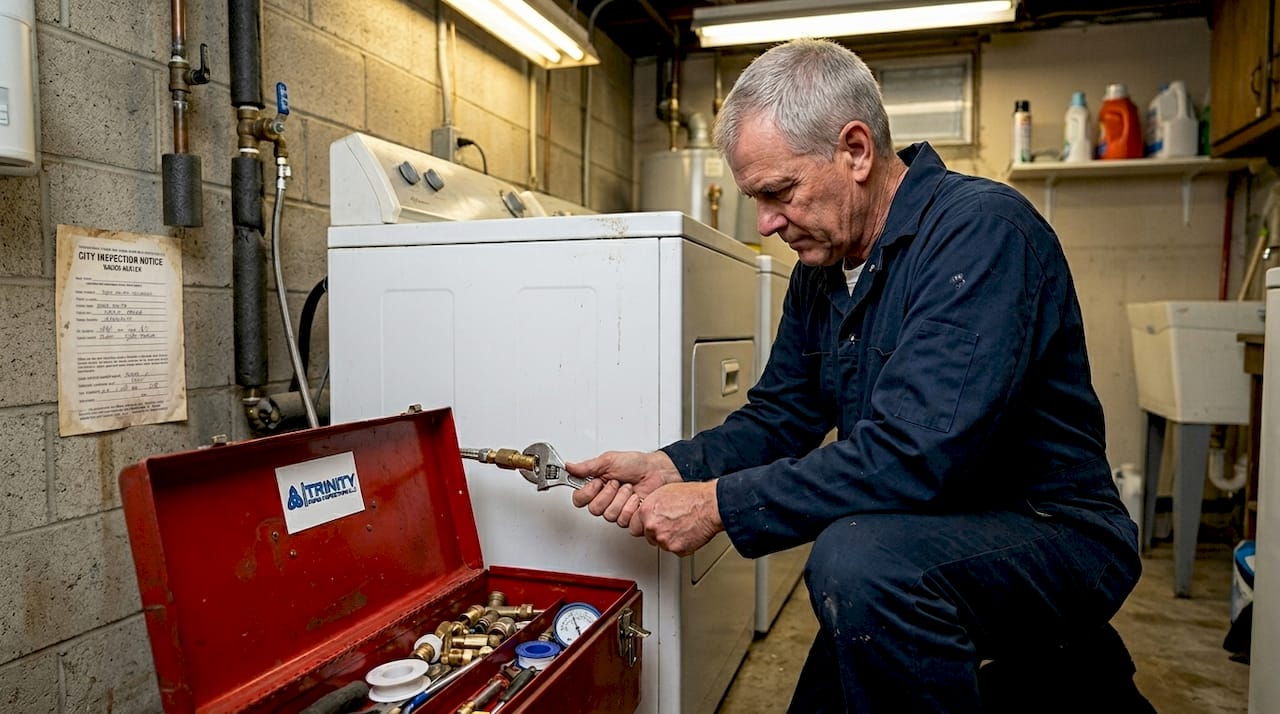
Alabama has specific requirements you cannot skip. Gas line installation in Alabama requires licensed professionals, either a gas-endorsed plumber or a certified gas fitter, along with permits from your local AHJ and inspections conducted per NFPA 54 (the National Fuel Gas Code) or the International Fuel Gas Code (IFGC). A separate gas permit is required in addition to any standard building permit.
Here is a breakdown of who supplies what during the process:
Item | Who provides it |
New gas dryer | Homeowner purchases |
Gas supply line and fittings | Licensed plumber |
Shutoff valve | Licensed plumber |
Electrical outlet (if missing) | Licensed electrician |
Vent duct and exterior cap | Homeowner or installer |
CO detector | Homeowner |
Permits | Homeowner applies, plumber assists |
For the permit process, contact your local building department in Mobile, Baldwin, or whichever county you are in. Some jurisdictions allow the licensed contractor to pull the permit on your behalf, which simplifies the process. Always confirm this before work begins.
Pro Tip: Gulf Coast salt air is genuinely hard on metal fittings and flexible gas connectors. Ask your plumber about stainless steel braided connectors and corrosion-resistant fittings specifically rated for coastal environments. This small upgrade can add years to the life of your installation and reduce the risk of leaks caused by oxidation. Also, verify your licensed plumber requirements before signing any contract, and confirm they carry current liability insurance.
Finally, think about your venting path now, not after the dryer arrives. Gas dryers must vent to the exterior of the home through a dedicated 4-inch duct. Plastic flex duct is not acceptable. Rigid metal or semi-rigid aluminum is the standard. Keeping the vent run short and straight improves efficiency and reduces fire risk from lint buildup. Schedule a gas line inspection as part of your planning, not just after installation.
How to safely install a gas dryer: Step-by-step process
With your materials gathered, permits in hand, and a licensed professional scheduled, here is the step-by-step process for a safe, code-compliant gas dryer installation.
Remove and dispose of the electric dryer. Disconnect the 240-volt power cord and unplug the unit. Arrange for haul-away or recycling through your appliance retailer or a local service.
Verify the 120-volt outlet. Gas dryers still need a standard 120-volt outlet for the motor, controls, and igniter. Confirm one is present and functional near the installation location.
Have the licensed plumber run the gas line. This is the non-negotiable step. Your plumber will extend a 1/2-inch gas supply line from the nearest gas main or meter to the dryer location. They will install a manual shutoff valve within 6 feet of the dryer connection point, as required by code.
Connect the flexible gas connector. The plumber will attach a listed flexible gas connector (typically 4 to 6 feet long) between the shutoff valve and the dryer’s gas inlet. This connector must be a new, listed appliance connector, never reused from a previous appliance.
Install the vent duct. Route rigid metal duct from the dryer exhaust port to the exterior vent cap. Keep bends to a minimum and secure all joints with foil tape, not screws that protrude into the duct.
Perform a leak test. Before turning on the dryer, the plumber will apply a leak detection solution or use a gas detector on all connections. No bubbles, no odor, no exceptions.
Obtain the required inspection. Your local AHJ inspector must sign off on the gas line work before the dryer is put into regular use.
If your home has no existing gas line, the cost to add one can run from $300 to over $1,000 depending on the distance from the meter and any trenching required. Propane is an alternative if natural gas is not available in your area, but propane conversion kits add extra cost and require the same licensed installation process. DIY gas work is illegal in Alabama and voids most appliance warranties.
Pro Tip: Install a CO detector in or near your laundry room before the first use. Carbon monoxide is odorless and colorless, and even a small combustion issue can create a dangerous buildup in an enclosed space. This is one of the most affordable safety steps you can take.
According to NFPA fire data, hundreds of dryer-related fires occur every year nationally, many tied to improper installation or venting. Gulf Coast salt air can accelerate corrosion on fittings, making professional installation and annual checks even more critical here than in other regions. Review the full gas dryer installation regulations that apply in your area before your installer begins work.
Testing, troubleshooting, and common mistakes after installation
Installation day is not the finish line. What you do in the first few days and weeks after your gas dryer goes in can be the difference between a safe, efficient appliance and a serious hazard.
How to verify your installation is safe:
Run the dryer on a short cycle and stand nearby for the first 10 minutes. If you smell rotten eggs (the odorant added to natural gas), shut off the gas at the shutoff valve immediately and call your plumber.
Check that the exhaust vent is pushing warm, moist air to the exterior. Hold your hand near the outside vent cap while the dryer runs. You should feel steady airflow.
Confirm your CO detector is working by pressing the test button. Replace the battery if needed.
Verify the shutoff valve is accessible and that everyone in your household knows where it is and how to turn it off.
Common mistakes homeowners make after installation:
Skipping the permit inspection. The inspection is not optional. Alabama requires licensed professionals, permits, and inspections per NFPA 54/IFGC for all gas line work. Skipping this step can void your homeowner’s insurance and create liability issues if something goes wrong.
Using the wrong vent material. Plastic or vinyl duct is a fire hazard and is not approved for gas dryer venting. Use rigid metal or semi-rigid aluminum only.
Ignoring corrosion over time. Gulf Coast salt air is relentless on metal components. Inspect flexible connectors and fittings at least once a year for signs of rust or deterioration.
Assuming the first install was perfect. Even licensed professionals can miss something. Schedule a gas line safety check within the first year and annually after that.
Regulatory reminder: In Alabama, all residential gas line work must be performed by a licensed gas-endorsed plumber or fitter, with permits pulled from the local AHJ and inspections completed per NFPA 54 or IFGC standards. There are no exceptions for homeowners who want to do it themselves.
If your dryer is taking longer than usual to dry a load, check the vent path first. A clogged or kinked duct is the most common performance issue after installation. Also review your home inspection results if you recently purchased the home, since prior gas work may have been flagged in the report.
Signs of a faulty installation and what to do:
Gas smell at any time: Shut off the gas valve, leave the home, call your gas utility and plumber
CO detector alarm: Evacuate immediately, call 911
Dryer not igniting: Do not attempt to repair yourself; call a licensed appliance technician
Visible rust or corrosion on fittings: Schedule a professional inspection before next use
Vent cap blocked or damaged: Clean or replace before running the dryer again
The real payoff and risks: Gulf Coast expert perspective
Here is something most guides won’t tell you plainly: the efficiency argument for gas dryers is real, but it is not guaranteed for every household in every situation.
Natural gas tends to be cheaper than electricity on a per-cycle basis in regions like Gulf Coast Alabama, where gas rates are relatively low. Over several years of regular use, that difference adds up. But if your home has no existing gas line, the upfront installation cost can easily run $1,000 or more, which pushes your break-even point out by several years.
For homes in Fairhope, Daphne, Foley, or Gulf Shores that already have natural gas service for a stove or water heater, adding a dryer line is a reasonable investment with a solid return. For homes that would need an entirely new gas service run from the street, the math gets harder to justify on dryer savings alone.
The Gulf Coast environment adds a layer of complexity that inland homeowners don’t face. Salt air accelerates corrosion on flexible connectors, brass fittings, and even the burner assembly inside the dryer. We see this regularly during home inspections in coastal communities. A gas dryer installed five years ago without corrosion-resistant fittings can develop a slow leak that is nearly impossible to detect without a proper combustible gas detector.
Pro Tip: Schedule an annual maintenance inspection that includes a local gas line check specifically for your dryer connection. This is the single best way to protect your investment and your family over the long term. The cost of an annual check is a fraction of what a gas leak repair or fire remediation would run.
If you are on the fence, the honest answer is this: gas is the right call if the infrastructure is already there. If it is not, run the numbers carefully before committing.
Make your conversion safe with local experts
Switching to a gas dryer is one of the smartest efficiency upgrades you can make as a Gulf Coast Alabama homeowner, but only when it is done with the right permits, the right professionals, and a clear picture of your home’s current condition.

At Trinity Home Inspections, we help homeowners across Baldwin, Mobile, and surrounding counties get that clear picture. Whether you need a permit search in Alabama to verify prior gas work was properly permitted, or you want a full home inspection that includes a combustible gas leak check with our professional-grade detector, we are ready to help. Our InterNACHI-certified inspectors use thermal imaging, gas detectors, and moisture meters on every inspection, at no extra charge. Call or book online today and get your same-day report.
Frequently asked questions
Can I convert my electric dryer to gas myself?
No. Nearly all residential electric dryers cannot be converted to gas, and Alabama law requires licensed professionals for all gas line work, so you will need to purchase a new gas dryer and hire a licensed installer.
What permits are needed for gas dryer installation in Alabama?
You need a separate gas permit, and all work must be inspected per NFPA 54 or IFGC standards. Alabama requires a licensed gas-endorsed plumber or fitter, with permits pulled from your local Authority Having Jurisdiction before installation begins.
How much does it cost to switch from electric to gas dryer?
Plan to spend $500 to $900 on the new gas dryer plus $300 to $900 for licensed gas line installation. If your home has no existing gas line, total costs can exceed $1,800 or more depending on the distance from the meter.
Are gas dryers safer or riskier than electric dryers?
Gas dryers are efficient and reliable when professionally installed with proper venting, a shutoff valve, and a working CO detector. The risks come from improper installation or skipped inspections, not from the appliance itself.
Recommended