
Multi-Purpose Building Inspections: Protect Your Property Value

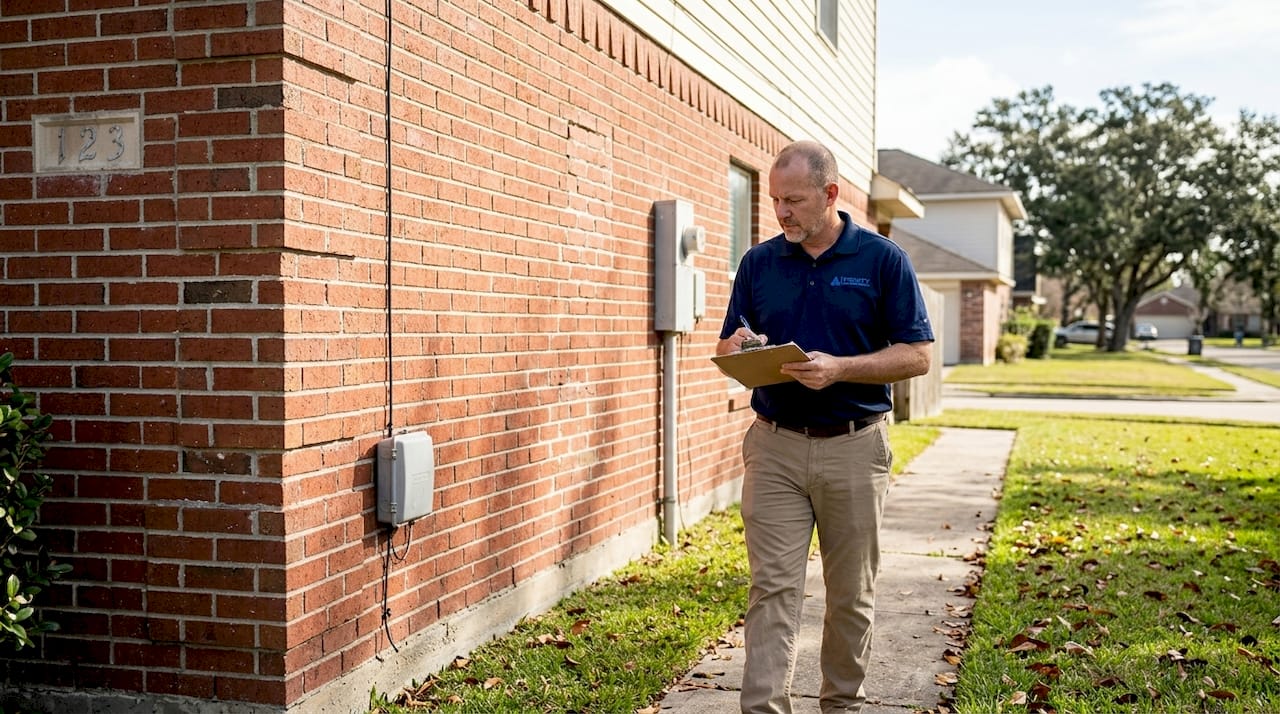
Pre-purchase inspections reveal 73% of deal-killers like foundation cracks and environmental contamination before they derail a closing. On Alabama’s Gulf Coast, where humidity, salt air, and storm exposure push properties hard, skipping a thorough building inspection is one of the most expensive gambles a buyer, seller, or agent can take. This guide breaks down exactly what a multi-purpose building inspection covers, how it’s performed, and why it matters for every property deal from Mobile to Gulf Shores.
Key Takeaways
Point | Details |
Inspections uncover major risks | Multi-purpose inspections reveal issues that could make or break a property deal. |
Gulf Coast needs special expertise | Humidity, storms, and salt air require inspectors familiar with local conditions. |
Effective methods and standards | Reliable inspectors use both advanced tools and certified protocols for complete assessments. |
Negotiation and protection | Inspection findings give buyers, sellers, and agents leverage and peace of mind. |
Choose credentialed local pros | Certification and regional experience matter most when hiring your inspector. |
What is a multi-purpose building inspection?
A multi-purpose building inspection is a single, structured evaluation that covers all major systems and components of a property, regardless of whether it’s a single-family home, a mixed-use storefront, or a commercial building. Rather than ordering separate inspections for the roof, electrical, and HVAC, one qualified inspector assesses everything in one visit. That saves time, reduces scheduling headaches, and gives you a unified picture of the property’s condition.
For Gulf Coast buyers and sellers, this matters more than most people realize. Gulf Coast inspections must account for conditions that don’t exist in most of the country: persistent humidity, salt-laden air, hurricane exposure, and flood-prone lots. A standard checklist built for Ohio simply doesn’t cut it here.
According to inspections tailored for humid coastal conditions, a proper Gulf Coast evaluation covers structure, HVAC, roofing, plumbing, electrical, and environmental hazards specific to this region. Here’s what a multi-purpose inspection typically addresses:
Structural systems: Foundation, framing, load-bearing walls, and supports
Mechanical systems: HVAC, plumbing, electrical panels, and wiring
Roofing and envelope: Shingles, flashing, gutters, siding, and windows
Environmental hazards: Mold, moisture intrusion, and indoor air quality
Exterior and site: Grading, drainage, driveways, and outbuildings
For properties with investment value on the Gulf Coast, a multi-purpose approach ensures nothing slips through the cracks between specialized reports.
Core components and systems evaluated
Now that you know what these inspections are for, here’s an up-close look at what inspectors actually examine.
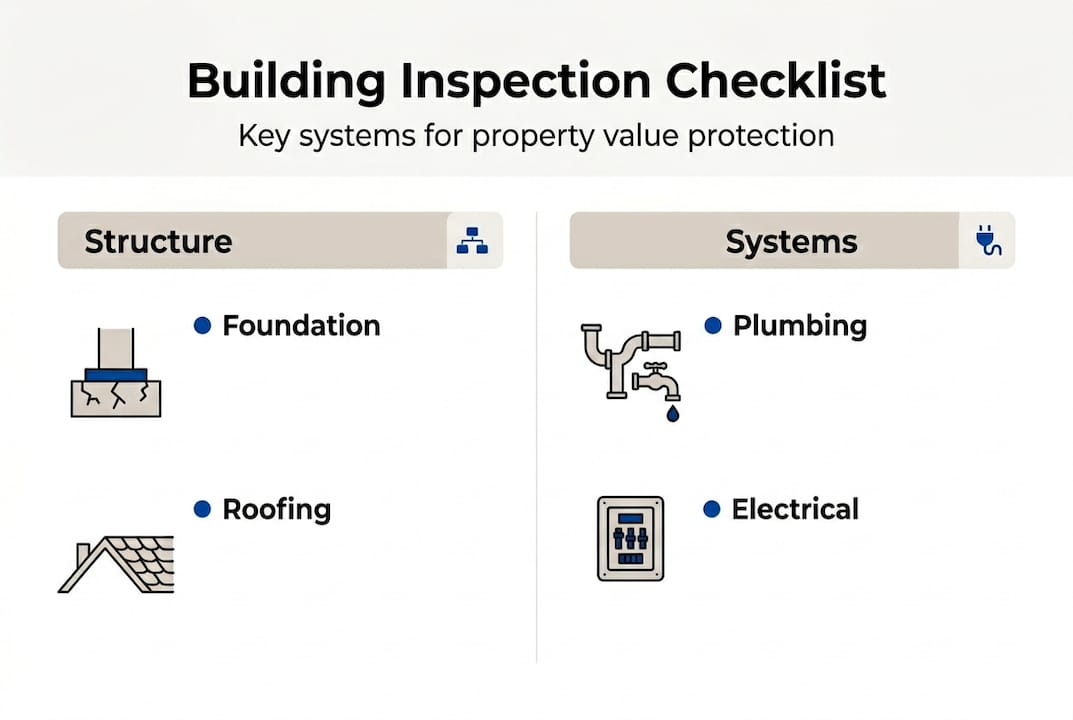
Evaluations cover structural integrity, HVAC, roofing, plumbing, electrical, and mold, all tailored for humid coastal conditions. The table below shows the major systems checked and the Gulf Coast risks tied to each.
System | What’s inspected | Gulf Coast risk |
Foundation | Cracks, settling, moisture | Soil movement, flooding |
Roof | Shingles, flashing, decking | Storm damage, wind uplift |
HVAC | Function, age, ductwork | Corrosion, mold in ducts |
Electrical | Panel, wiring, outlets | Salt air corrosion, overloads |
Plumbing | Pipes, water heater, drainage | Corrosion, slow drains |
Moisture/Mold | Attic, crawlspace, walls | High humidity, hidden leaks |
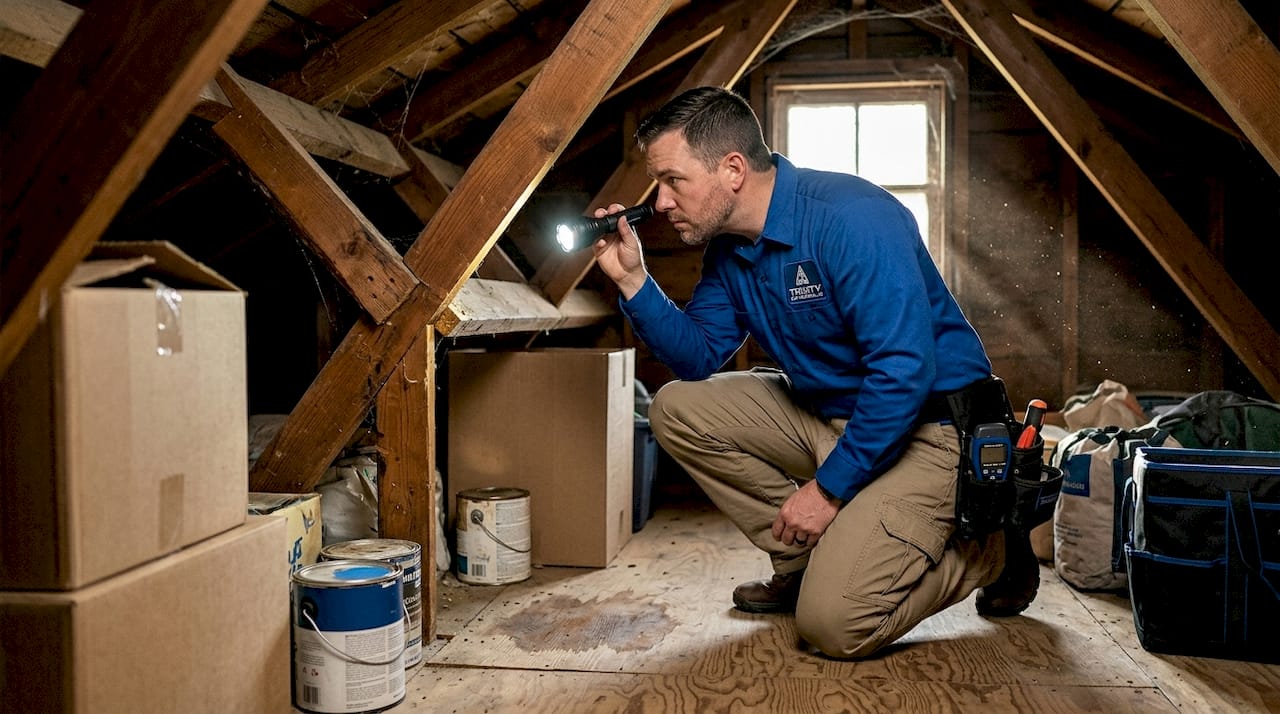
When inspecting major home systems, inspectors pay close attention to areas that trap moisture. Attics and crawlspaces are prime spots for mold growth in Alabama’s climate. HVAC ducts that aren’t properly sealed pull in humid air and become breeding grounds for mold spores.
Salt air is another factor that surprises out-of-state buyers. It accelerates corrosion on electrical components, HVAC coils, and metal fasteners faster than inland climates. A property two miles from the beach can show corrosion patterns that a property in Birmingham wouldn’t see for decades.
Pro Tip: Ask your inspector specifically about the crawlspace and attic. These two areas hide the most expensive surprises on Gulf Coast properties, and a thorough inspector will photograph every corner of both.
How inspections are performed: Methods and standards
Understanding what gets checked is one thing. Knowing how it’s checked is just as vital.
Inspection methods range from simple visual walkthroughs to advanced tool-based assessments. Methodologies include visual assessments, thermal imaging, and moisture meters, with commercial and multi-purpose properties also requiring unit sampling of up to 20% and non-destructive testing, following InterNACHI, ASHI, and ASTM E2018 standards.
Here’s how a typical multi-purpose inspection unfolds:
Exterior walkthrough: Inspector checks the roof (walking it when safe, using a drone when not), siding, foundation perimeter, grading, and drainage.
Interior systems check: Every accessible room is evaluated for electrical outlets, switches, windows, and doors. Not just a sample. Every one.
Mechanical systems: HVAC is run through heating and cooling cycles. Water heater, plumbing fixtures, and electrical panel are all tested.
Advanced tool scans: Thermal imaging identifies hidden moisture and insulation gaps. Moisture meters confirm suspected wet areas. Gas detectors check for leaks.
Report delivery: A photo and video-rich report is delivered the same day, color-coded by severity.
For residential properties, InterNACHI and ASHI set the standards. For commercial or mixed-use buildings, ASTM E2018 applies, which focuses on sampling protocols rather than testing every single unit. Choosing a commercial inspection company with experience in both residential and commercial standards is critical when the property doesn’t fit neatly into one category.
Alabama regulates inspector licensing through the Home Inspectors Board. You can review state licensing requirements to confirm your inspector meets the minimum legal standards before you hire them. Minimum standards are a floor, not a ceiling.
For commercial inspection services on larger properties, non-destructive testing (NDT) is used to evaluate materials without cutting into walls or floors. This keeps the property intact while still revealing what’s happening inside.
Beyond the basics: Gulf Coast-specific risks and edge cases
With standard and advanced inspection methods covered, it’s crucial to spotlight local risks and when you might need even more specialized assessments.
High humidity above 70% drives mold risk in attics and HVAC systems, salt air promotes corrosion, and key limitations exclude code compliance, hidden defects, and destructive testing. Those exclusions matter. Here’s what a standard inspection cannot do:
Inspect areas that are inaccessible, locked, or covered
Confirm code compliance or permit history
Detect defects hidden inside walls, under slabs, or beneath insulation
Perform destructive testing of any kind
That’s not a flaw in the process. It’s the nature of a non-invasive visual inspection. The key is knowing when to add specialized services.
When to order add-ons: If the inspector flags moisture staining, musty odors, or visible mold, order a mold swab test or indoor air quality sample. If the roof is steep or storm-damaged, drone damage assessment provides a safe, detailed view without putting anyone at risk.
Other Gulf Coast environmental risks worth addressing with add-ons include:
Sewer scope: Older homes in Mobile and Baldwin County often have aging sewer lines that show root intrusion or collapse
EIFS inspection: Synthetic stucco systems common in Gulf Coast construction can trap moisture behind the surface
Pool and spa inspection: Saltwater pools and aging equipment need a dedicated check
Indoor air quality testing: Especially valuable after flooding or in homes with a history of water damage
Pro Tip: The inspection benefits of ordering add-ons upfront almost always outweigh the cost. A $150 mold test that uncovers a $12,000 remediation problem is money very well spent.
How multi-purpose inspections protect buyers, sellers, and agents
Knowing what inspections check and why is key, but understanding their direct impact on the transaction is even more empowering.
Pre-purchase inspections reveal 73% of deal-killers, and inspection results directly support negotiations for repairs or price credits. That’s not a small number. Nearly three out of four serious problems would have gone undetected without a professional inspection.
For buyers: An inspection gives you negotiating power. If the report reveals a failing HVAC unit or active roof leak, you can request a repair credit, a price reduction, or walk away entirely. Without an inspection, you absorb those costs after closing.
For sellers: A pre-listing inspection removes the element of surprise. Sellers who know their property’s condition upfront can price it accurately, make targeted repairs, and present buyers with confidence-building documentation. Deals close faster and with fewer last-minute renegotiations.
For agents: Transparent disclosure protects everyone. Agents who recommend inspections reduce their liability exposure and build a reputation for honest, smooth transactions. A pre-listing inspection guide tailored to the Mobile market shows clients you understand local conditions.
The reasons for a pre-purchase inspection go beyond just finding problems. They create a shared, documented understanding of the property’s condition that all parties can reference throughout the deal.
How to choose a reliable multi-purpose building inspector
Now that the value of inspections is clear, here’s how to find an expert you can truly rely on.
Choose InterNACHI or ASHI for residential and CCPIA for commercial; local Gulf Coast experience is crucial because national certifications alone don’t prepare an inspector for salt air corrosion, post-hurricane assessments, or the specific mold patterns common in Alabama’s coastal counties.
Here’s what to look for and ask:
Verify certifications. InterNACHI and ASHI are the gold standards for residential. For commercial or mixed-use, look for CCPIA credentials.
Confirm FAA drone licensing. An inspector who uses a drone without FAA certification is operating illegally and creating liability for you.
Ask about insurance. Alabama doesn’t require robust coverage, but your inspector should carry at least $1M in E&O and $2M in general liability. If something goes wrong on-site, you don’t want to be the one holding the bill.
Request a sample report. A quality report is color-coded, photo-rich, includes video where relevant, and is delivered the same day.
Check Google reviews. Look for consistent 5-star ratings and whether the inspector responds to every review. That responsiveness tells you a lot about how they treat clients.
Pro Tip: Review local building requirements for Gulf Shores and surrounding areas before your inspection. Knowing what permits should exist for additions or renovations helps you ask the right questions.
For qualities of top Gulf Coast inspectors, the combination of national certification, local experience, advanced tools, and strong communication separates the professionals from the part-timers.
Connect with trusted Gulf Coast building inspection pros
You now have a clear picture of what multi-purpose building inspections cover, how they’re performed, and why they matter for every transaction on Alabama’s Gulf Coast. The next step is acting on that knowledge before a deal closes, not after.
Trinity Home Inspections serves buyers, sellers, agents, and investors across Baldwin, Mobile, Escambia, Washington, Monroe, and Clarke counties. Every inspection includes free thermal imaging, same-day photo and video reports, and post-inspection support by phone or text. Whether you need a pre-listing home inspection, a real estate permit and deed search, or mold testing and inspection after a moisture flag, Trinity is your one-stop shop. Led by InterNACHI-certified inspector Matt Cameron, the team brings faith-based values and professional-grade tools to every property they walk.
Frequently asked questions
What does a multi-purpose building inspection cost in Alabama?
Typical costs range from $350 to $500 for homes, with commercial inspections priced higher based on square footage and complexity. Add-on services like mold testing or sewer scopes are priced separately but can often be bundled for savings.
What’s the difference between ASHI, InterNACHI, and ASTM inspection standards?
ASHI and InterNACHI differ in their moisture reporting requirements and continuing education rules, but both govern residential inspections. ASTM E2018 applies to commercial properties and focuses on sampling protocols rather than testing individual units or equipment.
Are multi-purpose building inspections required by law in Alabama?
Inspections are not always legally required, but Alabama regulates inspector licensing through the Home Inspectors Board. You can review Alabama’s inspection requirements to understand what the state mandates and what goes beyond the minimum.
Can inspectors find hidden defects or guarantee code compliance?
Inspections are visual and non-invasive, so they exclude destructive testing and code compliance verification. Defects hidden behind finished walls, under slabs, or in locked areas cannot be detected without additional specialized testing.
Should sellers or buyers attend the inspection?
Attending the inspection helps both parties ask questions and clarify findings in real time. If your inspector discourages attendance, treat that as a red flag.
Recommended

