
Selling Home Inspection Workflow: Alabama Seller's Guide
- Matt Cameron
- 14 hours ago
- 10 min read

A selling home inspection workflow is the structured, step-by-step process sellers and buyers use to prepare a property, coordinate the inspection, and manage outcomes through closing. In Alabama, where caveat emptor (“buyer beware”) laws place extra responsibility on buyers to discover defects, this workflow is not optional. It is the backbone of every smooth transaction. Sellers who treat the inspection as a single appointment, rather than a multi-phase process with defined deadlines, routinely lose negotiating power or face contract delays. Trinity Home Inspections serves Baldwin, Mobile, Escambia, and surrounding Gulf Coast Alabama counties with InterNACHI-certified inspections, same-day reports, and free thermal imaging to keep your transaction on track from day one.
What are the key preparation steps sellers must take before the inspection?
Seller preparation is the single biggest factor in whether an inspection day runs smoothly or creates friction. A well-prepared home signals honesty to the buyer and reduces the chance of a re-inspection, which costs time and money for everyone involved.
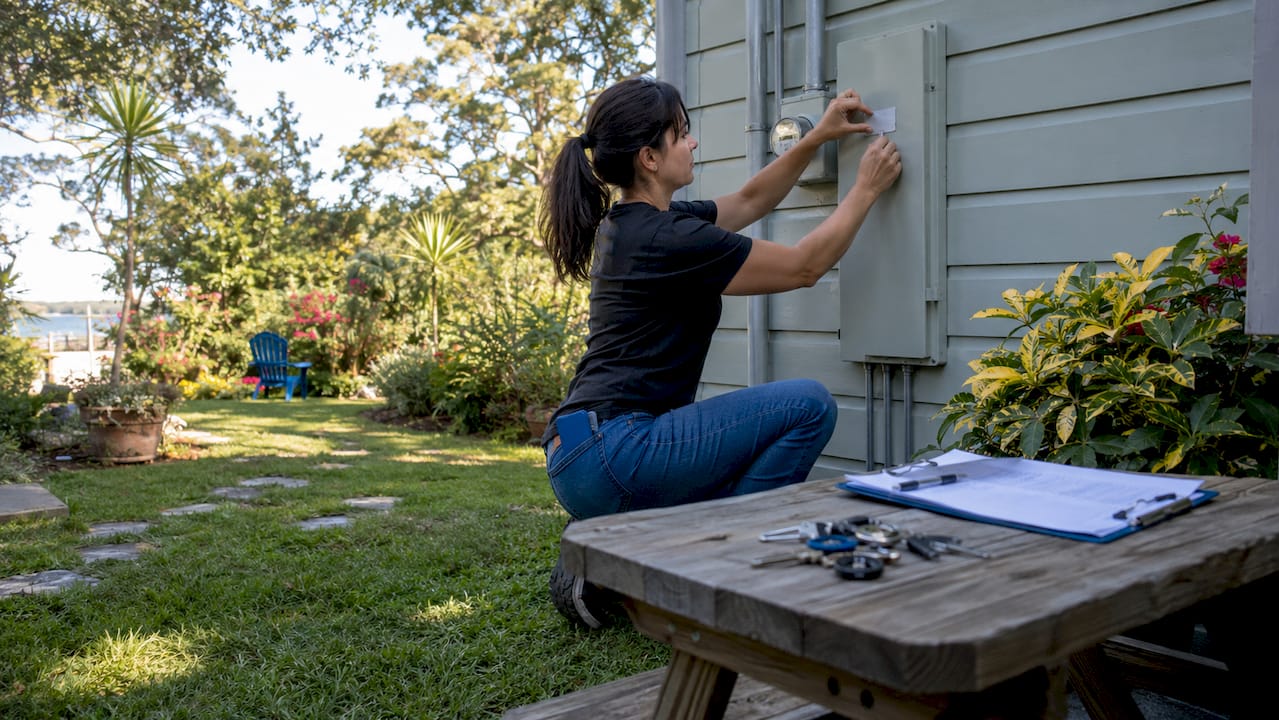
Start with utilities. Active utilities during inspection are non-negotiable. Gas, electricity, and water must all be on and functioning. An inspector who cannot test the HVAC, water heater, or electrical panel will note those systems as “unable to inspect,” which raises red flags for buyers and often triggers a second visit.
Next, clear access to every inspectable area. Inspectors need to reach attics, crawlspaces, electrical panels, water heaters, and HVAC units without moving furniture or boxes. A blocked crawlspace hatch or a panel covered by shelving will result in a noted limitation in the report. That limitation can become a negotiation point the buyer uses against you.
Complete basic maintenance before the inspector arrives. Replace burned-out light bulbs, fix dripping faucets, re-caulk around tubs and showers, and replace HVAC filters. These are low-cost fixes that, if left undone, appear in the report and suggest to buyers that the home has been neglected. Light pilot lights on older gas appliances so the inspector can test them properly.
Consider a pre-listing inspection before you list. This Alabama-specific practice gives you a full picture of your home’s condition before a buyer’s inspector finds issues under contract pressure. You can address problems on your own timeline, price repairs accurately, and enter negotiations with confidence.
Confirm gas, electricity, and water are active at least 24 hours before the inspection
Clear attic hatches, crawlspace entries, and electrical panel doors
Light pilot lights on water heaters and older furnaces
Replace HVAC filters and test smoke and CO detectors
Remove stored items blocking the water heater, electrical panel, and HVAC equipment
Complete minor repairs: dripping faucets, missing outlet covers, broken window locks
Unlock all gates, outbuildings, and detached garages
Pro Tip: Leave keys or access codes for any locked areas in a visible spot for the inspector. A locked gate or inaccessible outbuilding will appear in the report as “not inspected,” which buyers may interpret as a hidden problem.
How does the home inspection process unfold from scheduling to report delivery?
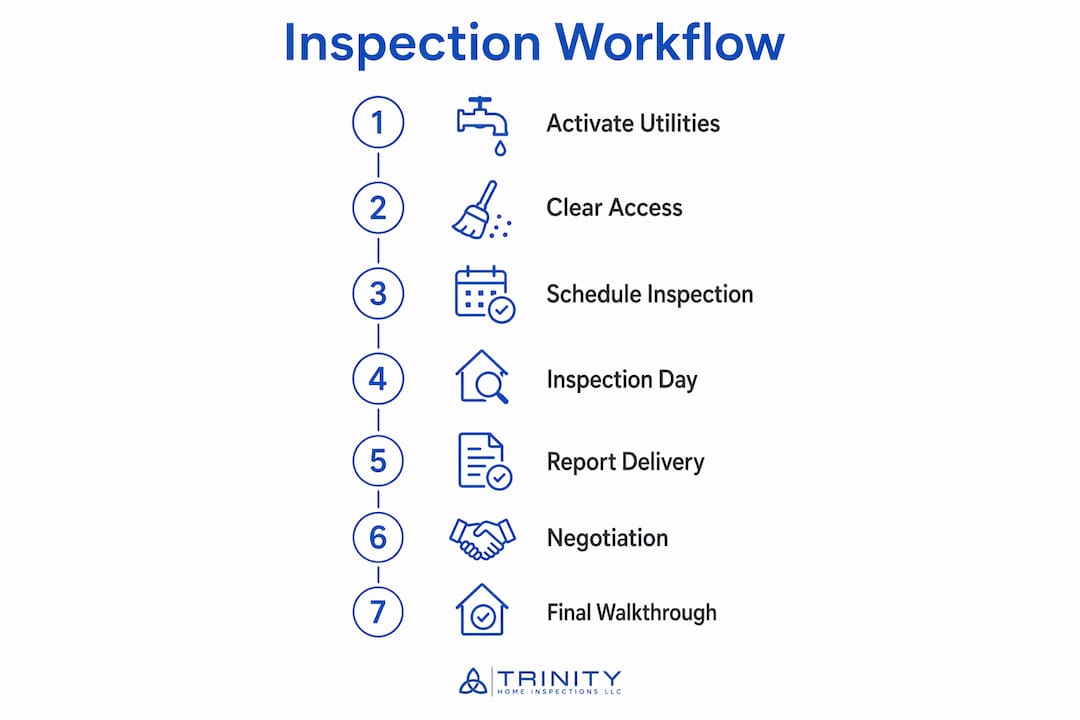
The inspection itself follows a predictable sequence, but the timeline around it requires active management. Inspections are a multi-week workflow with defined phases, and missing any deadline weakens your negotiating position.
Scheduling typically happens within 72 hours of contract execution. The buyer’s agent usually books the inspection, but sellers benefit from knowing the schedule a home inspection process so they can prepare the property in time. Confirm the appointment date and plan to vacate the home for the duration.
A standard inspection lasts 2–4 hours on-site, depending on the home’s size and age. In Alabama specifically, most inspections run 2–3 hours. The inspector evaluates the structure, roof, foundation, HVAC systems, plumbing, electrical panels, insulation, windows, and doors. Trinity Home Inspections goes further by testing all accessible outlets, switches, windows, and doors, exceeding the Alabama minimum standard of a “representative sample.”
Specialty inspections add time and cost but are common in older Gulf Coast homes. Radon, sewer scope, mold, and termite inspections each add 30 minutes to several hours and require separate scheduling. Sellers in Mobile and Baldwin County should expect buyers to request at least one specialty inspection, particularly mold or sewer scope, given the region’s humidity and aging infrastructure.
Contract executed: buyer’s agent schedules inspection within 72 hours
Inspector arrives: full property walkthrough covering all major systems
Specialty inspections completed (if ordered): mold, sewer scope, radon, termite
Report delivered: photo-rich reports with severity ratings within 24–48 hours
Buyer reviews report with agent and prepares repair request or credit demand
Phase | Typical Timeline | Key Action |
Scheduling | Within 72 hours of contract | Buyer books; seller prepares access |
On-site inspection | 2–4 hours | Inspector evaluates all major systems |
Specialty inspections | Same day or within 48 hours | Mold, sewer, termite added as needed |
Report delivery | 24–48 hours after inspection | Buyer and agent review findings |
Contingency response | 5–10 days after contract | Negotiate repairs or credits |
Trinity Home Inspections delivers 99% of reports the same day as the inspection. That speed matters because it gives buyers and sellers more time within the contingency window to negotiate without rushing.
What is the best approach for managing post-inspection negotiations in Alabama?
Post-inspection negotiation is where transactions succeed or fall apart. Contingency periods typically run 5–10 days after contract execution. Every day of that window counts, and poor communication or missed deadlines can void the contract or cost you leverage.
Prioritize findings by category, not by count. A report with 40 items sounds alarming, but most items are minor maintenance notes. Focus negotiations on safety hazards, major system failures, and habitability defects. These include issues like a failing HVAC system, active roof leaks, faulty electrical panels, or structural damage. Cosmetic issues like paint chips or worn carpet are not negotiation material in a standard Alabama transaction.
Sellers have four main options after receiving a repair request:
Accept the request and complete repairs before closing using licensed contractors
Offer a closing cost credit instead of repairs, which sellers often prefer to keep the timeline intact
Negotiate a reduced sale price to reflect the cost of deferred repairs
Decline and sell as-is, accepting that the buyer may walk away
Document every agreement in writing. Verbal agreements about repairs or credits do not hold up at closing. Your agent should amend the contract to reflect any agreed terms before the contingency deadline expires. Effective documentation through the contingency period prevents last-minute disputes that delay or kill closings.
Real estate agents play a critical role here. A skilled agent translates inspection report language into clear negotiation terms. The Trinity Home Inspections color-coded report format, with sections for DIY/Minor, Issues/Defects, and Safety/Major, makes this translation straightforward. Agents can build a repair request directly from the report without guessing at severity. For agents who want a step-by-step process, the guide on building a repair report from inspection findings is a practical resource.
Pro Tip: If you are a seller offering a credit instead of repairs, get two contractor quotes for the disputed items before the negotiation. Walking into the conversation with real numbers gives you credibility and prevents buyers from inflating repair cost estimates.
How to ensure a successful final walkthrough and closing after the inspection
The final walkthrough is the buyer’s last chance to confirm the home is in the agreed condition before signing closing documents. Sellers who treat this step casually often face last-minute disputes that delay or derail the closing.
Schedule a re-inspection if significant repairs were completed. A re-inspection by the original inspector confirms that agreed work was done correctly. This step is especially valuable for major repairs like roof replacement, HVAC repair, or electrical panel work. Buyers gain confidence, and sellers have documented proof that the work was completed.
Prepare the home to the “broom clean” standard. Most Alabama purchase contracts require the property to be broom clean at closing. This means all personal belongings removed, floors swept, and no debris left behind. Sellers who leave furniture, appliances, or trash create grounds for the buyer to delay closing or demand a credit.
Complete all agreed repairs and obtain receipts from licensed contractors
Schedule a re-inspection for major repairs before the final walkthrough
Remove all personal property not included in the sale
Leave the home broom clean: swept floors, empty cabinets, no debris
Confirm all utilities remain active through the closing date
Leave garage door openers, spare keys, and appliance manuals for the buyer
Coordinate with your agent and the inspector to confirm timing. The final walkthrough typically happens 24–48 hours before closing. If a repair was not completed or a new issue appears, your agent needs time to address it before the closing table. Surprises at this stage are avoidable with proper planning.
For sellers who want to understand what buyers look for during the walkthrough, the home inspection checklist guide for Foley and Gulf Shores covers the full scope of what buyers and their agents review.
What tools and checklists help manage the inspection workflow?
A structured checklist is the most reliable tool for keeping the selling home inspection process on schedule. Without one, sellers and agents miss small tasks that create big delays.
Task | Responsible Party | Deadline |
Activate all utilities | Seller | 24 hours before inspection |
Clear access areas | Seller | Day before inspection |
Schedule inspection | Buyer’s agent | Within 72 hours of contract |
Review inspection report | Buyer and agent | Within 24 hours of delivery |
Submit repair request | Buyer’s agent | Within contingency period |
Confirm repairs completed | Seller’s agent | Before final walkthrough |
Digital inspection reports make the workflow faster and more transparent. Trinity Home Inspections delivers photo-rich, color-coded reports the same day as the inspection. Each finding includes photos, severity ratings, and plain-English recommendations. Buyers and agents can share the report instantly, which compresses the time needed to build a repair request and respond within the contingency window.
For sellers preparing their property before listing, the pre-inspection checklist for sellers covers every access, utility, and maintenance task in one place. Pair that with a free home valuation from a local real estate professional to set your listing price accurately before the inspection reveals any deferred maintenance costs. A free home valuation from Gregg Perrah gives sellers a current market baseline before they commit to a listing price.
Agents managing multiple transactions benefit from a repeatable system. Standardizing the inspection scheduling, report review, and repair negotiation steps across every deal reduces errors and keeps contingency deadlines from slipping.
Key Takeaways
A successful selling home inspection workflow depends on early seller preparation, clear timelines, and documented post-inspection agreements that protect both parties through closing.
Point | Details |
Prepare before the inspection | Activate utilities, clear access areas, and complete minor repairs before the inspector arrives. |
Know the timeline | Inspections run 2–4 hours on-site, with reports delivered within 24–48 hours and contingency periods lasting 5–10 days. |
Prioritize negotiations correctly | Focus repair requests on safety hazards and major system failures, not cosmetic issues. |
Document every agreement | Put all repair commitments and credits in writing before the contingency deadline expires. |
Use a same-day report | Fast report delivery from Trinity Home Inspections gives all parties more time to negotiate within the contingency window. |
What I have learned from inspecting homes across Gulf Coast Alabama
After inspecting homes across Mobile, Baldwin, and Escambia counties, the pattern is consistent. The transactions that close on time are the ones where the seller prepared the home before the inspector arrived, not after. Sellers who wait until the report comes back to fix obvious issues lose two things: time and credibility.
Alabama’s buyer beware standard puts the burden of discovery on the buyer, but that does not mean sellers benefit from hiding problems. In my experience, a seller who orders a pre-listing inspection and addresses the findings upfront creates a transaction that moves faster and negotiates cleaner. Buyers trust what they can verify. A seller who hands over a recent inspection report and contractor receipts signals confidence. That confidence shortens the contingency period and reduces the chance of a buyer walking away.
The other mistake I see regularly is sellers treating specialty inspections as optional. In Gulf Coast Alabama, mold and moisture are real risks. A buyer who orders a mold test after a standard inspection and finds an issue late in the contingency window creates a scramble for everyone. Sellers in older homes or homes with any history of water intrusion should address this proactively. Trinity Home Inspections offers mold swab testing, indoor air quality sampling, and sewer scope inspections as add-ons, so buyers and sellers can get a complete picture in one visit rather than scheduling multiple vendors.
The inspection workflow is not a hurdle. It is the clearest opportunity in the transaction to build trust, set expectations, and get to closing without surprises.
— Matt
Trinity Home Inspections keeps your Alabama transaction moving
Selling a home in Gulf Coast Alabama requires more than a single inspection appointment. It requires a coordinated process with the right inspector, the right tools, and reports that arrive fast enough to keep your contingency window open.
[
Trinity Home Inspections delivers InterNACHI-certified inspections across Baldwin, Mobile, Escambia, Washington, Monroe, and Clarke counties, with same-day photo and video reports, free thermal imaging, and add-on services including mold testing, sewer scope, and indoor air quality sampling. Before you list, check your property’s permit history and deed records using the property and permit search tool to catch any disclosure issues before the buyer’s inspector does.
Call us at 251-210-7376 or visit TrinityInspectionsLLC.com to schedule your inspection. We respond the same day and deliver reports the same day. That is how we keep your deal on track.
FAQ
What is a selling home inspection workflow?
A selling home inspection workflow is the step-by-step process that covers seller preparation, inspection scheduling, report review, repair negotiation, and final walkthrough through to closing. Treating it as a structured workflow, rather than a single appointment, keeps contingency deadlines from slipping.
How long does a home inspection take in Alabama?
Most home inspections in Alabama run 2–3 hours on-site, with larger or older homes taking up to 4 hours. Specialty inspections like mold testing or sewer scope add additional time.
What do home inspectors look for when selling a home?
Inspectors evaluate the structure, roof, foundation, HVAC, plumbing, electrical systems, insulation, windows, and doors. Safety hazards, major system failures, and habitability defects are the findings that carry the most weight in post-inspection negotiations.
How long is the inspection contingency period in Alabama?
Inspection contingency periods typically last 5–10 days after contract execution. Buyers must submit repair requests or cancel the contract within that window, making fast report delivery and prompt communication critical for both parties.
Should sellers get a pre-listing inspection in Alabama?
A pre-listing inspection gives sellers a full picture of the home’s condition before a buyer’s inspector finds issues under contract pressure. It allows sellers to make repairs on their own timeline, price the home accurately, and enter negotiations with documented facts rather than uncertainty.
Recommended