
Step by Step Home Inspection Guide for Alabama Buyers

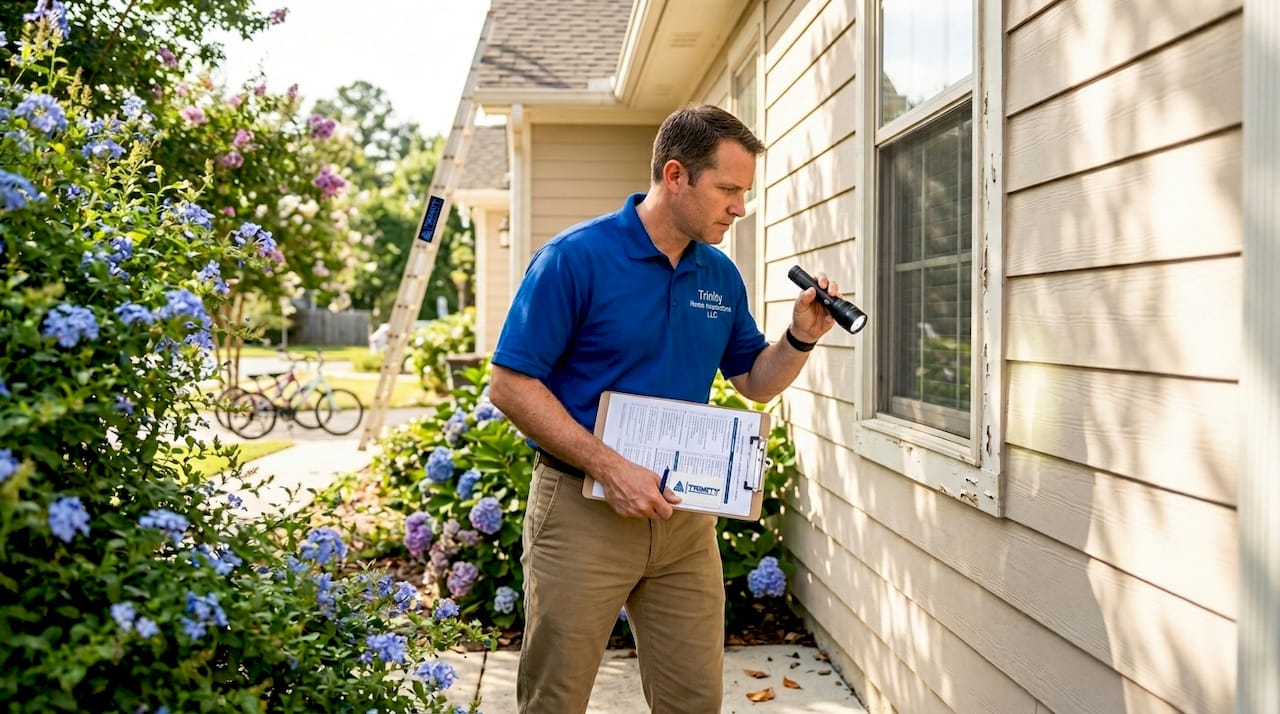
A step-by-step home inspection is a systematic visual evaluation of a home’s major systems and structures, conducted to uncover safety hazards, functional defects, and conditions that affect value. For buyers and sellers across Gulf Coast Alabama, from Mobile to Fairhope to Gulf Shores, this process is one of the most consequential steps in any real estate transaction. InterNACHI-certified inspectors follow a defined sequence covering structural components, roofing, plumbing, electrical, HVAC, insulation, and interiors. Understanding the home inspection process before you walk through that door gives you clarity, negotiating power, and genuine peace of mind.
What do home inspectors look for when buying or selling a house?
A thorough home inspection covers all visible and accessible systems, including the roof, foundation, plumbing, electrical panel, HVAC equipment, and structural elements present on the day of inspection. That scope is broader than most buyers realize, and it sets the foundation for every decision that follows.
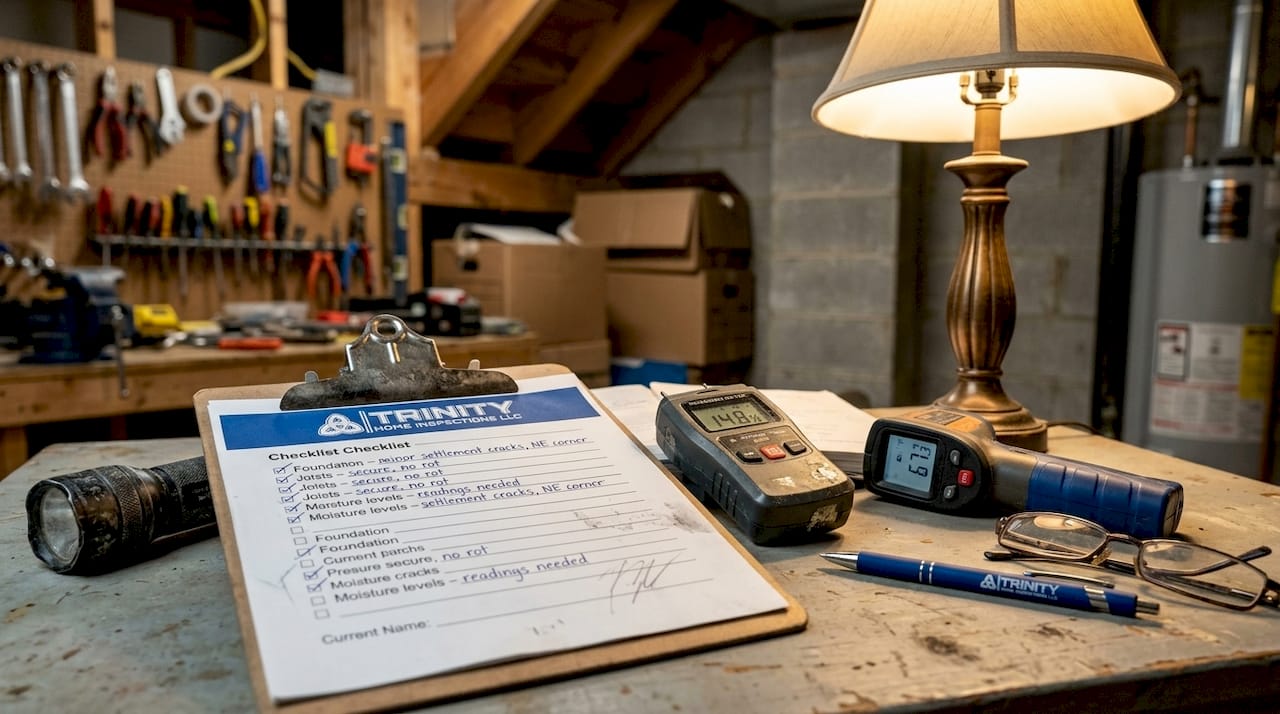
Major inspection categories
Home inspectors organize their work into distinct categories so nothing gets overlooked. Here is what each one covers:
Structural systems: Foundation walls, floor framing, load-bearing walls, and visible beams. In Alabama, clay-heavy soils in Mobile and Baldwin counties make foundation movement a real concern.
Roofing: Shingle condition, flashing, gutters, fascia, and soffit. Gulf Coast homes face accelerated wear from heat, humidity, and storm exposure.
Plumbing: Supply lines, drain lines, water heater age and condition, visible pipe material, and fixture function.
Electrical: Service panel, wiring type, grounding, GFCI protection near water sources, and outlet function. Older homes in Mobile may still have aluminum wiring or Federal Pacific panels.
HVAC: Heating and cooling equipment age, filter condition, ductwork, and thermostat response. Alabama’s heat makes a failing air conditioner a safety issue, not just a comfort one.
Insulation and ventilation: Attic insulation depth, vapor barriers, and soffit or ridge vent function.
Interiors: Walls, ceilings, floors, windows, doors, stairways, and built-in appliances.
Common issues found in Alabama homes
Moisture is the dominant concern on the Gulf Coast. High humidity, frequent rain, and coastal salt air accelerate wood rot, mold growth, and corrosion in ways that inspectors in drier climates rarely encounter. Foundation cracks from soil movement, deteriorated crawlspace vapor barriers, and aging HVAC systems are among the most frequently documented findings in this region.
Specialized inspections for mold, sewer lines, and septic systems are often recommended when the general inspection flags concerns in specific areas. In Alabama, where many rural properties use septic systems and older neighborhoods have aging cast-iron sewer lines, these add-ons are not optional extras. They are smart risk management.
What inspectors do not evaluate
Inspectors do not open walls, excavate foundations, or operate systems that are shut down. They evaluate what is visible and accessible on inspection day. If a crawlspace is blocked or a panel is locked, that area goes uninspected and is noted as a limitation in the report. Understanding this boundary helps you set realistic expectations before the inspection begins.
How to prepare your Alabama home for a successful inspection
Preparation directly affects the quality of your inspection report. Clearing access points and confirming utilities are on, testing fixtures, and leaving key information about wells or septic systems all reduce the number of unknowns an inspector encounters. Fewer unknowns mean a more accurate report.
Follow these steps before your inspector arrives:
Unlock all access points. Open the attic hatch, unlock the electrical panel, clear the area around the water heater, and make sure the crawlspace entry is accessible. Blocked access leads to incomplete reports.
Turn on all utilities. Gas, water, and electricity must be active. An inspector cannot test a water heater, furnace, or stove if the utilities are off.
Test every fixture yourself first. Run faucets, flush toilets, and flip light switches. If something does not work, fix it before the inspection or disclose it. Surprises slow the process.
Clear a 4-to-6-inch perimeter around exterior access points. Decluttering around utilities and clearing stored items from the attic, basement, and crawlspace gives the inspector room to observe and document conditions accurately.
Secure pets and inform occupants. A dog in the backyard can prevent the inspector from checking the exterior foundation or HVAC condenser. Plan accordingly.
Leave documentation for specialty systems. If the home has a well, septic system, or whole-house generator, leave service records on the counter. Inspectors note age and condition, and records help them give you a more complete picture.
For sellers, preparation is your best tool for a smooth transaction. A well-prepared home signals care and maintenance, which builds buyer confidence even before the report is written. Review the pre-inspection checklist for sellers to make sure nothing is missed before your buyer’s inspector arrives.
Pro Tip: Leave a note on the kitchen counter with the location of the main water shutoff, electrical panel, attic access, and any specialty system controls. This saves time and prevents the inspector from spending 20 minutes searching for access points.
What does the step-by-step home inspection process look like?
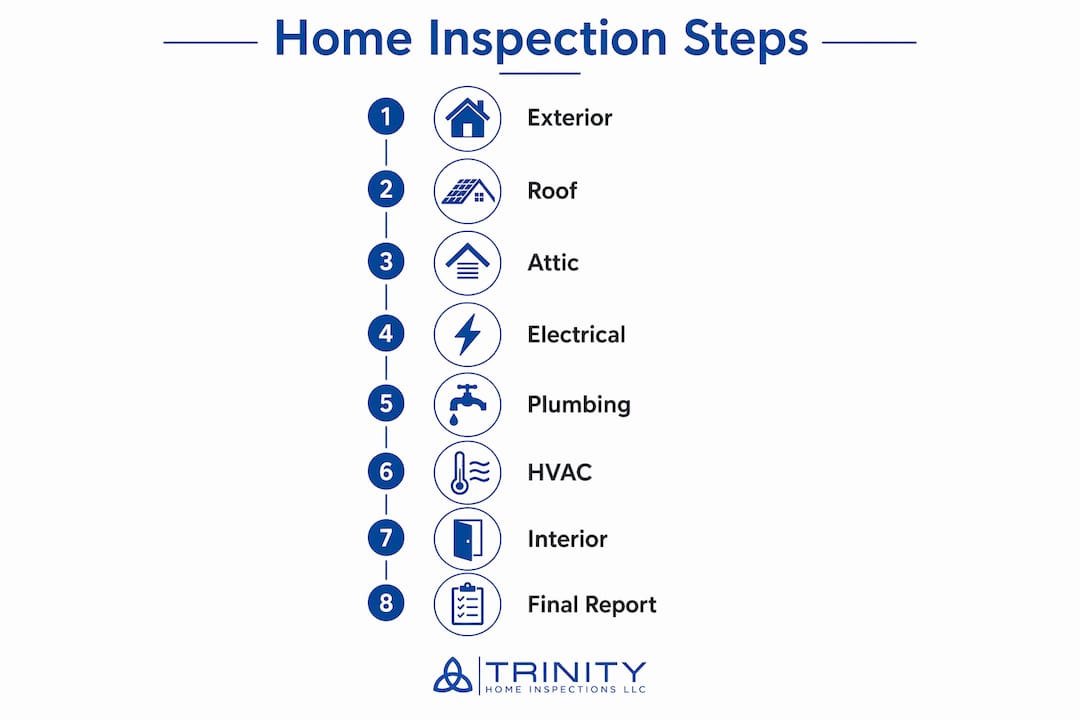
A professional home inspection follows a logical sequence that typically takes 2 to 4 hours, depending on the size and condition of the property. Here is how that process unfolds from start to finish.
Select a certified inspector and review the agreement. Choose an InterNACHI-certified inspector and read the inspection agreement before signing. The agreement defines the scope, limitations, and standards the inspector follows. This document protects both parties.
Exterior inspection. The inspector starts outside, evaluating the foundation perimeter, grading and drainage, siding condition, windows, doors, decks, porches, and the driveway. Poor grading that directs water toward the foundation is one of the most common and correctable findings in Alabama.
Roof inspection. The inspector walks the roof when safely accessible, checking shingle condition, flashing at chimneys and skylights, gutter attachment, and soffit and fascia condition. When the roof pitch or condition makes walking unsafe, FAA-licensed drone cameras provide a detailed aerial view without compromising safety.
Attic and insulation. The inspector enters the attic to check insulation depth, ventilation, signs of moisture intrusion, and roof sheathing condition. In Gulf Coast Alabama, inadequate attic ventilation is a direct contributor to premature shingle failure and elevated cooling costs.
Electrical systems. The inspector opens the main service panel, checks for proper breaker labeling, double-tapping, corrosion, and the presence of AFCI or GFCI protection where required. Every accessible outlet, switch, and fixture is tested. This goes beyond the Alabama minimum standard of a representative sample.
Plumbing systems. Supply and drain lines are checked for leaks, corrosion, and proper slope. The water heater is evaluated for age, condition, and proper pressure relief valve installation. Moisture meters confirm whether suspected wet areas are actively damp.
HVAC systems. The heating and cooling equipment is operated and observed. Filter condition, airflow at registers, and visible ductwork are all documented. Thermal imaging can identify temperature differentials that suggest duct leaks or missing insulation.
Interior rooms, kitchen, and bathrooms. Walls, ceilings, and floors are checked for cracks, staining, and moisture indicators. Kitchen appliances are operated. Bathroom fixtures are run, and GFCI outlets near water sources are tested. Windows and doors are opened and closed to check operation and sealing.
Crawlspace or basement. The inspector checks for standing water, wood rot, pest damage, vapor barrier condition, and structural member integrity. Alabama crawlspaces are high-risk zones for moisture-related damage.
Documentation and report delivery. Findings are photographed and documented in real time using mobile inspection software. Reports include conditions, photos, and recommendations and are typically delivered the same day. Trinity Home Inspections delivers 99% of reports the same day of inspection, color-coded into DIY/Minor, Issues/Defects, and Safety/Major categories.
Inspection Stage | Key Focus Areas |
Exterior and roof | Foundation, grading, siding, shingles, gutters, flashing |
Attic and insulation | Ventilation, moisture, insulation depth, sheathing |
Electrical and plumbing | Panel condition, outlets, supply lines, water heater |
HVAC and interiors | Equipment age, airflow, walls, floors, windows, doors |
Crawlspace or basement | Moisture, wood rot, vapor barrier, structural members |
Pro Tip: Attend the inspection in person. Walking through the home with the inspector gives you context that no written report can fully replace. You can ask questions on the spot and see conditions firsthand, which makes the report far easier to interpret later.
Common mistakes to avoid during home inspections
Even well-intentioned buyers and sellers make avoidable errors that reduce the value of the inspection. Knowing these pitfalls in advance keeps the process on track.
Rushing the inspection. Scheduling an inspection with too little time before a contract deadline forces the inspector to work faster and leaves you with less time to review findings. Build at least a week of buffer between the inspection and your response deadline.
Skipping preparation. Inadequate preparation leads to incomplete reports. If the attic hatch is blocked by stored boxes or the water heater is surrounded by clutter, those areas may go uninspected or receive only a partial evaluation.
Overloading the repair request. Submitting a list of 40 repair items, including minor cosmetic issues, signals inexperience and puts sellers on the defensive. Focused requests on safety and major issues backed by the inspector’s documented priorities produce better outcomes.
Misreading the report. Inspection reports describe conditions, not verdicts. A flagged item is not automatically a deal-breaker. Read the report with your inspector or agent to understand severity and context.
Ignoring the limitations section. Every report includes a limitations section that identifies what was not inspected and why. Ignoring this section means you may be unaware of areas that need follow-up specialist evaluations.
Pro Tip: When reviewing the report, start with the Safety/Major category and work down. Address those items in your repair request first. Minor items can be handled after closing or used as negotiating chips separately.
What to do after receiving your home inspection report
The inspection report is a decision-making tool, not just a document to file away. Reports list conditions, photos, and recommendations along with limitations, and every section deserves a careful read before you respond to the seller.
As a buyer, your three primary options after reviewing the report are:
Request repairs. Submit a focused list of safety concerns and major defects, supported by the inspector’s findings. Short, specific requests backed by documentation are far more effective than long lists of minor complaints.
Negotiate a price reduction or credit. If the seller is unwilling to make repairs, a credit at closing gives you the funds to address issues after you take ownership. This approach works well for items with clear, documented repair costs.
Cancel the contract. If serious issues remain unresolved and the seller refuses to negotiate, your inspection contingency gives you the right to walk away. This is a legitimate use of the process, not a failure.
For sellers, a pre-listing inspection done before you accept offers gives you the chance to address issues on your own terms, price the home accurately, and reduce the likelihood of a buyer renegotiating after their inspection. Pre-inspections give sellers leverage in price negotiations that standard inspections during contingencies do not provide.
Scenario | Recommended action |
Safety or structural defect found | Request repair or credit before closing |
Cosmetic or minor issues only | Accept as-is or negotiate a small credit |
Multiple major systems failing | Request credits, price reduction, or consider withdrawal |
Seller pre-inspection available | Review it, then decide whether to order your own |
Use the home inspection checklist for buyers to cross-reference your report findings against the key categories and confirm nothing was missed before you submit your response.
Key takeaways
A step-by-step home inspection gives Alabama buyers and sellers the documented evidence they need to negotiate with confidence, prioritize repairs accurately, and make informed decisions before closing.
Point | Details |
Follow a defined sequence | Inspect exterior, roof, attic, electrical, plumbing, HVAC, interiors, and crawlspace in order. |
Prepare the home first | Cleared access and active utilities produce more accurate, complete inspection reports. |
Attend the inspection | Walking through with the inspector gives you context no written report can fully replace. |
Focus repair requests | Short, prioritized lists backed by inspector findings produce better negotiation outcomes. |
Use the report strategically | Buyers can request repairs, negotiate credits, or withdraw. Sellers can use pre-inspections to get ahead of issues. |
What I have learned after hundreds of Alabama inspections
After inspecting homes from Mobile Bay to the Eastern Shore, the pattern I see most often is not a failing roof or a bad electrical panel. It is a buyer who did not attend the inspection and then spent three days trying to interpret a report without context. The report makes sense when you have stood in that crawlspace and seen the moisture staining on the floor joists. It is harder to interpret from a PDF alone.
The other thing I see regularly is buyers who treat every flagged item as a crisis. An inspection report on any home, new or old, will contain findings. That is the point. What matters is the category and the severity. A missing GFCI outlet beside a bathroom sink is a $15 fix. A deteriorated main sewer line under a slab is a $10,000 conversation. Knowing the difference is what the report is designed to help you do.
Alabama homes have specific vulnerabilities that inspectors in other states do not encounter at the same frequency. Crawlspace moisture, termite damage, hurricane strapping, and aging HVAC systems in extreme heat are the issues I prioritize on every inspection here. If your inspector is not spending meaningful time in the crawlspace and attic, that is a gap worth asking about.
One more thing: the inspector you choose matters as much as the inspection itself. Ask whether they walk roofs, what tools they carry, and whether they carry $1M or more in errors and omissions coverage. Alabama does not require the level of insurance that protects you if something goes wrong. Make sure your inspector carries it anyway.
— Matt
Schedule your inspection with Trinity Home Inspections
[
Trinity Home Inspections serves Baldwin, Mobile, Escambia, Washington, Monroe, and Clarke counties with InterNACHI-certified inspections, same-day photo and video reports, and free thermal imaging included with every inspection. Whether you are buying your first home in Fairhope, selling a property in Gulf Shores, or evaluating a rental in Mobile, the team is ready to give you a clear, honest picture of what you are working with. Add-on services including mold testing and sewer scope inspections are available when the general inspection flags concerns. Call 251-210-7376 or visit TrinityInspectionsLLC.com to schedule your inspection today.
FAQ
What does a step-by-step home inspection cover?
A step-by-step home inspection covers the exterior, roof, attic, electrical systems, plumbing, HVAC, interior rooms, kitchen, bathrooms, and crawlspace or basement in a defined sequence. Inspectors evaluate all visible and accessible systems but do not open walls or access areas that are blocked or shut down.
How long does a home inspection take in Alabama?
Most home inspections take 2 to 4 hours depending on the size, age, and condition of the property. Larger homes or those with multiple systems, detached structures, or add-on services like sewer scopes will take longer.
Should I attend my home inspection?
Attending the inspection is strongly recommended. Walking through the home with the inspector gives you direct context for the findings and allows you to ask questions in real time, which makes the written report significantly easier to act on.
What happens after the inspection report is delivered?
After receiving the report, buyers can request repairs, negotiate a price reduction or credit, or cancel the contract if serious unresolved issues remain. Sellers can respond to repair requests or offer credits. Focused requests backed by the inspector’s documented findings produce the best negotiation outcomes.
What is the difference between a standard and a pre-listing inspection?
A standard inspection is ordered by the buyer during the contract contingency period. A pre-listing inspection is ordered by the seller before the home goes on the market, giving the seller time to address issues and reducing the chance of a buyer renegotiating after their own inspection.
Recommended

