
Where Does Well Water Come From? Real Facts for Alabama Homes

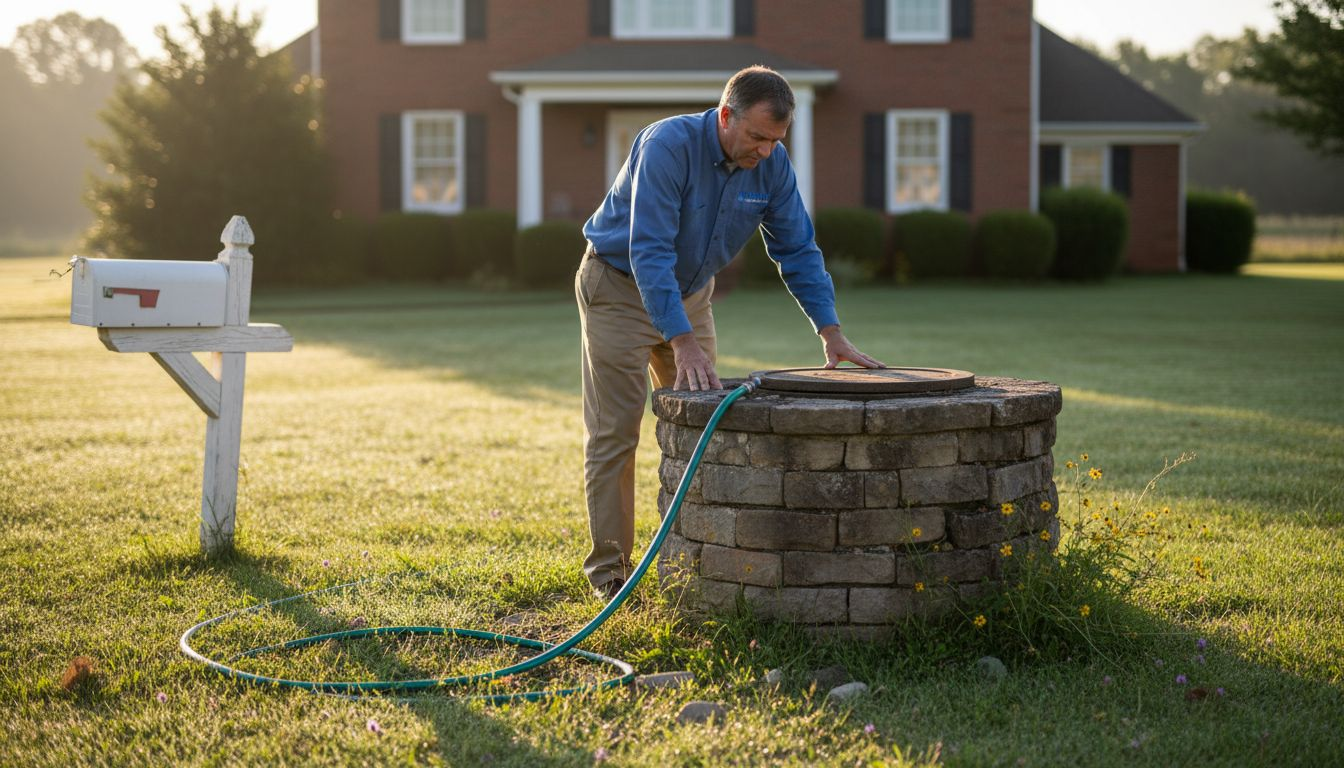
What you can’t see in your water can cost you more than you think. For Baldwin and Mobile county homebuyers and sellers, weighing the risks of relying on a private well is more than a box to check before closing. With over 23 million American households depending on unregulated wells, owners shoulder full responsibility for safe drinking water. Get clear on the realities, common myths, and what steps to take for true peace of mind when buying or selling properties with private well systems.
Key Takeaways
Point | Details |
Well water is unregulated | Homeowners are fully responsible for the quality and maintenance of their well water. Regular testing is essential to ensure safety. |
Types of wells vary in safety | Drilled wells offer the best protection against contamination, while driven and dug wells present higher risks. Knowing your well type is crucial for safety. |
Contamination can be invisible | Many harmful substances in well water can neither be seen nor detected by smell or taste; thus, annual testing is necessary to identify potential threats. |
Know geological risks | The geology of your area affects water quality and contamination risk; understanding local geology can help in determining necessary water tests. |
Well Water Defined and Common Myths
Over 23 million American households rely on private wells for drinking water. Unlike municipal systems, well water isn’t regulated by government agencies, which means homeowners bear full responsibility for testing and maintenance.
Well water is simply natural water extracted from underground aquifers through dug, drilled, or driven wells. This water reaches your home via a system that pulls groundwater from beneath the surface—sometimes hundreds of feet down. The depth and construction method matter significantly for safety.
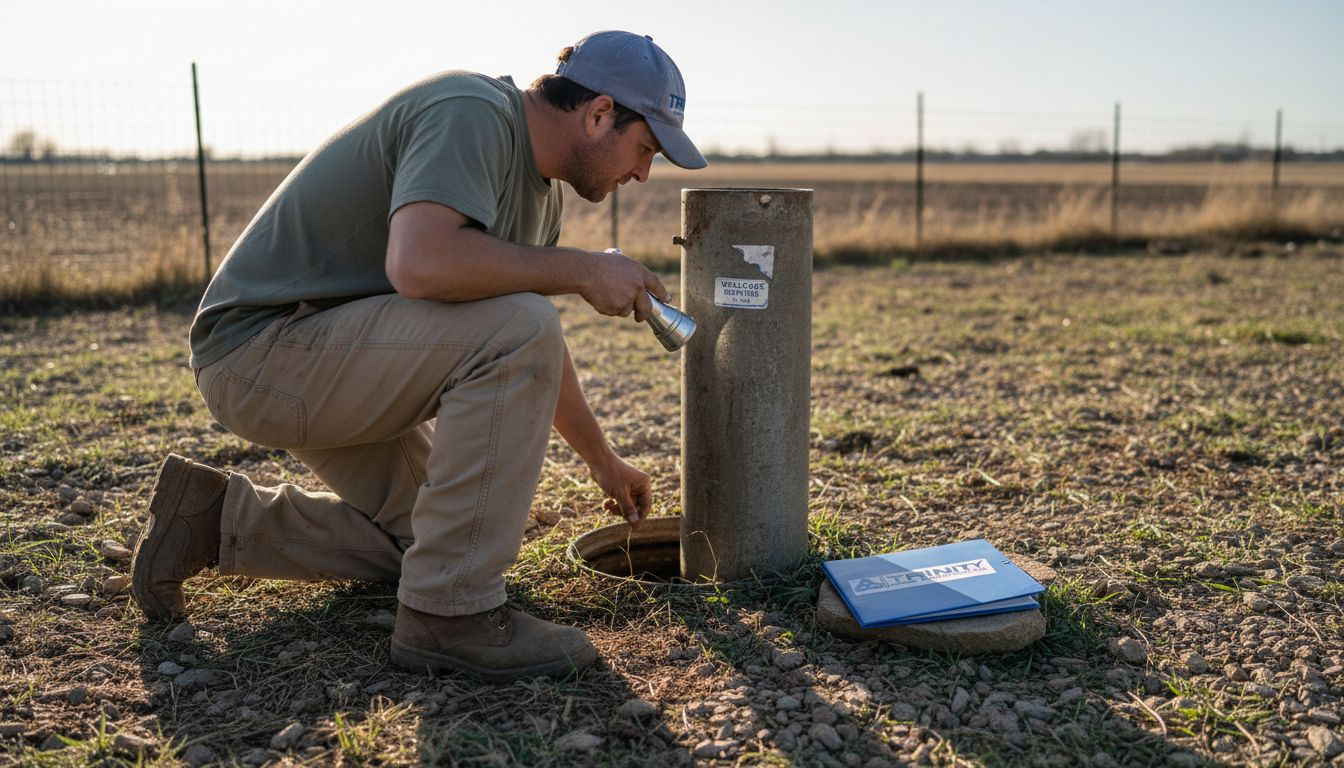
What Actually Is Well Water?
Well water originates from infiltrated rainwater that has percolated through soil layers into underground reservoirs called aquifers. This natural filtration process takes years, sometimes decades. The longer water stays underground, the more minerals it picks up—which can affect taste, appearance, and appliance lifespan.
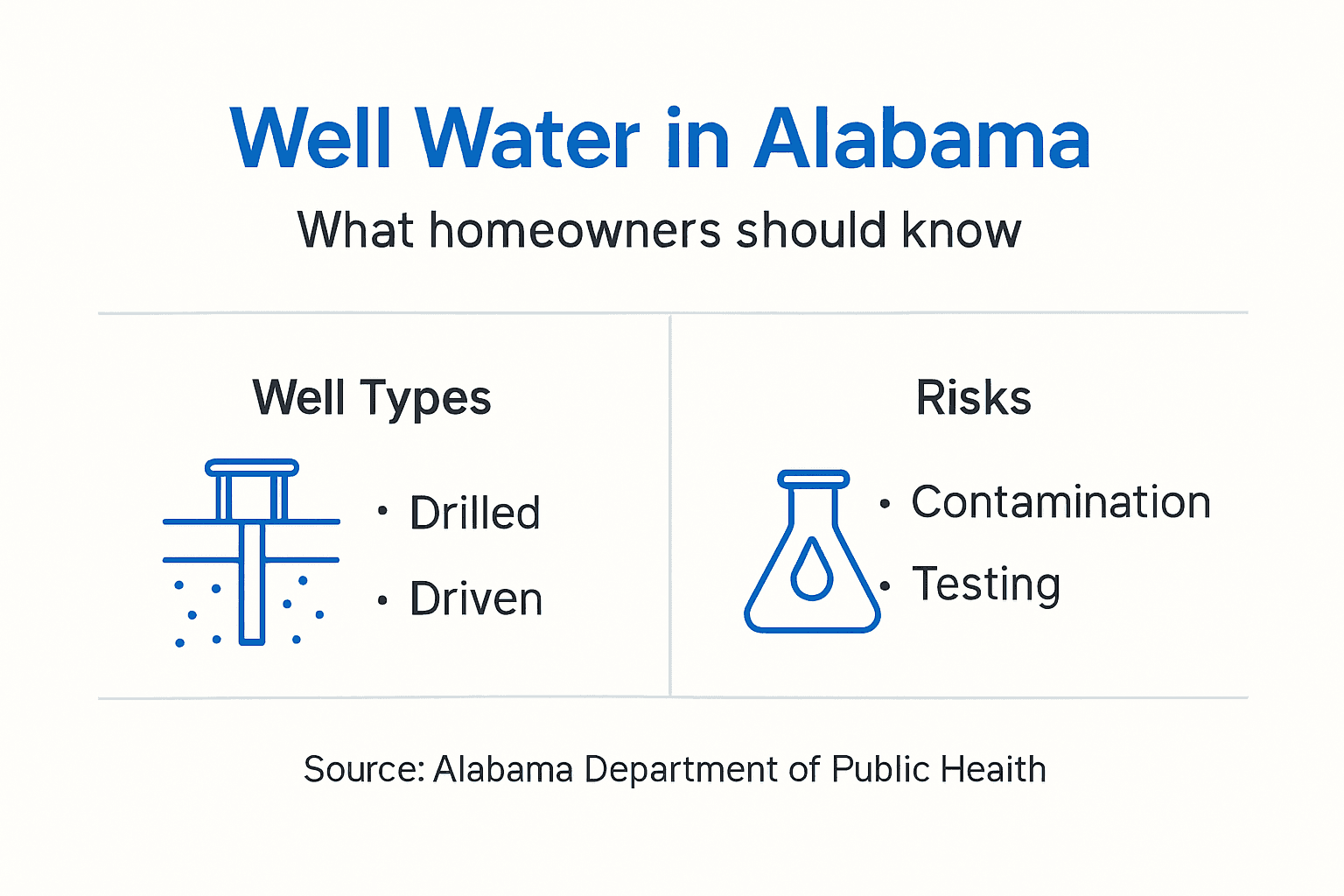
Three main well types exist in Alabama:
Dug wells: Shallow (25-50 feet), hand-dug or manually excavated, higher contamination risk
Drilled wells: Deeper (100-400+ feet), mechanically drilled, lower contamination risk
Driven wells: Very shallow (10-30 feet), pipe-driven into ground, highest contamination risk
Drilled wells dominate in Baldwin and Mobile counties because of superior protection against surface pollution.
Common Well Water Myths Debunked
Myth #1: Well water is naturally pure and needs no testing.
This is false. Wells can become contaminated by bacteria, viruses, and toxins from various sources. Contamination doesn’t always show color, smell, or taste—you cannot rely on your senses alone.
Myth #2: If my water looks clear, it’s safe.
Clear water can contain dangerous pathogens and chemical contaminants invisible to the human eye. Many serious well water problems are completely odorless and colorless.
Myth #3: Well water doesn’t need regular testing after an initial inspection.
The Alabama Department of Public Health recommends annual testing at minimum. Seasonal changes, land use shifts, and aging well components create ongoing risk.
Myth #4: My well is safe because neighbors’ wells are fine.
Each property has unique geology, drainage patterns, and contamination sources. Your neighbor’s safe well doesn’t guarantee yours is protected.
Real protection requires annual testing. You can’t see, smell, or taste most common well contaminants.
Why Testing Matters Before Closing
If you’re purchasing a home with a well in Baldwin or Mobile County, know that FHA requirements for water testing exist for buyer protection. Standard home inspections identify obvious well system issues, but comprehensive water quality testing catches invisible threats.
Contamination sources include septic systems, fertilizers, livestock operations, abandoned wells, and industrial chemicals—all possible near Alabama properties.
Pro tip: Request a pre-closing water test for bacteria, nitrates, and pH at minimum; request expanded testing if you notice discoloration, odor, or nearby agricultural or industrial activity.
Types of Wells Used in Alabama
Alabama homeowners don’t all have the same well system. The type of well on your property affects water quality risk, maintenance demands, and testing frequency. Understanding which type you have is your first step toward protecting your family’s water supply.
Three main well types serve Alabama properties, each with distinct characteristics and vulnerabilities.
Drilled Wells: The Gold Standard
Drilled wells are the most common for domestic use in Alabama and across the Gulf Coast region. These wells are created using rotary or percussion drill rigs that bore deep into the earth—often 100 to 400+ feet down. The greater depth means accessing more stable aquifers protected by multiple soil layers.
Drilled wells feature proper casing and grouting throughout their length. Casing is a continuous pipe that lines the well shaft, and grouting seals the space between the casing and surrounding rock. This two-part protection prevents surface contamination from entering your water supply.
Because of their depth and construction quality, drilled wells have the lowest contamination risk among Alabama well types. They tap into confined aquifers where water is naturally protected by impermeable rock layers.
Driven Wells: Fast but Shallow
Driven wells involve pipes literally hammered or driven into shallow water-bearing soil layers—typically only 10 to 30 feet deep. Installation is quick and inexpensive, which appeals to property owners on tight budgets.
The problem: shallow depth means minimal natural protection. Driven wells lack proper casing through the entire saturated zone and offer almost no barrier against surface pollutants like septic seepage, fertilizer runoff, or bacterial contamination.
These wells are less protected and more prone to seasonal water level fluctuations. Many Baldwin and Mobile county homes still have driven wells, especially older properties built decades ago.
Dug Wells: High Risk, Rarely Used Today
Dug wells are shallow hand-dug or machine-dug holes, often lined with stones or bricks. Depth rarely exceeds 25-50 feet. They represent older well construction and are easily contaminated due to lack of proper casing.
Most Alabama properties have moved away from dug wells in favor of safer drilled systems. However, some historic properties or rural areas still rely on them.
Quick Comparison
Drilled: 100-400+ feet, fully cased, lowest risk, highest cost
Driven: 10-30 feet, minimal casing, higher risk, lowest cost
Dug: 25-50 feet, poor casing, highest risk, moderate cost
Your well type determines your contamination risk. Drilled wells offer superior protection; driven and dug wells require more vigilant testing.
Why Your Well Type Matters for Home Inspection
When you’re buying or selling a property with a well, the well type influences testing recommendations. A driven well warrants more frequent testing and scrutiny than a drilled well. During a home inspection, Trinity Home Inspections evaluates well type, age, and visible condition as part of the overall property assessment.
Pro tip: Ask your real estate agent or current homeowner what well type you have; if unknown, a licensed well contractor can identify it by examining the well cap, casing diameter, and surface features.
How Groundwater Moves to Your Well
Your well doesn’t sit in a static pool of water. Groundwater is constantly moving, flowing downward from the surface and laterally through soil and rock layers. Understanding this movement helps explain why your well works, why it can fail, and why contamination is a real risk.
Groundwater starts its journey as precipitation. Rain and snow soak into the ground, percolating through permeable soil and rock layers. This water moves downward slowly—typically measured in feet per day, depending on soil type and geological conditions.
The Journey from Rain to Well
Groundwater infiltrates the earth from precipitation and travels downward through soil pores and rock fractures. This slow, steady movement fills underground reservoirs called aquifers. The deeper the water travels, the more filtered it becomes through natural soil layers.
Once water reaches an aquifer, it doesn’t stop moving. Groundwater flows toward points of natural discharge like springs, streams, or your well. The direction and speed depend on:
Soil and rock permeability
Water pressure differences
Elevation and topography
Nearby water bodies
In Baldwin and Mobile counties, groundwater typically flows from higher elevations toward lower points, eventually reaching wells or surface water.
How Your Well Creates Water Flow
When you turn on your tap, your well pump pulls water from the aquifer. This creates a cone of depression—a funnel-shaped zone where water levels drop around your well. The lower water level forms a pressure difference that draws groundwater flow inward to replenish what was pumped out.
This natural mechanism keeps your well supplied. Without it, your well would dry up immediately after pumping.
The Risk: Well Interference and Contamination
If multiple wells pump from the same aquifer, their cones of depression can overlap. This overlap, called well interference, reduces water availability for all wells involved. You might experience low pressure or reduced flow if a neighbor’s well is pumping heavily.
More concerning: if contamination exists upgradient from your well, the cone of depression can pull it toward you. A cracked septic tank, leaking underground storage tank, or hydraulic conductivity pathways created by poor well construction allow pollutants to migrate faster.
Why This Matters for Your Property
Your well’s safety depends partly on what’s uphill from you. Nearby septic systems, farms, gas stations, or manufacturing operations can introduce contamination into your groundwater. Regular water testing catches problems before they become health hazards.
Water moves invisibly through soil. You cannot see contamination traveling toward your well, which is why testing matters annually.
Pro tip: Ask your real estate agent or previous owner about land uses upgradient from the property (uphill direction), including farms, industrial sites, or septic systems that could affect your water quality.
Geology’s Impact on Water Quality
You might assume well water quality depends only on maintenance and testing. But geology—the rock and mineral composition beneath your property—shapes your water’s safety before you ever turn on a tap. Alabama’s unique geological formations create both natural protections and natural challenges for homeowners relying on wells.
Rock type, mineral content, and structural features control what dissolves into your groundwater. Some geological areas naturally contain safe water; others require vigilant testing to catch naturally occurring contaminants.
Natural Contaminants from Rock and Minerals
Groundwater doesn’t stay pure as it flows through soil and rock. Water is a solvent—it dissolves minerals and trace elements from the rock formations it contacts. Naturally occurring geogenic constituents include:
Arsenic
Radium
Uranium
Fluoride
Heavy metals
Lithium
These elements aren’t from human pollution. They’re released naturally from mineral content in rock formations as groundwater flows through layers of sandstone, limestone, shale, or clay.
Alabama’s Geological Variability
Alabama sits on diverse geological formations. Northern areas contain metamorphic rocks; southern coastal regions feature sedimentary deposits. This variety means well water quality varies dramatically across Baldwin and Mobile counties.
One neighborhood’s groundwater might be naturally low in arsenic while another area shows elevated levels. Without testing, you cannot know your specific risk. Geology creates the baseline; testing reveals your reality.
How Geology Influences Contamination Risk
Rock type also affects water movement and contaminant mobility. Limestone and sandstone have high porosity, allowing water and pollutants to move faster. Dense clay layers slow movement but can trap contaminants above them.
Structural features like fractures in bedrock create pathways for rapid water flow. Contaminants can travel miles through fractured rock in weeks instead of years.
This means your well’s geological setting determines both natural and human-introduced contamination risk. Understanding your local geology helps predict which specific tests matter most.
Why Homebuyers Need to Know This
When purchasing a property with a well, geological factors controlling water quality matter as much as the well’s physical condition. A perfectly maintained well in a geological area prone to arsenic still requires arsenic testing. A new well in an area with poor drainage creates higher bacterial risk despite modern construction.
Geology is invisible but powerful. Your well sits in a geological setting that partially predetermines your water quality risks.
Pro tip: Request your county’s geological survey data or contact the Alabama Geological Survey office to learn what natural contaminants are common in your specific area before closing on a property.
Risks, Contamination, and Owner Responsibilities
Private wells are not regulated by government agencies. That freedom comes with a cost: you are entirely responsible for your water’s safety. No inspector visits annually. No utility monitors quality. No backup system protects you if contamination occurs.
Understanding the real risks and your legal obligations is not optional—it’s essential before buying or living with a well.
Common Contamination Sources
Domestic wells are susceptible to contamination from multiple sources. Proximity to septic systems, agricultural operations, and road salt creates serious risks. Bacteria like E. coli and viruses can enter through poorly sealed well caps or cracks in well casings.
Other contamination threats include:
Nitrates from fertilizers and septic seepage
Arsenic from natural rock dissolution
Lead from old well components or plumbing
Pesticides from farming operations
Industrial chemicals from nearby manufacturing
Petroleum products from underground storage tanks
Microbiological and chemical sources pose serious health risks, especially for infants, elderly residents, and immunocompromised individuals. Many contaminants are invisible and odorless.
Why Construction and Maintenance Matter
Poor well construction increases contamination risk dramatically. If a well lacks proper casing, grouting, or a protective sanitary seal, surface pollutants infiltrate easily. Missing or damaged well caps allow debris and animal waste to enter directly.
Regular inspection and maintenance prevent most problems. Annual visual inspections catch cracked casings, deteriorated caps, or improper well head protection before contamination occurs. Neglecting these simple steps creates unnecessary risk.
Your Responsibilities as a Well Owner
Private well owners bear complete responsibility for water safety. This means you must:
Test water annually for bacteria, nitrates, and pH minimum
Inspect the well visually each year
Maintain proper well cap and sanitary seal
Keep septic systems at least 50 feet away (if applicable)
Document all water test results
Address contamination immediately if detected
Update well maintenance records
Alabama does not mandate testing schedules for private wells, but the Alabama Department of Public Health strongly recommends annual testing. Failing to test does not prevent contamination—it only delays discovery.
To help clarify the risks and maintenance considerations for well owners, here’s a summary table highlighting key responsibilities and their impact:
Responsibility | Purpose | Impact on Water Safety |
Annual water testing | Detect invisible contaminants | Prevents health hazards |
Visual well inspection | Find damaged caps or casings | Stops contamination early |
Maintain sanitary seal | Keep surface debris out | Blocks bacteria and pollutants |
Record test results | Track water quality over time | Aids legal protection and safety |
Immediate contamination response | Protect household | Avoids illness and legal issues |
What Happens When You Ignore Responsibility
If you sell a property with a contaminated well and failed to disclose known issues, you create legal liability. If a family member or tenant becomes ill from well water contamination you failed to test for, health consequences and potential legal claims follow.
You cannot see contamination coming. Only testing reveals what’s in your water before it harms your family.
Before Closing on a Property with a Well
Ask the seller for water test results from the past 12 months. If none exist, request a pre-closing test. During home inspection preparation, ask the inspector to evaluate well condition and identify maintenance needs.
Understand that a physical inspection identifies structural problems but cannot assess water quality. You must test water separately to know what you’re actually drinking.
Pro tip: Request well maintenance records and at least one year of water test results during your home inspection; if records don’t exist, budget $150–$300 for comprehensive baseline testing before closing.
For buyers evaluating properties with wells, here’s a quick reference table outlining recommended pre-closing steps and their benefits:
Pre-Closing Step | Why It Matters | Benefit for Buyer |
Request recent water test | Confirms water quality | Ensures safe drinking water |
Ask for maintenance records | Reveals long-term upkeep | Identifies potential problems |
Inspect well structure | Checks physical condition | Helps prevent future repairs |
Budget for baseline testing | Fills gaps if records lacking | Peace of mind, health protection |
Protect Your Alabama Well Water with Expert Inspection Services
Understanding where your well water comes from and the risks tied to groundwater movement, geological factors, and well construction is vital for every Alabama homeowner. The article highlights the unseen dangers lurking in your private well water including contamination from bacteria, nitrates, and natural minerals that traditional home inspections cannot detect alone. Annual testing and thorough well evaluation are your strongest defenses against invisible threats that can impact your family’s health and your property’s value.
At Trinity Home Inspections, we specialize in providing InterNACHI-certified home inspections tailored to Alabama’s unique well water challenges. Our comprehensive approach combines detailed well system assessments with modern tools like thermal imaging and moisture meters to reveal issues beyond the surface. Whether you own a drilled, driven, or dug well, our experienced inspectors deliver clear, actionable reports that empower you to make smart decisions with confidence.
Take control of your water safety today. Don’t rely on guesswork or neighbor’s wells. Visit Trinity Home Inspections for professional home inspection and pre-closing well evaluations that protect your investment and wellbeing.

Schedule your inspection now and gain peace of mind knowing your Alabama property’s water source is safe and secure. Learn more about how we handle home inspections with integrity and faith-based values, and explore our extra services like mold testing and indoor air quality to cover all your home safety needs.
Frequently Asked Questions
Where does well water come from?
Well water comes from underground aquifers, formed by rainwater that seeps through soil layers and rocks, eventually filling these natural reservoirs.
What types of wells are commonly used for residential water supply?
The three main types of wells are drilled wells, driven wells, and dug wells, each varying in depth, construction method, and contamination risk.
Why is it important to test well water regularly?
Regular testing of well water is crucial because contaminants are often invisible, odorless, and can pose serious health risks. Annual testing helps ensure the water remains safe to drink.
Can well water become contaminated, and what are the common sources?
Yes, well water can become contaminated from sources like septic systems, agricultural runoff, and industrial chemicals. Even naturally occurring minerals like arsenic can pose risks depending on the geological conditions of the area.
Recommended